Cognitive Development Worksheets for Ages 3-4 - Page 9
197 filtered results
-
From - To
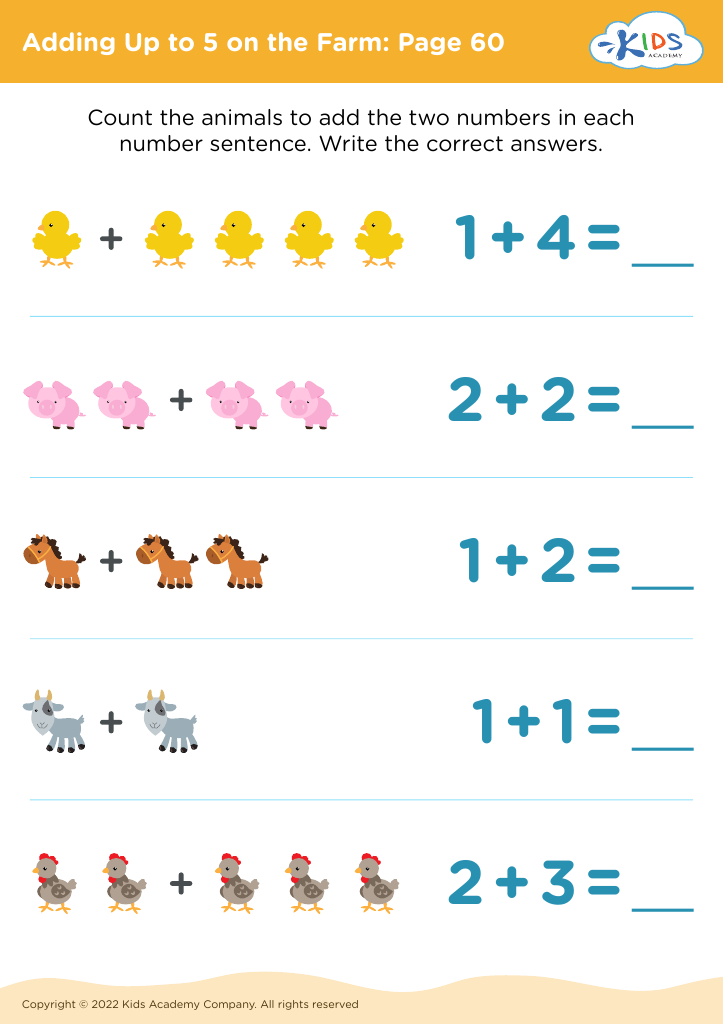

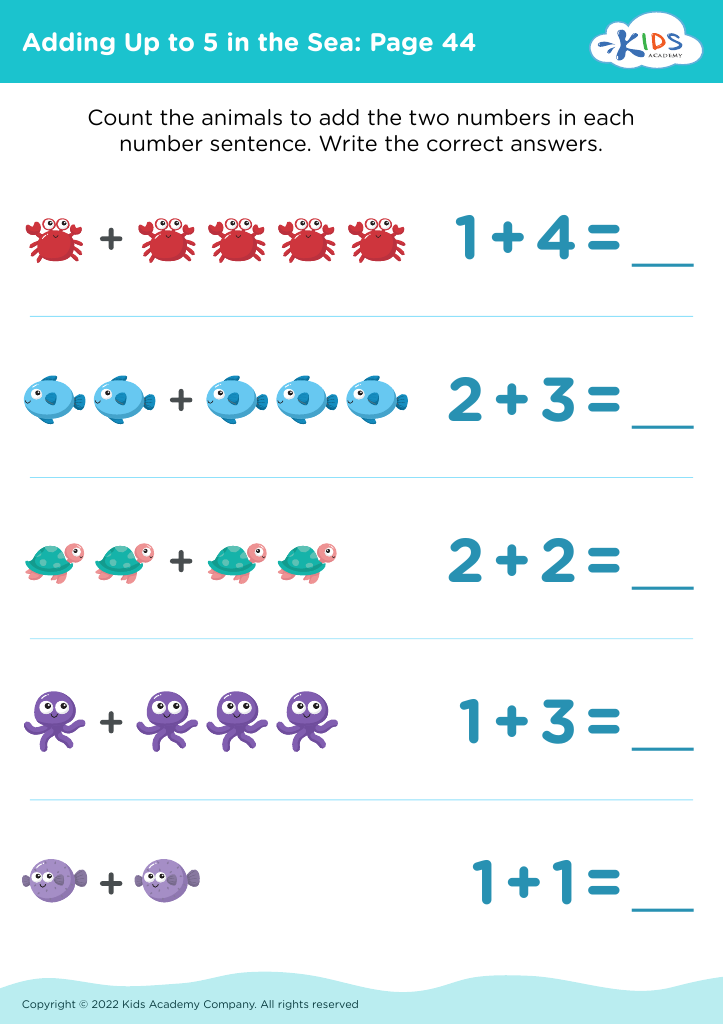
Night Sky Numbers Worksheet
 Assign to My Students
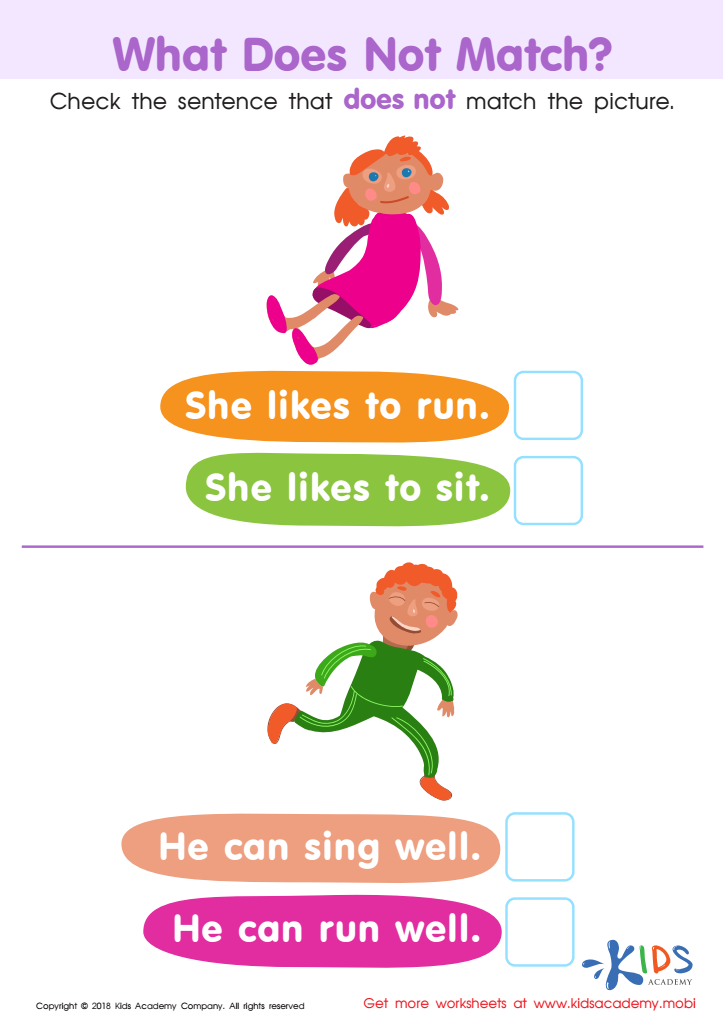
What Does Not Match? Worksheet



.jpg)




Cognitive development during ages 3-4 is critical as it forms the foundation for lifelong learning and problem-solving skills. At this stage, children's brains are rapidly growing, making it vital for parents and teachers to engage in activities that stimulate thinking, understanding, and decision-making. Positive cognitive experiences lead to enhanced language skills, improved memory, and better focus—essential components necessary for academic success and social interactions.
Children are naturally curious at this age, exploring their environments and making connections between ideas. Supporting their cognitive growth fosters a love of learning and helps them develop critical thinking abilities. Engaging in play-based learning, storytelling, and interactive conversations stimulates their imagination and encourages them to ask questions, communicate their thoughts, and experiment with problem-solving.
Moreover, parents and teachers play a crucial role by providing a nurturing and intellectually rich environment. This helps children develop self-regulation, attention skills, and the ability to think critically—skills they will need throughout their lives. By consciously investing time and resources in cognitive development, they lay a strong foundation that not only shapes children's academic futures but also helps them navigate social situations and emotional challenges. Thus, prioritizing cognitive growth during these formative years is essential for optimal development.








