
Counting objects Worksheets for Ages 3-4
14 filtered results
Difficulty Level
Grade
Age
-
From - To
Subject
Activity
Standards
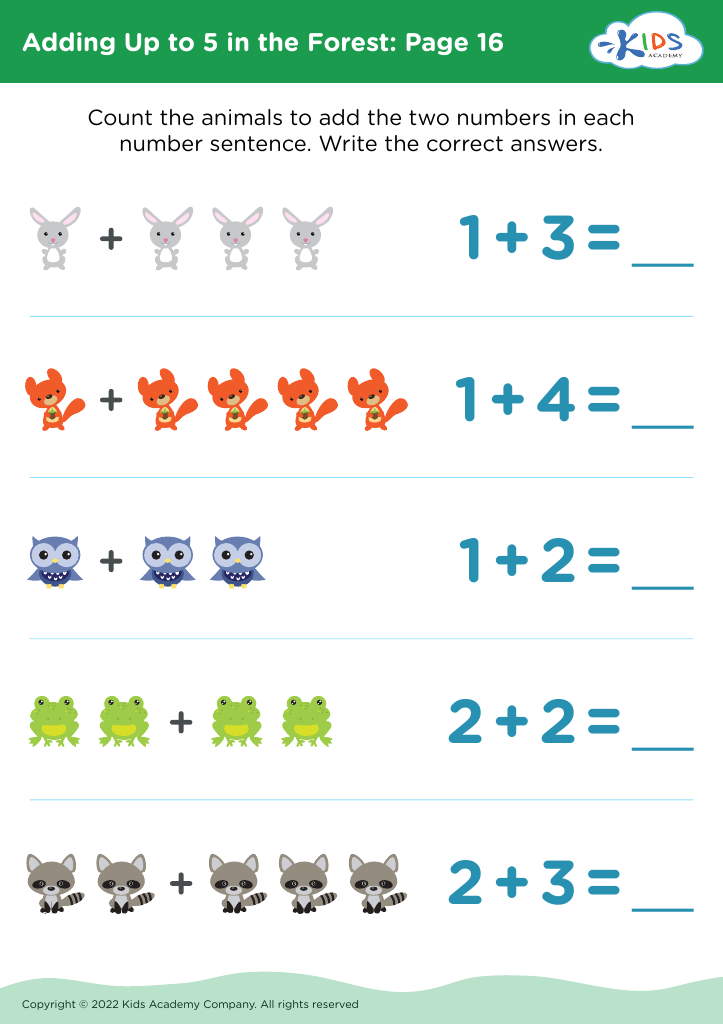
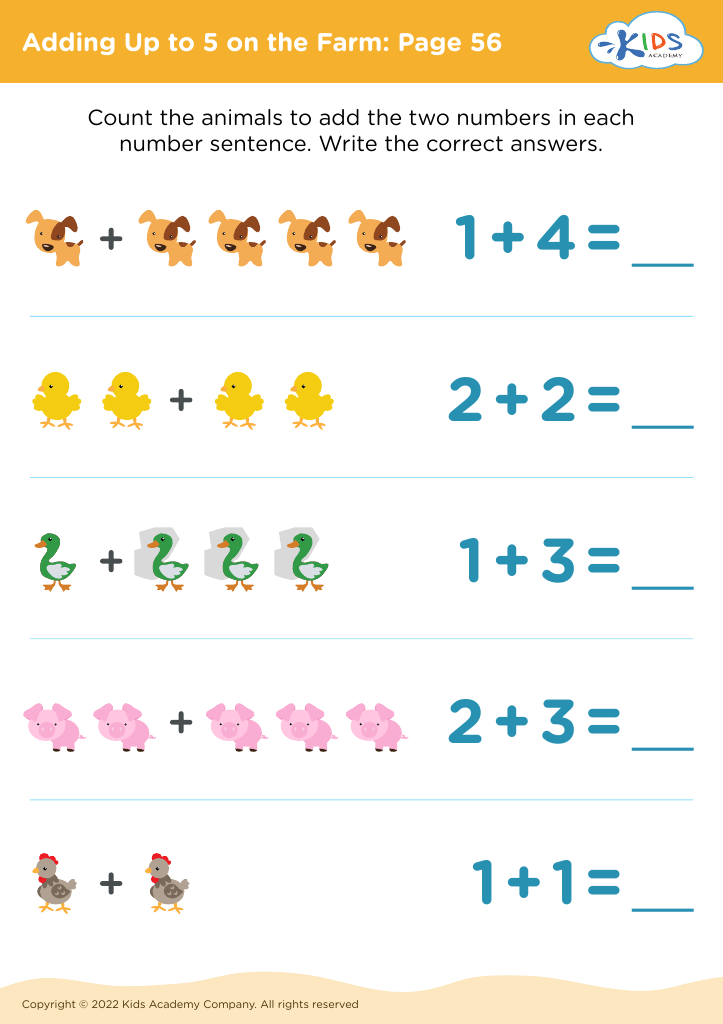
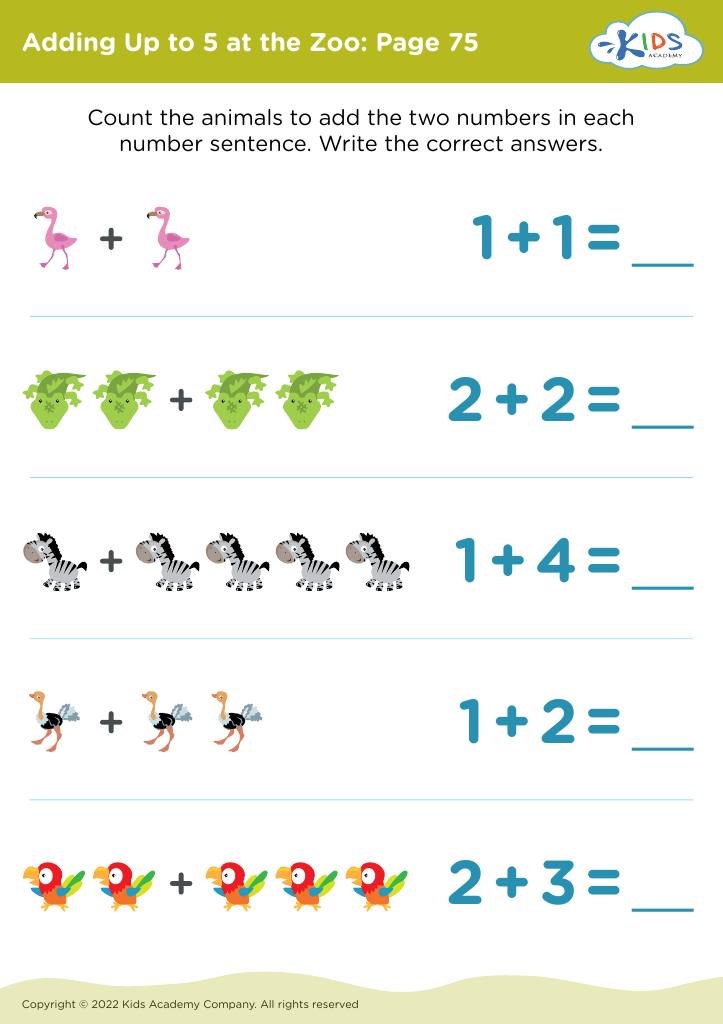
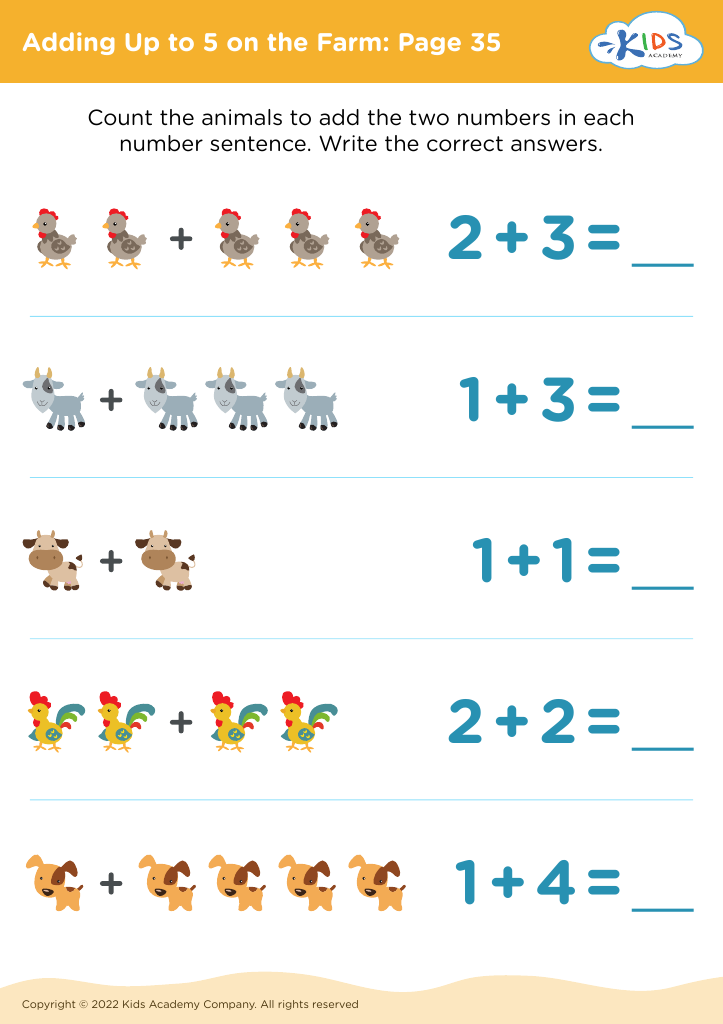
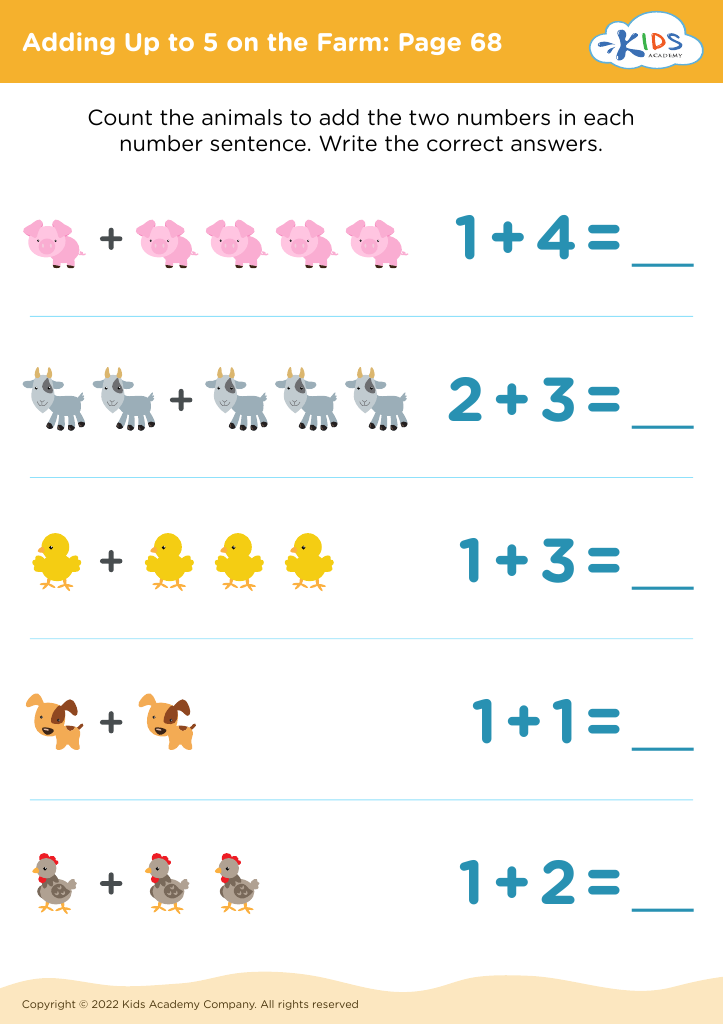
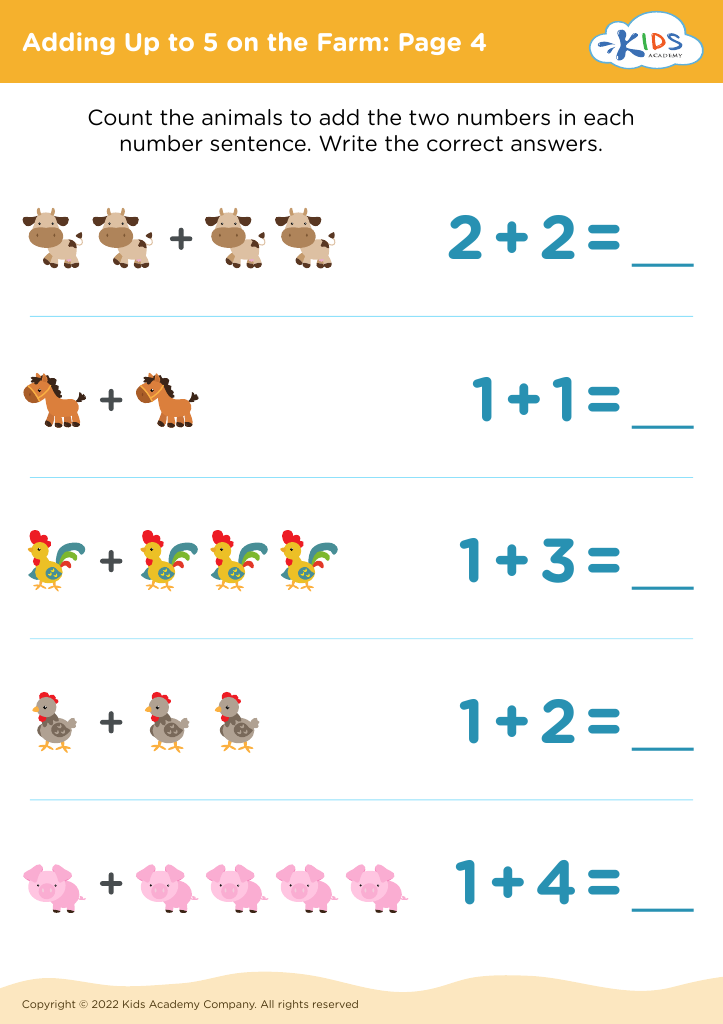
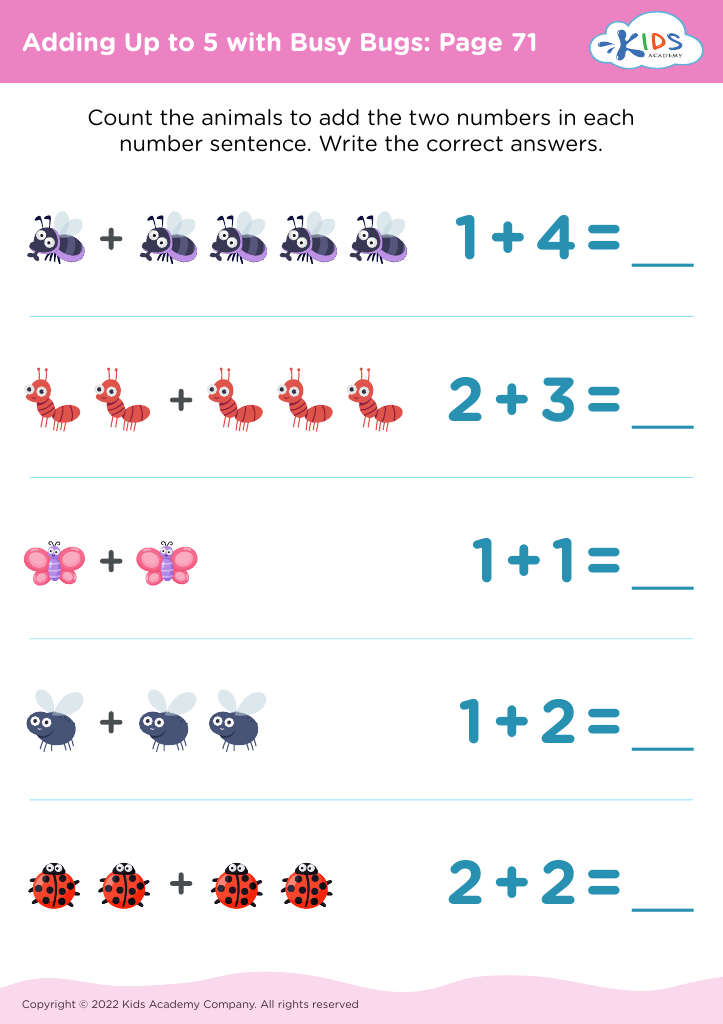
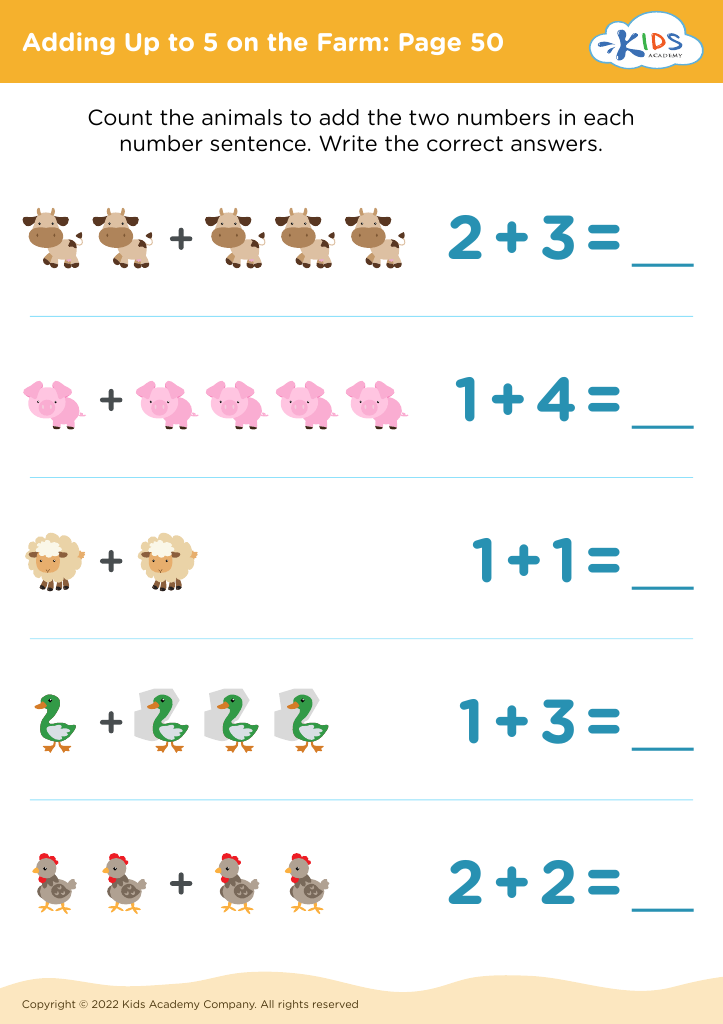
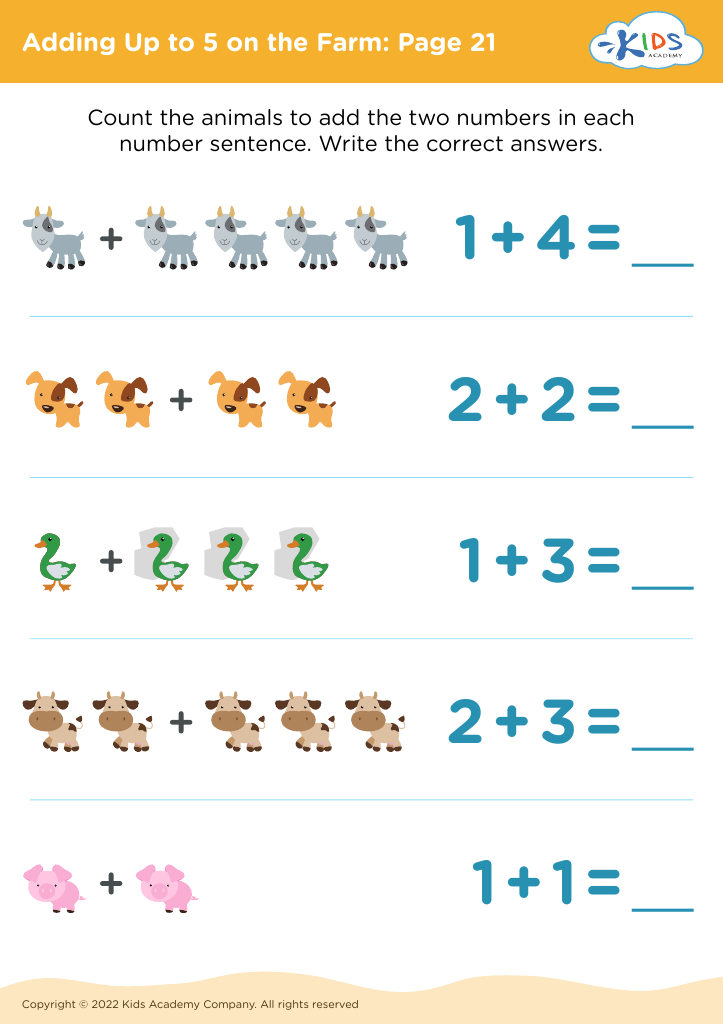
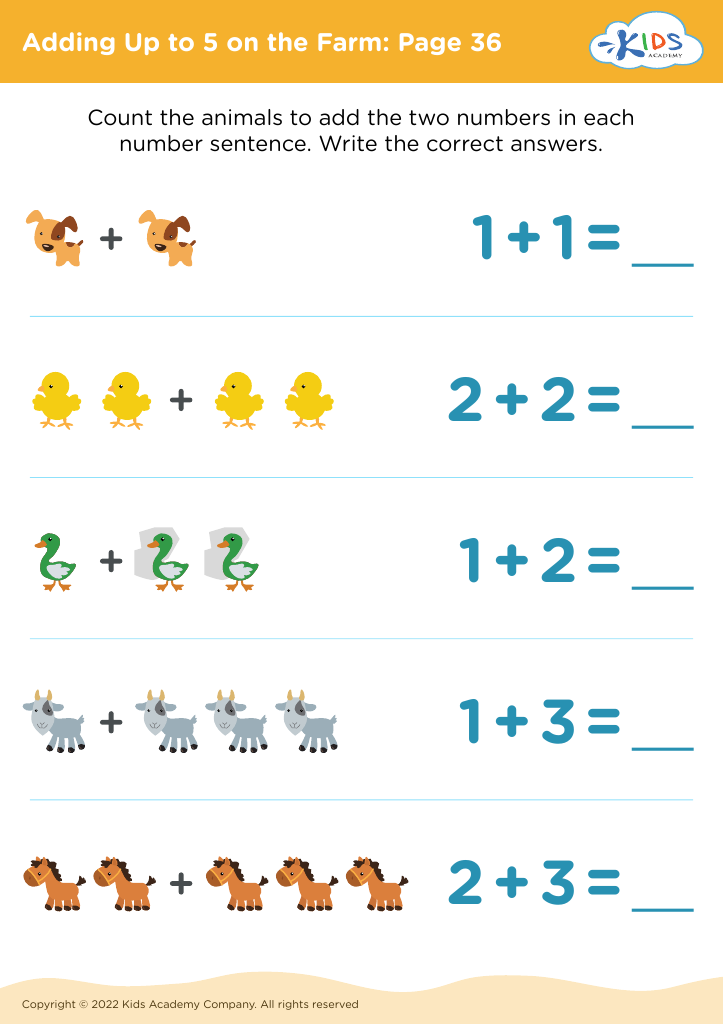
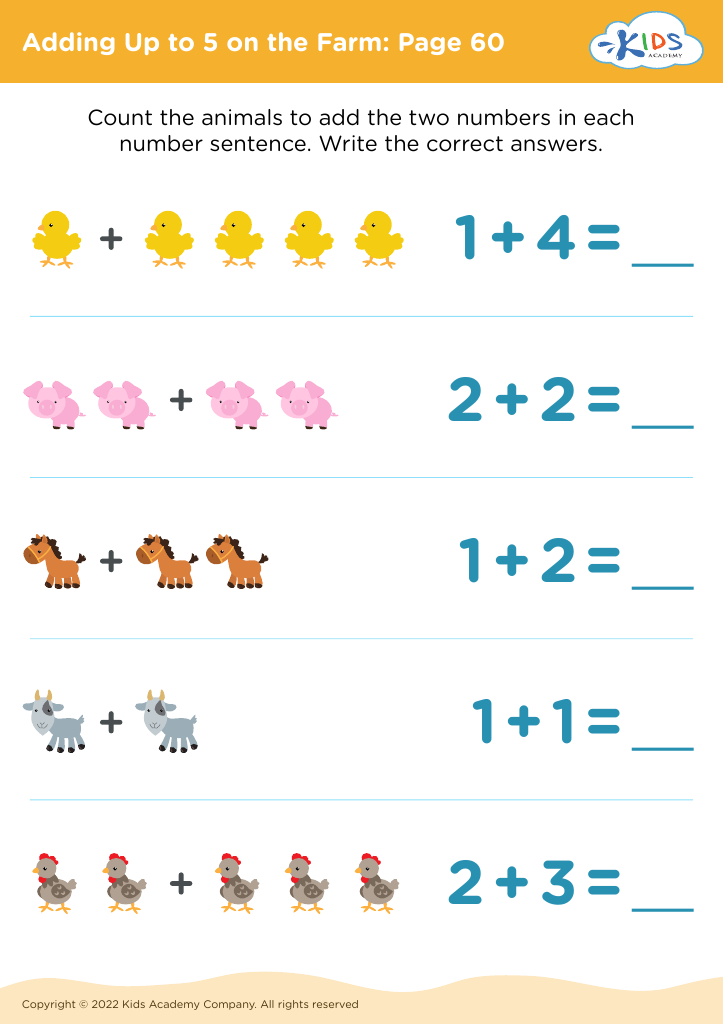
Explore our engaging Counting Objects Worksheets designed for children ages 3-4! These beautifully illustrated worksheets offer a fun way for young learners to enhance their counting skills through interactive activities. Each worksheet encourages kids to identify and count various everyday objects, fostering numerical recognition and fine motor skills. Perfect for preschoolers, our counting exercises combine play with learning, making them an ideal resource for teachers and parents alike. Utilize these printable worksheets to support your child’s early math development while keeping them entertained. Start your little one's counting journey today and watch their confidence grow with every number!
Favorites
With answer key
Interactive
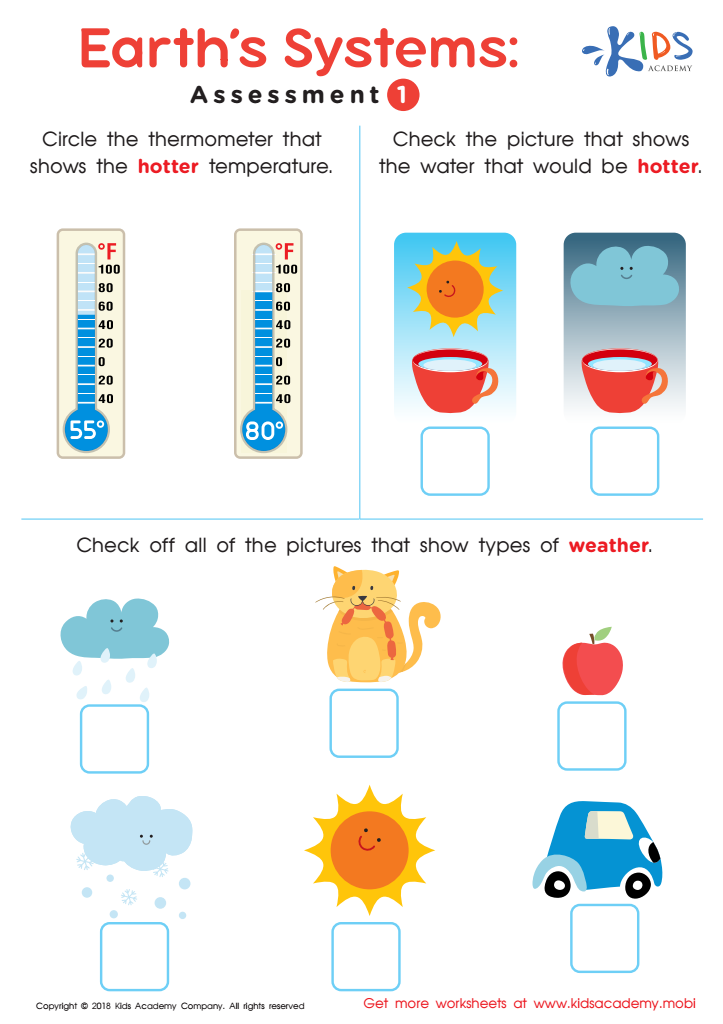
Earth's Systems: Assessment 1
Check your child's knowledge of weather basics with this quick printable worksheet! Using colorful pictures, instruct them to determine which thermometer shows a hotter reading and if water would be warmer in the sun or under clouds. Encourage kids to identify types of weather on the bottom of the page. Assess their readiness to move on!
 Assign to My Students
Earth's Systems: Assessment 1
Worksheet
Join Kids Academy for Free
Who is primarily going to use this learning content?








Counting objects is a fundamental early math skill that lays the groundwork for a child's cognitive development. For children aged 3 to 4, engaging in counting activities promotes not only numeracy but also critical thinking and problem-solving skills. When parents and teachers focus on counting objects, they help children develop an understanding of quantity, one-to-one correspondence, and the relationship between numbers and their representations.
Additionally, counting activities enhance fine motor skills as children manipulate objects such as blocks, beads, or toys. This tactile experience supports brain development through sensory engagement. Counting also fosters language skills, as children learn to verbalize numbers and engage in conversations about size, quantity, and comparison.
Incorporating counting into daily routines—like counting snacks, steps, or toys—makes learning enjoyable and relevant. It encourages curiosity and exploration, making math a natural part of children's lives rather than a daunting subject later on. Ultimately, early exposure to counting and numeracy primes children for later academic success and builds a strong, positive relationship with math, empowering them to tackle more complex mathematical concepts in the future. Parents and teachers play a vital role in nurturing this foundational skill and fostering a love of learning.








