Developing Concentration Worksheets for Ages 3-4
6 filtered results
-
From - To
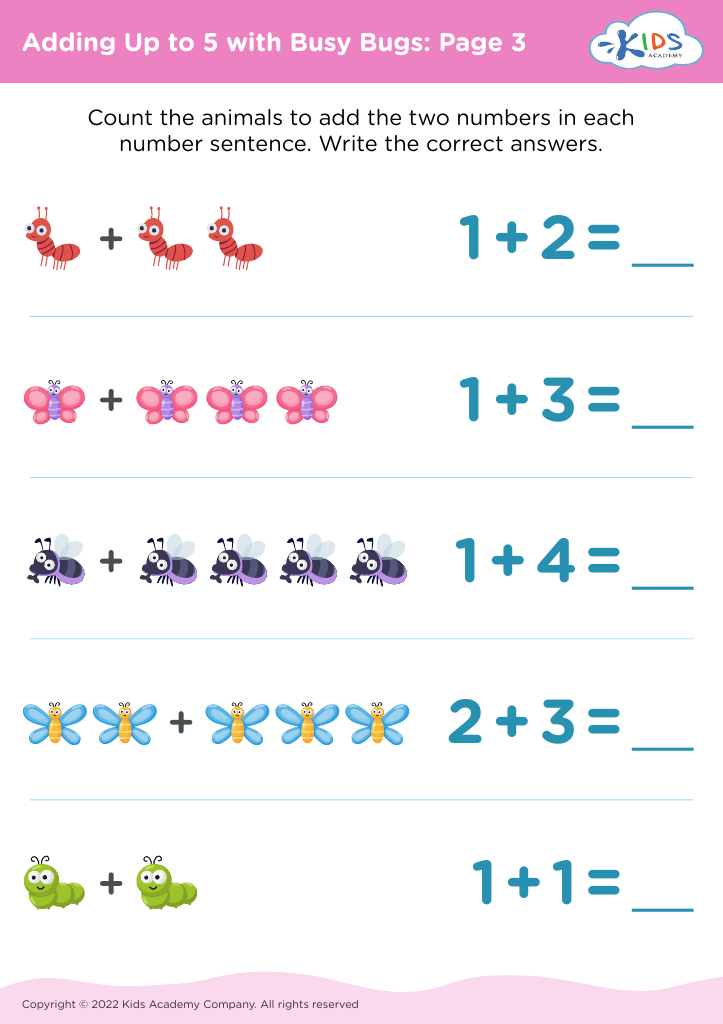
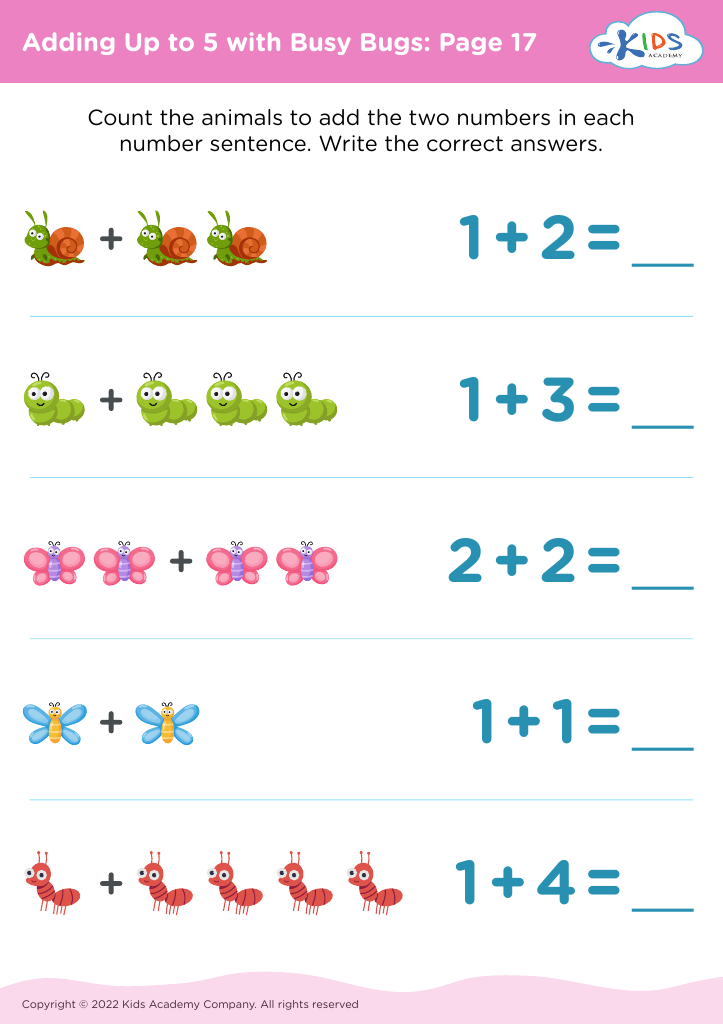
Welcome to our "Developing Concentration Worksheets for Ages 3-4" section! These engaging and carefully crafted worksheets are designed to enhance focus and attention in young learners. Ideal for preschool and kindergarten settings, our activities feature colorful images and fun themes that captivate children's interest while promoting cognitive skills. By challenging children to follow instructions, complete patterns, and solve puzzles, these worksheets foster essential concentration abilities. Perfect for at-home learning or classroom use, they aim to support early childhood development by making learning enjoyable and effective. Explore our collection today and watch your little ones thrive through concentration-centered play!
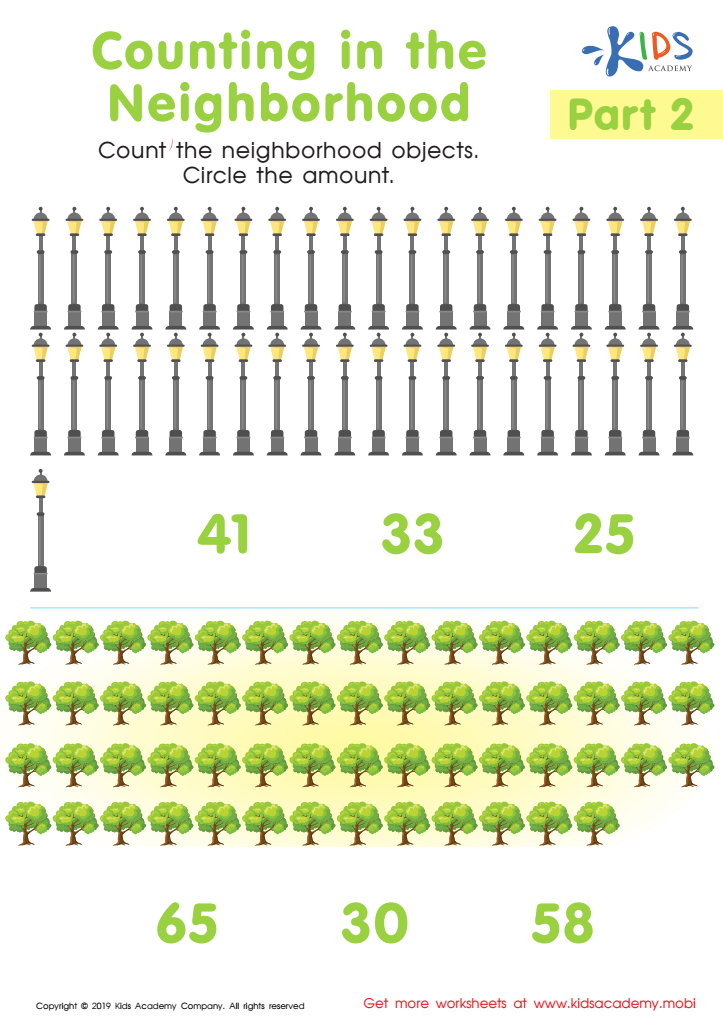
Counting In The Neighborhood Part 2 Worksheet
 Assign to My Students
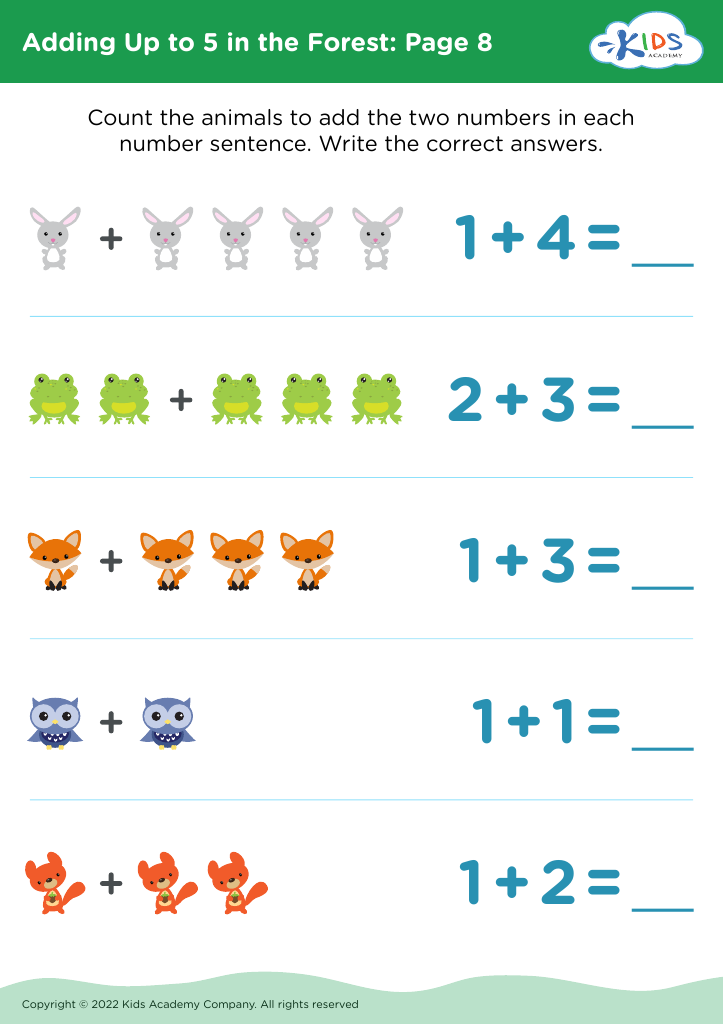
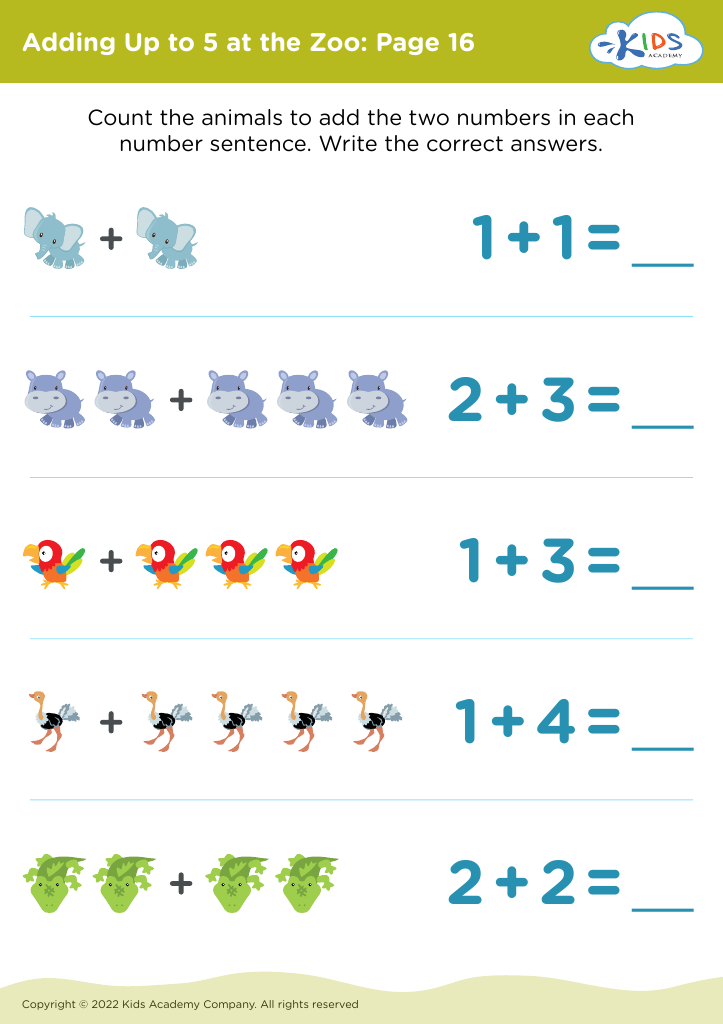
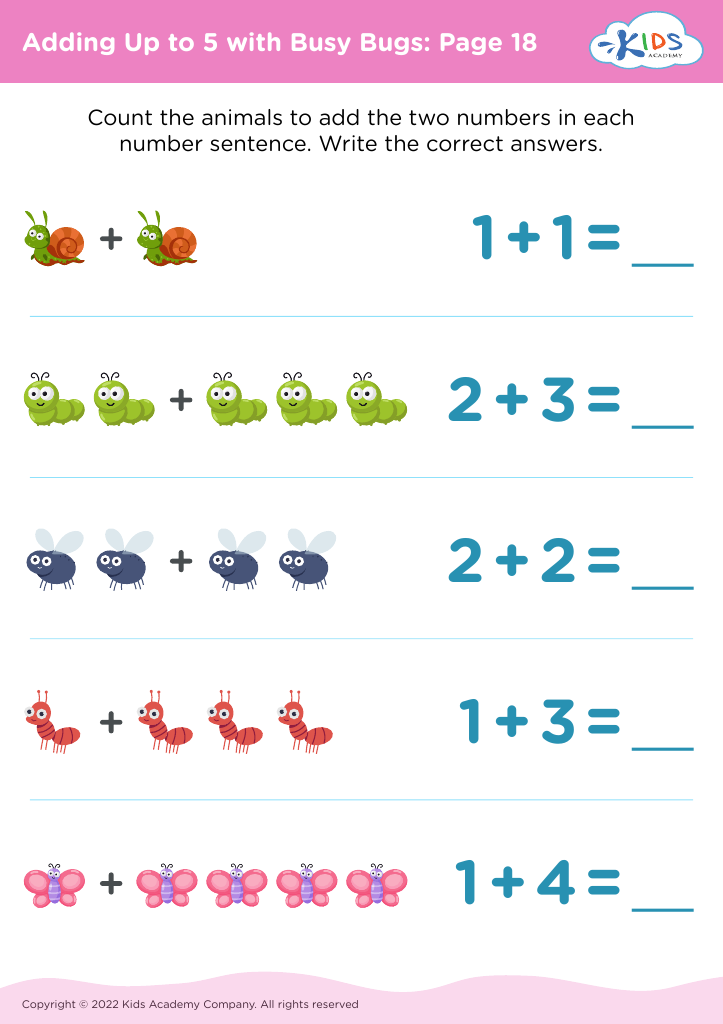


.jpg)





Developing concentration in preschool-aged children (ages 3-4) is crucial for several reasons. At this stage of early cognitive development, children are rapidly building the foundational skills necessary for future learning. Concentration enables them to focus on tasks, complete activities, and engage meaningfully with their environment, laying the groundwork for academic and social success.
By nurturing concentration, parents and teachers can foster a child's ability to follow instructions, listen attentively, and participate in group activities, which are essential for cooperative learning in classroom settings. Additionally, sharp concentration skills contribute to improved problem-solving abilities, as children learn to analyze information and make decisions effectively.
Parents and teachers also play a pivotal role in guiding children through distractions common in their everyday lives. Developing this ability helps children to cope with challenges and enhances their resilience in the face of difficulties. Engaging children in activities that encourage focus—like puzzles, storytelling, or art projects—supports emotional regulation and promotes a sense of achievement when they complete tasks. Ultimately, investing in concentration development not only equips children with critical learning skills but also boosts their self-esteem and fosters a lifelong love for learning.








