Differentiating shapes Worksheets for Ages 3-4
4 filtered results
-
From - To
Discover our engaging Differentiating Shapes Worksheets designed specifically for children ages 3-4! These interactive activities help young learners identify and differentiate between various shapes in a fun and engaging way. Through colorful illustrations and simple exercises, children will develop their shape recognition skills, improve visual perception, and enhance critical thinking abilities. Our worksheets promote independent learning and can be easily integrated into home learning or classroom settings. Explore the joy of shape learning with our thoughtfully crafted materials that are perfect for young minds ready to embark on their educational journey. Download and inspire your child's shape recognition today!
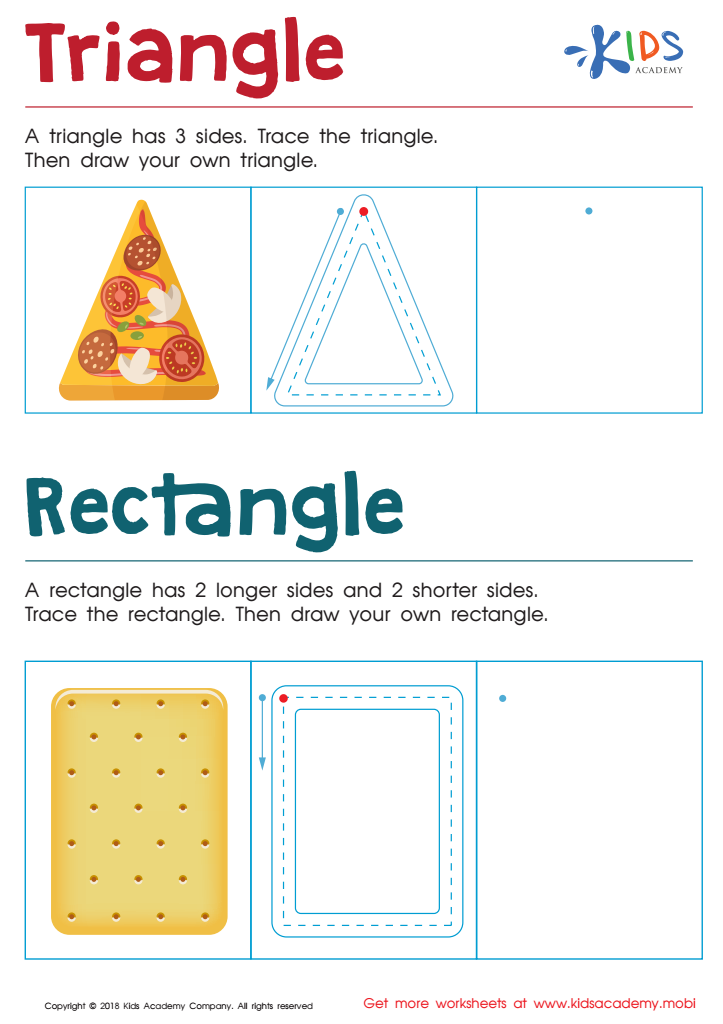
Triangle Rectangle Worksheet
 Assign to My Students
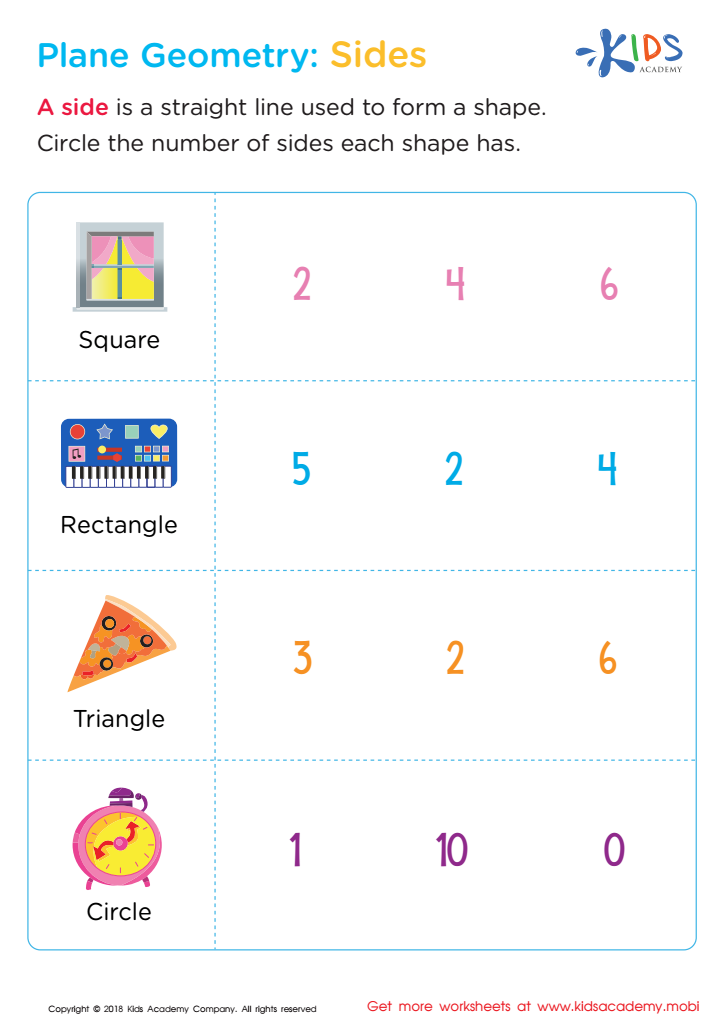
Plane Geometry: Sides Worksheet
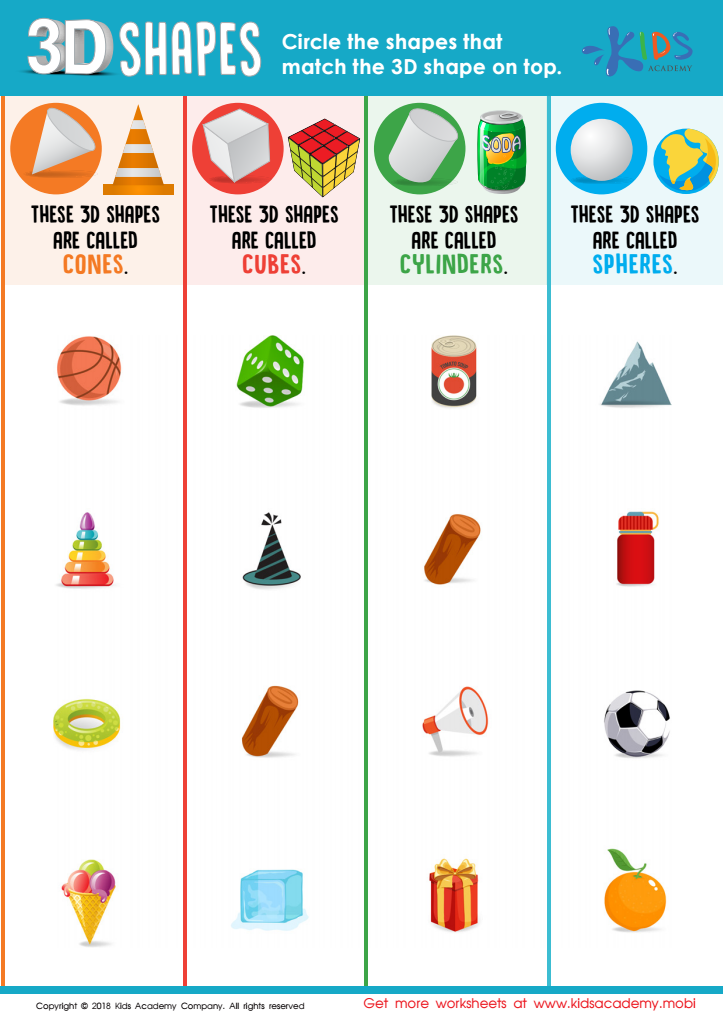
3D Shapes Worksheet
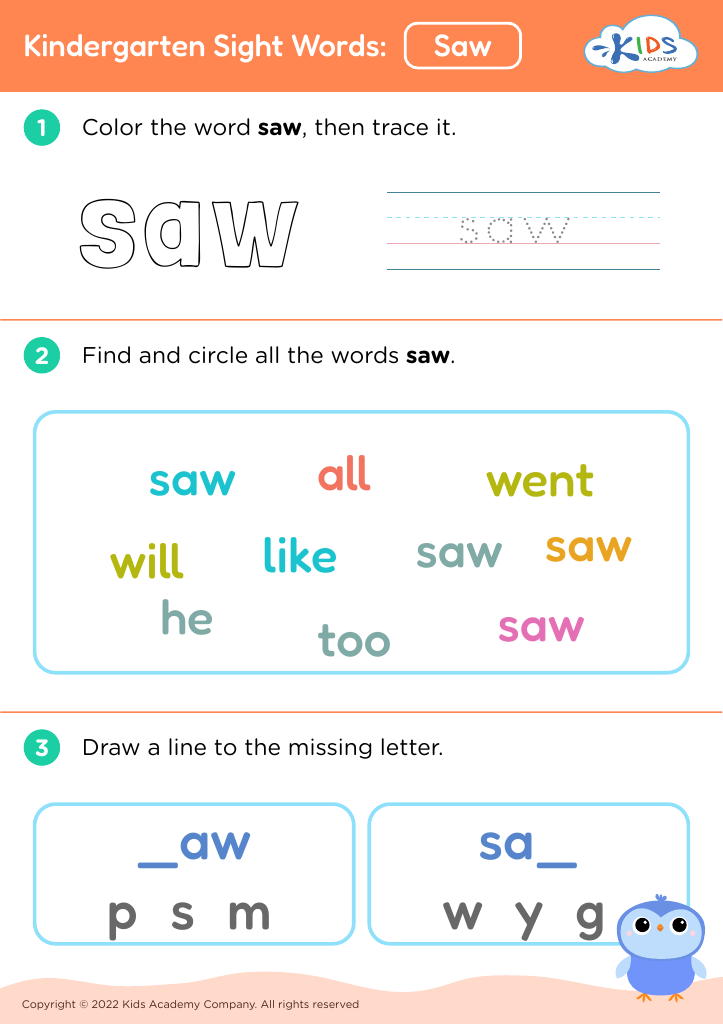








Differentiating shapes for ages 3-4 is crucial for early childhood development, and both parents and teachers should care about it for several reasons. At this age, children are highly receptive to learning through play and exploration. Recognizing and differentiating shapes enhances their cognitive development, as it encourages critical thinking and problem-solving skills. By learning shapes, children begin to understand the world around them; shapes appear in everyday objects, making this knowledge practical and relevant.
Moreover, differentiating shapes lays the foundation for future math skills. Recognizing patterns and relationships between shapes prepares children for more advanced concepts in geometry and mathematics later on. It also promotes fine motor skills and spatial awareness as children engage with various materials, such as blocks or puzzles.
Additionally, learning about shapes can boost a child's communication skills. They learn to describe shapes using appropriate vocabulary, which aids in their overall language development. For parents and teachers, fostering shape awareness creates opportunities for interactive and engaging learning experiences. Overall, prioritizing differentiation of shapes at this young age can significantly impact a child’s readiness for school and lifelong learning skills.








