Fine motor skills (drawing) Worksheets for Ages 3-4
6 filtered results
-
From - To
Enhance your child's fine motor skills with our engaging and educational drawing worksheets for ages 3-4. These activities are specifically designed to improve hand-eye coordination, pencil control, and creativity through fun challenges. Each worksheet provides age-appropriate tasks, from tracing shapes to completing pictures, promoting the development of essential skills for early learning milestones. Perfect for both classroom and home use, our Fine Motor Skills (Drawing) Worksheets are a delightful way to foster your little one’s growth while keeping them entertained and motivated. Download now and watch their skills flourish!
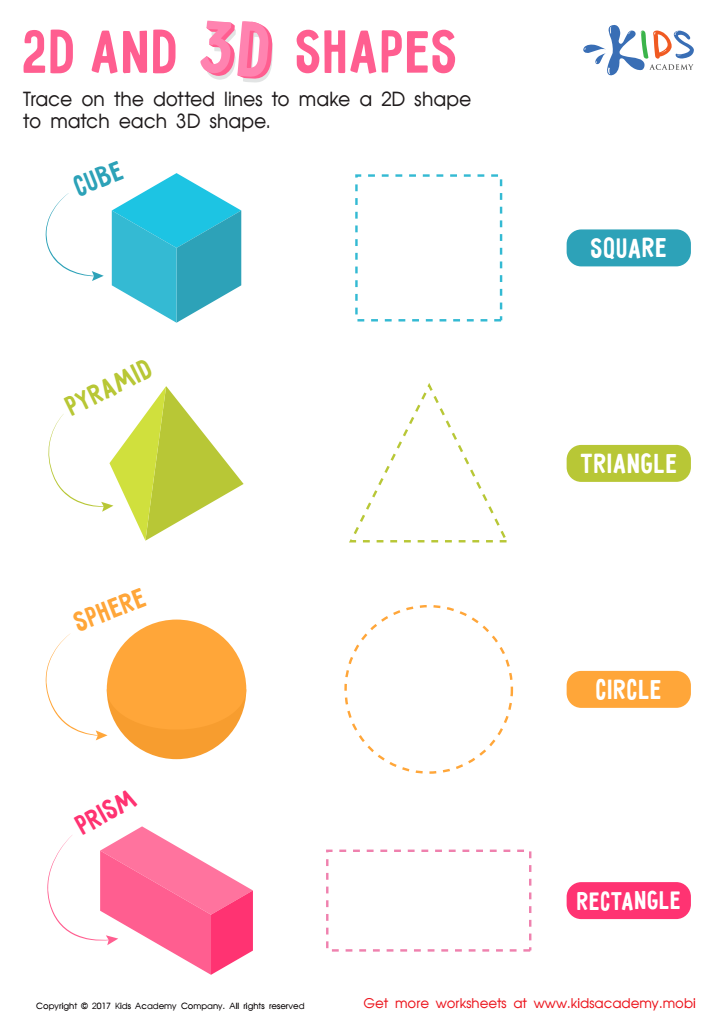
2D and 3D Shapes Worksheet
 Assign to My Students
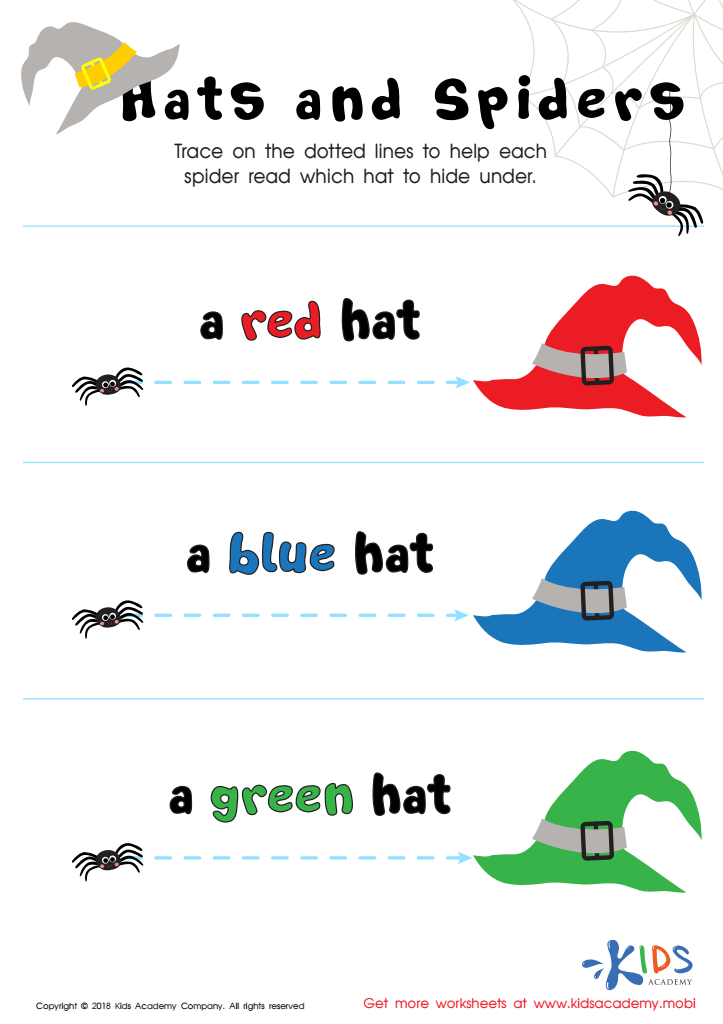
Read from Left to Right: Hats and Spiders Worksheet
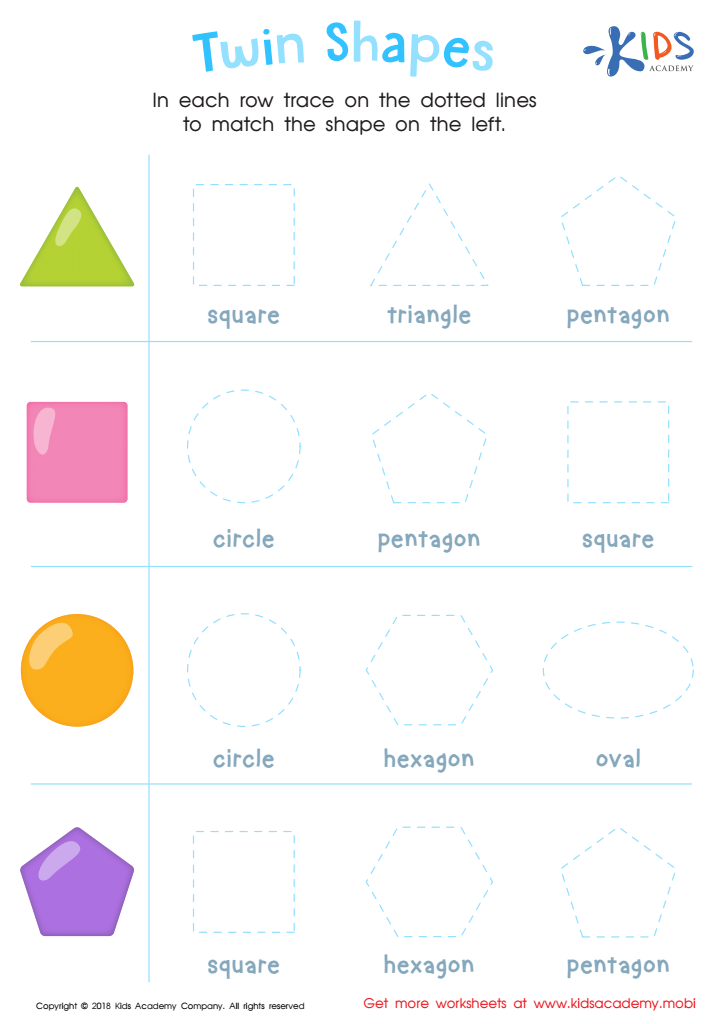
Twin Shapes Dot-to-Dot Worksheet
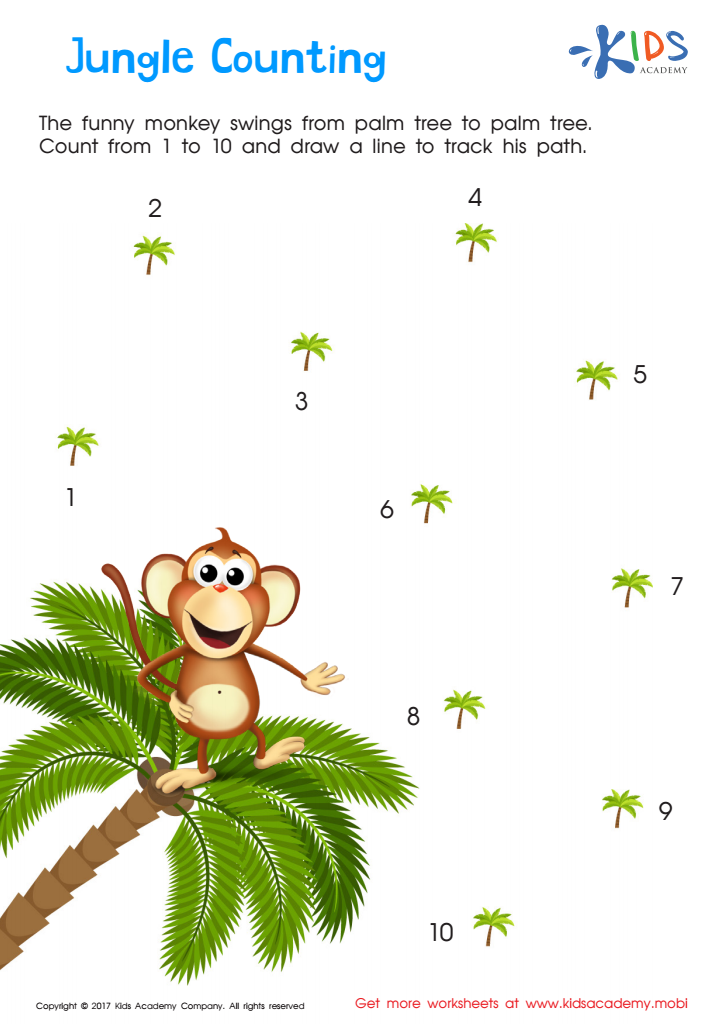
Jungle Counting Connect Dots Worksheet
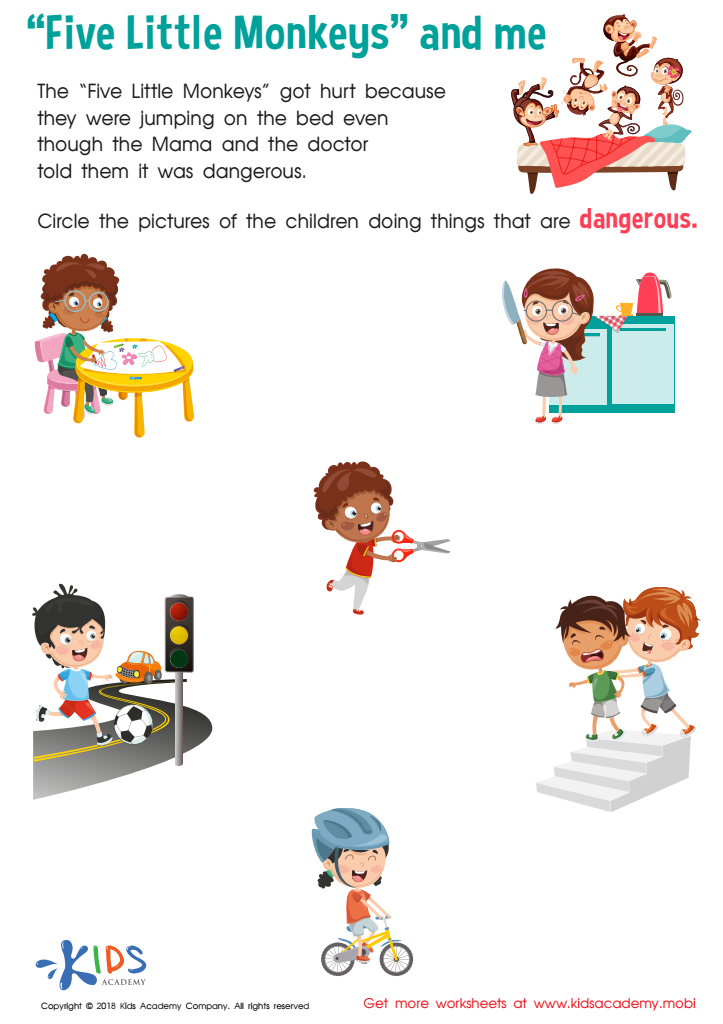
Five Little Monkeys and Me Worksheet







Developing fine motor skills in children aged 3-4 is essential for their overall growth and daily functioning. Fine motor skills involve the coordination of small muscles, specifically in the hands and fingers, which are crucial for performing everyday tasks such as writing, buttoning clothes, and using utensils.
One of the primary activities that foster fine motor development is drawing. When children engage in drawing, they practice gripping and manipulating writing tools like crayons and markers. This activity strengthens the small muscles in their hands and enhances hand-eye coordination. Moreover, drawing encourages cognitive development by allowing children to focus, plan, and express their thoughts and creativity on paper.
For parents and teachers, supporting fine motor skills not only helps with immediate tasks but also sets the foundation for future academic success. Children who lack these skills may struggle with writing and other classroom activities as they progress in school. Encouraging drawing and other activities like playing with clay, cutting with scissors, and beading can make a significant difference.
In summary, fine motor skills are the building blocks for many essential daily activities and intellectual growth. Understanding their importance and promoting activities that enhance these skills, like drawing, can greatly influence a child's academic and personal development.








