Fine motor skills (writing numbers) Worksheets for Ages 3-4
15 filtered results
-
From - To
Unlock the potential of your little learner with our Fine Motor Skills (Writing Numbers) worksheets specifically designed for ages 3-4! These engaging, age-appropriate printables help young children develop crucial fine motor skills while introducing them to the basics of number writing. Each worksheet is crafted to support hand-eye coordination, pencil grip, and precision, ensuring a solid foundation for future writing tasks. Bursting with fun activities and colorful illustrations, our worksheets make learning an enjoyable experience, setting the stage for academic success. Download now and give your child the head start they deserve in mastering early math skills!
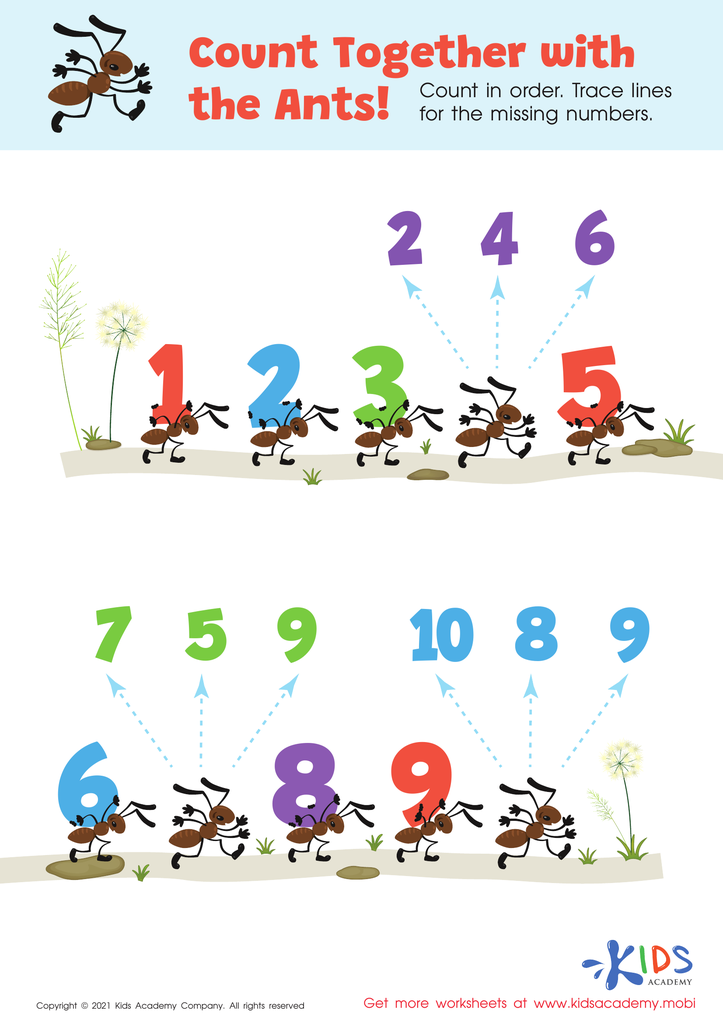
Count Together with the Ants Worksheet
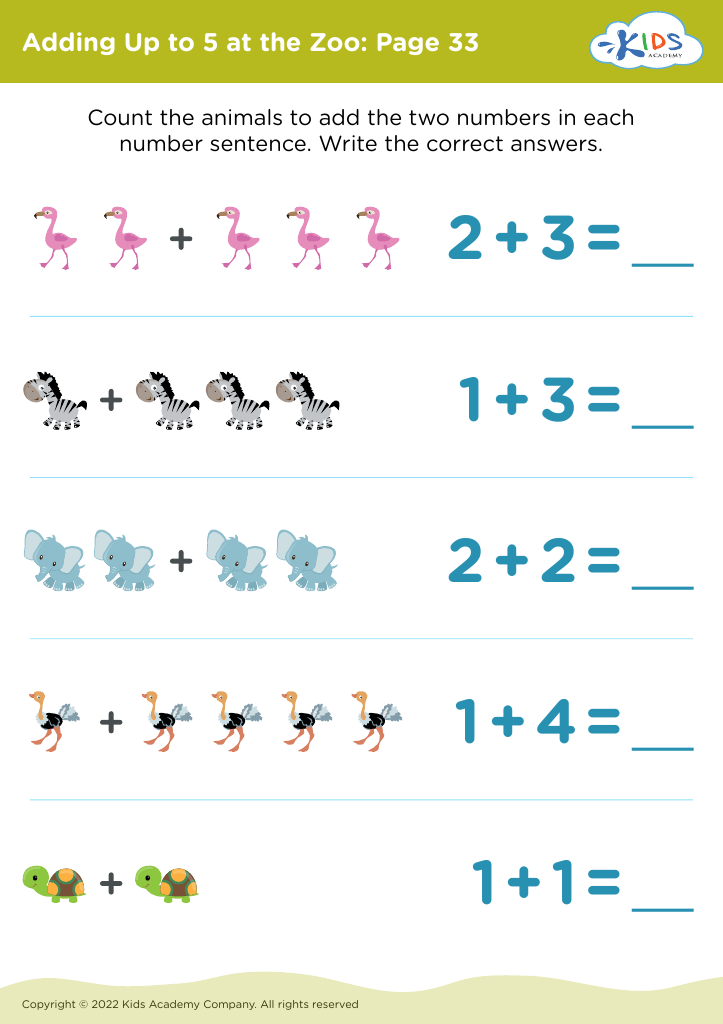
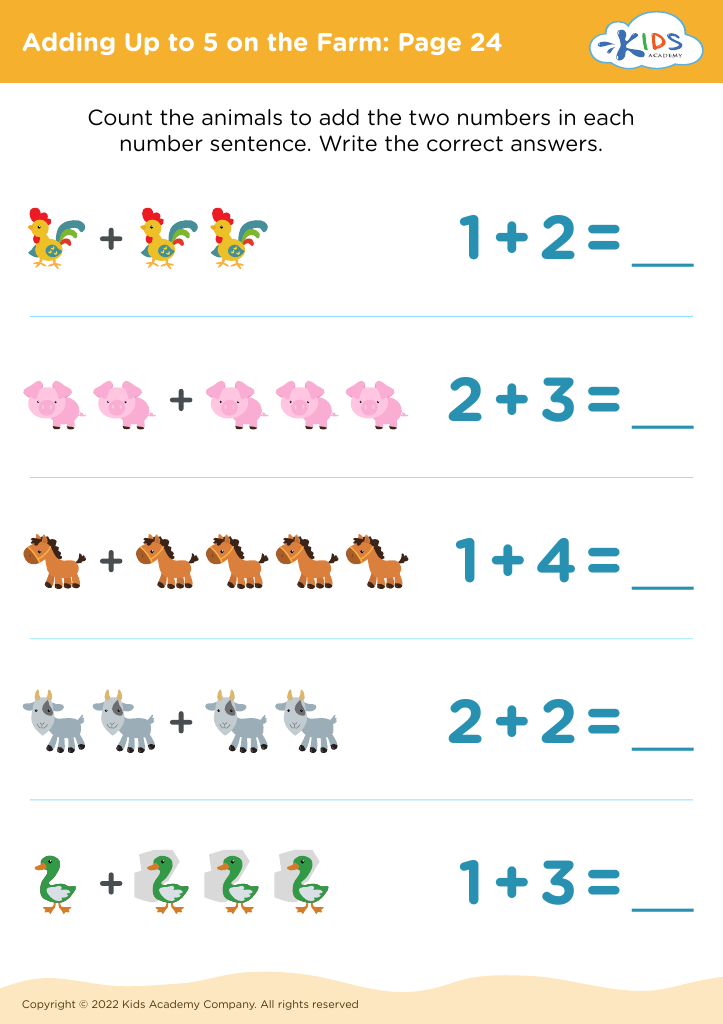
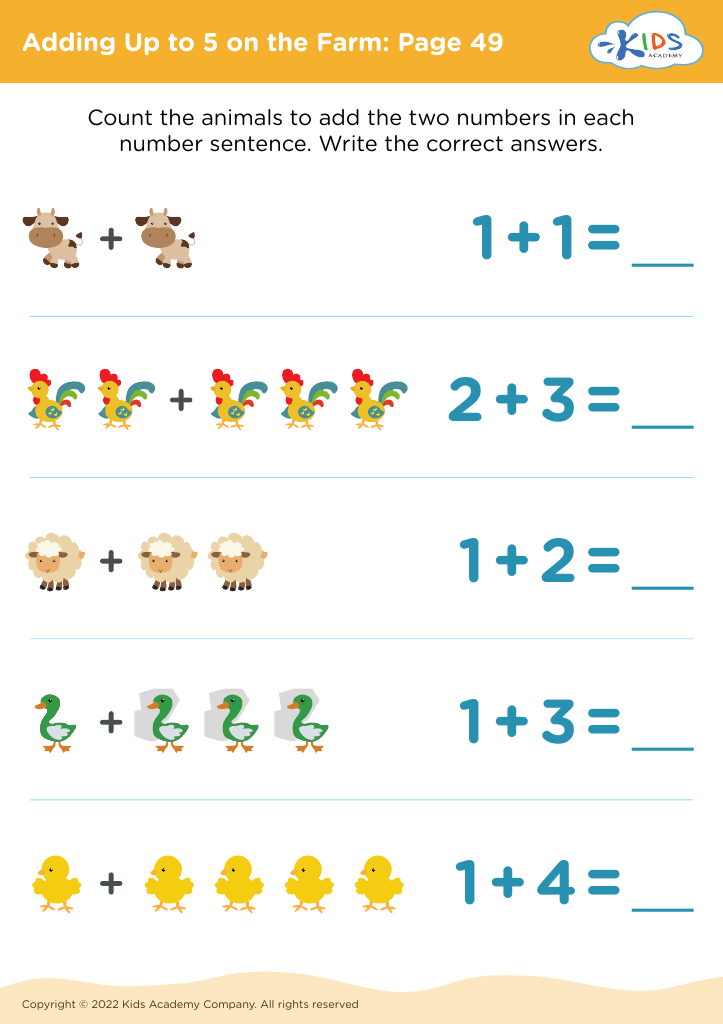

Finding 4 in the Forest Worksheet
 Assign to My Students





.jpg)


Fine motor skills are crucial for children ages 3-4 as they form the foundation for many essential tasks, such as writing numbers. Developing these skills involves the coordination of small muscles, particularly in the hands and fingers, and teaches children precision and control. When children practice writing numbers, they build strength and dexterity, which are essential for future handwriting abilities and academic success.
Fostering fine motor skills enhances a child’s ability to perform everyday activities, from using utensils to fastening buttons. These tasks promote independence and self-confidence. Furthermore, engaging in writing numbers supports cognitive development; children learn about symbols, quantitative concepts, and develop their logic and sequencing abilities.
Effective fine motor skill development also benefits children’s readiness for school. Proficient writing enables them to participate fully in classroom activities, complete assignments more easily, and reduces frustration associated with fine motor challenges. Additionally, these skills enrich their capability to engage in art, puzzles, and play, which further stimulate brain development.
Parents and teachers who prioritize fine motor skill activities, such as writing numbers, provide children with significant advantages. This foundational skill set not only aids in academic contexts but also encourages overall development, ensuring children feel competent in a range of personal and educational settings.








