Fraction simplification Worksheets for Ages 3-4
5 filtered results
-
From - To
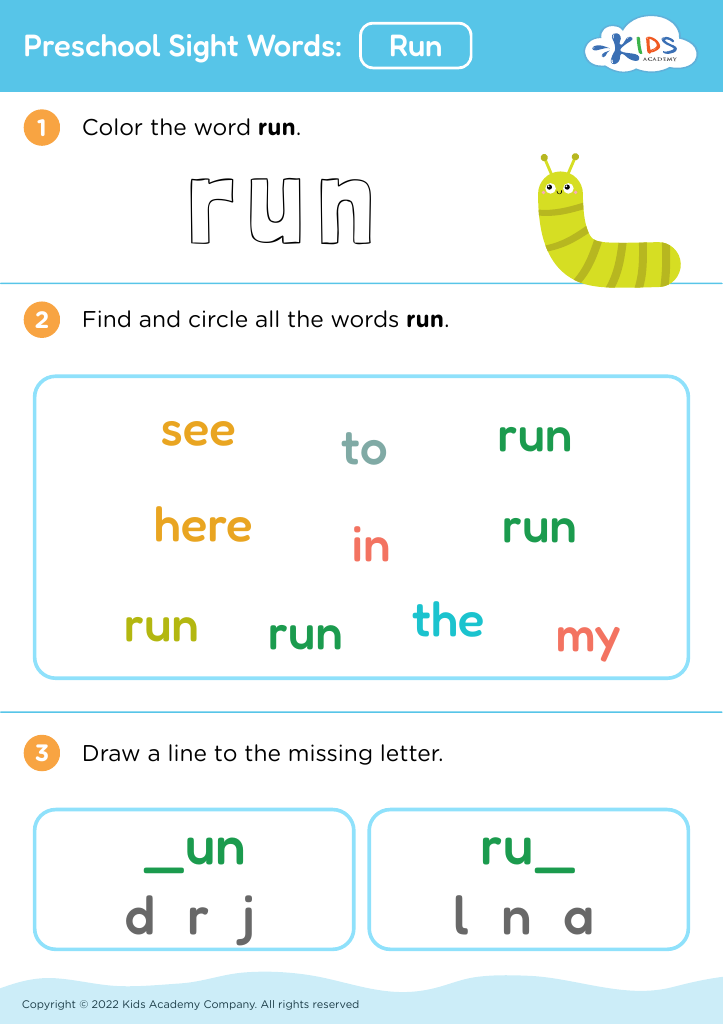
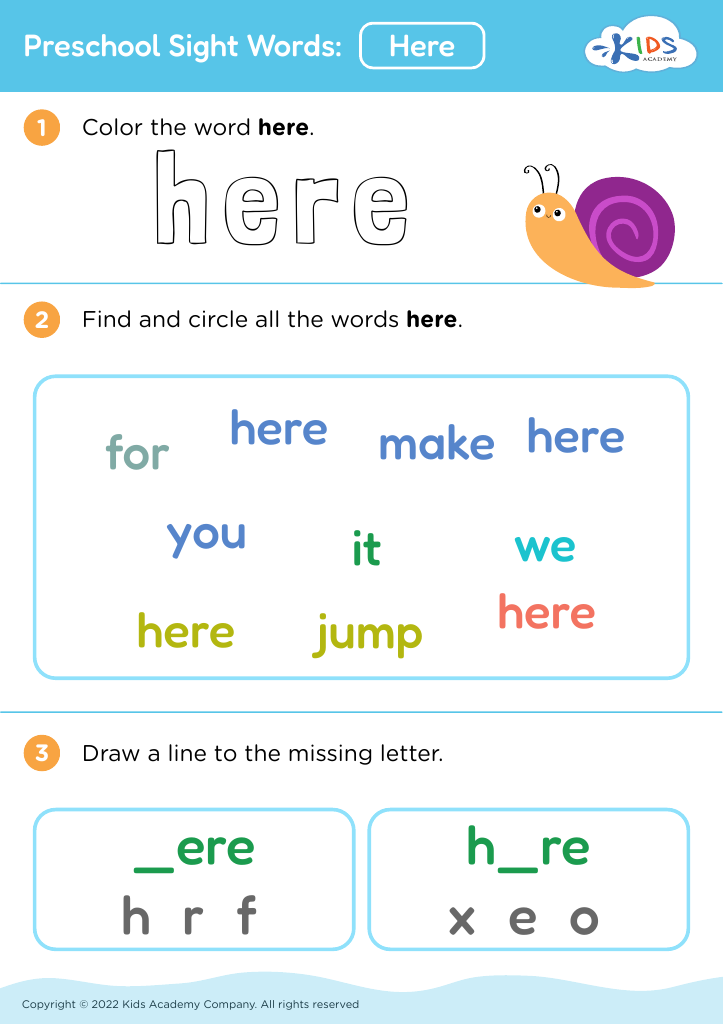
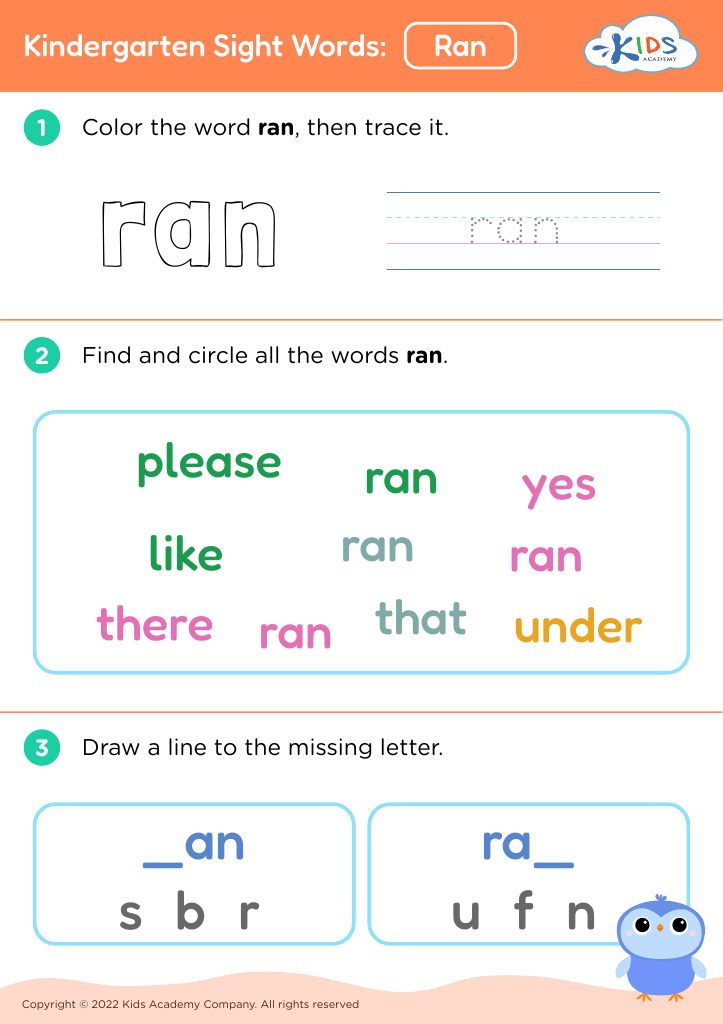
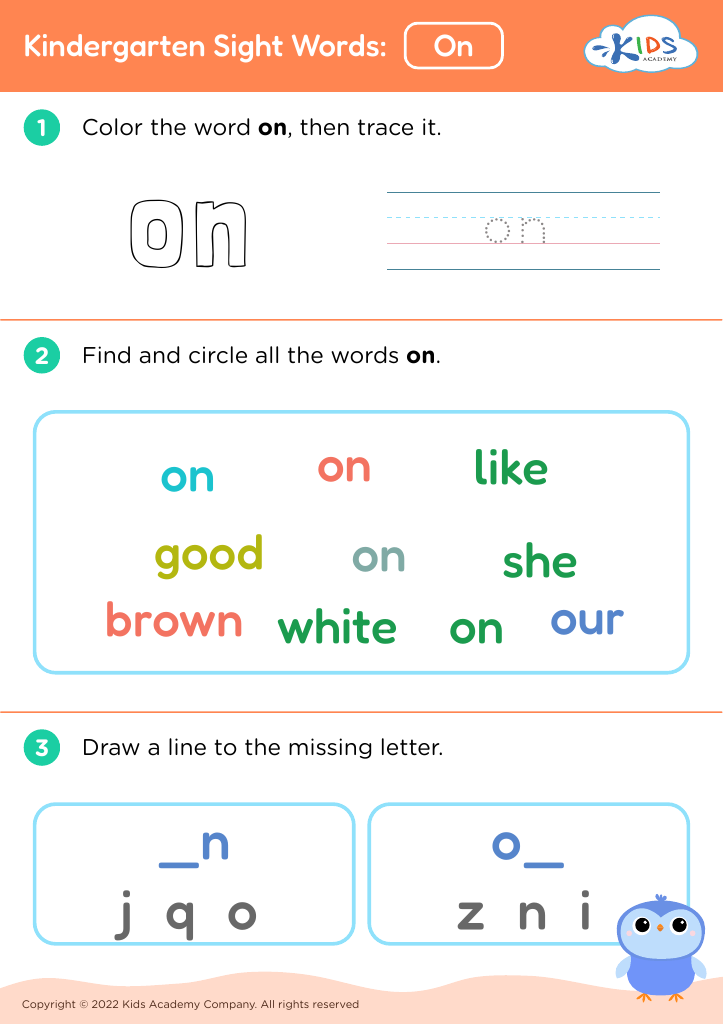
Discover our engaging Fraction Simplification Worksheets designed specifically for ages 3-4! These worksheets provide a fun and interactive way to introduce young learners to basic fraction concepts. Equipped with colorful images and simple exercises, toddlers will enjoy exploring fractions through hands-on activities that stimulate their mathematical thinking. Each worksheet encourages children to recognize and simplify fractions, laying a strong foundation for future math skills. Ideal for home or classroom learning, our worksheets help promote problem-solving, critical thinking, and cognitive development in early learners. Start your child’s journey to mastering fractions with our delightful, age-appropriate resources today!





.jpg)


Introducing fraction simplification to young children, specifically those aged 3-4, might seem advanced, but it lays a foundation for critical mathematical understanding. At this age, children are naturally curious and open to exploring concepts related to quantities and sharing. Teaching them about fractions, even in a simplified manner, helps develop their number sense and introduces them to the idea of parts of a whole.
Engaging children in activities that involve dividing objects—like cutting fruit or sharing toys—provides a practical context for understanding fractions visually and tangibly. These early experiences contribute significantly to their ability to grasp more complex math topics later on. Speaking about fractions, even in simple terms, encourages language development and vocabulary enhancement as kids learn words like "half," "quarter," and "whole."
Moreover, introducing simplification concepts by using games or playful interactions fosters a positive attitude towards math. It can remove fear or anxiety surrounding numbers and instead cultivate enthusiasm. By investing effort in teaching fraction simplification through engaging methods, parents and teachers are not only enriching children’s learning experiences but also nurturing foundational skills that support future academic success. This proactive approach reinforces logical thinking and problem-solving abilities in everyday life.








