History knowledge Worksheets for Ages 3-4
4 filtered results
-
From - To
Explore our engaging History Knowledge Worksheets designed specifically for children aged 3-4! These fun and interactive resources introduce young learners to foundational historical concepts through colorful illustrations and age-appropriate activities. Each worksheet encourages curiosity about the past, helping little ones make connections to their own lives. With topics like famous figures, significant events, and cultural traditions, these worksheets promote critical thinking and early literacy skills. Perfect for home or preschool settings, our materials aim to nurture a love for history while supporting developmental milestones. Discover the joy of learning together with our delightful collection!
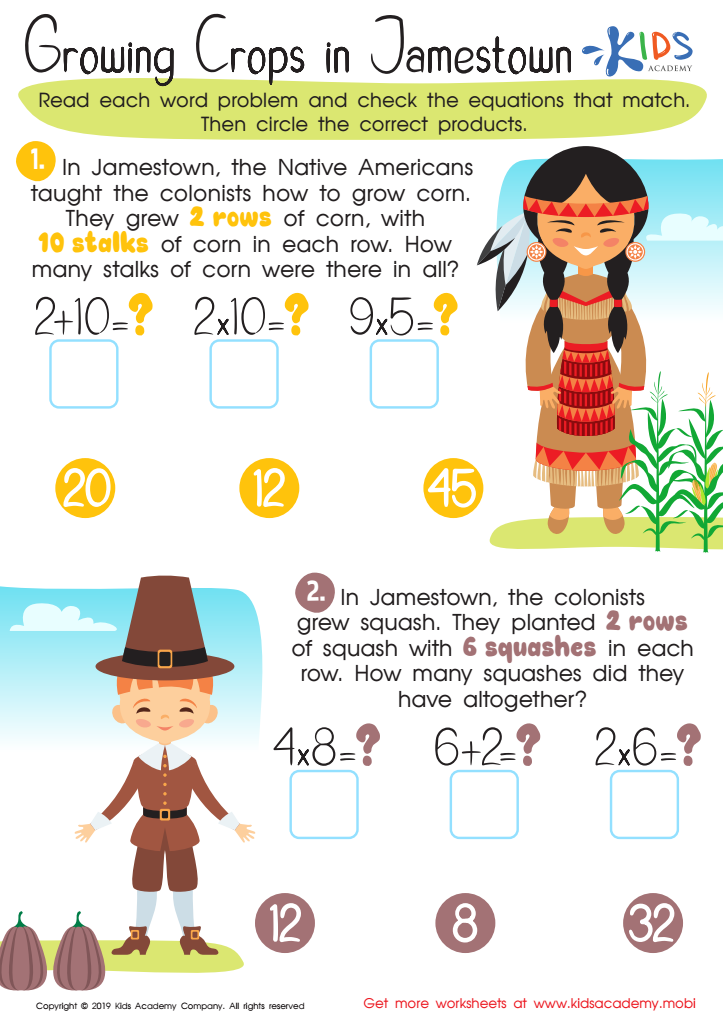
Growing Jamestown Worksheet
 Assign to My Students
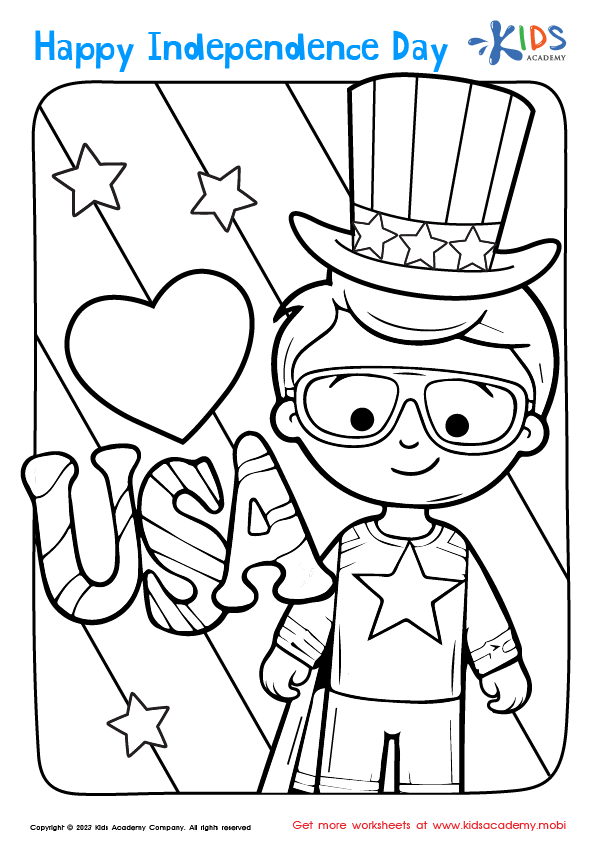
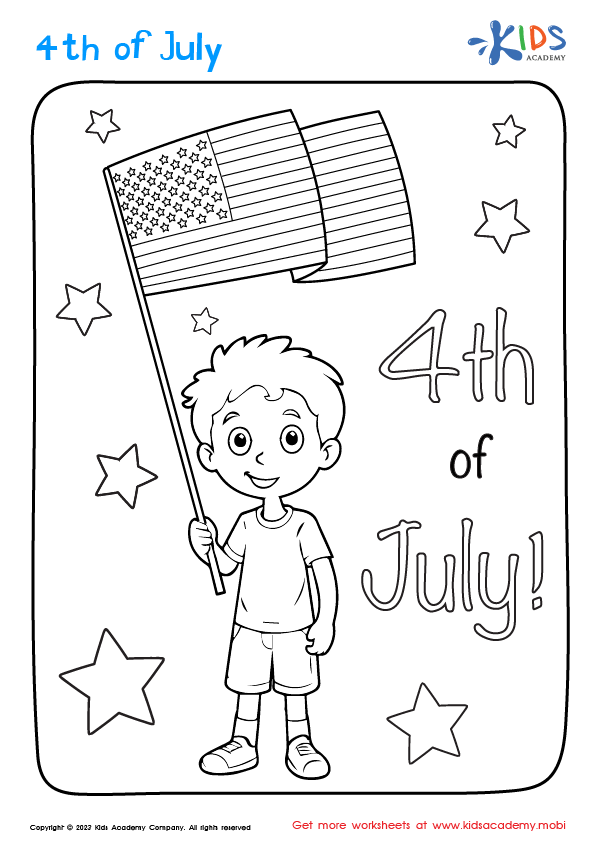



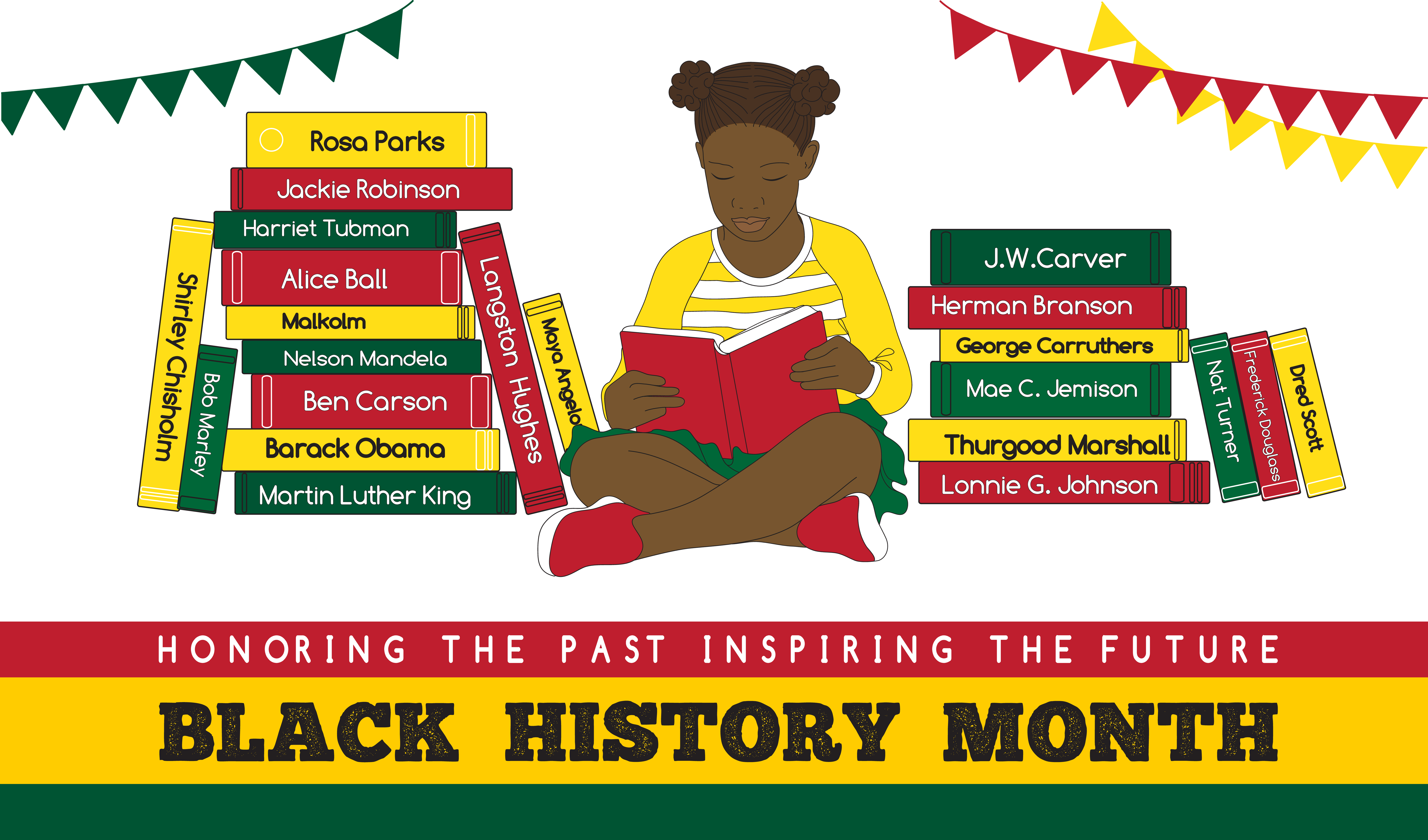



Understanding history is vital for young children, as it lays the foundation for their cultural identity, critical thinking, and social awareness. For children ages 3-4, early exposure to historical concepts, even in simple terms, helps them make sense of the world around them. It connects them to their heritage, enriches their understanding of relationships, and fosters a sense of belonging.
Storytelling is an engaging way to introduce historical figures and events, even at this early age. Parents and teachers can share tales about important people, celebrations, and traditions, which helps develop language skills and vocabulary. These activities also encourage curiosity and inspire questions, promoting critical thinking.
Moreover, by teaching young children about different cultures and histories, we nurture empathy and an appreciation for diversity, thus fostering a more inclusive mindset. It guides them in recognizing the importance of teamwork, solutions to challenges faced in the past, and the values of respect and responsibility.
Incorporating history into early education doesn’t need to be formal; it can occur in everyday conversations, storytelling, and role-play. This early investment in historical knowledge equips children with the perspective needed to engage thoughtfully with their world in the future.








