Logical thinking development Worksheets for Ages 3-4
11 filtered results
-
From - To
Discover our engaging Logical Thinking Development Worksheets designed specifically for children ages 3-4. These thoughtfully crafted activities aim to enhance problem-solving abilities and critical thinking skills through fun and interactive exercises. Each worksheet encourages young learners to recognize patterns, categorize objects, and make connections, laying a strong foundation for future learning. Ideal for preschool and kindergarten settings, our resources inspire curiosity and creativity while promoting early cognitive development. Explore our variety of themes and activities to keep your little ones entertained while they master essential logical thinking skills! Jumpstart your child's learning journey today with our delightful worksheets!
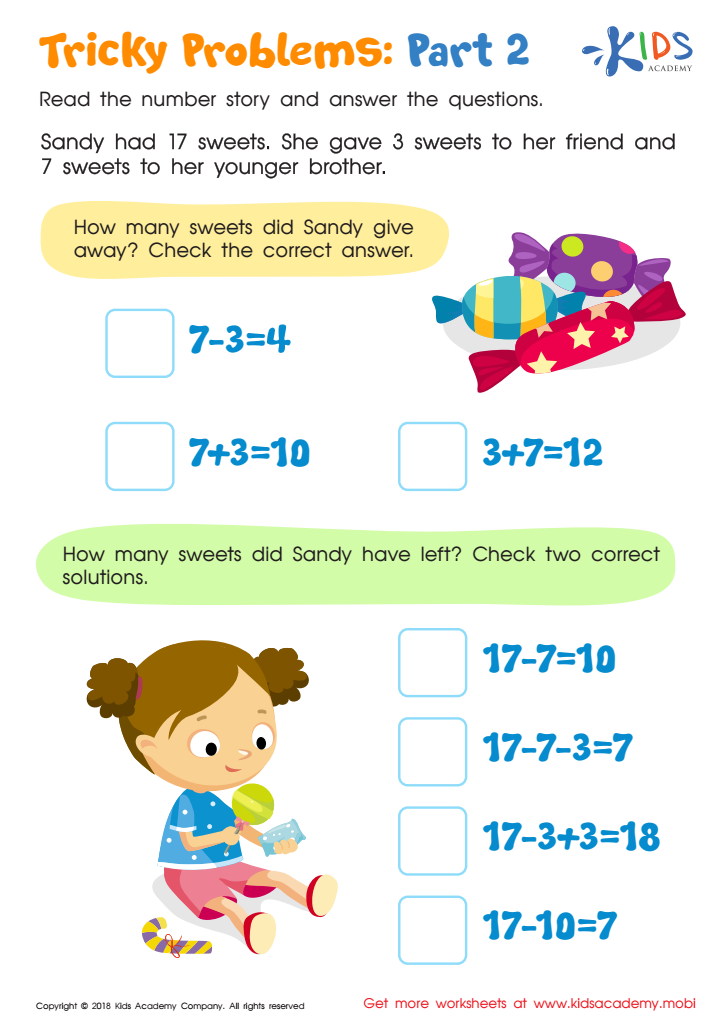
Tricky Problems Worksheet: Part 2
 Assign to My Students
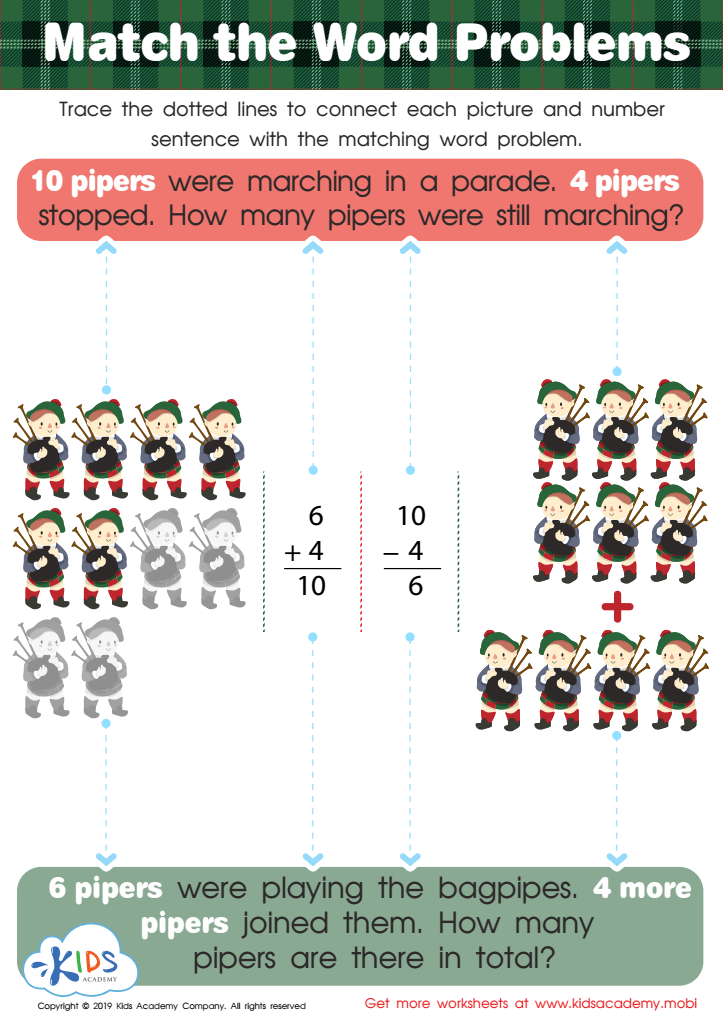
Match the Word Problems Worksheet
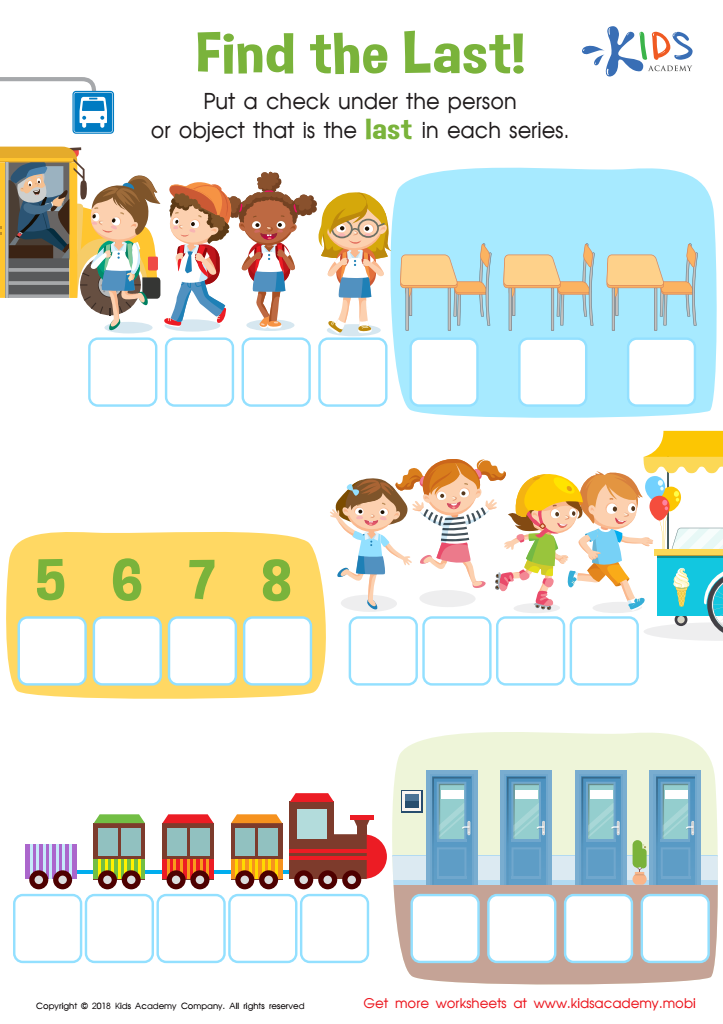
Find the Last! Worksheet
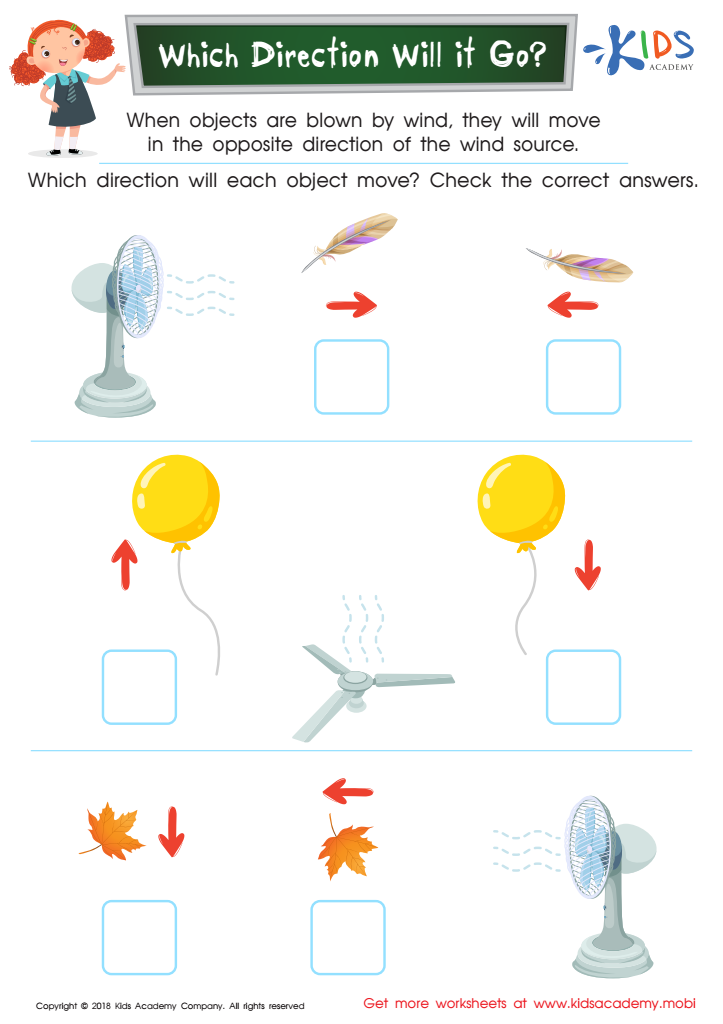
Which Direction Will it Go? Worksheet
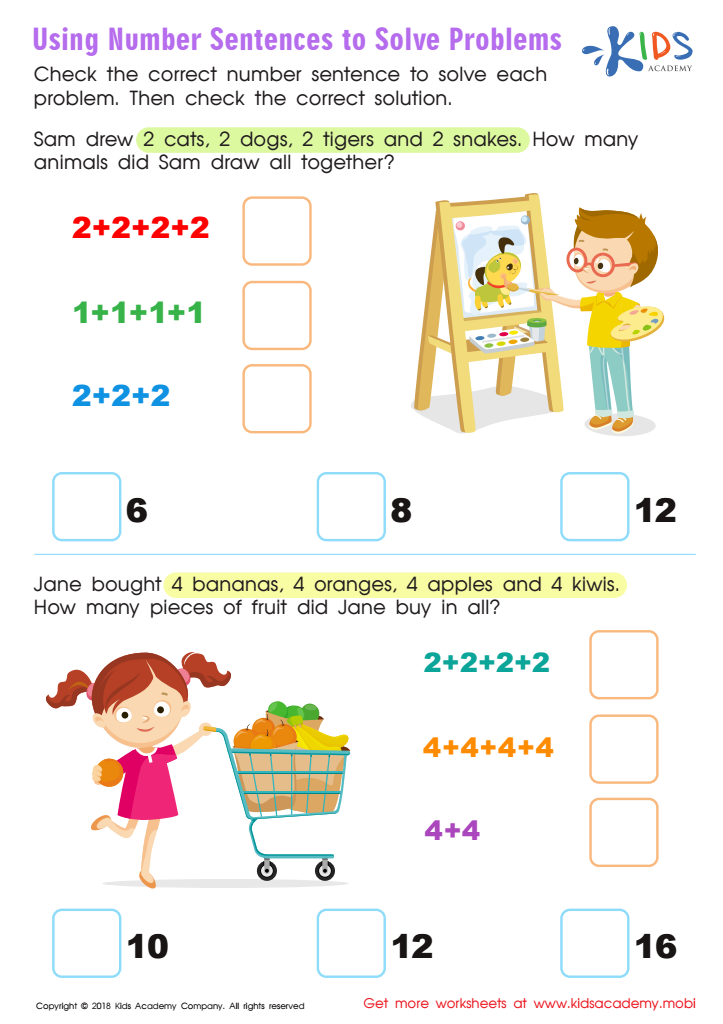
Using Number Sentences to Solve Problems Worksheet
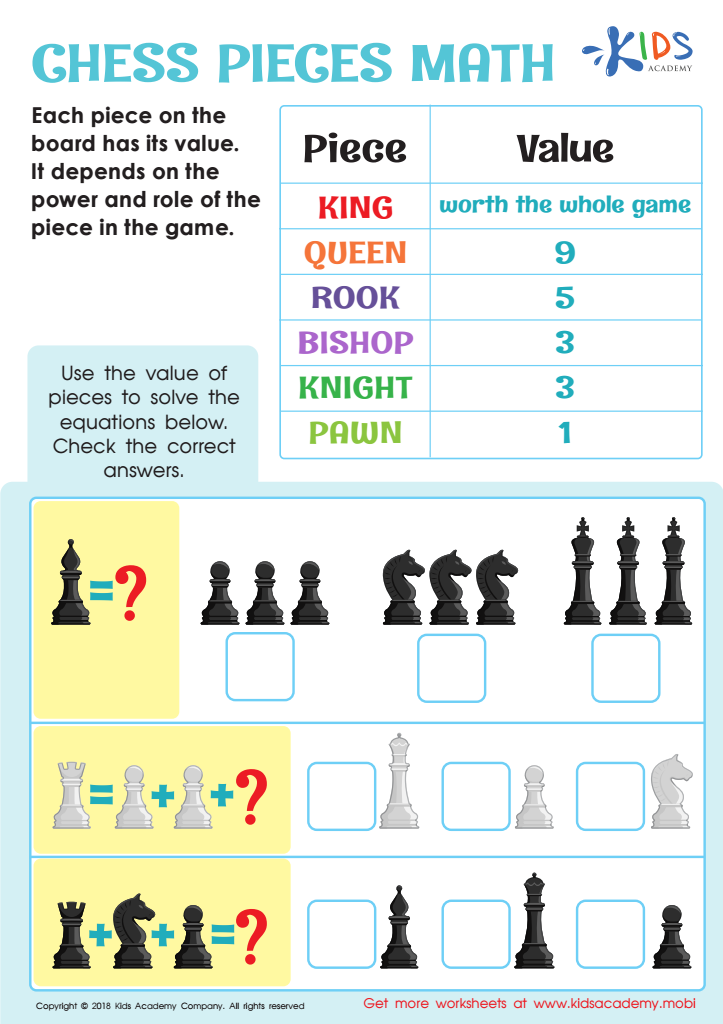
Chess Pieces Math Worksheet
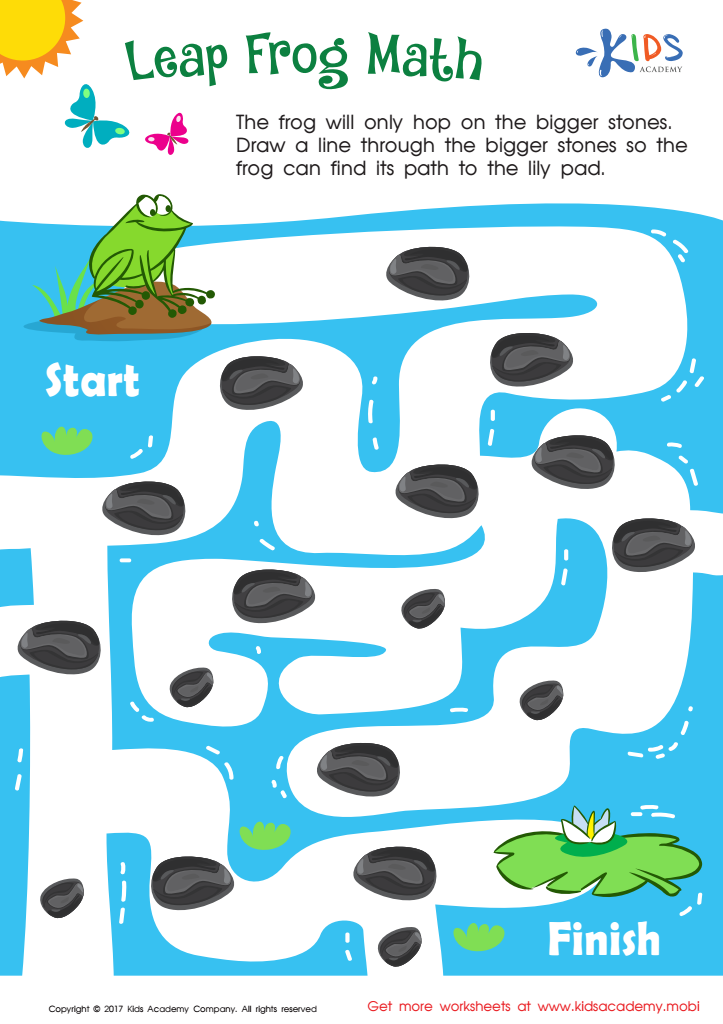
Math Puzzle Worksheet
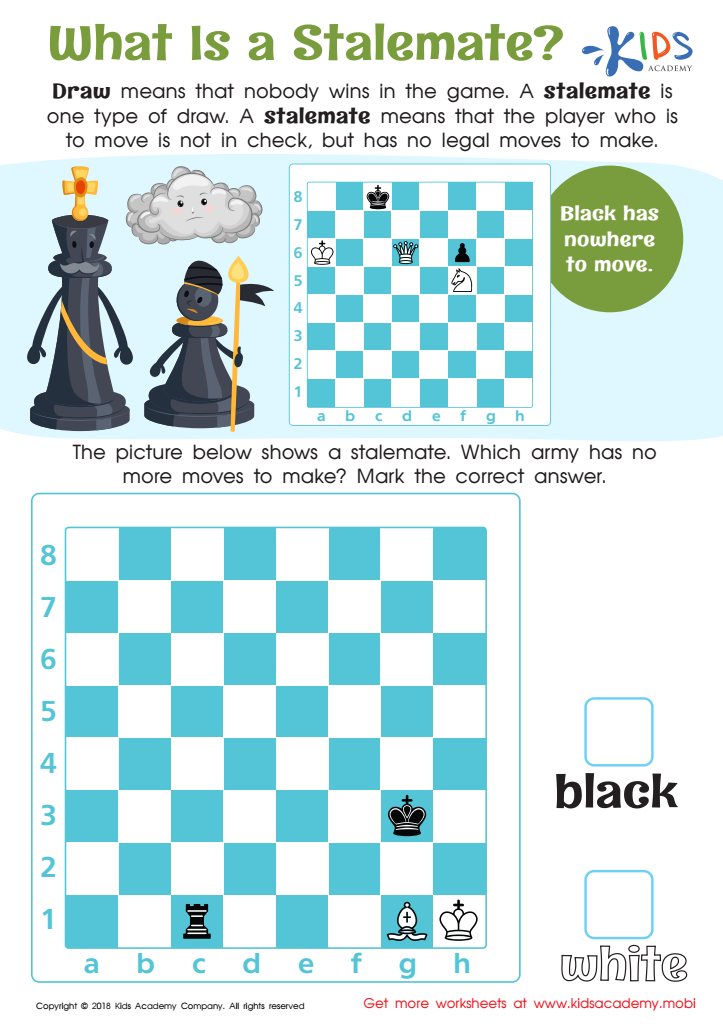
What Is a Stalemate? Worksheet
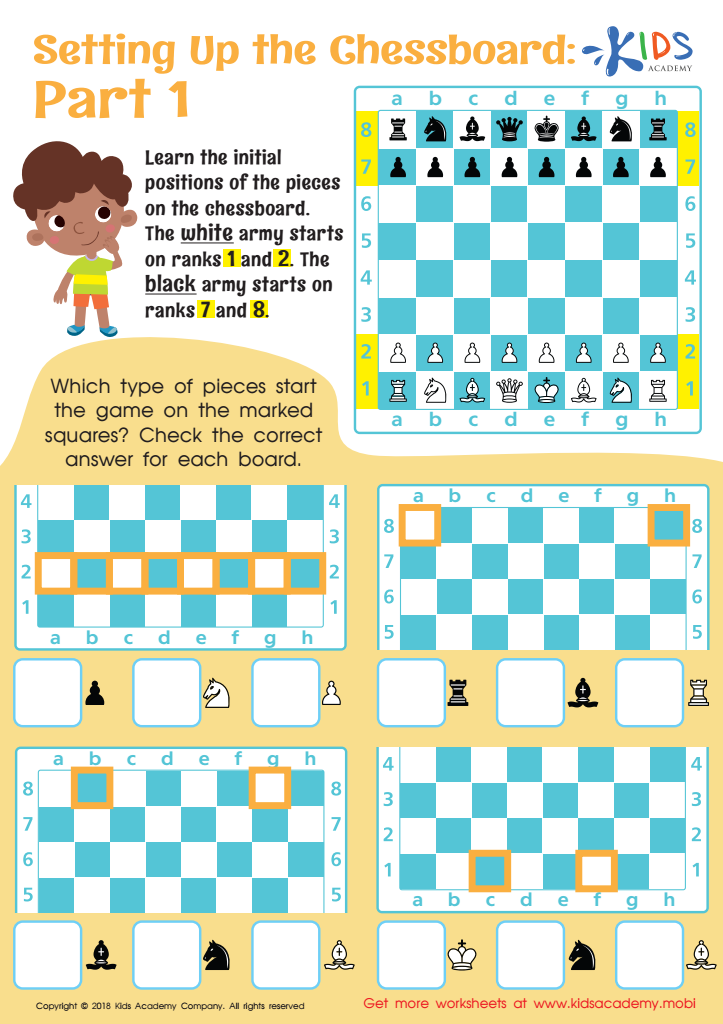
Setting up the Chessboard: Part 1 Worksheet
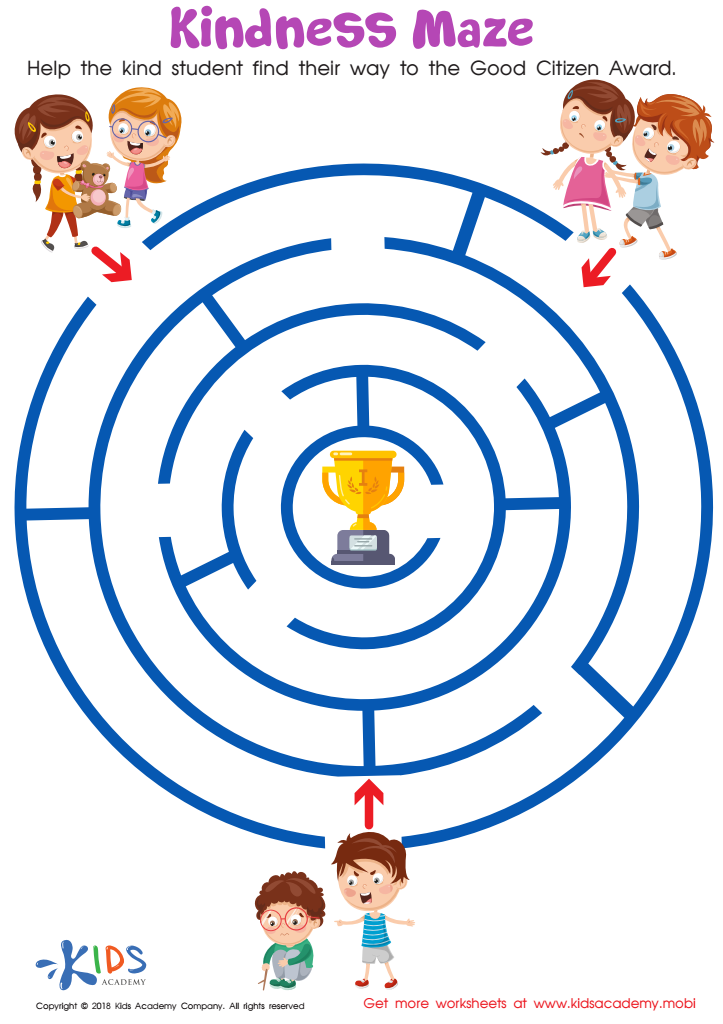
Kindness Maze Worksheet
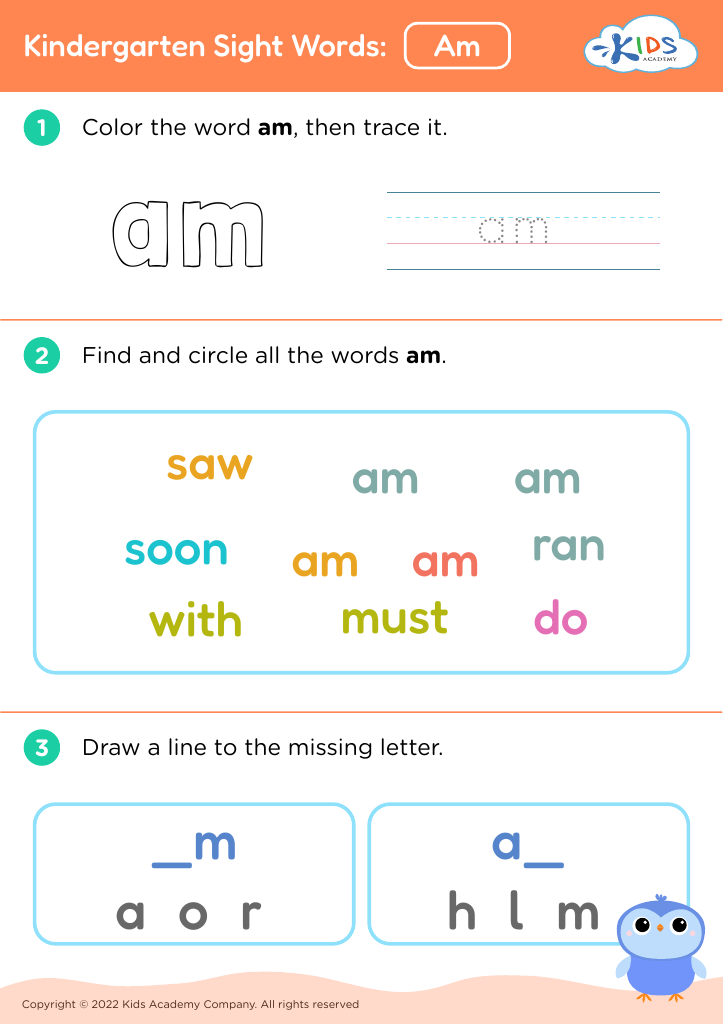








Logical thinking development in children aged 3-4 is critical for many reasons. At this stage, children begin to understand the world around them through patterns, cause-and-effect relationships, and problem-solving. Encouraging logical thinking fosters cognitive abilities that will serve as the foundation for future learning. This skill enables children to make connections between ideas, enhancing their understanding of their environment and enriching their vocabulary.
Parents and teachers should prioritize logical thinking to support critical skills such as reasoning, decision-making, and the ability to process information effectively. Activities that promote logical thinking—like sorting objects, engaging in puzzles, and playing games—are not just fun but also essential for cognitive development. These activities help children learn how to approach problems methodically, weigh options, and anticipate outcomes.
Moreover, strong logical thinking abilities correlate with later academic success. Children who can think critically and analyze situations are better equipped to tackle challenges in school and life. As advocates for their development, parents and teachers play a fundamental role in creating an enriching environment that supports exploration, curiosity, and discourse, ultimately preparing children for the complexities of the future. Investing in logical thinking now will pave the way for deeper understanding and resilience in later years.








