Multiplication practice Worksheets for Ages 3-4
11 filtered results
-
From - To
Welcome to our "Multiplication Practice Worksheets for Ages 3-4," where early math engagement begins! These vibrant and interactive worksheets are designed to introduce young learners to the basics of multiplication in a fun and engaging way. Each activity complements foundational skills, promoting number recognition, counting, and simple multiplication concepts. Tailored specifically for preschool-aged children, our worksheets incorporate playful themes and colorful illustrations to capture their imagination. Parents and educators can easily print these resources and use them for at-home learning or in the classroom. Enhance your child's mathematical journey and lay the groundwork for future success with our multiplication practice worksheets!
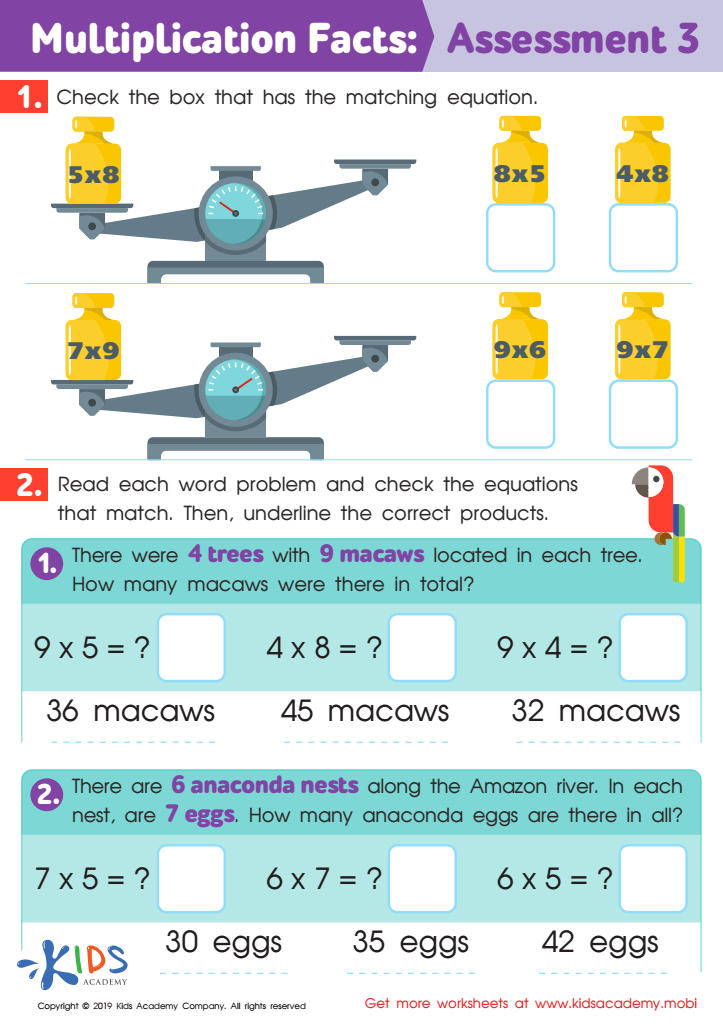
Multiplication Facts: Assessment 3 Worksheet
 Assign to My Students
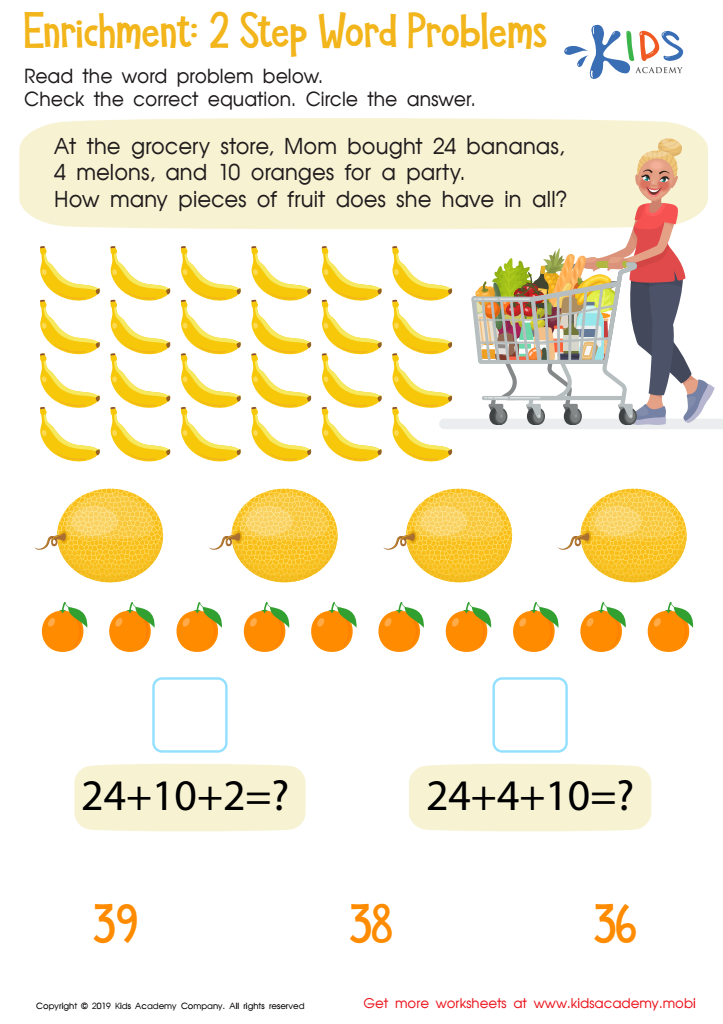
Enrichment -2 Step Word Problems Worksheet
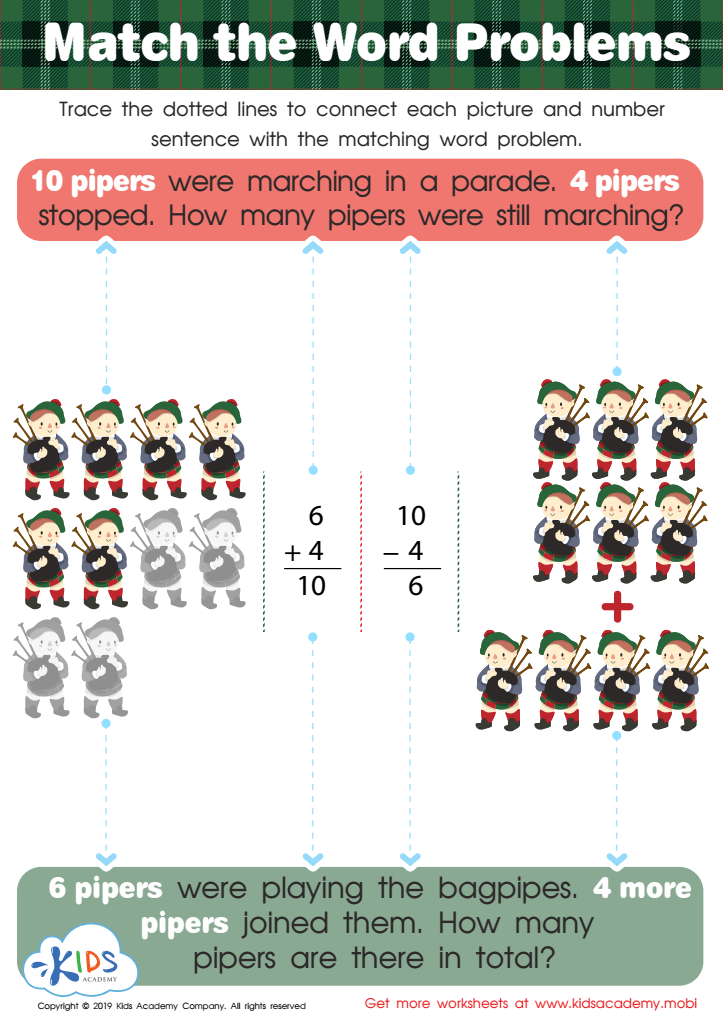
Match the Word Problems Worksheet
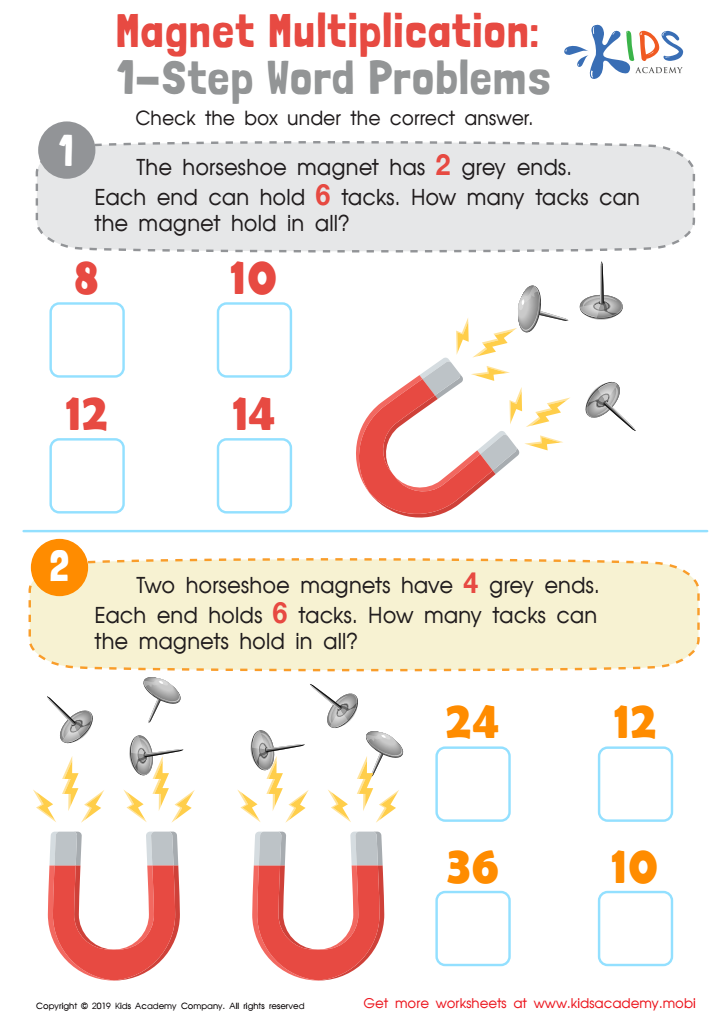
Magnet Multiplication: 1-Step Word Problems Worksheet
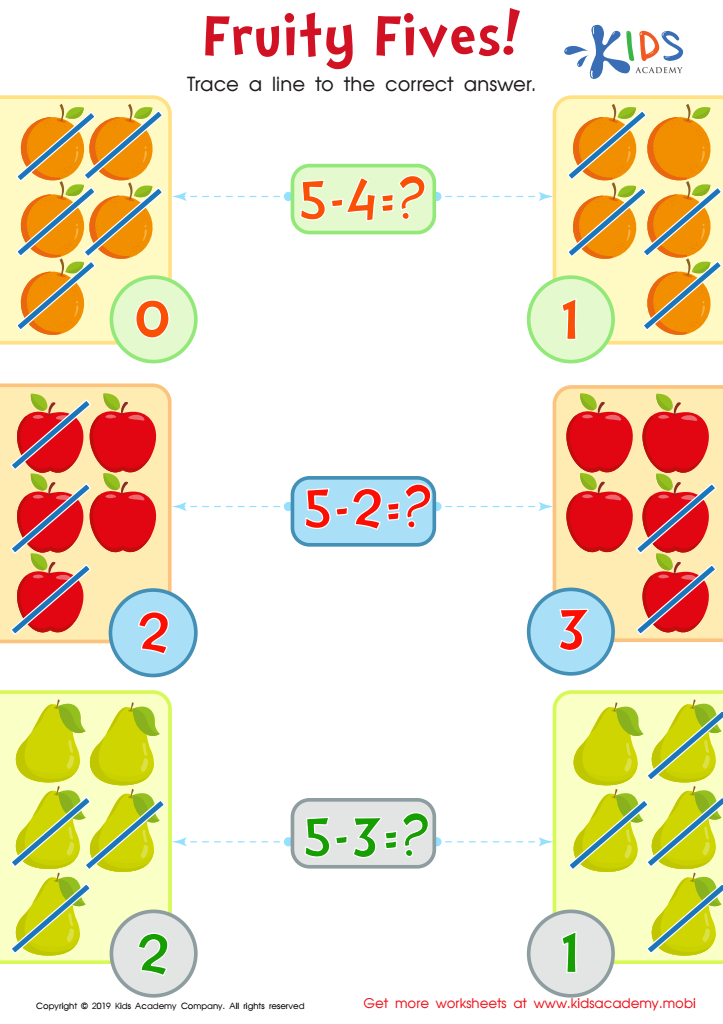
Fruity Fives! Worksheet
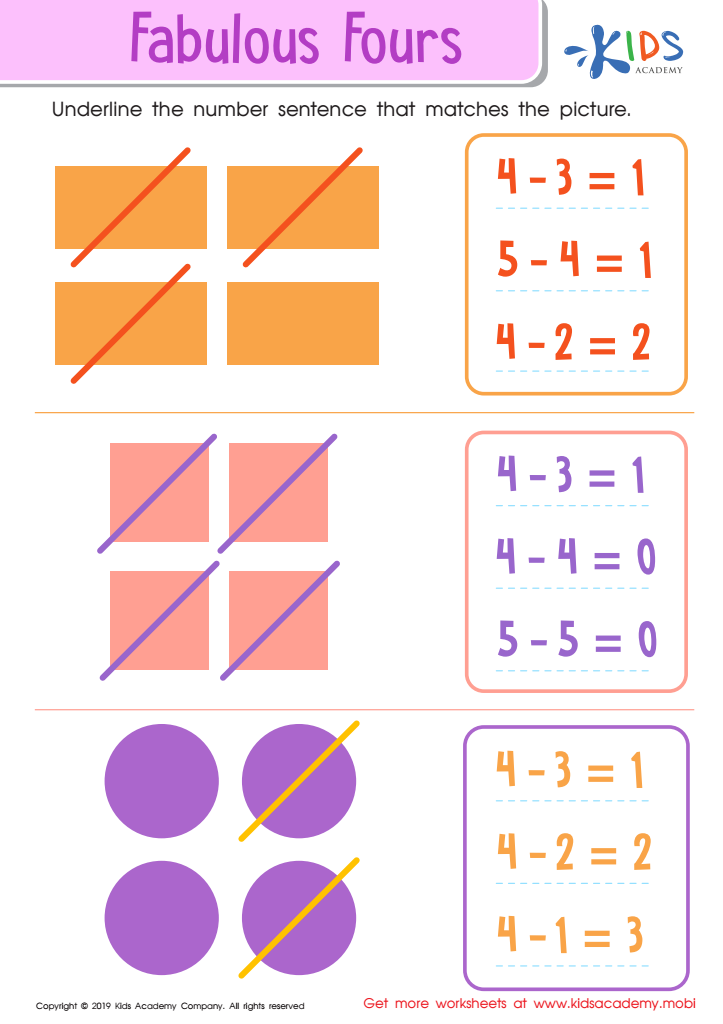
Fabulous Fours Worksheet
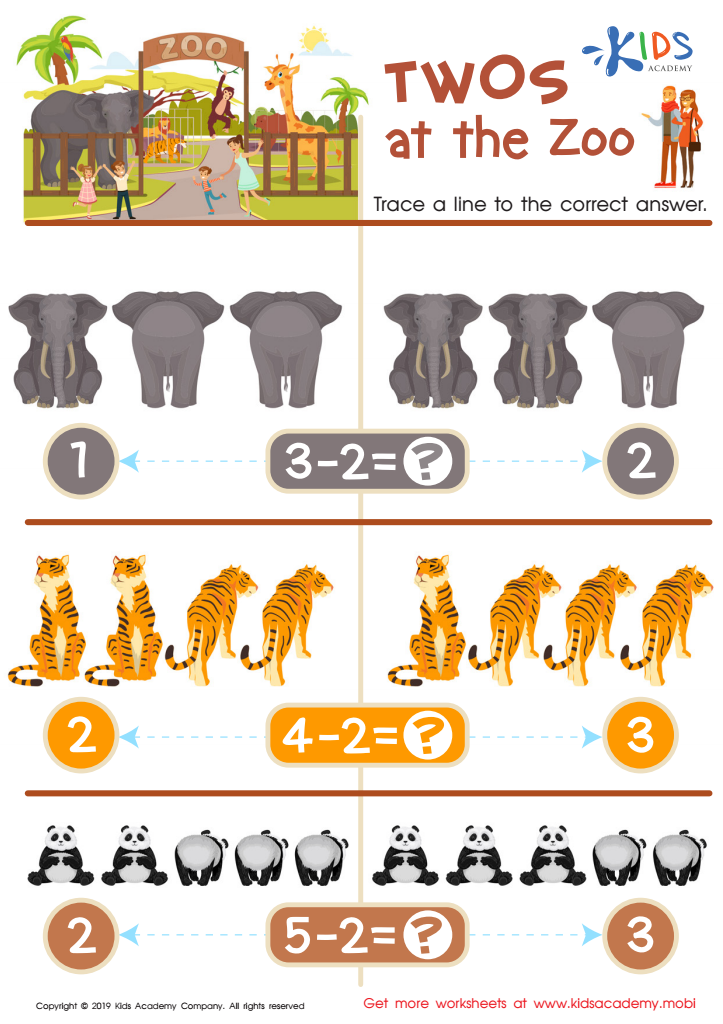
Twos at the Zoo Worksheet
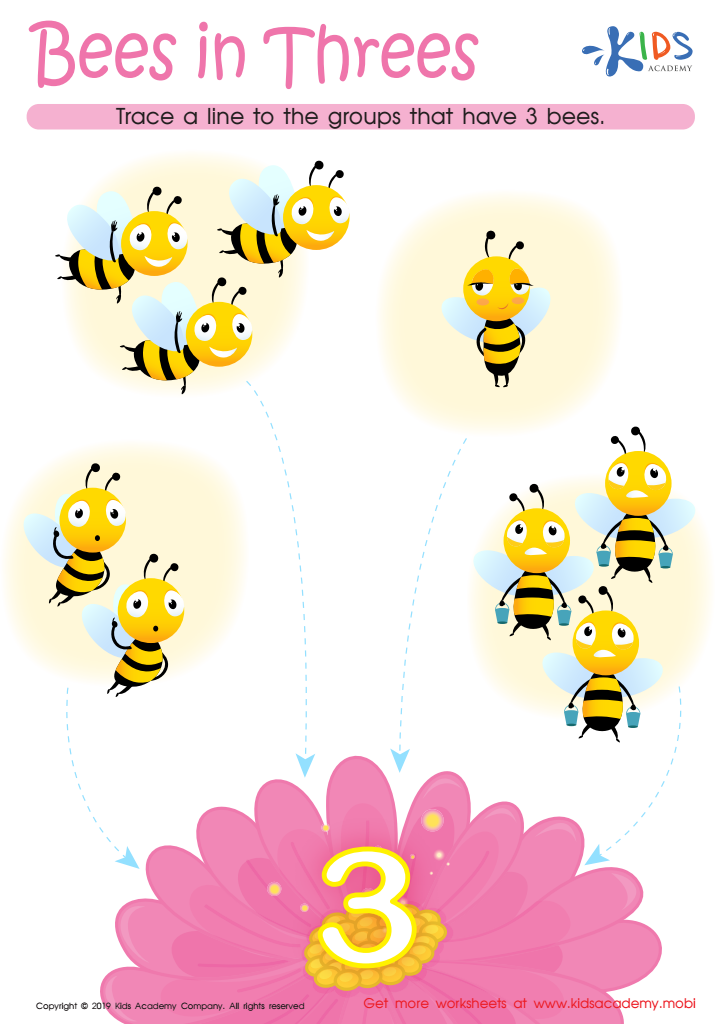
Bees in Threes Worksheet
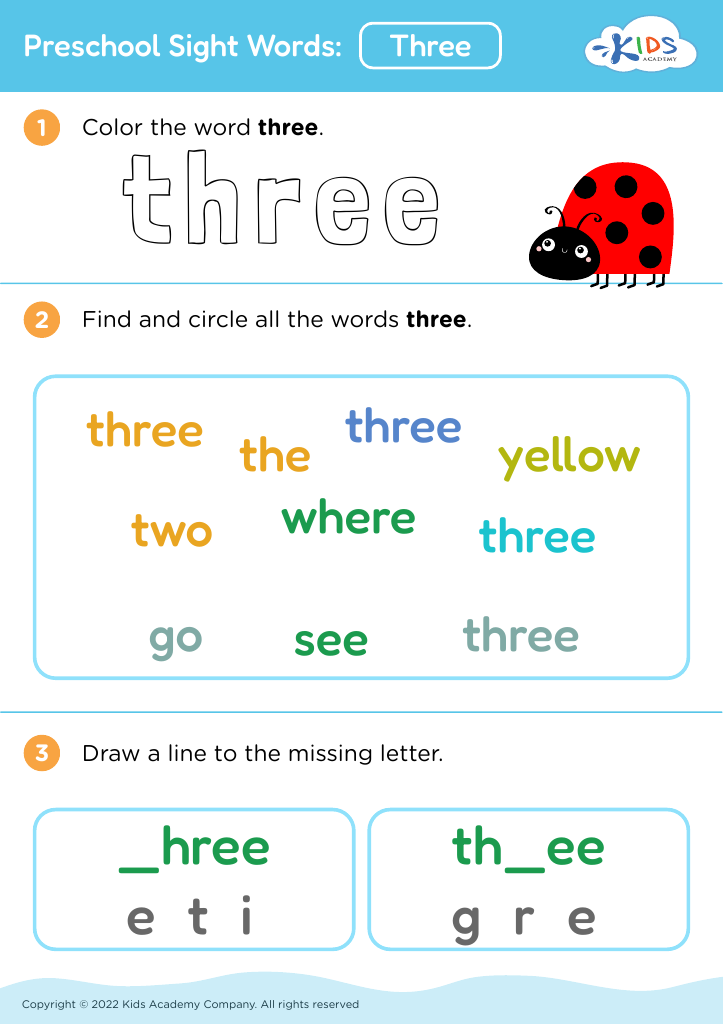
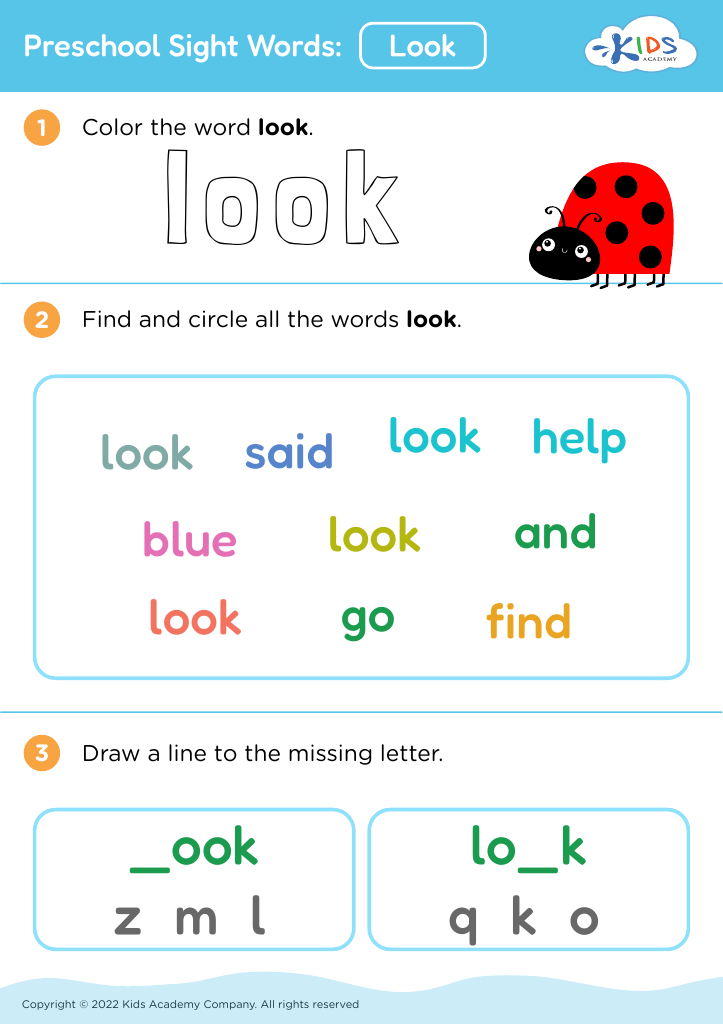
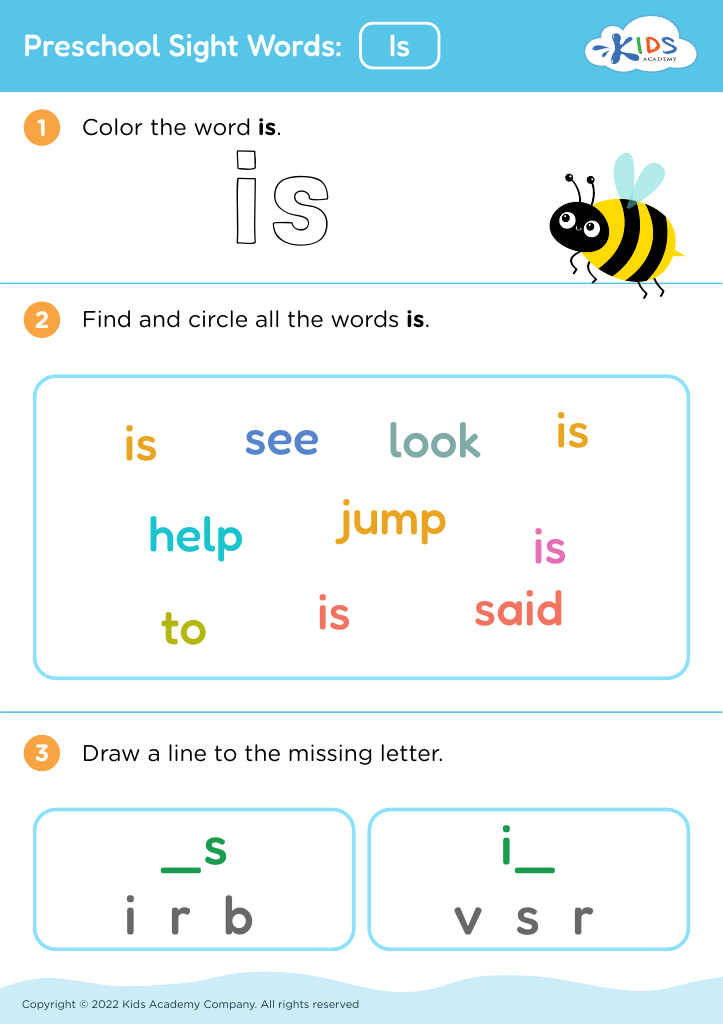








Multiplication practice for ages 3-4 may seem premature, but it lays a crucial foundation for future math skills. At this stage, children are developing essential numerical concepts that are vital for later learning. Introducing basic multiplication concepts through engaging activities can enhance their number sense, help with pattern recognition, and promote problem-solving skills.
By using relatable examples, such as grouping objects and sharing snacks, young learners can grasp the idea of multiplication as repeated addition. This playful approach makes math less intimidating and fosters a positive attitude toward learning.
Moreover, early exposure to multiplication creates a seamless transition when children encounter more complex math in elementary school. As they develop a solid foundation, they will be more confident and competent in handling mathematical concepts as they advance.
Engagement in multiplication practice at this early age also promotes cognitive development, as it encourages critical thinking and enhances memory skills. Parents and teachers can guide this journey through games, songs, and hands-on activities, making the learning process interactive and enjoyable. In essence, investing in early multiplication practice paves the way for future academic success and helps children build a lifelong appreciation for math.








