
Number tracing Worksheets for Ages 3-4
3 filtered results
Difficulty Level
Grade
Age
-
From - To
Subject
Activity
Standards
Discover our engaging number tracing worksheets specifically designed for children aged 3-4! These worksheets provide a fun and interactive way for young learners to develop their fine motor skills and number recognition. Each worksheet incorporates bright colors and playful designs to keep kids motivated while they practice tracing numbers from 1 to 10. With simple instructions, children can independently enhance their handwriting skills while building a solid foundation for early math concepts. Perfect for parents and teachers alike, our number tracing worksheets can easily be printed at home or in the classroom, making learning both convenient and accessible. Explore today!
Favorites
With answer key
Interactive
 Assign to My Students
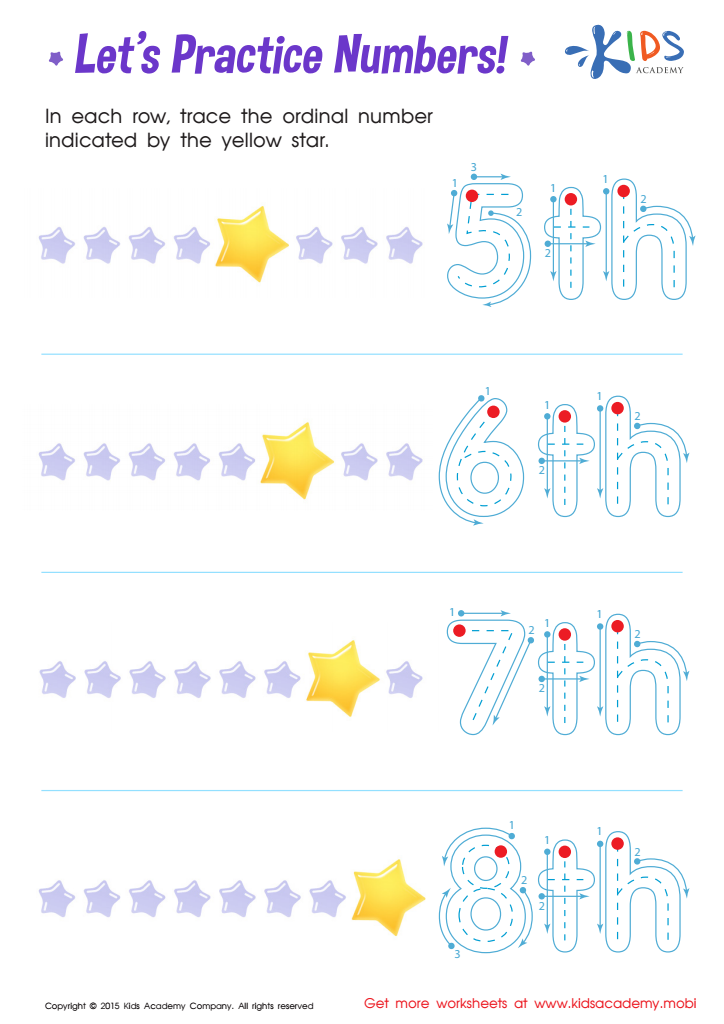
Ordinal Numbers: Let's Practice Numbers Printable
Worksheet
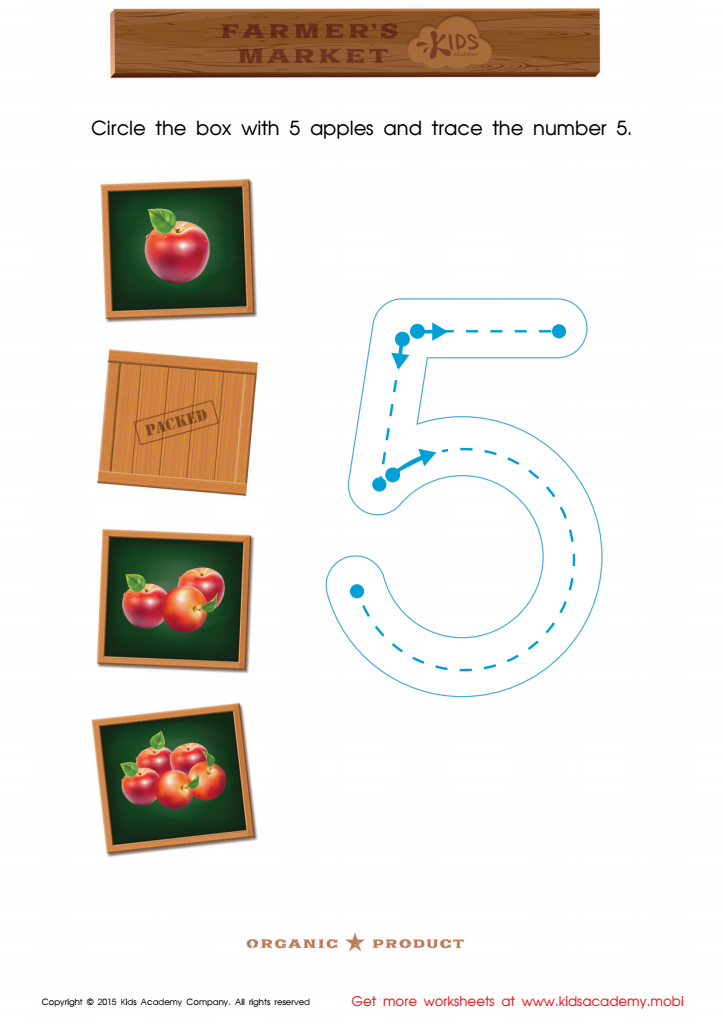
Count the Apples and Trace the Number 5 Printable
Count the juicy apples in each box, find the one with 5 and trace the number 5 following the arrows. Practice makes perfect! Print and get your little mathematician counting.
Count the Apples and Trace the Number 5 Printable
Worksheet
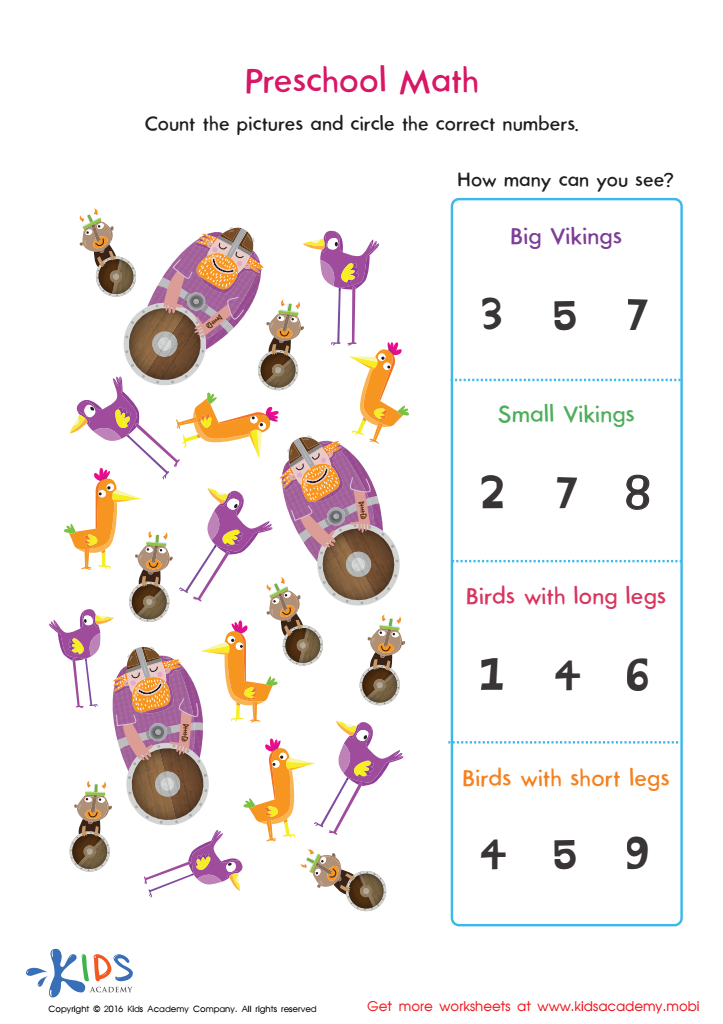
Counting Worksheet: Preschool Math
Worksheet
Join Kids Academy for Free
Who is primarily going to use this learning content?







Number tracing is an essential activity for children aged 3-4 because it lays the groundwork for early mathematical skills and fine motor development. At this stage, young learners are beginning to understand numerical concepts, and tracing helps make these concepts tangible. Encouraging number tracing allows children to physically engage with numbers, fostering recognition and the beginning stages of counting.
From a fine motor perspective, tracing number shapes strengthens the muscles in their hands, improving grip and control, which are crucial for writing in later years. As kids practice, they develop hand-eye coordination, which enhances their overall dexterity.
Moreover, number tracing can be a fun and interactive way for children to learn, incorporating colorful visuals and engaging materials that attract their attention. This playful approach creates a positive attitude toward learning mathematics, making it less intimidating as they progress.
For parents and teachers, incorporating number tracing into daily activities can provide opportunities to bond, encourage communication about numbers, and nurture an interest in math. Overall, emphasizing number tracing in early education can foster foundational skills that are vital for academic success and lifelong learning in mathematics.








