Predicting outcomes Worksheets for Ages 3-4
3 filtered results
-
From - To
Enhance your child's critical thinking with our Predicting Outcomes Worksheets, designed for ages 3-4. These fun, engaging activities help young learners develop important skills such as making predictions and understanding cause-and-effect relationships. Each worksheet features imaginative scenarios and colorful illustrations to capture your child's attention and ignite their curiosity. By practicing with these worksheets, your child will boost their reasoning abilities and prepare for more advanced problem-solving tasks. Ideal for preschoolers, these materials make learning an enjoyable experience while laying the foundation for future academic success. Download today to promote early cognitive development!
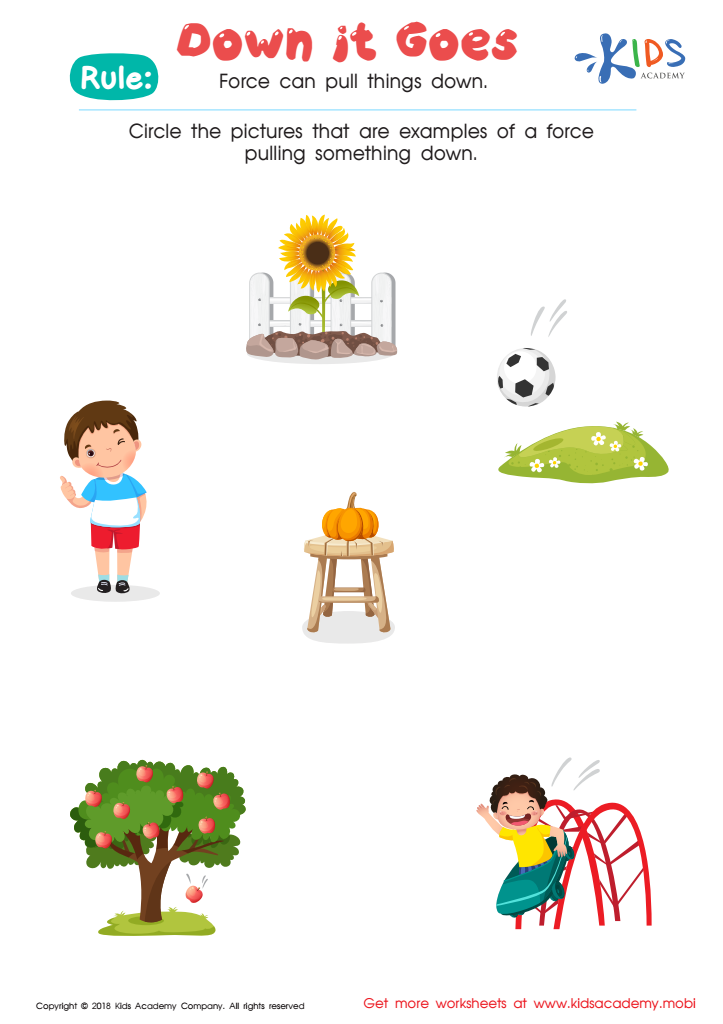
Down it Goes Worksheet
 Assign to My Students
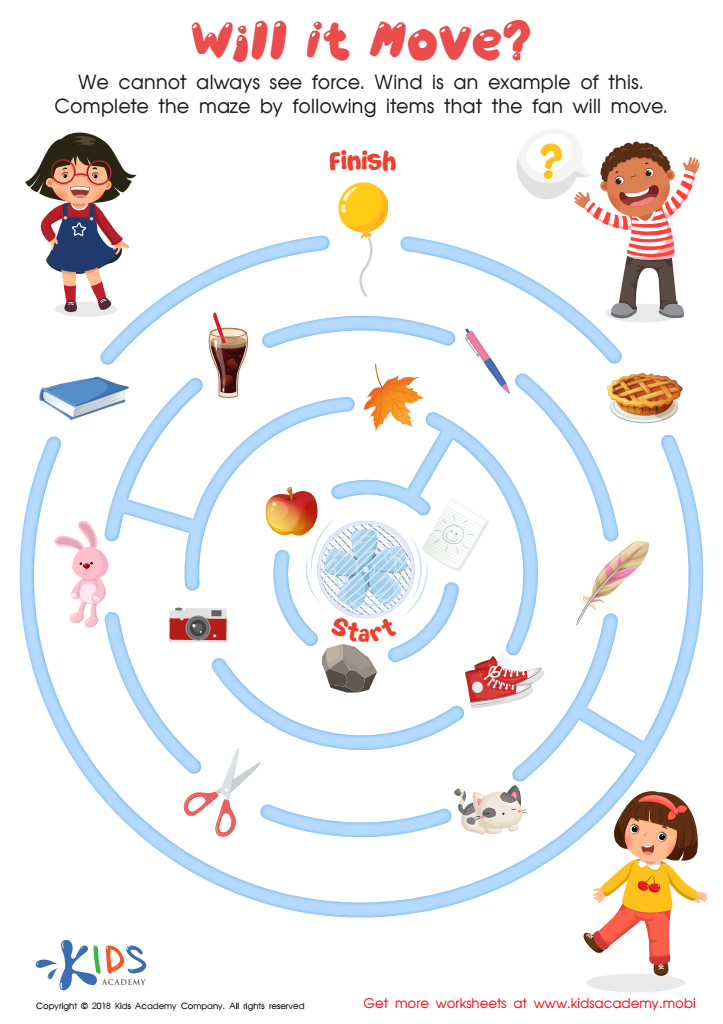
Will it Move? Worksheet

Race Car Ramp Worksheet





.jpg)


Predicting outcomes for children aged 3-4 is crucial because this developmental period lays the foundation for future learning and social behaviors. Early childhood is a time of rapid brain development, wherein children acquire essential cognitive, emotional, and social skills. Understanding and predicting outcomes during this age allows parents and teachers to identify and nurture a child's strengths while addressing any areas that may require additional support.
By gauging a child's developmental milestones, caregivers can tailor interventions and enriching activities to foster optimal growth. Early predictions can also aid in identifying potential learning disabilities or social-emotional challenges, prompting timely intervention that significantly enhances long-term educational and personal outcomes.
Additionally, predicting outcomes helps in setting realistic expectations and goals, encouraging a supportive environment conducive to exploration and creativity. For parents, this means providing a balanced array of activities that promote language, motor skills, and social interactions. For teachers, it means designing curricula that meet children at their current level while gently pushing them forward.
Furthermore, understanding these early predictors fortifies the bond between caregivers and children, as it fosters a shared commitment to the child's unique developmental journey. Overall, predicting outcomes equips parents and teachers with the tools to foster a robust, well-rounded foundation upon which children can build a lifetime of learning.








