Problem-solving practice Worksheets for Ages 3-4
8 filtered results
-
From - To
Our Problem-Solving Practice Worksheets for ages 3-4 are designed to lay a solid foundation for critical thinking and cognitive development. Engaging activities filled with colorful illustrations help young children enhance their reasoning skills and learn to tackle challenges creatively. The worksheets cover fundamental concepts such as matching, sequencing, and pattern recognition, all crafted to stimulate young minds while keeping learning fun. Perfect for preschoolers, these resources encourage independent thinking and problem-solving, setting the stage for future academic success. Ideal for parents and educators seeking to promote early learning through interactive and playful experiences. Start nurturing problem-solvers today!
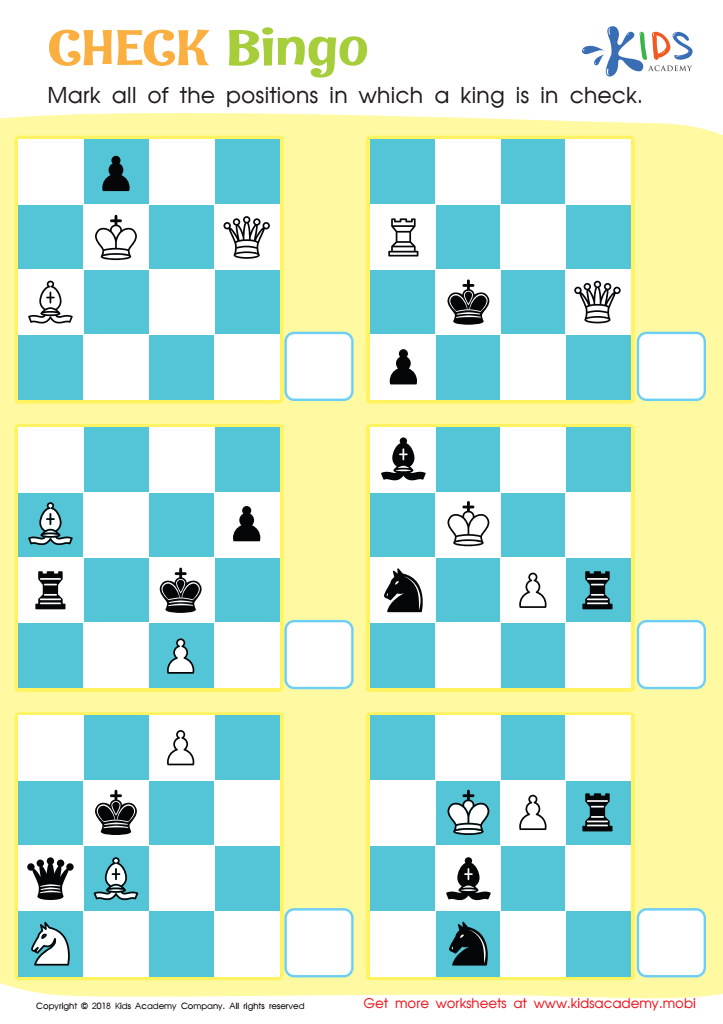
Check Bingo Worksheet
 Assign to My Students
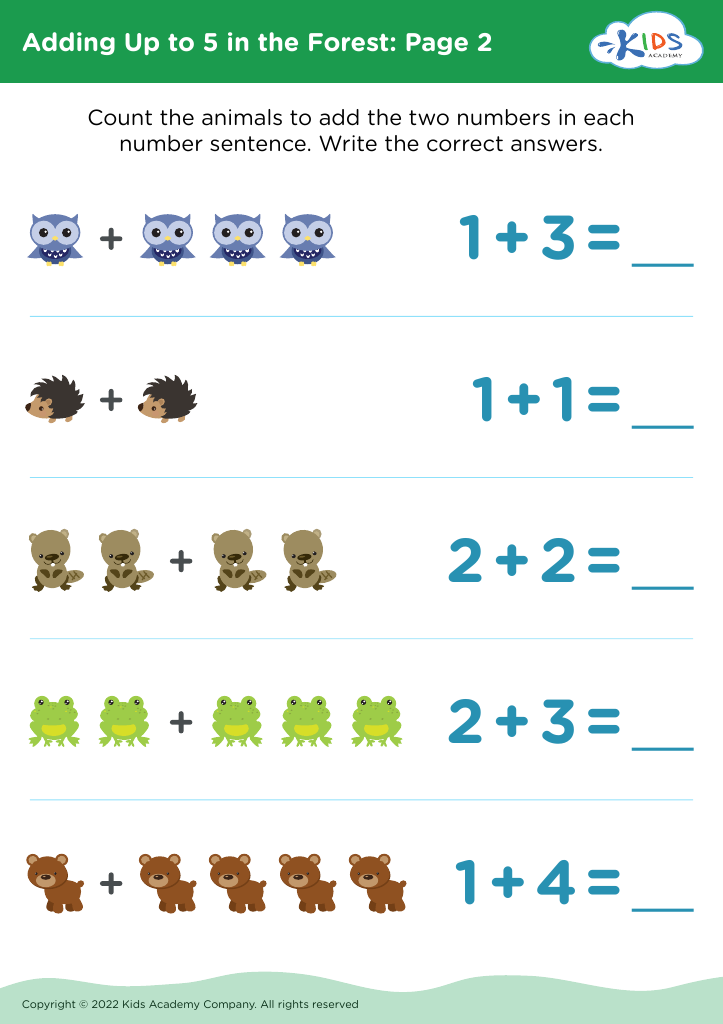
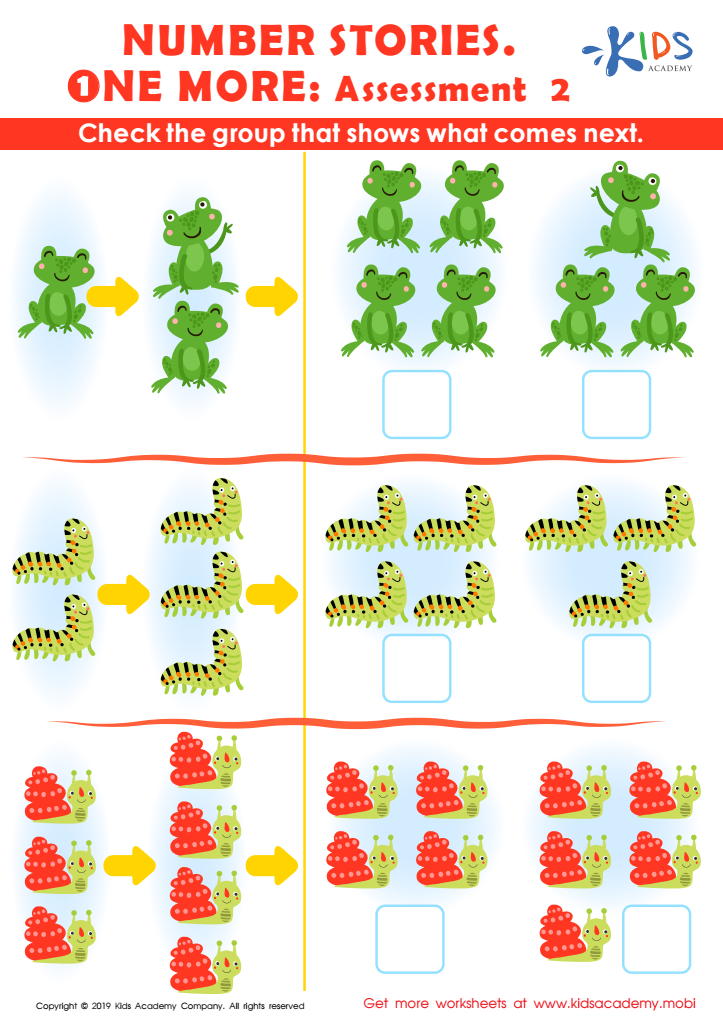
Number Stories One More – Assessment 2 Worksheet
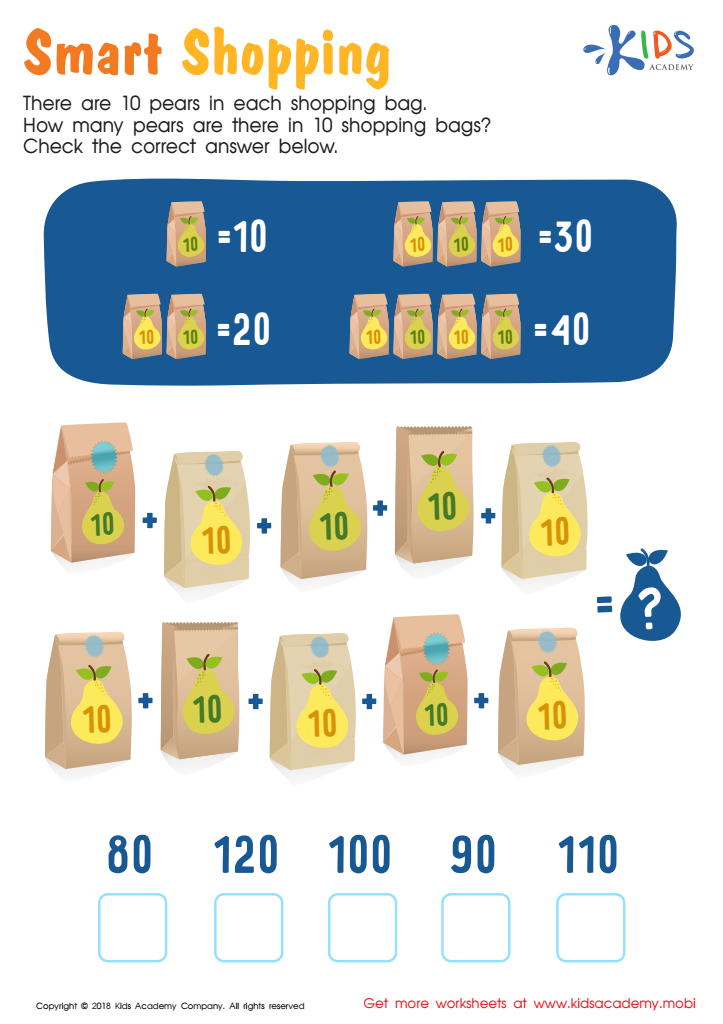
Smart Shopping: Trade Tens for a Hundred Worksheet
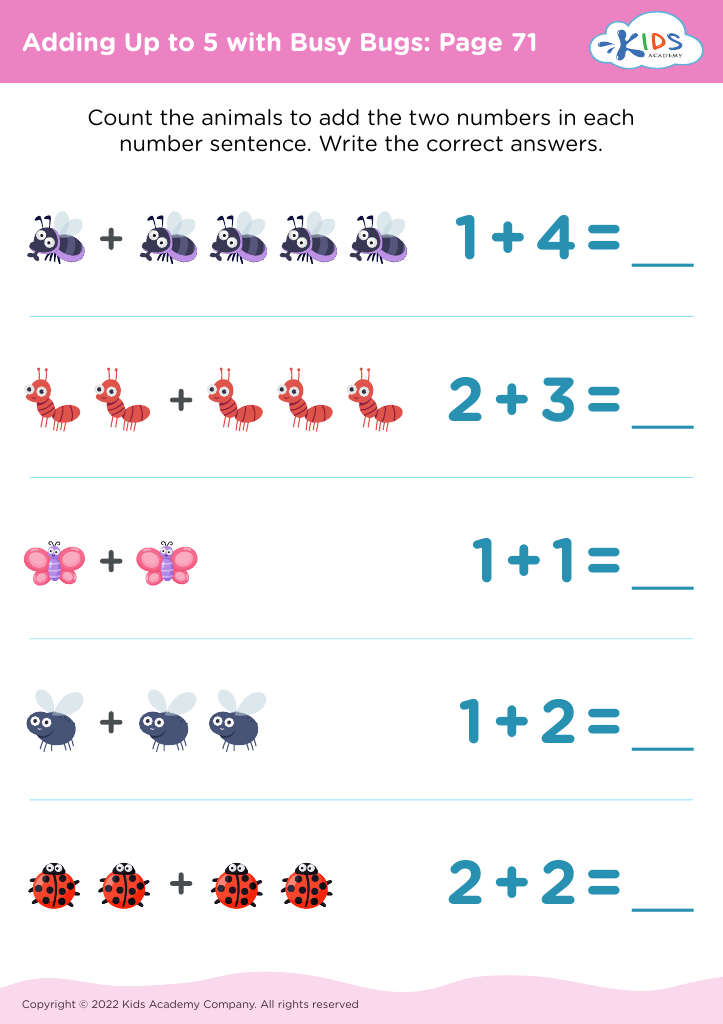
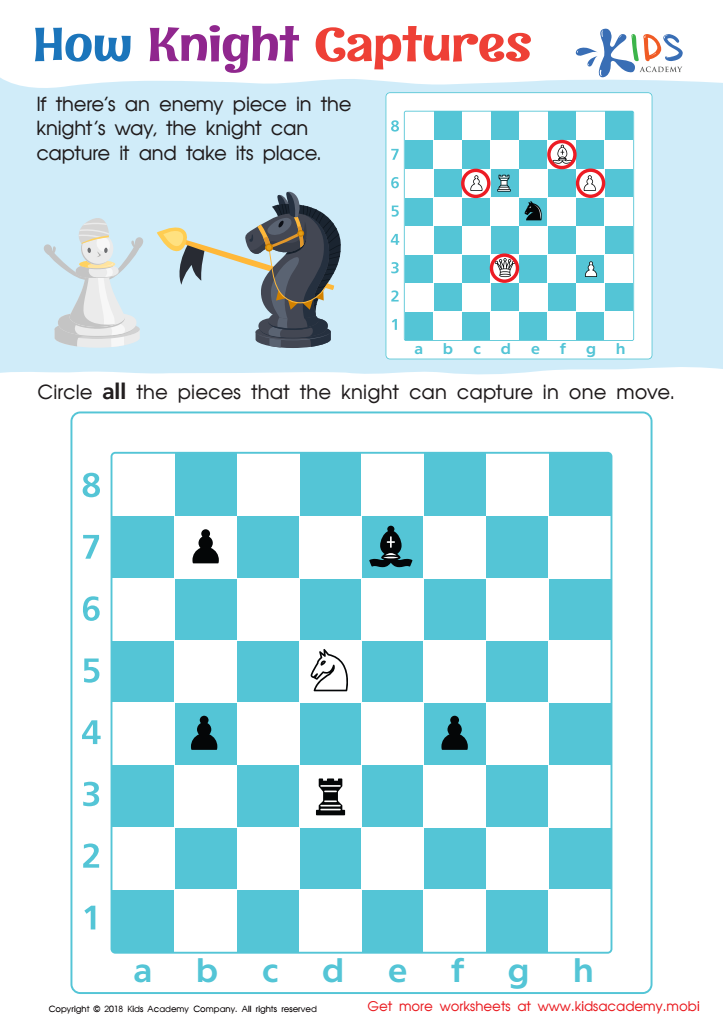
How Knight Captures Worksheet
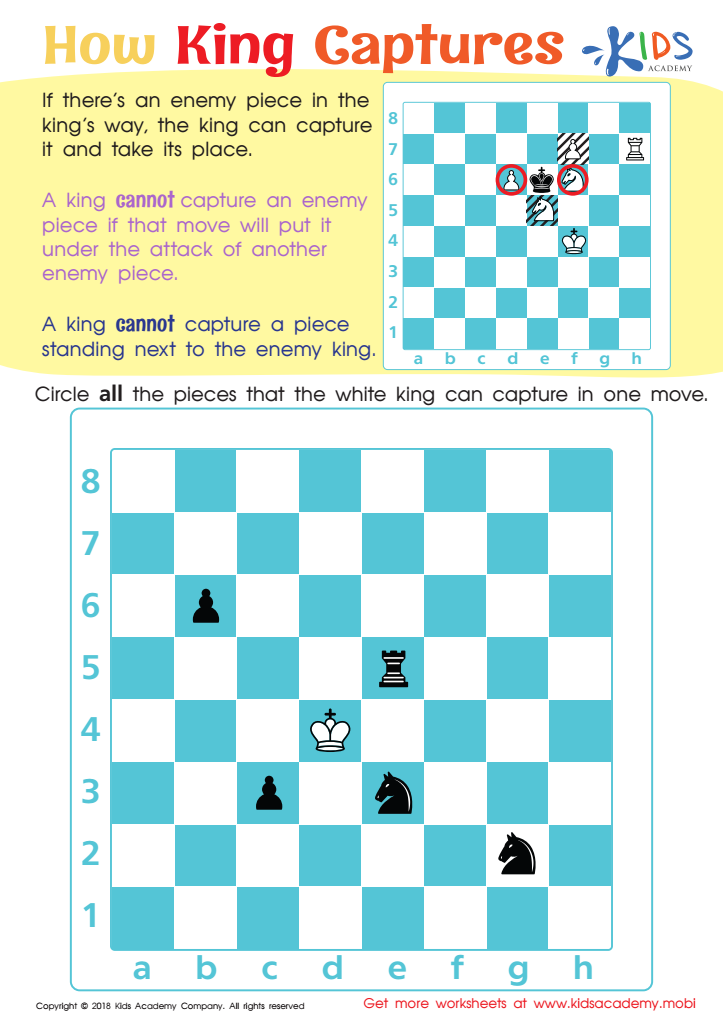
How King Captures Worksheet
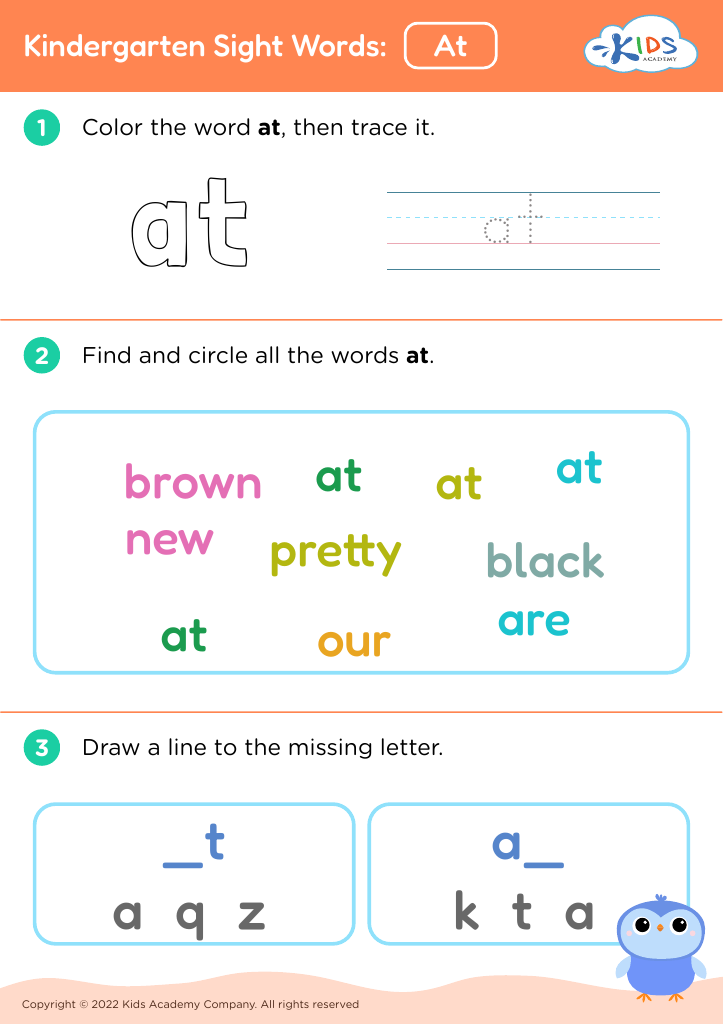








Problem-solving practice is crucial for children aged 3-4 as it lays the groundwork for essential cognitive and social development. At this tender age, young brains are incredibly plastic and capable of forming complex neural connections. Engaging in problem-solving activities helps stimulate critical thinking, enhance creativity, and improve decision-making abilities. When parents or teachers support a child through problem-solving tasks, they cultivate persistence, patience, and resilience—important traits for lifelong learning and adaptability.
Furthermore, problem-solving practice bolsters socio-emotional skills, as children learn to navigate frustration, work collaboratively with peers, and communicate their thoughts and feelings effectively. Activities like puzzles, sorting games, and imaginative play allow children to explore different approaches to a challenge, fostering a sense of curiosity and a love for learning.
By making problem-solving a priority, parents and teachers can provide children with tools that transcends academic success, giving them the confidence to tackle various everyday challenges. Learning to think independently and approach problems methodically can significantly boost self-esteem and emotional well-being. In essence, introducing problem-solving during early childhood serves as an indispensable investment in a child’s holistic development, setting a strong foundation for future academic, personal, and social success.








