Recognizing Patterns Worksheets for Ages 3-4
6 filtered results
-
From - To
Enhance your child's early learning with our Recognizing Patterns Worksheets designed specifically for ages 3-4. These engaging and interactive worksheets help young learners identify and understand basic patterns through fun activities like coloring, tracing, and matching. By practicing pattern recognition, children develop essential cognitive skills such as critical thinking and problem-solving. Our worksheets are visually appealing, featuring familiar objects and vibrant illustrations that captivate little minds. Perfect for parents and educators, these resources allow for dynamic learning at home or in the classroom. Begin your child’s journey in early math fundamentals and set the foundation for future academic success!
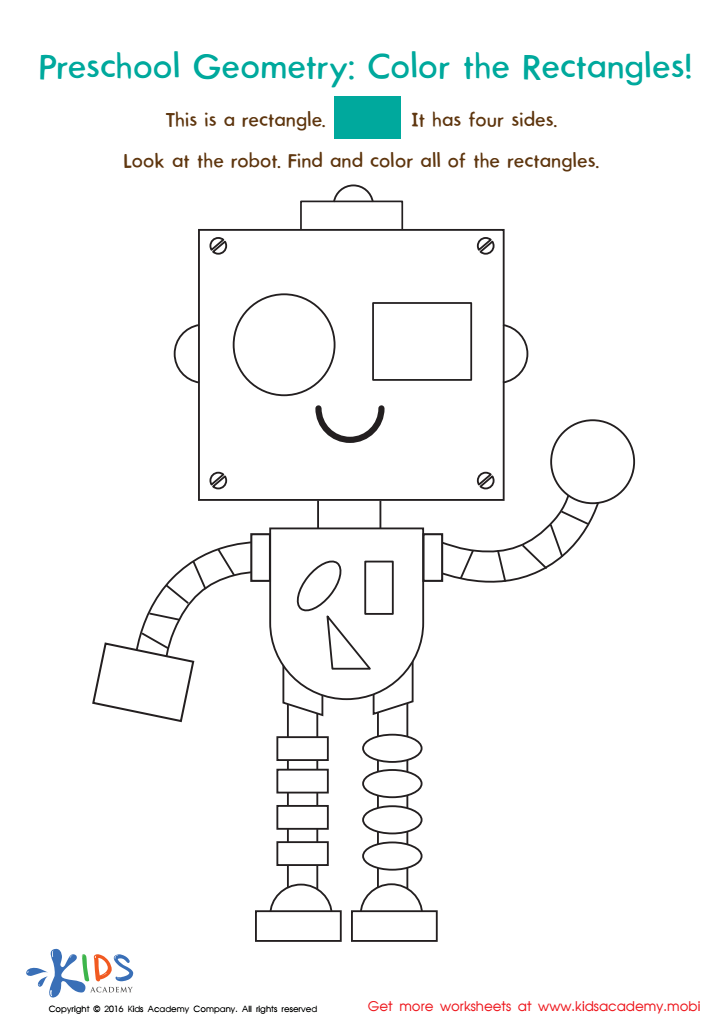
Geometry Worksheet
 Assign to My Students
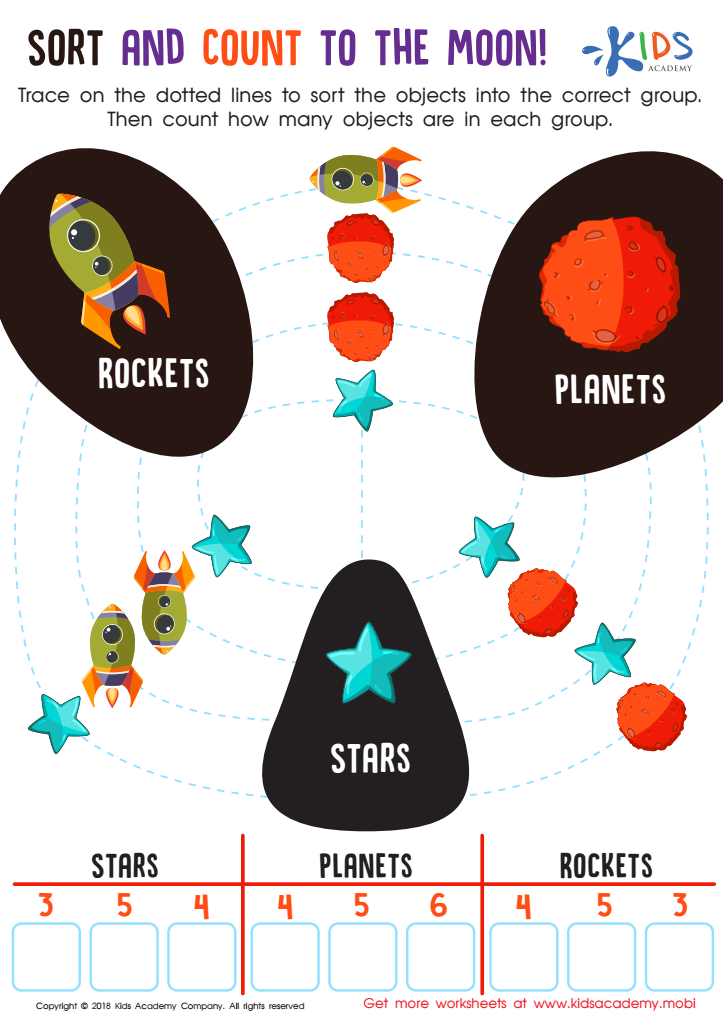
Sort and Count to the Moon Worksheet
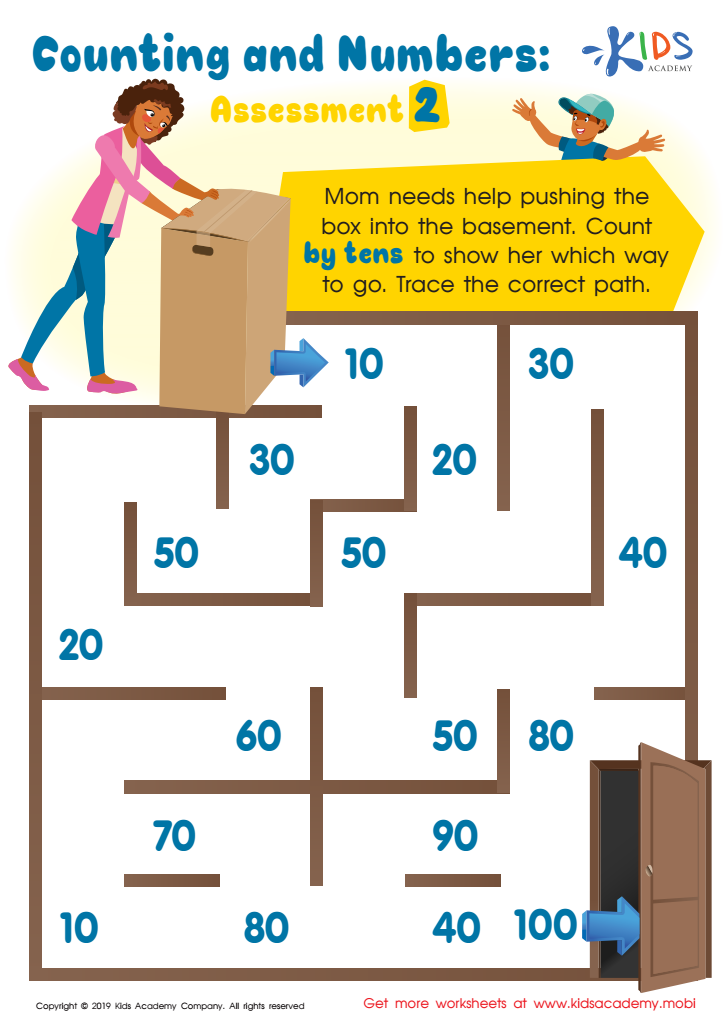
Counting and Numbers: Assessment 2 Worksheet
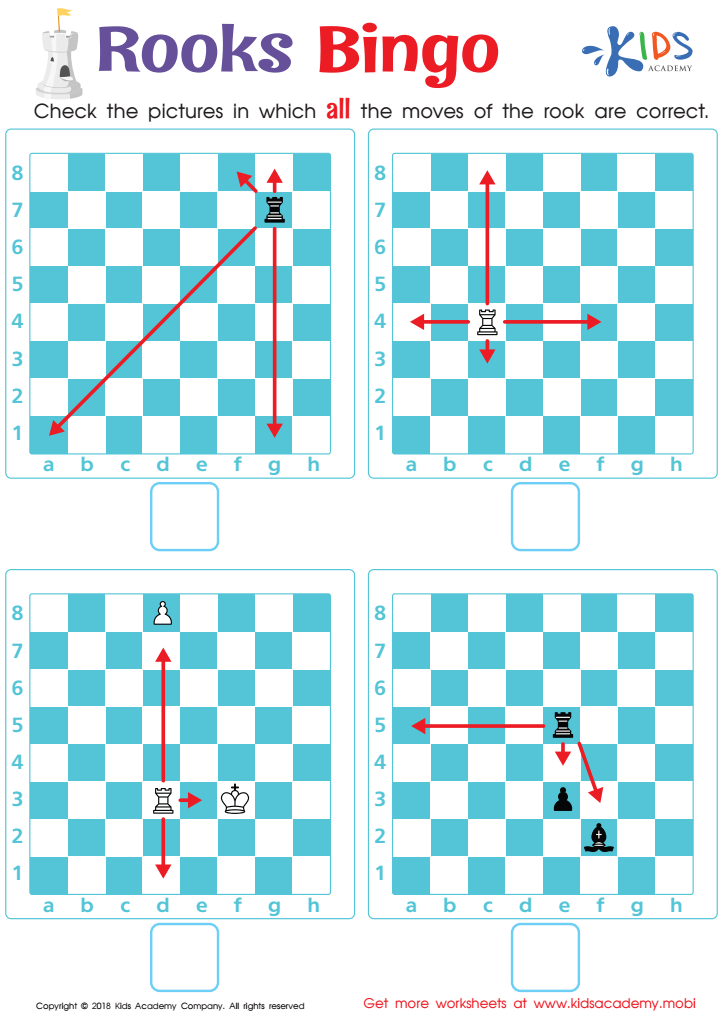
Rooks Bingo Worksheet







Recognizing patterns is a fundamental cognitive skill that plays a crucial role in early childhood development, particularly for children ages 3-4. This stage is vital for building the foundational skills necessary for later academic success. Engaging in pattern recognition enhances critical thinking, problem-solving abilities, and mathematical preparedness.
When children identify and create patterns, they learn to observe relationships, which fosters logical reasoning. For instance, recognizing patterns in colors, shapes, or everyday routines helps them make connections between concepts and improves memory retention. Moreover, recognizing sequences in activities lays the groundwork for future learning in mathematics and literacy, promoting skills in counting, reading, and comprehension.
Parents and teachers should care about this developmental milestone because it supports holistic learning and cognitive growth. Incorporating activities such as sorting objects, singing songs with repetitive lyrics, or utilizing block play encourages this skill playfully. By focusing on pattern recognition, caregivers can create engaging learning environments that stimulate curiosity and exploration in children.
Ultimately, fostering pattern recognition early on nurtures a child's confidence and willingness to tackle more complex concepts in the future, paving the way for academic success and a lifelong love for learning.








