Shape comparison Worksheets for Ages 3-4
3 filtered results
-
From - To
Welcome to our "Shape Comparison Worksheets for Ages 3-4," designed to spark curiosity and enhance early learning! These engaging worksheets help preschoolers develop essential skills as they explore different shapes. Children will practice identifying, comparing, and contrasting various shapes, fostering critical thinking and reasoning. Each activity is tailored to provide a fun and interactive experience, ensuring young learners stay motivated while building newfound knowledge. Perfect for home or classroom use, these worksheets introduce fundamental concepts of geometry in an enjoyable way. Start your child’s educational journey today with our carefully crafted shape comparison activities that make learning both fun and effective!
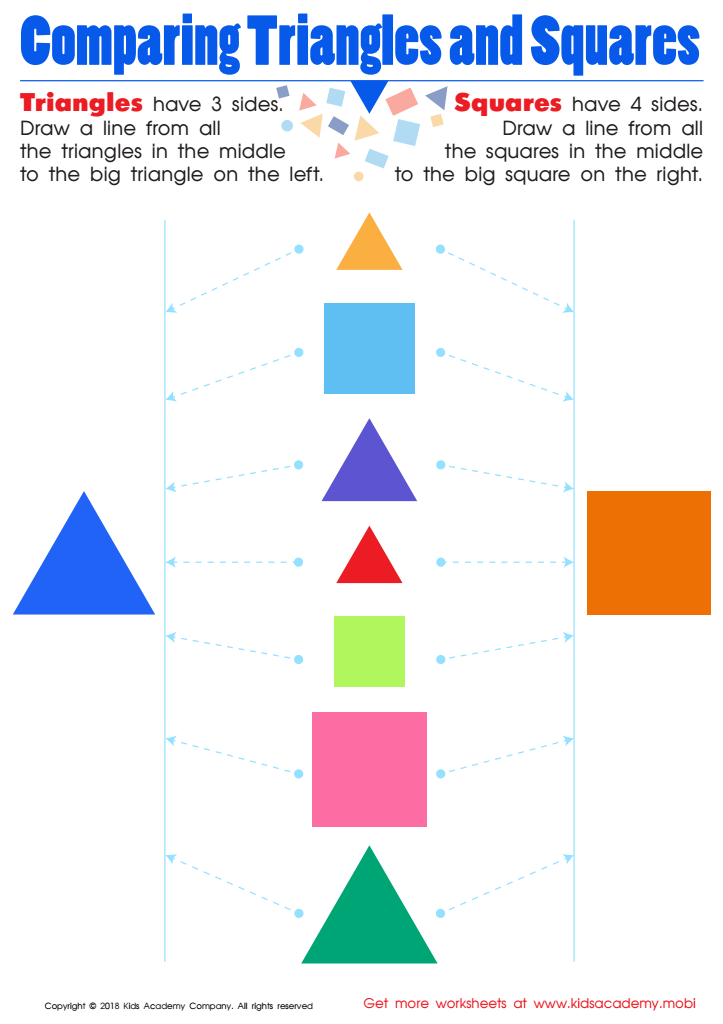
Comparing Triangles Squares Worksheet
 Assign to My Students
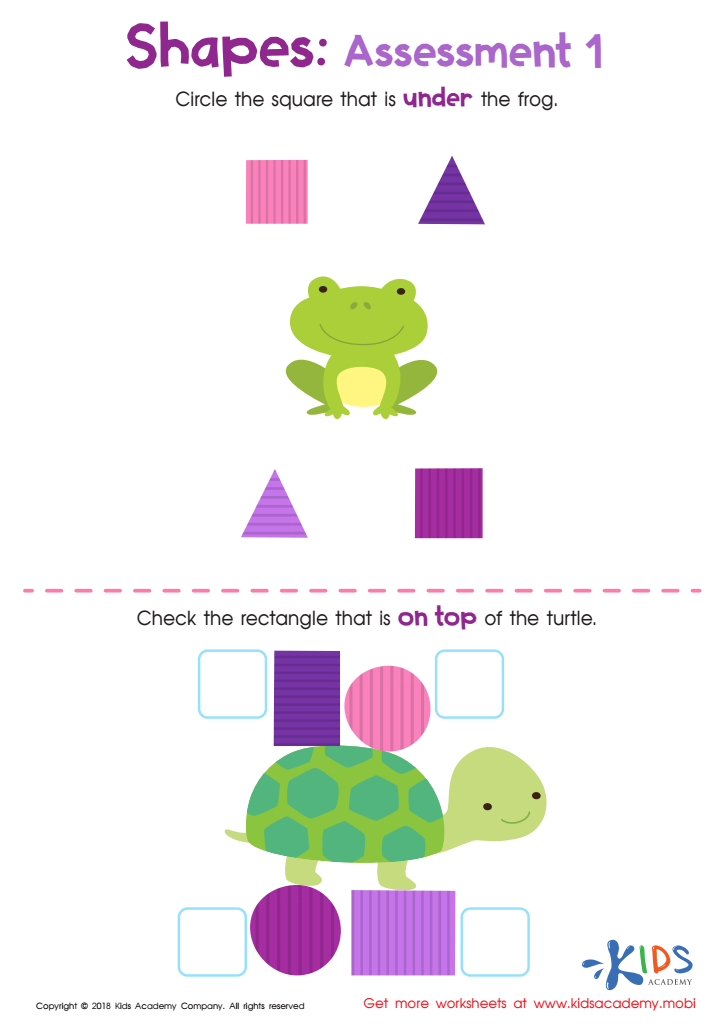
Geometry – Assessment 1 Worksheet
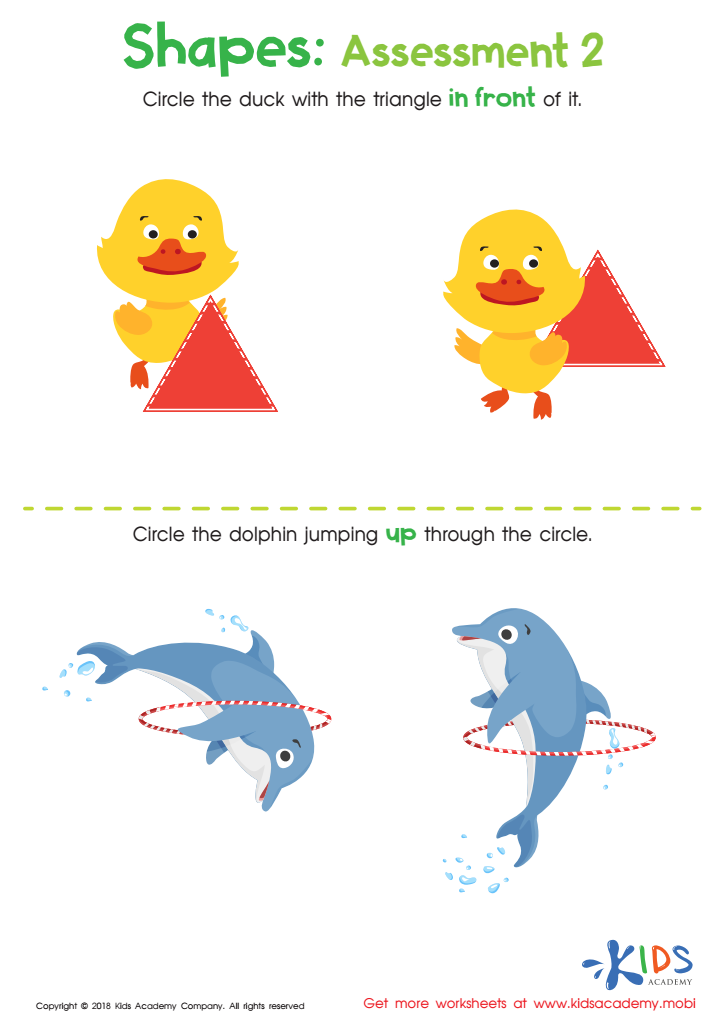
Geometry – Assessment 2 Worksheet





Shape comparison for children aged 3-4 is a critical foundational skill that plays a significant role in their cognitive development. At this age, children are beginning to explore and understand the world around them, and shape comparison activities can enhance their observational skills. By learning to identify and compare shapes, children develop their ability to notice differences and similarities in objects, which strengthens their analytical thinking.
Moreover, engaging in shape comparison fosters early mathematical concepts, essential for later learning. Recognizing and categorizing shapes lays the groundwork for more complex topics like geometry and spatial reasoning. These skills are not only key in math but also in everyday problem-solving scenarios.
In addition, shape comparison promotes language development as parents and teachers can encourage children to describe shapes using specific terminology, enhancing their vocabulary. Activities involving shapes encourage playful interaction, which builds social skills and cooperative learning.
Ultimately, focusing on shape comparison allows parents and teachers to create a nurturing environment that supports holistic development, setting a strong precedent for continued learning. Instilling such concepts at an early age can have lasting effects on a child's academic journey and overall confidence in learning.








