Understanding number value Worksheets for Ages 3-4
3 filtered results
-
From - To
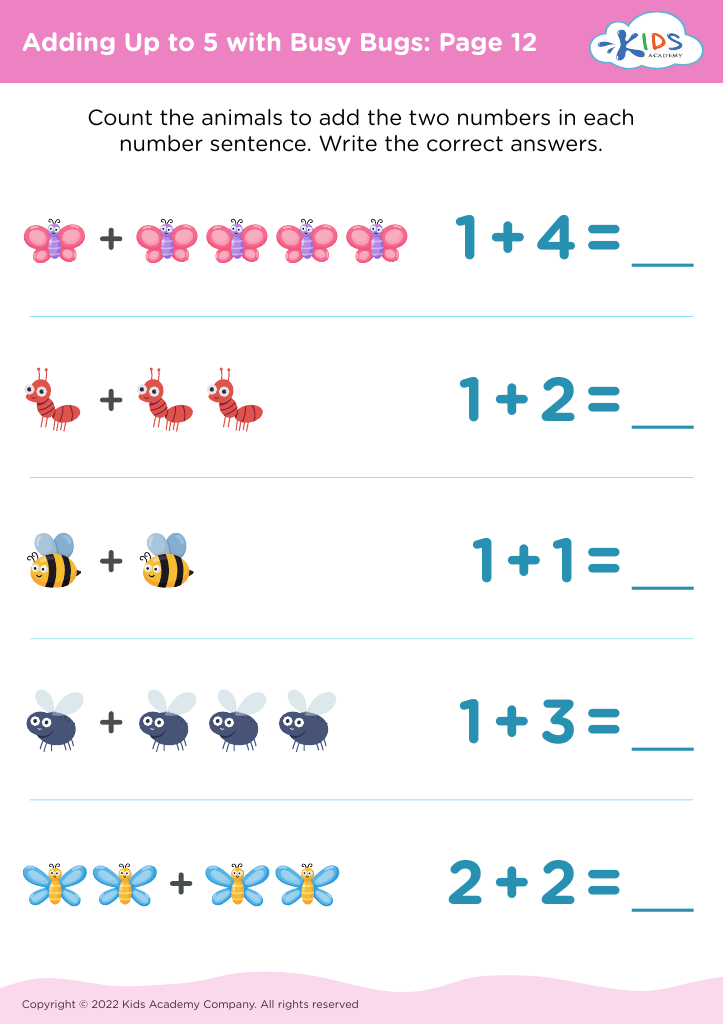
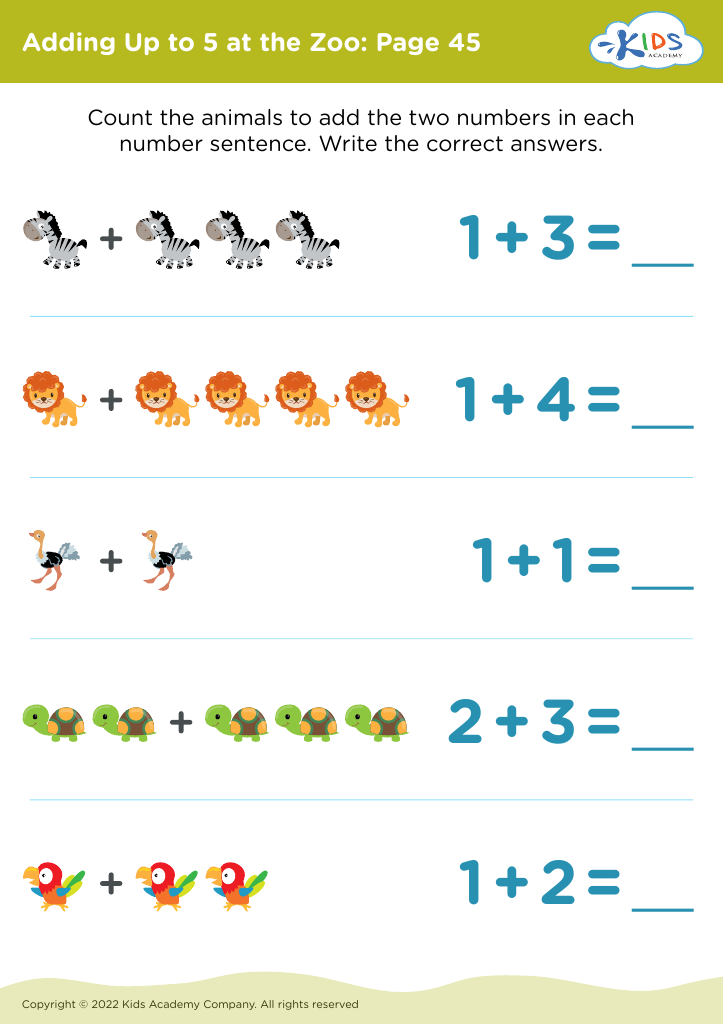
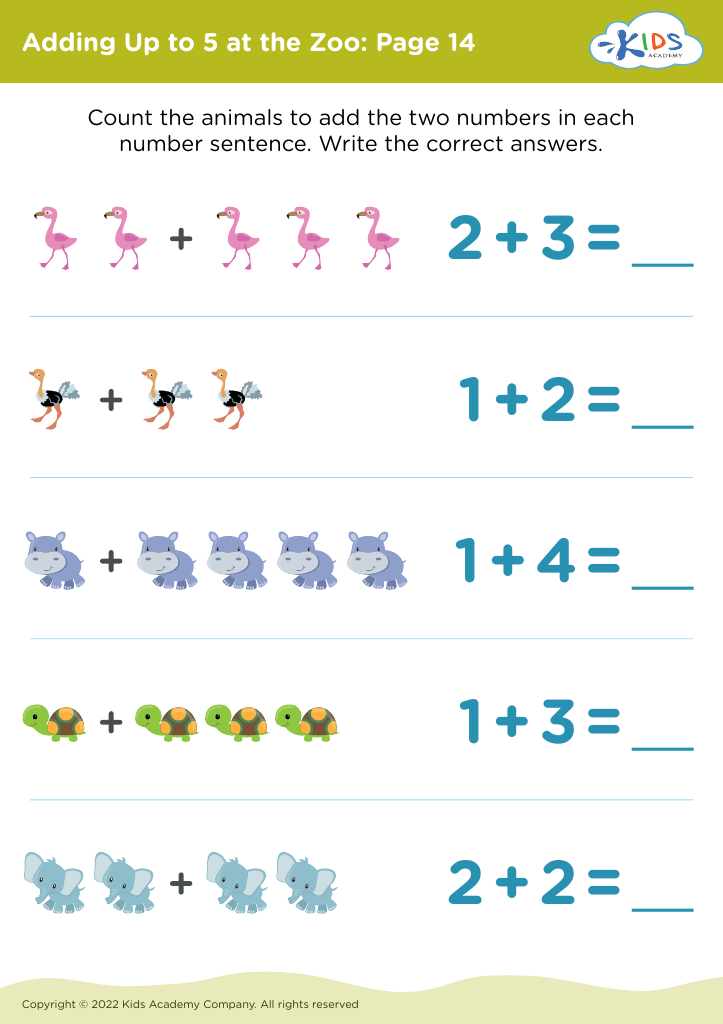
Welcome to our Understanding Number Value Worksheets for Ages 3-4! Designed to introduce young learners to the foundational concepts of numbers and their values, these engaging worksheets foster early numeracy skills in a fun and interactive way. Children will enjoy vibrant illustrations and hands-on activities tailored to enhance their understanding of counting, comparing, and recognizing quantities. With a blend of coloring, tracing, and matching exercises, our resources encourage active participation and help develop fine motor skills. Perfect for parents and educators, these worksheets create an enriching learning experience that lays the groundwork for future math comprehension. Dive into the world of numbers today!






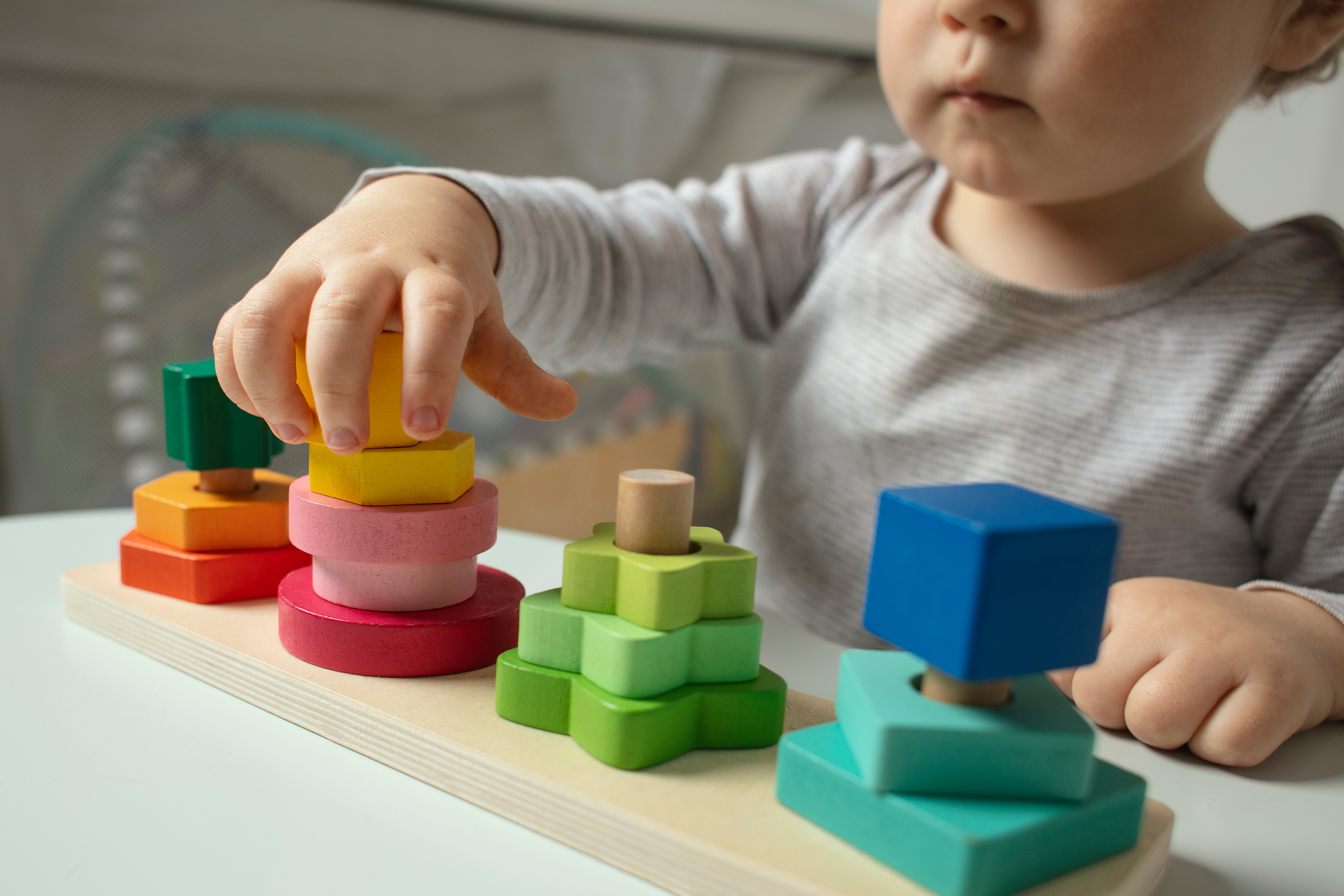
Understanding number value is a foundational skill that significantly influences a child's future mathematical abilities and overall cognitive development. For children ages 3-4, this stage is critical as they begin to grasp basic numerical concepts. Parents and teachers should prioritize this learning process because it not only sets the stage for arithmetic skills but also enhances critical thinking and problem-solving abilities.
When children understand number values, they develop better number sense, which aids in everyday tasks such as counting objects, comparing quantities, and recognizing patterns. Engaging them in playful activities involving numbers—like counting toys or simple games—nurtures their curiosity and makes learning enjoyable.
Moreover, early numeracy skills provide a strong foundation for later academic success. Children who grasp these concepts early are more likely to excel in math during their school years, which can influence their self-esteem and motivation towards learning.
Involving parents and teachers in this process creates a rich learning environment. By collaborating to foster understanding of number value, they can create meaningful interactions that promote a child’s enthusiasm for learning and prepare them for lifelong mathematical challenges. Ultimately, investing time in these early experiences translates to lasting educational benefits.








