Understanding numbers Worksheets for Ages 3-4
4 filtered results
-
From - To
Welcome to our "Understanding Numbers Worksheets" designed specifically for children ages 3-4! Our engaging and colorful worksheets introduce young learners to the world of numbers through fun activities and illustrations. Kids will enjoy counting, recognizing, and writing numbers while developing essential pre-math skills. Each worksheet supports early cognitive development, fostering number recognition and basic counting abilities through interactive tasks. Perfect for parents and educators, these resources aim to make learning numbers exciting and accessible. Explore our collection now and help your little ones embark on a joyful journey towards number literacy!
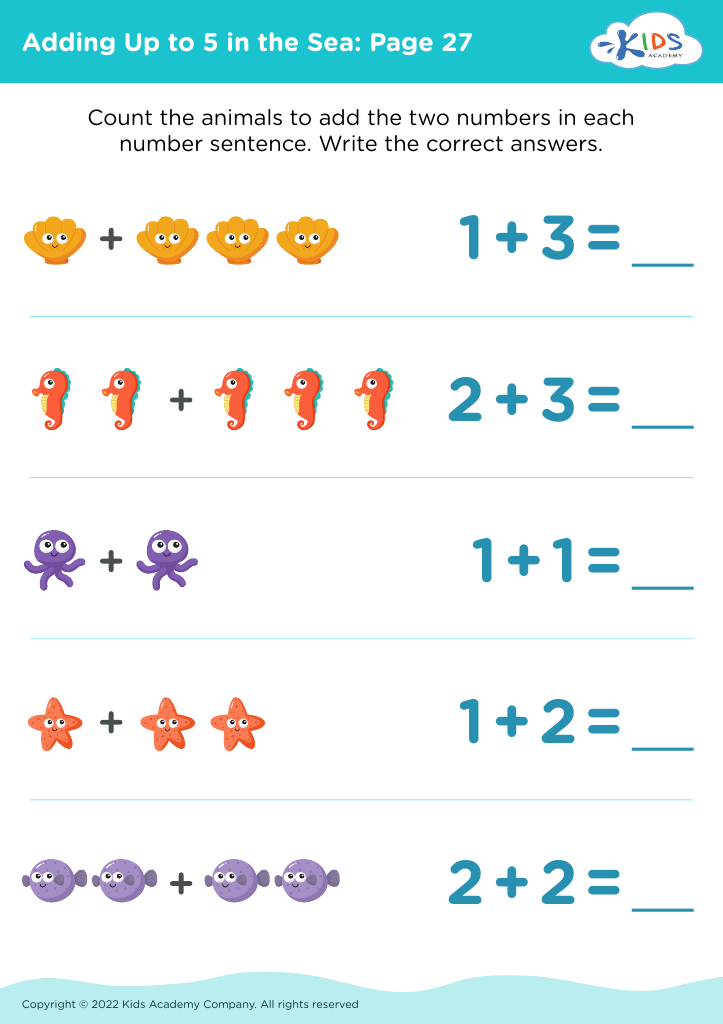
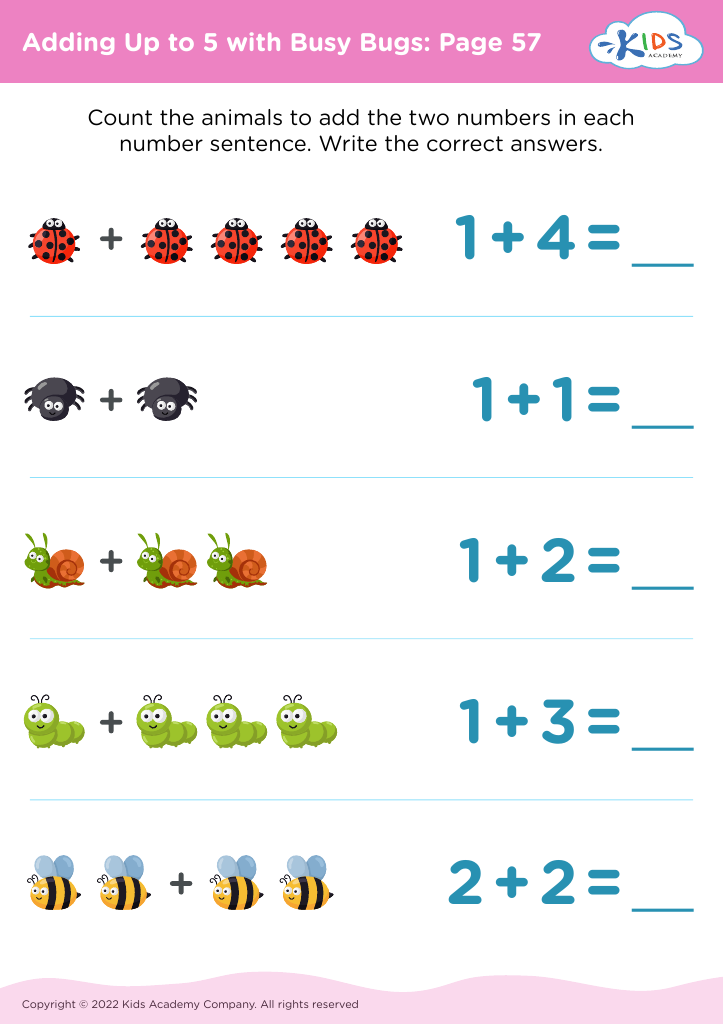
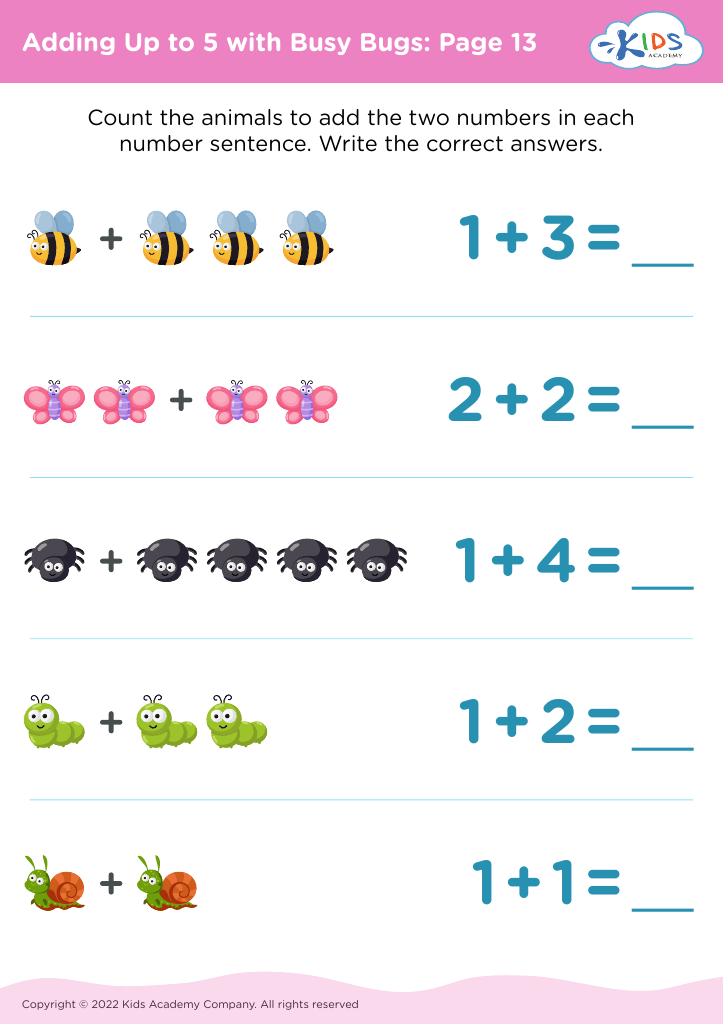
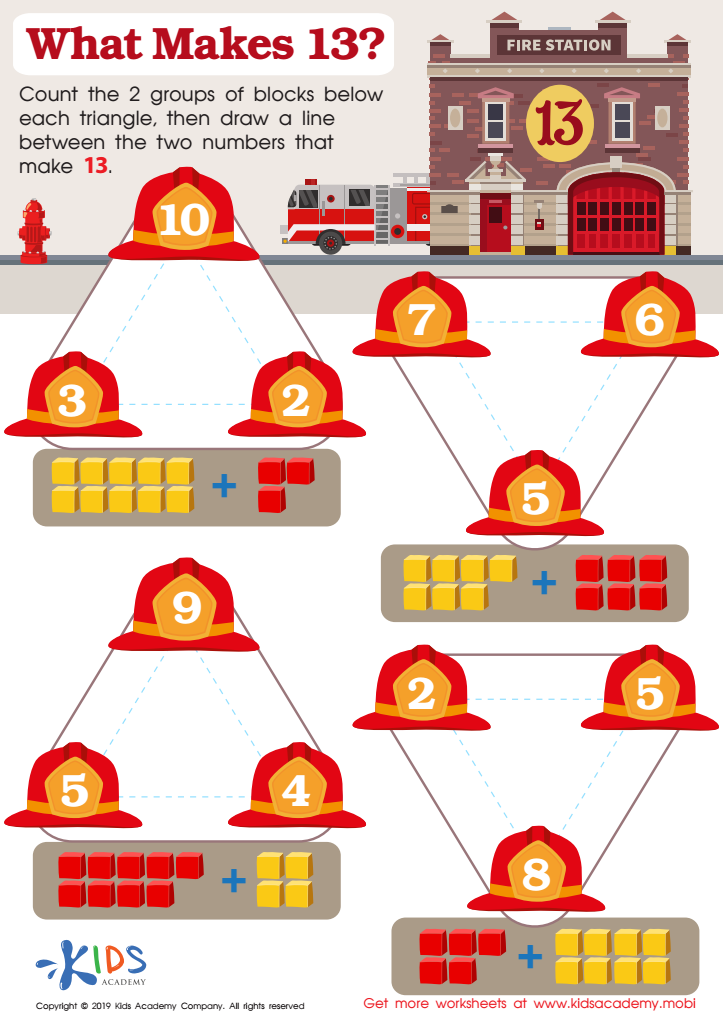
What Makes 13 Worksheet
 Assign to My Students






Understanding numbers at the ages of 3-4 is a pivotal part of a child's development, and it holds significant importance for both parents and teachers. This early stage of learning lays the foundation for future mathematical skills and cognitive development. When children grasp the concept of numbers, they begin to recognize quantities, make comparisons, and establish spatial awareness.
Parents and teachers should care because this understanding enhances critical thinking and problem-solving abilities, which are essential not only in math but across various subjects. Introducing numbers in fun and engaging ways, such as through games, songs, and everyday activities, fosters a positive attitude towards learning.
Moreover, early numeracy skills have been linked to long-term academic success. Children who can understand and manipulate numbers at a young age are more likely to excel in later grades, setting the groundwork for a lifetime of learning.
Additionally, by recognizing the importance of number recognition, parents and teachers can work together to provide the necessary support and resources, ensuring children reach their full potential. Investing time and effort into early number comprehension produces confident learners who are excited about education, benefitting their emotional and intellectual growth.








