Understanding numerical values Worksheets for Ages 3-4
4 filtered results
-
From - To
Our "Understanding Numerical Values" worksheets are thoughtfully designed for children aged 3-4 to lay the foundation for early math skills. These engaging, colorful printables introduce young learners to basic numerical concepts through fun activities like counting, matching, and simple puzzles. The worksheets help kids recognize numbers, understand quantities, and develop confidence in their counting abilities. By incorporating playful illustrations and hands-on exercises, we make learning about numbers an enjoyable experience that captures little ones' curiosity. Perfect for parents and educators, these worksheets are an excellent resource to support your child’s early mathematical exploration and growth.
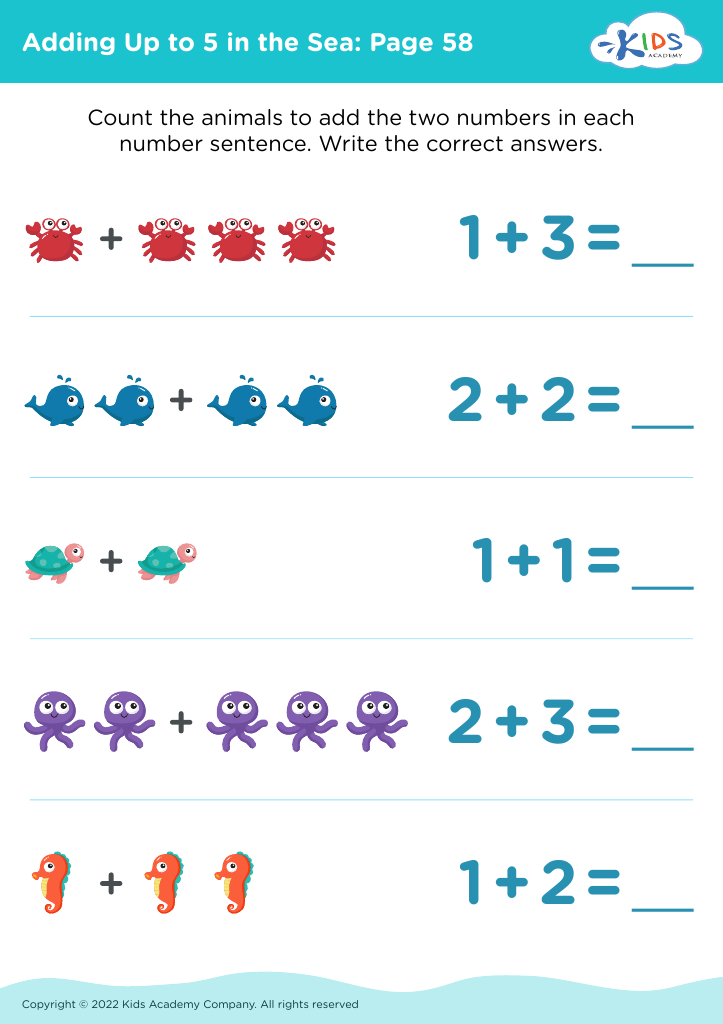
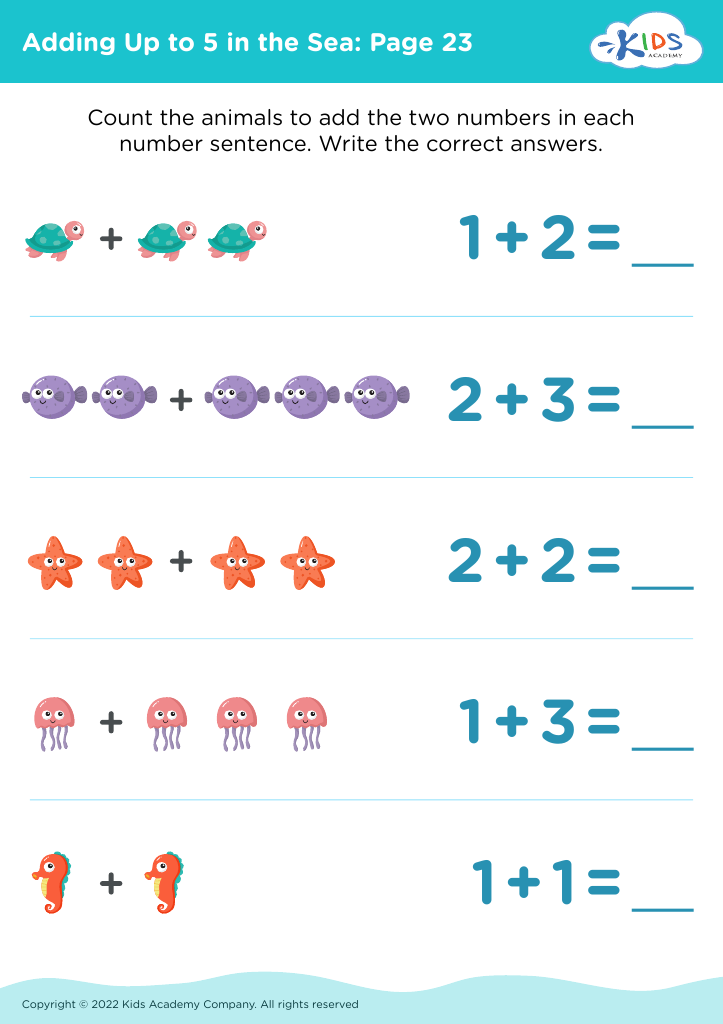
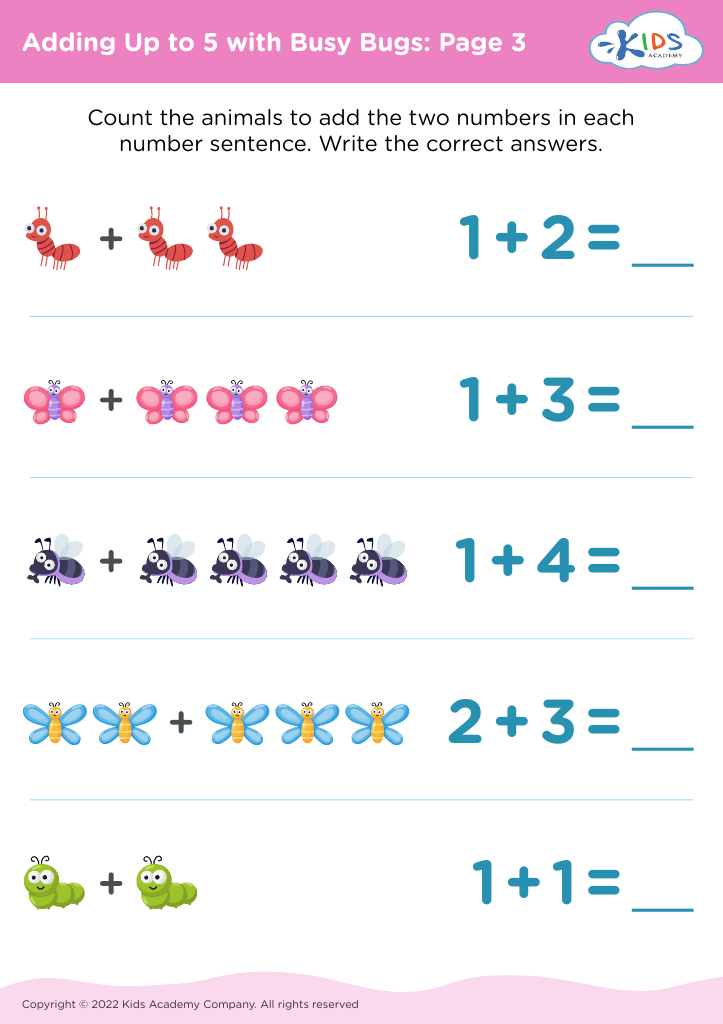
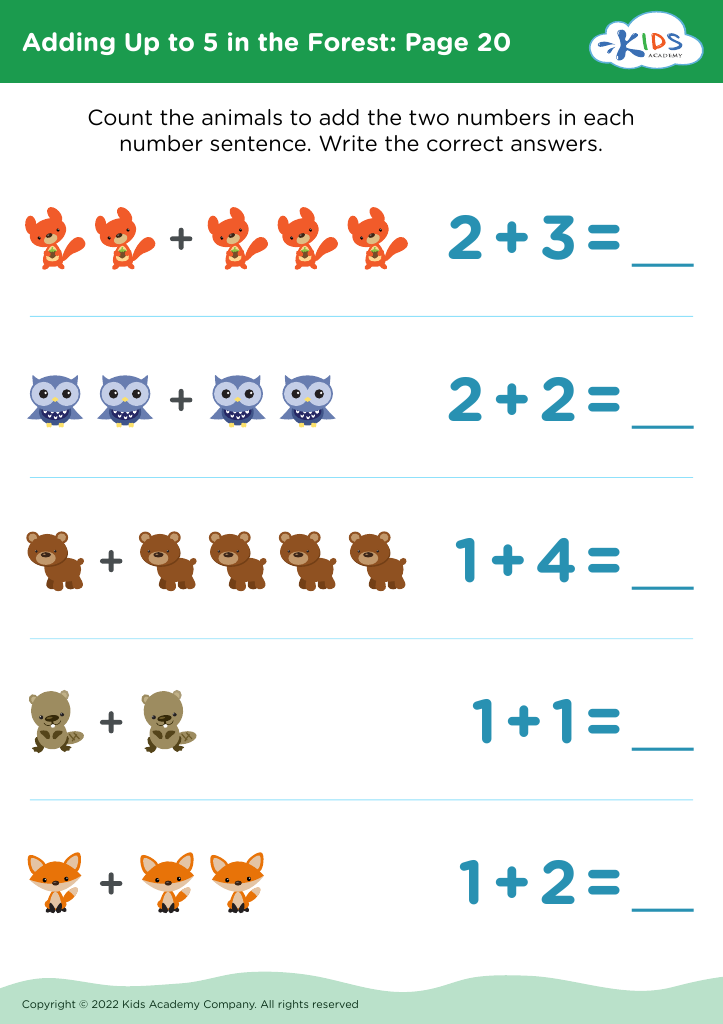








Understanding numerical values at ages 3-4 is vital for a child's holistic development because it lays the groundwork for future mathematical and cognitive skills. During these early years, children's brains are rapidly developing, and introducing them to numerical concepts helps stimulate their cognitive processes and problem-solving abilities.
When parents and teachers focus on teaching numbers to young children, they are not just addressing mathematical skills but also enhancing their overall intelligence. Recognizing numbers and understanding their values help children with logical thinking, pattern recognition, and spatial awareness—all essential skills that extend well beyond math.
Early familiarity with numbers can also boost a child's confidence. If children can successfully navigate counting objects, recognizing quantities, or even playing simple number games, they build self-esteem and gain a positive attitude towards learning. This early success can make transitioning to more complex concepts in later grades smoother and less intimidating.
Moreover, numerical understanding promotes practical life skills. For instance, recognizing quantities helps with dividing snacks equally or understanding time. Teachers and parents contribute significantly by incorporating numbers into daily activities, turning play into valuable learning experiences. By fostering a supportive and encouraging learning environment, they effectively prepare children for academic success and everyday problem-solving.








