Visual-motor skills Worksheets for Ages 3-4
4 filtered results
-
From - To
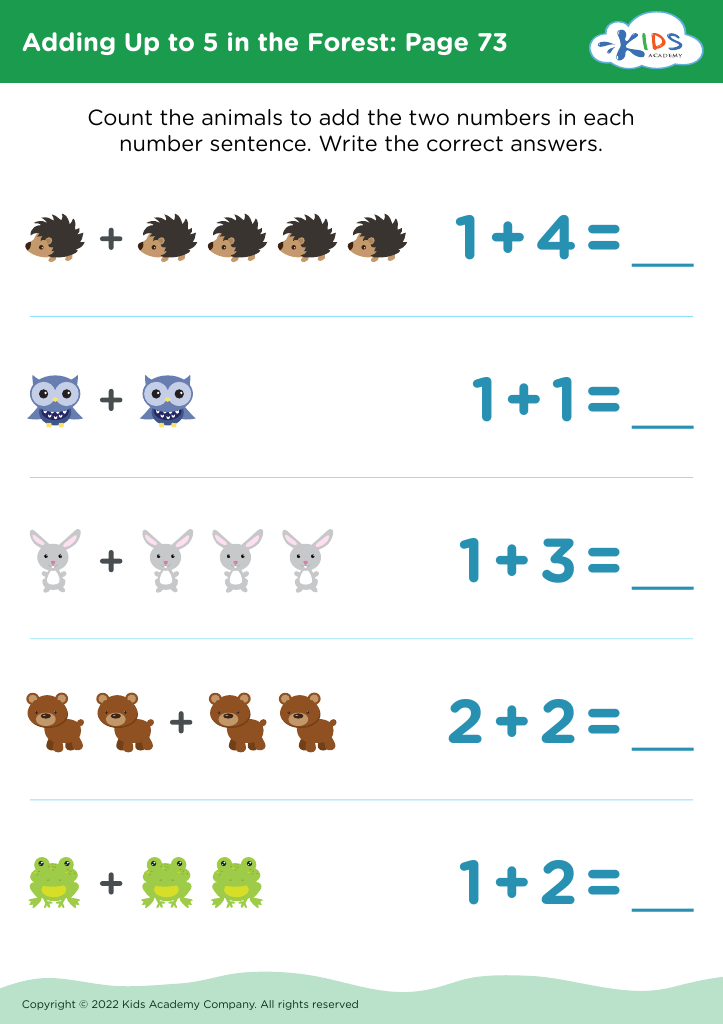
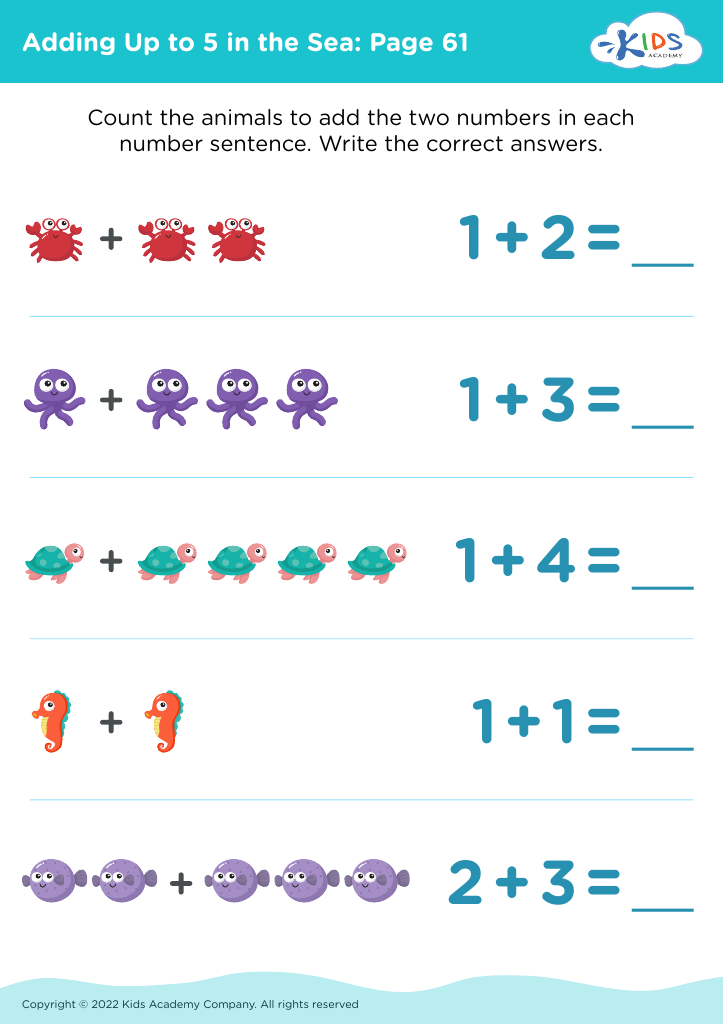
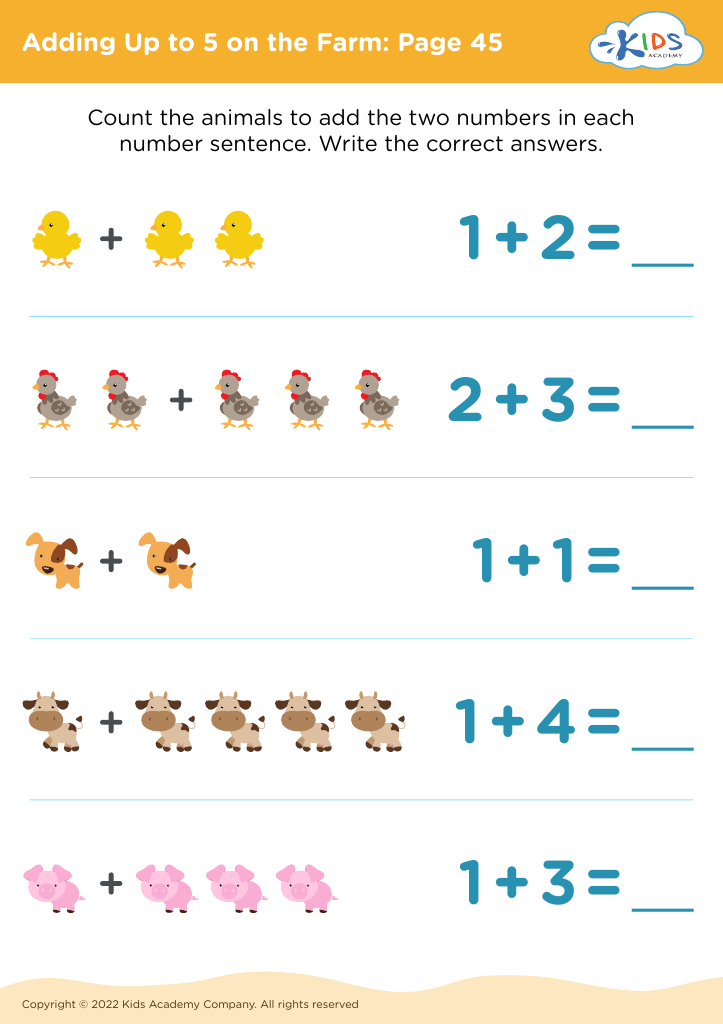
Introducing our engaging Visual-Motor Skills Worksheets for Ages 3-4, designed to enhance your child's coordination and problem-solving abilities. Our expertly crafted activities help young learners develop crucial visual-motor skills through fun and interactive tracing, coloring, and shape-matching exercises. These worksheets are perfect for building a strong foundation in early childhood education, ensuring your child gains the confidence and competence necessary for future learning. Easy to download and print, our resources offer a delightful blend of education and entertainment, guaranteeing a productive and enjoyable developmental experience. Boost your child’s growth with our carefully curated worksheets today!
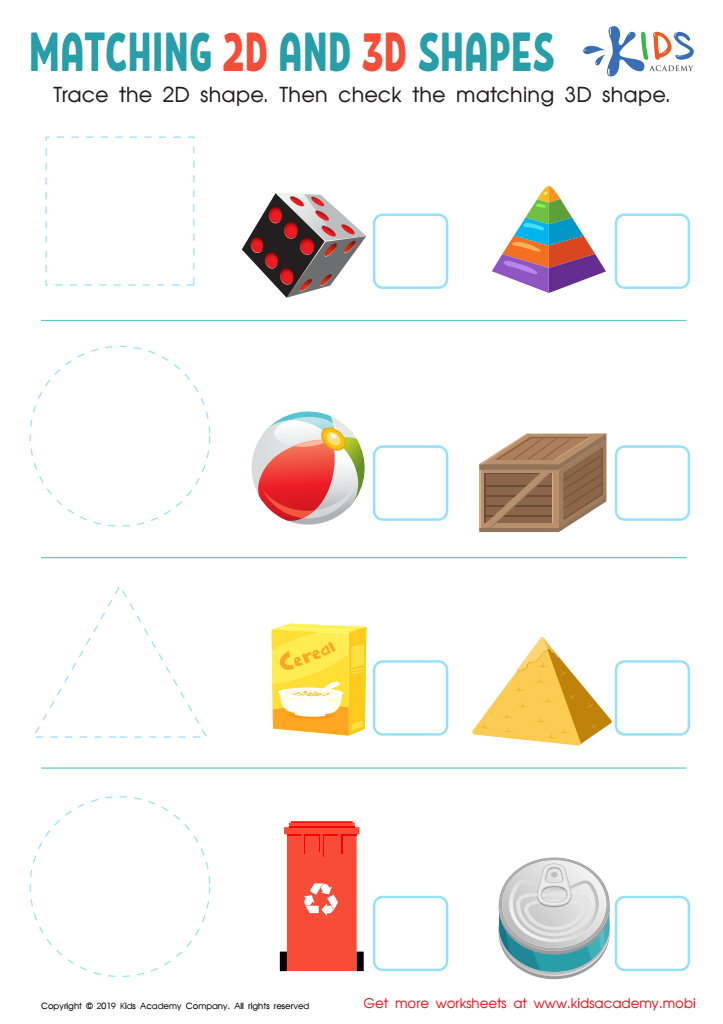
Matching 2D and 3D Shapes Worksheet
 Assign to My Students








Visual-motor skills are crucial for children ages 3-4 because they serve as the foundation for multiple developmental domains. These skills involve the coordination of visual perception and hand movement, playing a significant role in everyday tasks like drawing, writing, cutting, and even dressing. When children’s visual-motor skills are nurtured early, it sets them up for academic success because many classroom activities depend on this coordination. For example, holding a pencil correctly and learning to write letters necessitate well-developed visual-motor abilities.
Moreover, these skills are integral to cognitive development, encouraging problem-solving and enhancing spatial awareness. Effective visual-motor coordination helps children make sense of what they see and how they can physically interact with objects, leading to improved planning and executing tasks.
Socially, children with good visual-motor skills may engage more confidently in play and group activities, fostering interaction and teamwork. On the flip side, delays in these skills can lead to difficulties in schoolwork and daily routines, potentially impacting self-esteem. Thus, by focusing on activities that enhance visual-motor integration, such as puzzles, block building, or coloring, parents and teachers not only prepare children for academic success but also support their overall development and confidence in social situations.








