Word association skills Worksheets for Ages 3-4
4 filtered results
-
From - To
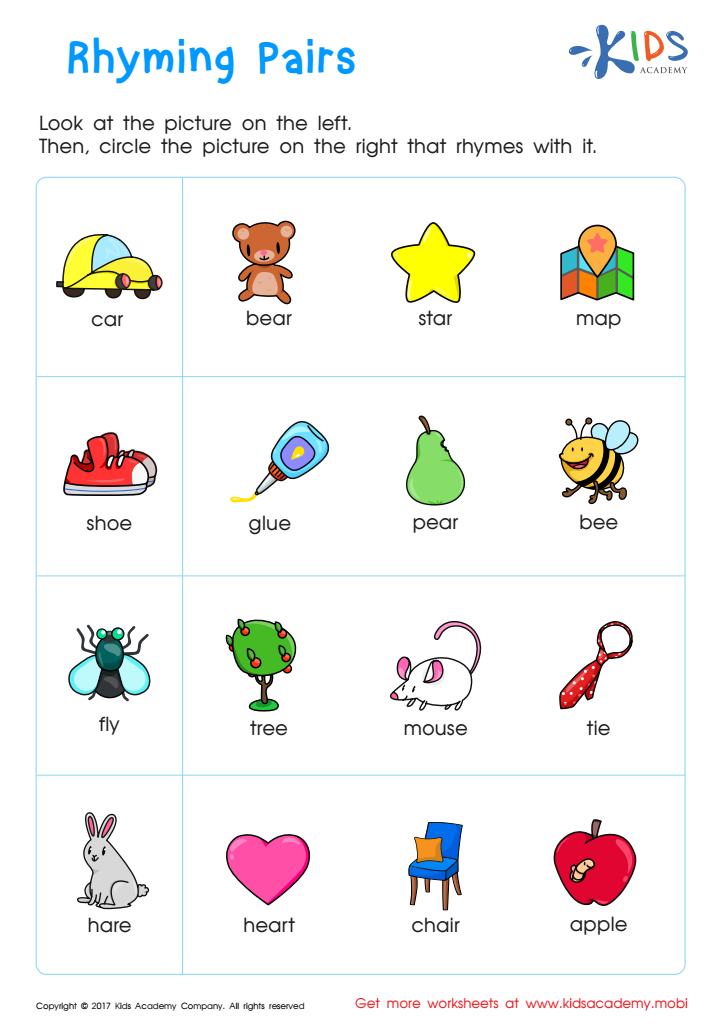
Enhance your child's language development with our engaging Word Association Skills Worksheets for Ages 3-4! Designed to spark creativity and cognitive growth, these worksheets encourage young learners to connect words with pictures and concepts. Each activity fosters critical thinking as children identify relationships between words, boosting vocabulary and comprehension. Perfect for preschool or home learning environments, our resources are colorful and interactive, ensuring kids stay motivated while they learn. Explore our collection to support your child's communication skills and lay a solid foundation for future literacy. Join us in making learning fun and effective with these essential word association exercises!
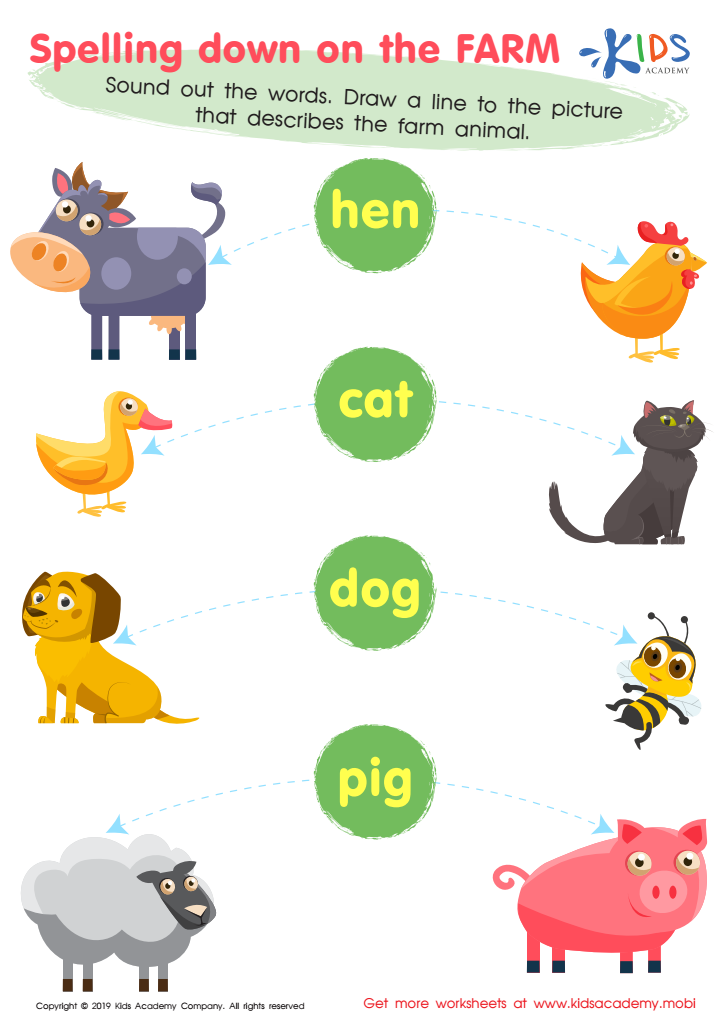
Spelling Down on the Farm Worksheet
 Assign to My Students
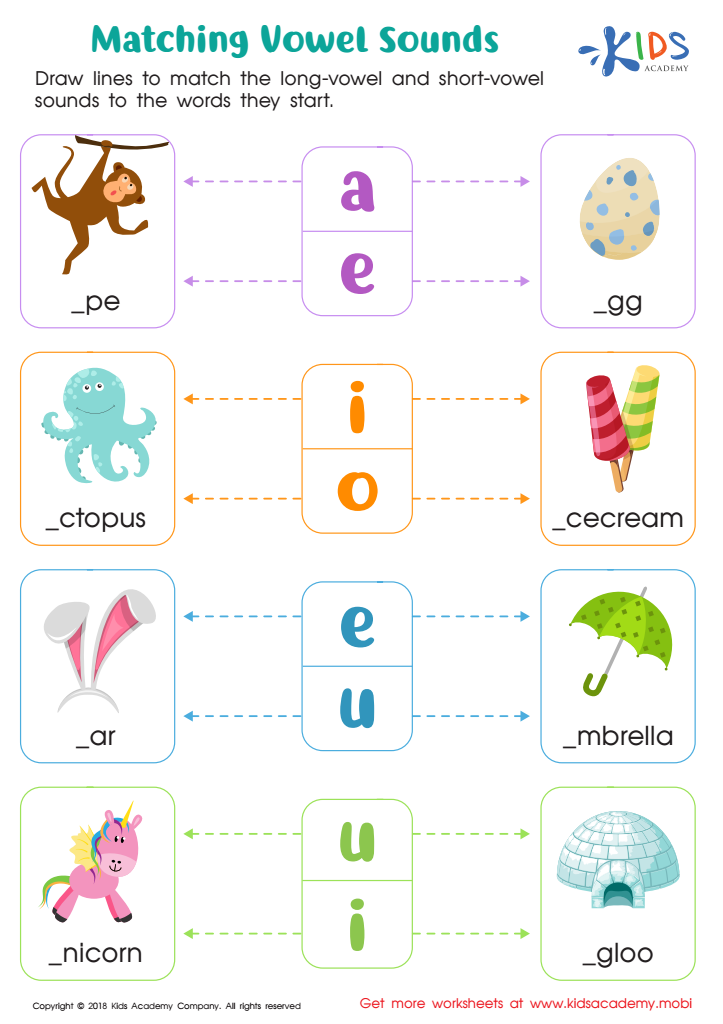
Matching Vowel Sounds Worksheet
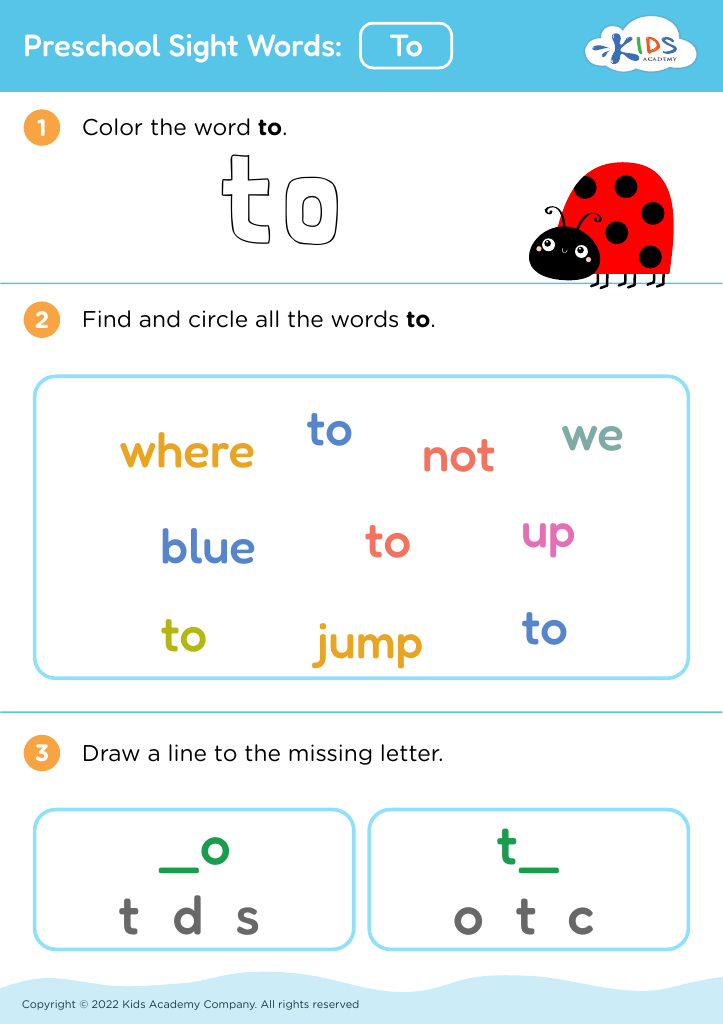



.jpg)

Word association skills are crucial for children aged 3 to 4 as they play a foundational role in language development and cognitive processing. During these formative years, children begin to expand their vocabulary and understand connections between words, which enhances their comprehension and communication abilities. Engaging in word association activities can help young learners make mental links between concepts, thereby reinforcing their understanding of language structures and meanings.
For parents and teachers, fostering these skills is essential because it lays the groundwork for literacy. When children can associate words with feelings, objects, and actions, it nurtures their ability to connect ideas and express themselves more effectively. These skills also contribute to academic success during later educational stages, where vocabulary breadth and depth are pivotal.
Moreover, word association activities promote social interaction and can be a fun, shared experience. Encouraging play-based learning—such as rhyming games and storytelling—stimulates curiosity and cognitive growth. Ultimately, supporting the development of word association skills not only builds a child's language proficiency but also fosters critical thinking and creativity, equipping them with tools for lifelong learning. This makes it a vital focus for parents and educators alike during these early formative years.








