Color recognition Logic and Early Math Worksheets for Ages 3-4
4 filtered results
Difficulty Level
Grade
Age
-
From - To
Subject
Activity
Standards
Explore our engaging Color Recognition Logic and Early Math Worksheets, designed specifically for children aged 3-4! These worksheets offer fun, interactive activities that help young learners identify colors while honing their logic skills and foundational math concepts. Each worksheet is crafted to stimulate curiosity and encourage critical thinking, making learning enjoyable and effective. From matching colors to counting colorful objects, your little ones will strengthen their cognitive abilities through playful learning experiences. Perfect for parents and educators alike, these resources provide a delightful way to build essential skills in early childhood development. Start your child's colorful journey to learning today!
Favorites
With answer key
Interactive
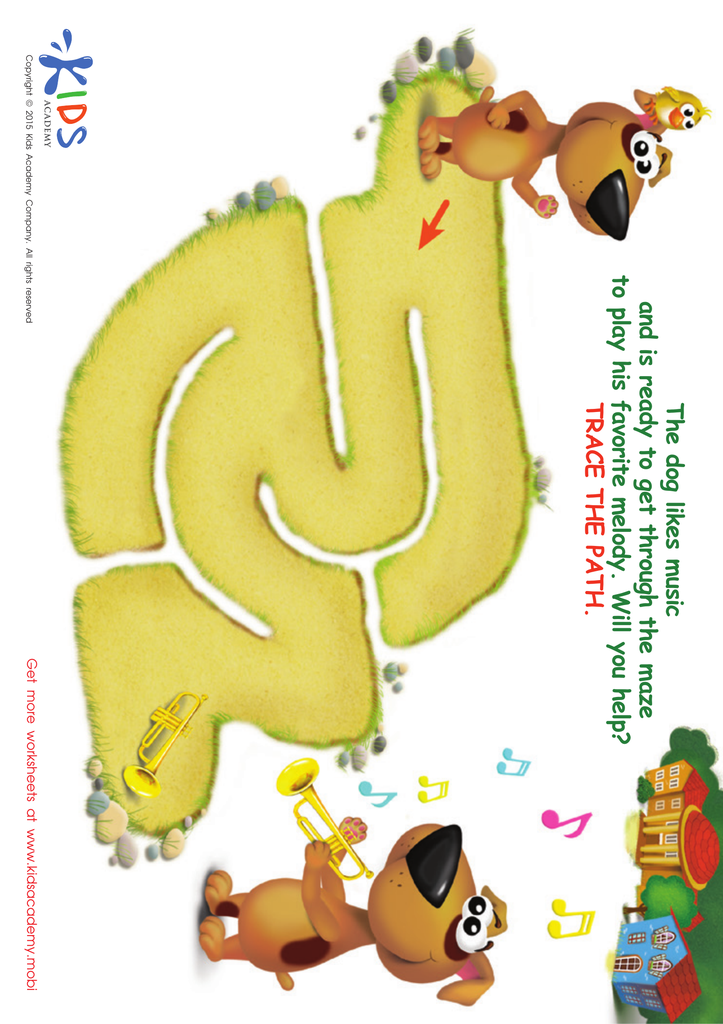
Trumpeter Maze Worksheet
Help your kid to find the way out of the maze to hear their favorite melody! Visit Kids Academy now and explore plenty of fun and educational resources.
Trumpeter Maze Worksheet
Worksheet
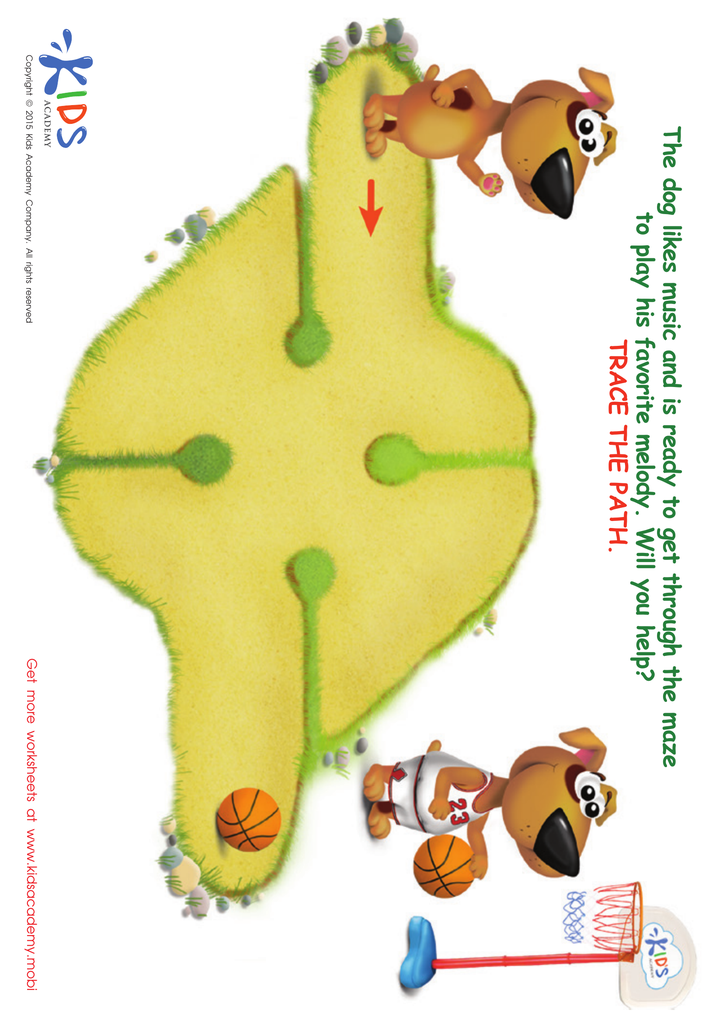
Basketball Player Maze Worksheet
Test your skills with our new printable maze worksheets, and help the little dog get his basketball! Trace the path carefully to get the ball and play together.
Basketball Player Maze Worksheet
Worksheet
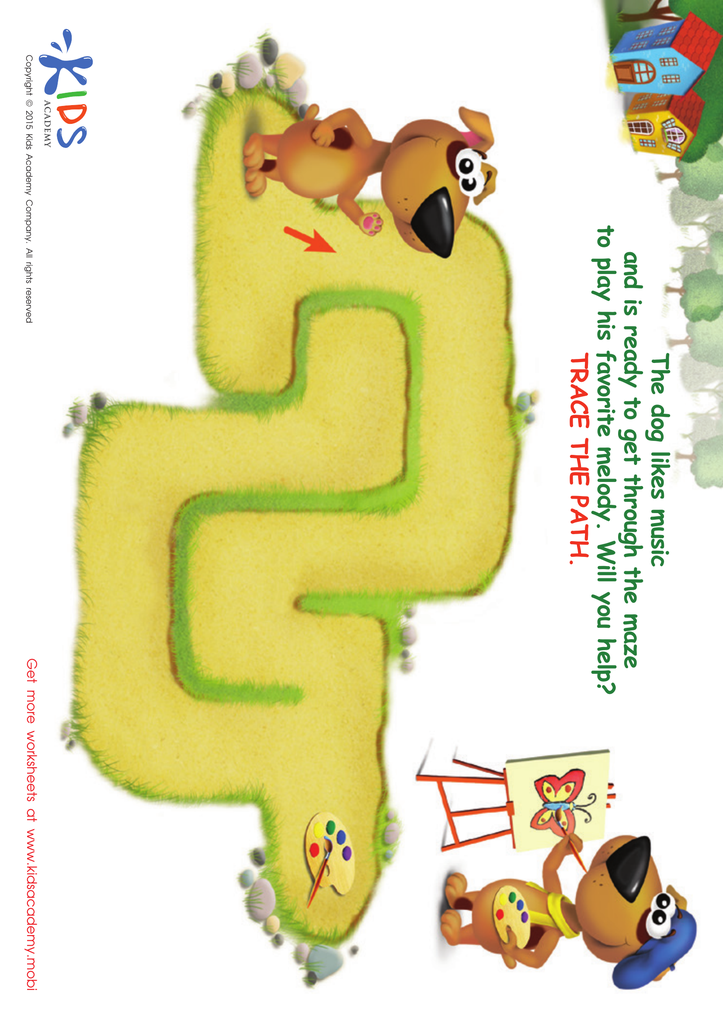
Artist Maze Worksheet
Try this new maze worksheet to help your child develop problem-solving skills. Let the pup traverse the path and create a masterpiece with the brush and paints on the other side! Give it a go now.
Artist Maze Worksheet
Worksheet
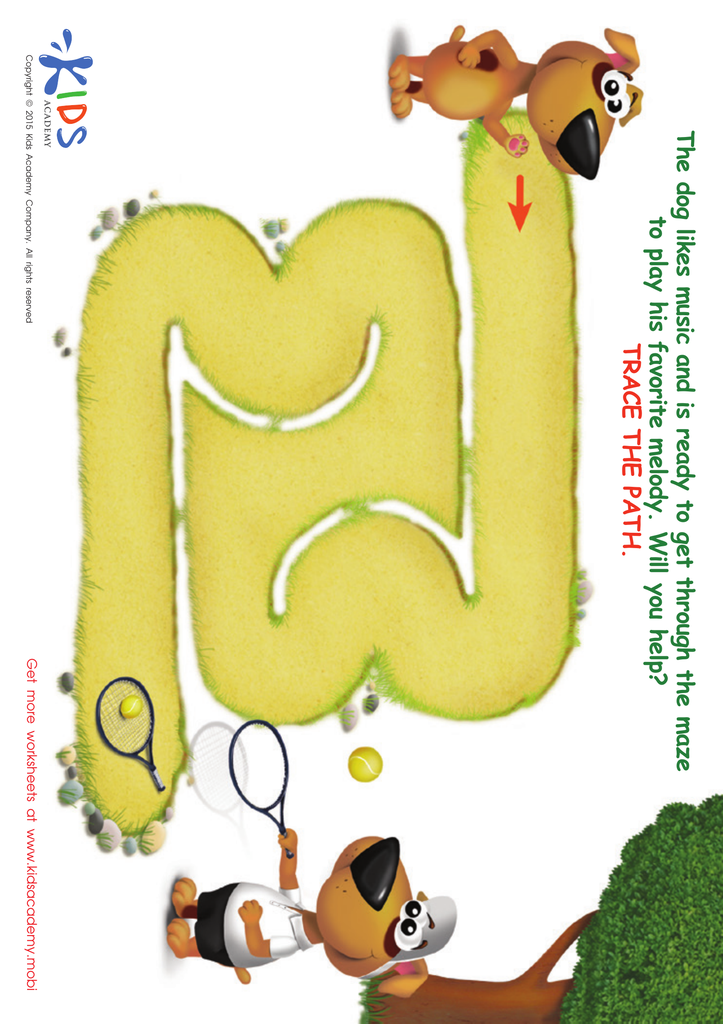
Tennis Player Maze Worksheet
Get them now and play together with your kids! Trace paths and help the dog find the racquets and balls. Fun and learning await.
Tennis Player Maze Worksheet
Worksheet
Join Kids Academy for Free
Who is primarily going to use this learning content?







Color recognition and early math skills are foundational learning areas for children aged 3-4, and both are essential for cognitive and social development. Understanding colors helps young learners make connections between visual stimuli and the world around them. It enhances their ability to categorize, express preferences, and engage in discussions, fostering communication skills. Colors also stimulate creativity and imagination, as children explore artistic activities.
Meanwhile, early math skills, including counting, sorting, and shape recognition, lay the groundwork for more complex mathematical understanding. Engaging in concepts such as number recognition and basic operations helps children develop critical thinking and problem-solving abilities. Both color recognition and early math prepare children for structured learning environments and encourage curiosity about patterns and relationships in their surroundings.
By integrating these skills into everyday activities, parents and teachers create a stimulating learning environment. Engaging in games and interactive discussions around colors and basic math not only makes learning enjoyable but also enhances academic readiness. Ultimately, cultivating these skills helps shape confident, capable learners who are well-prepared for the challenges of formal education, promoting lifelong learning pathways. Investing in these areas early on supports holistic development and empowers children to succeed academically and socially.