Following instructions Logic and Early Math Worksheets for Ages 3-4
5 filtered results
-
From - To
Explore our engaging "Following Instructions Logic and Early Math Worksheets" designed for children aged 3-4. These thoughtfully created worksheets promote critical thinking, creativity, and early math skills through fun instruction-based activities. Young learners will enhance their ability to follow directions while developing foundational concepts in counting, shapes, and patterns. Each worksheet nurtures problem-solving capabilities and boosts confidence, preparing children for future academic success. With vibrant illustrations and playful themes, these worksheets make learning enjoyable and interactive. Perfect for at-home or classroom use, they provide an excellent resource for parents and teachers seeking to inspire a love of learning in their little ones!
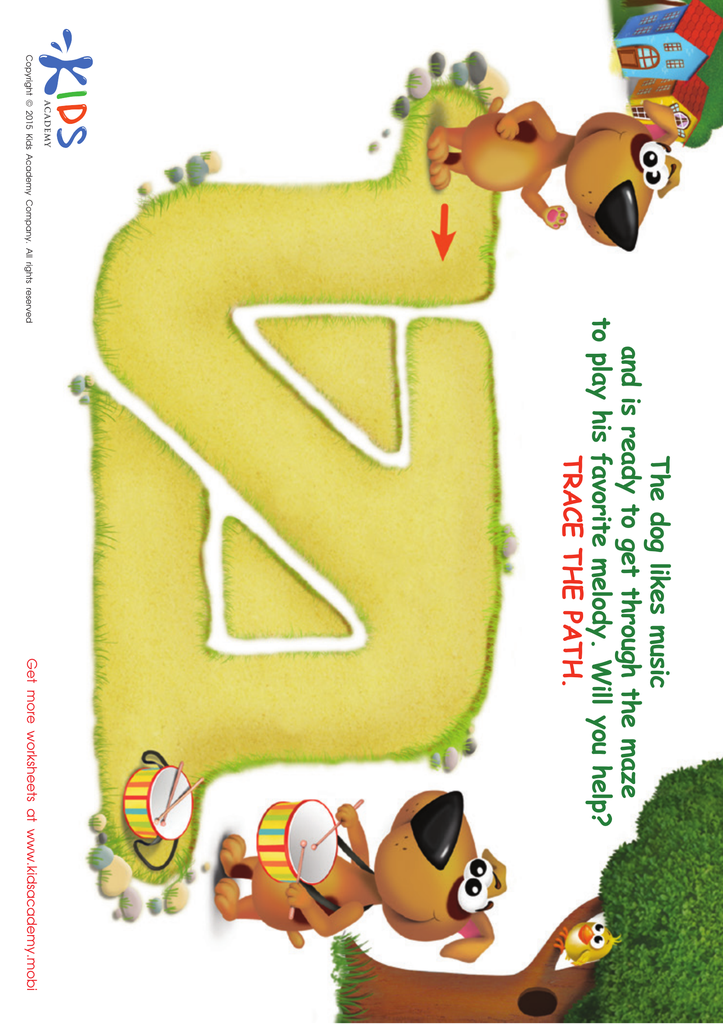
Drummer Maze Worksheet
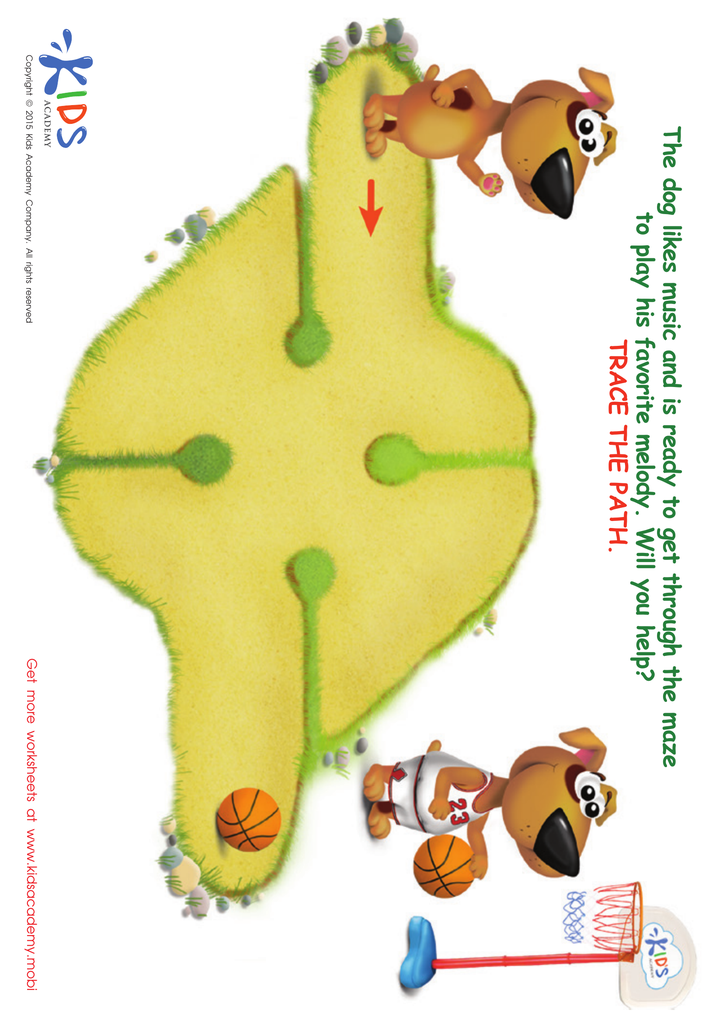
Basketball Player Maze Worksheet
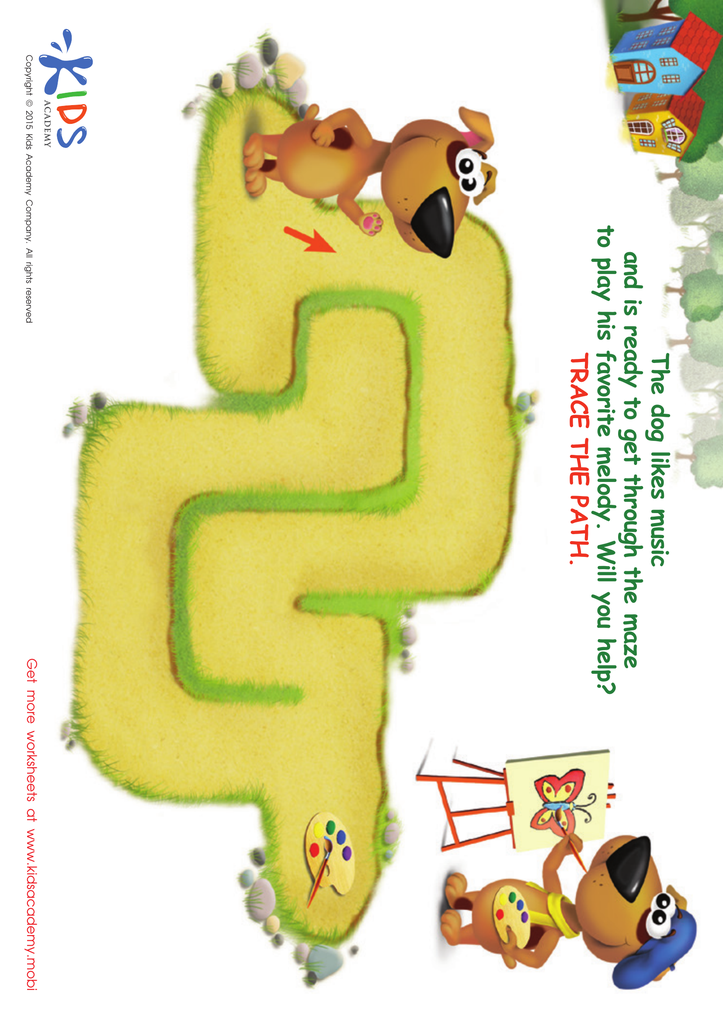
Artist Maze Worksheet

Tennis Player Maze Worksheet

Cook Maze Worksheet







Teaching following instructions, logic, and early math skills to children aged 3-4 is crucial for several reasons. At this age, children are rapidly developing their cognitive, social, and emotional skills, and these foundational abilities set the stage for future learning.
Firstly, following instructions enhances a child's ability to process information and engage in tasks. It cultivates listening skills, allowing them to understand and respond to verbal directions. This skill is vital not only in educational settings but also in everyday life, fostering independence and confidence.
Secondly, logical thinking teaches children how to sequence events, recognize patterns, and solve problems. These skills are essential as they navigate their environment, supporting reasoning and decision-making from an early age.
Lastly, early math lays the groundwork for numeracy and critical thinking. Simple activities, such as counting objects or sorting shapes, introduce children to mathematical concepts while encouraging curiosity and exploration.
By prioritizing these areas, parents and teachers not only prepare children for school success but also equip them with essential life skills. Engaging with following instructions, logic, and early math fosters a love of learning, promotes cognitive development, and supports social interaction, ultimately benefiting children’s overall growth.