Hand-eye Coordination Logic and Early Math Worksheets for Ages 3-4
3 filtered results
-
From - To
Discover fun and educational resources with our "Hand-eye Coordination Logic and Early Math Worksheets for Ages 3-4." Designed to blend play and learning, these printable worksheets help little ones develop crucial skills. By engaging in activities that combine hand-eye coordination with simple logic and early math tasks, children build a strong foundation for future learning. Each worksheet incorporates colorful images, shapes, and lines to guide preschoolers gently through essential early childhood concepts, ensuring they enjoy the process. Perfect for parents and educators seeking interactive ways to support young learners' development at home or in the classroom.
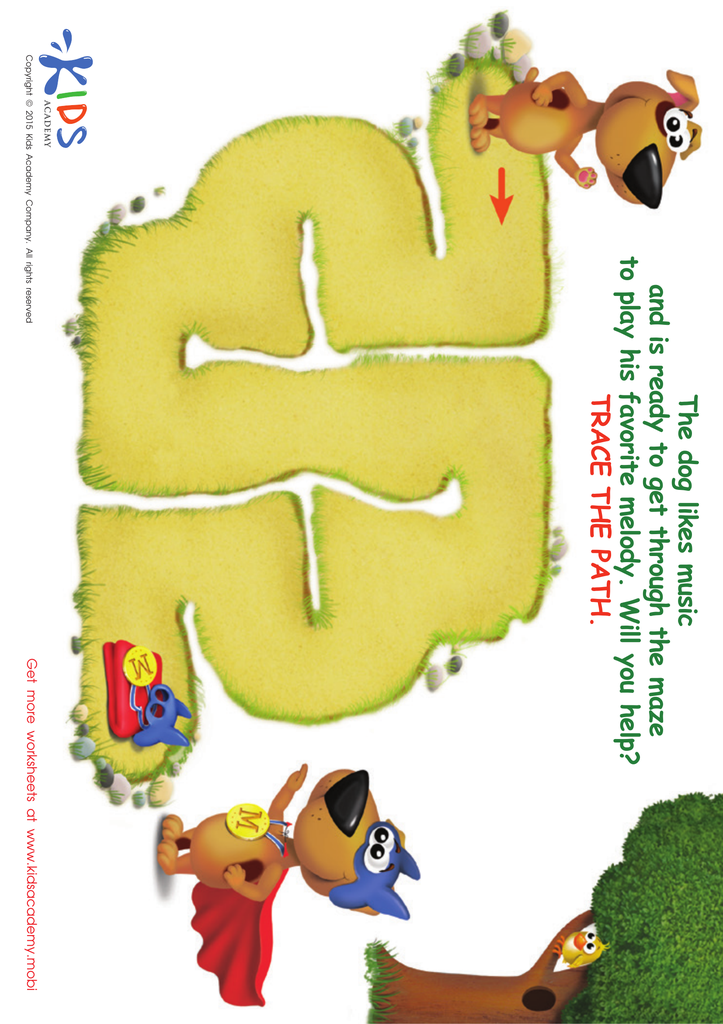
Superman Maze Worksheet
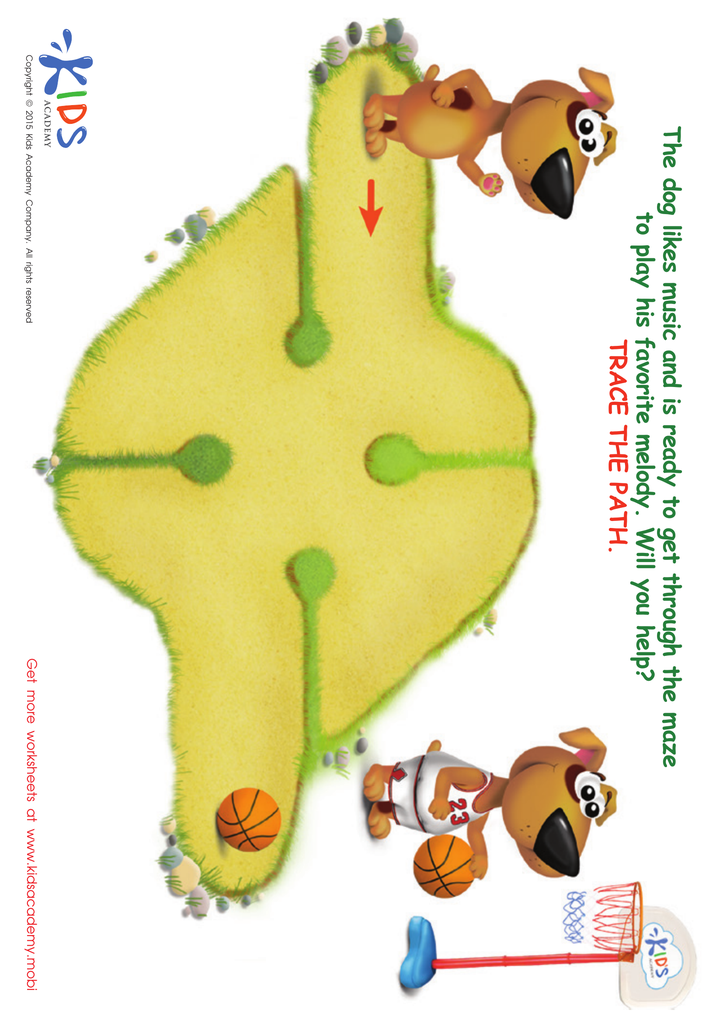
Basketball Player Maze Worksheet
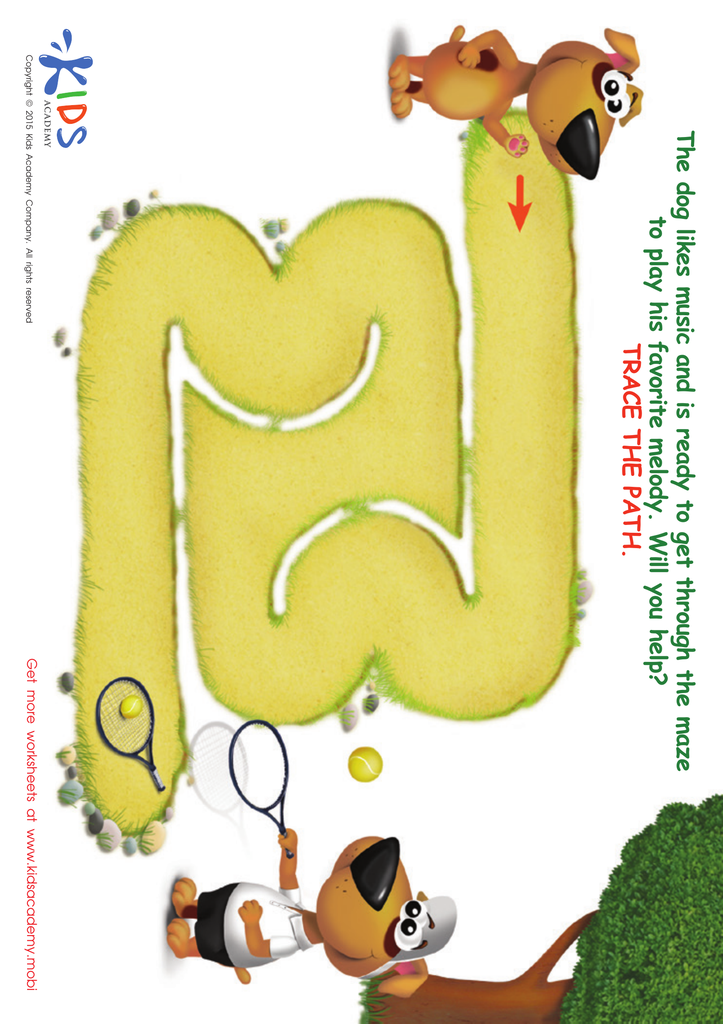
Tennis Player Maze Worksheet


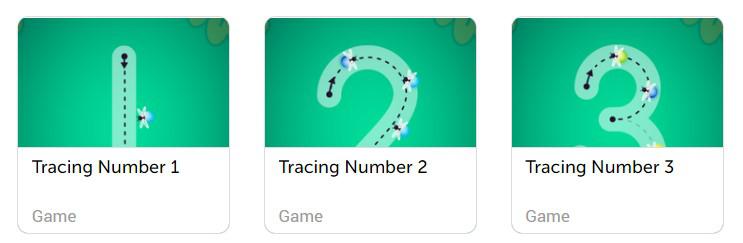





Parents and teachers should prioritize hand-eye coordination, logic, and early math skills in children aged 3-4 because these foundations are crucial for their overall development and future learning success. Hand-eye coordination, the ability to synchronize visual input with hand movement, plays a significant role in everyday tasks such as writing, cutting with scissors, and sports. Enhancing this skill can lead to improved fine motor abilities, boosting a child's ability to perform tasks with greater precision and confidence.
Logical thinking and problem-solving skills are also essential at this age. Introducing children to simple logic exercises can foster critical thinking, helping them understand cause and effect, make comparisons, and recognize patterns. These skills are not only fundamental for academic success but also for day-to-day decision-making and problem-solving.
Early exposure to math concepts sets the stage for future learning. Math skills in early childhood, such as counting, recognizing numbers, and understanding shapes, build a foundation for more complex mathematical concepts. Engaging children in playful, hands-on math activities can boost their confidence and curiosity, making learning a fun and integral part of their life.
In summary, emphasizing hand-eye coordination, logic, and math during early childhood supports cognitive and physical development, preparing children for academic and social challenges ahead.