Pattern recognition 2D Shapes Worksheets for Ages 3-4
3 filtered results
-
From - To
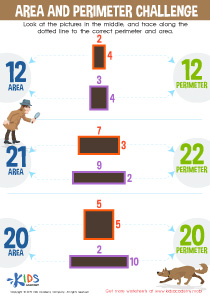
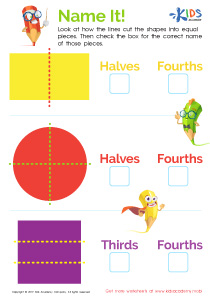
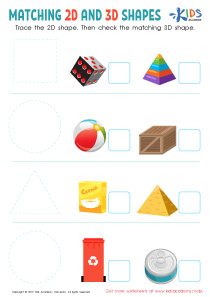
Unlock your child's creative potential with our engaging Pattern Recognition 2D Shapes Worksheets designed specifically for ages 3-4! These printable activities introduce young learners to essential math concepts while enhancing their observational and analytical skills. Each worksheet encourages children to identify, match, and create patterns using vibrant 2D shapes, fostering critical thinking and problem-solving abilities. Fun and interactive, these worksheets support early childhood education by promoting cognitive development through play. Perfect for home or classroom use, our pattern recognition activities provide a strong foundation for geometric understanding, making math enjoyable as toddlers embark on their learning journey. Explore and print these exciting resources today!
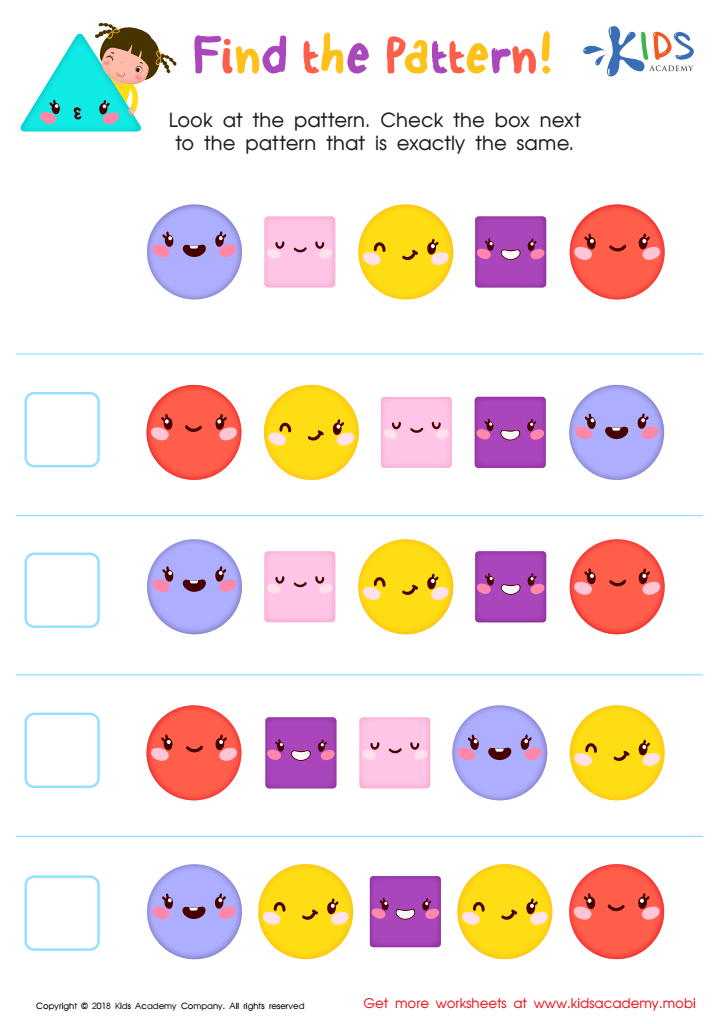
Find the Pattern Worksheet
 Assign to My Students

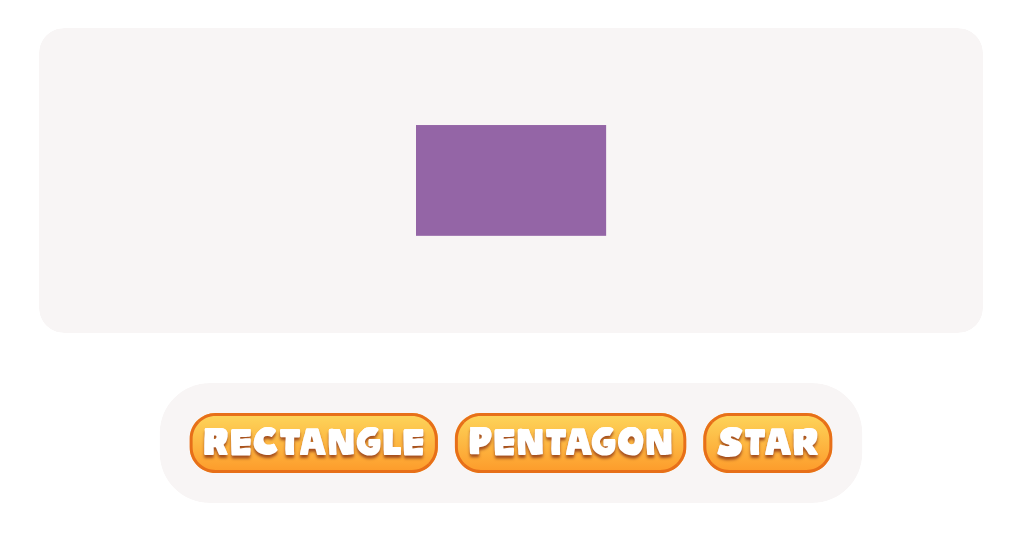
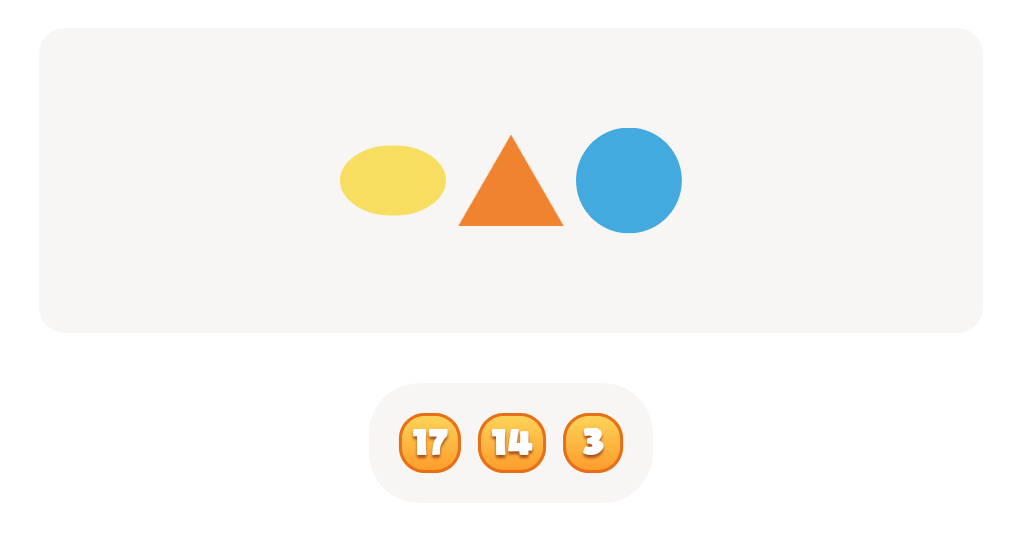
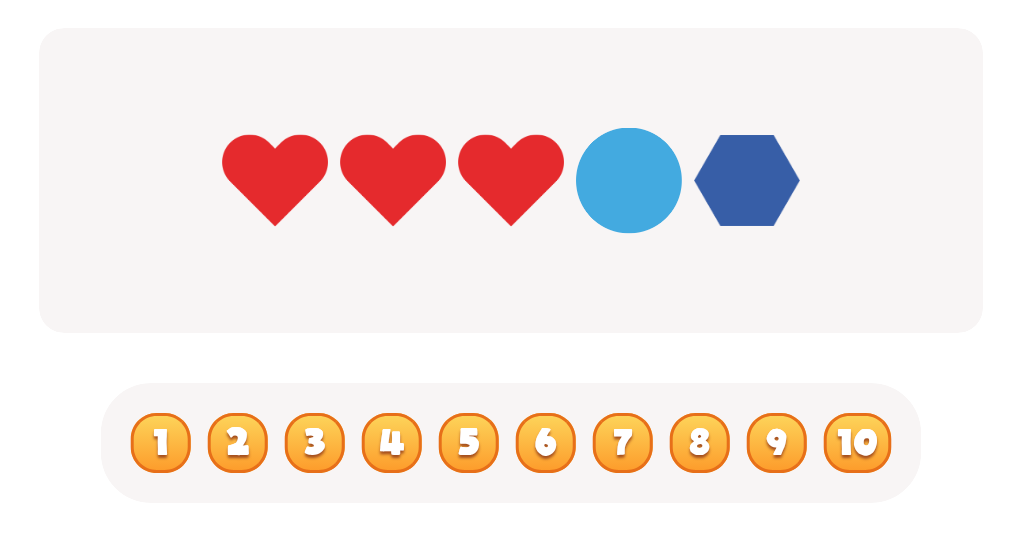
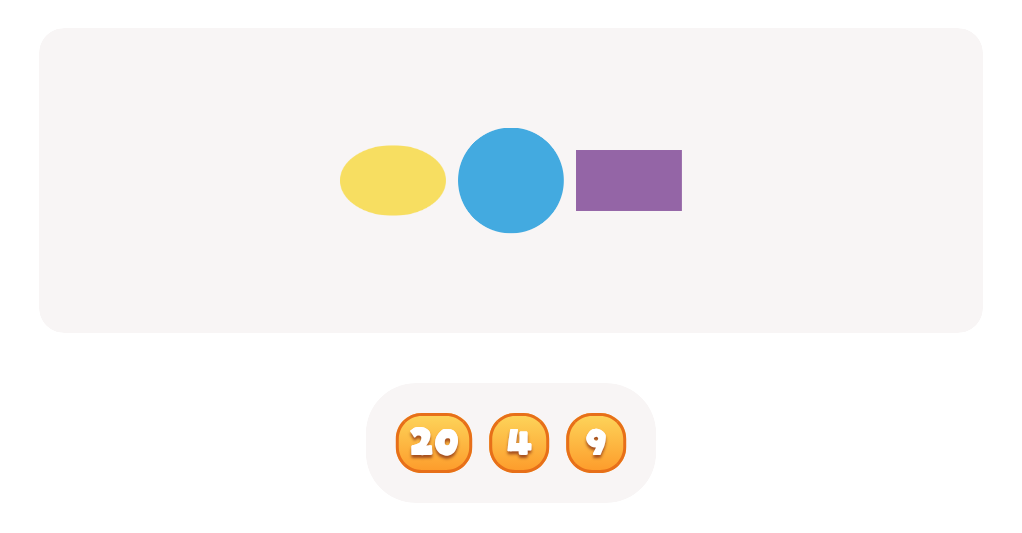
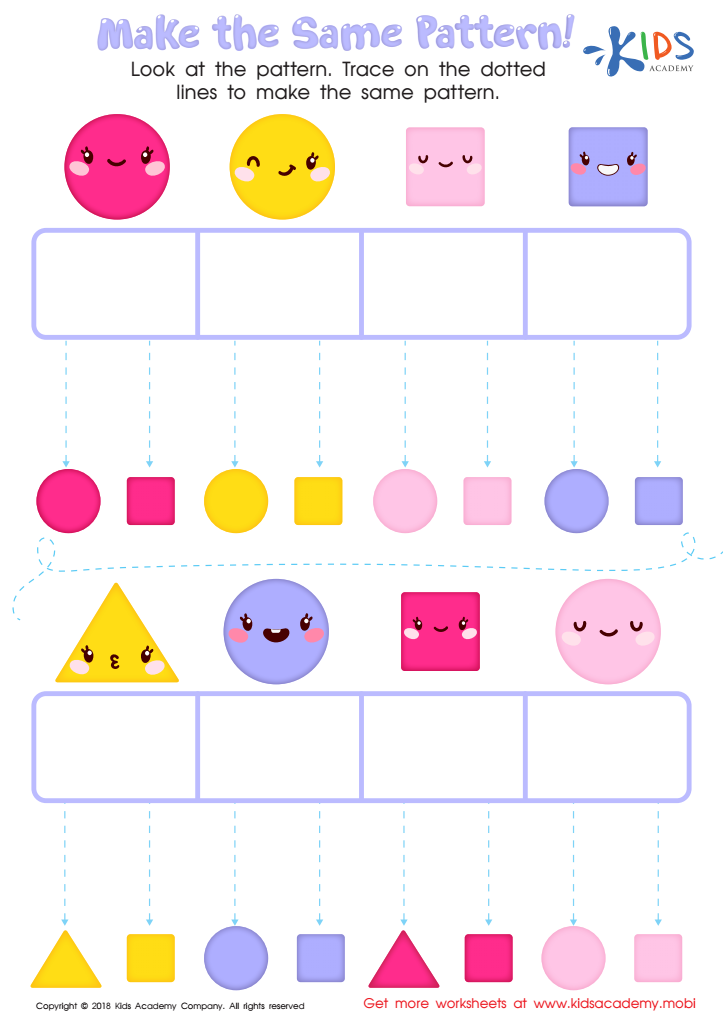
Make the Same Pattern Worksheet
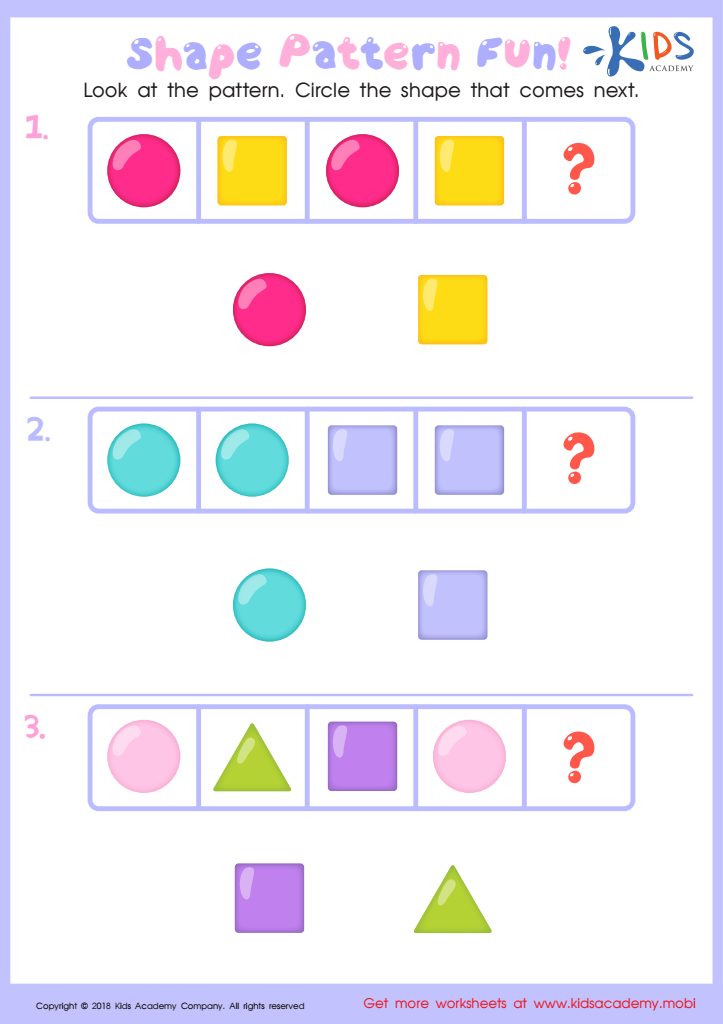
Shape Pattern Fun Worksheet








Pattern recognition and understanding 2D shapes are foundational skills for children aged 3-4 and are crucial for their cognitive development. Engaging with these concepts lays the groundwork for mathematical thinking and future academic success. At this age, children are naturally curious and exploratory, and introducing patterns and shapes helps foster their analytical skills and enhances their ability to identify similarities and differences.
Understanding 2D shapes, such as squares, circles, and triangles, offers preschoolers a basis for learning more complex geometric concepts. It helps them develop spatial awareness, an essential skill not only in math but also in everyday life. Recognizing patterns, whether in colors or shapes, boosts memory and critical thinking abilities, equipping children to predict outcomes and make connections between different concepts.
Additionally, these activities promote fine motor skills through hands-on experiences, like identifying shapes in the environment or creating patterns with blocks and beads. For parents and teachers, incorporating pattern recognition and shape identification into play or classroom activities encourages a love for learning and sets a positive tone for future educational experiences. Ultimately, nurturing these skills in early childhood contributes to well-rounded, confident learners who are prepared for school and lifelong learning.