Reading comprehension 2D Shapes Worksheets for Ages 3-4
4 filtered results
-
From - To
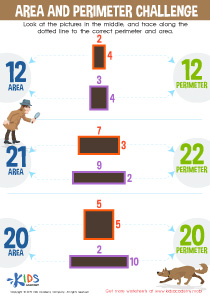
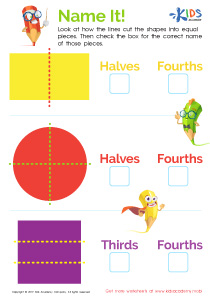
Explore our engaging 2D Shapes Worksheets designed specifically for ages 3-4, where young learners can enhance their reading comprehension skills while discovering the world of shapes. These colorful and interactive worksheets feature fun activities that combine shape recognition with simple reading tasks, helping children understand the relationship between words and images. Perfect for preschool classrooms or home learning, our resources foster early literacy while introducing fundamental geometric concepts. Download and print these worksheets to create a stimulating educational experience that will inspire curiosity and enhance critical thinking skills in your little ones. Shape learning has never been this enjoyable!
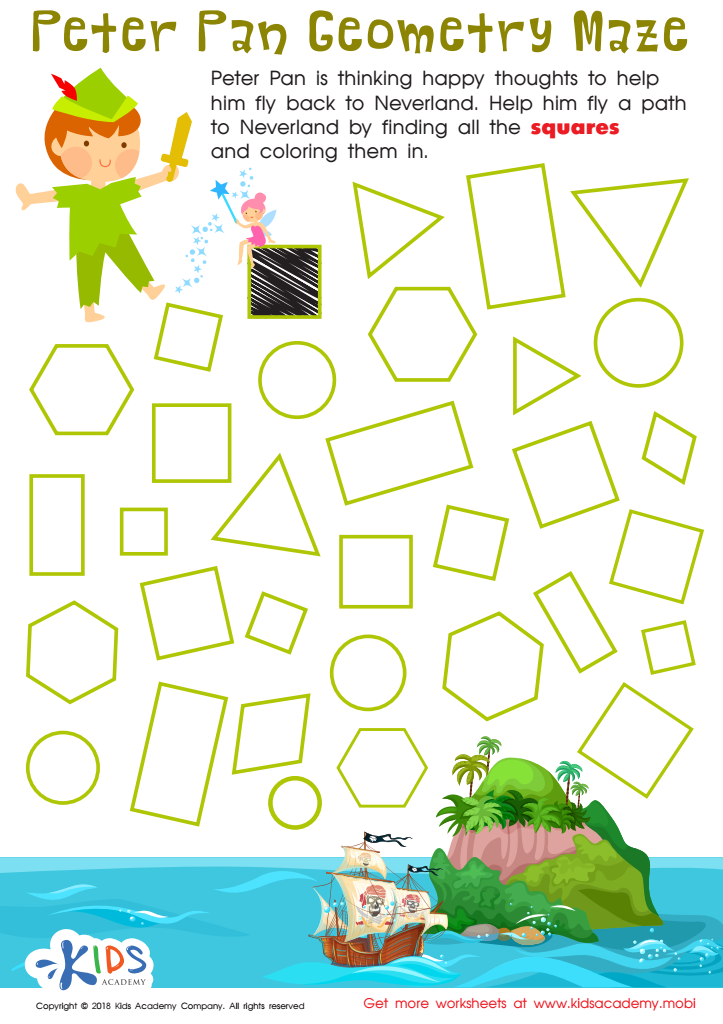
Peter Pan Worksheet
 Assign to My Students











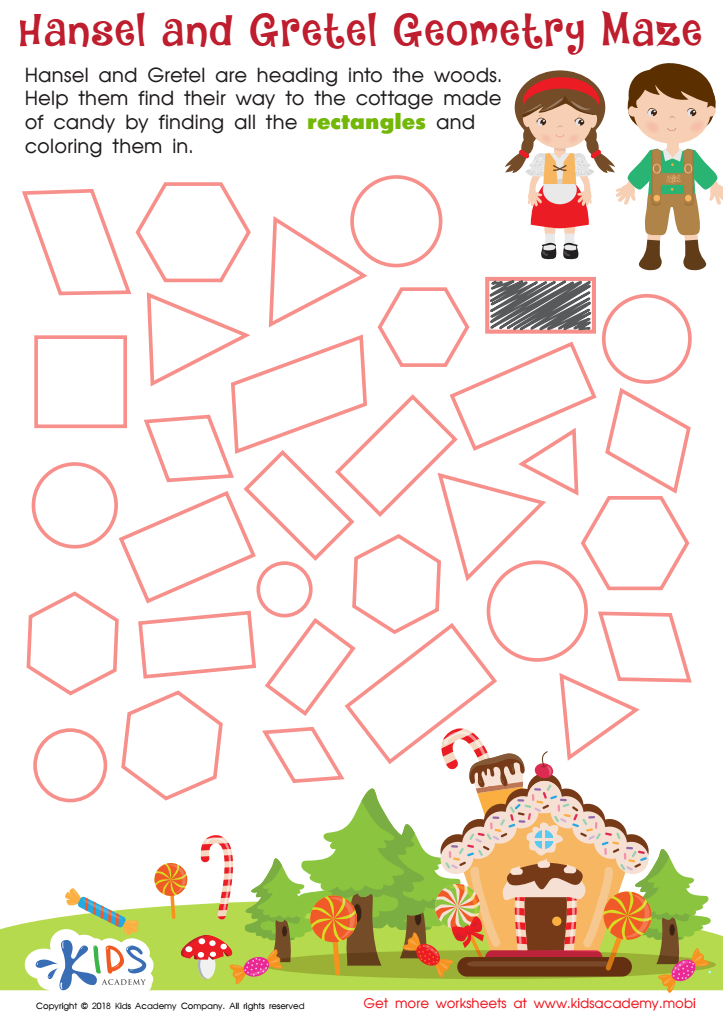
Hansel and Gretel Geometry Maze Worksheet
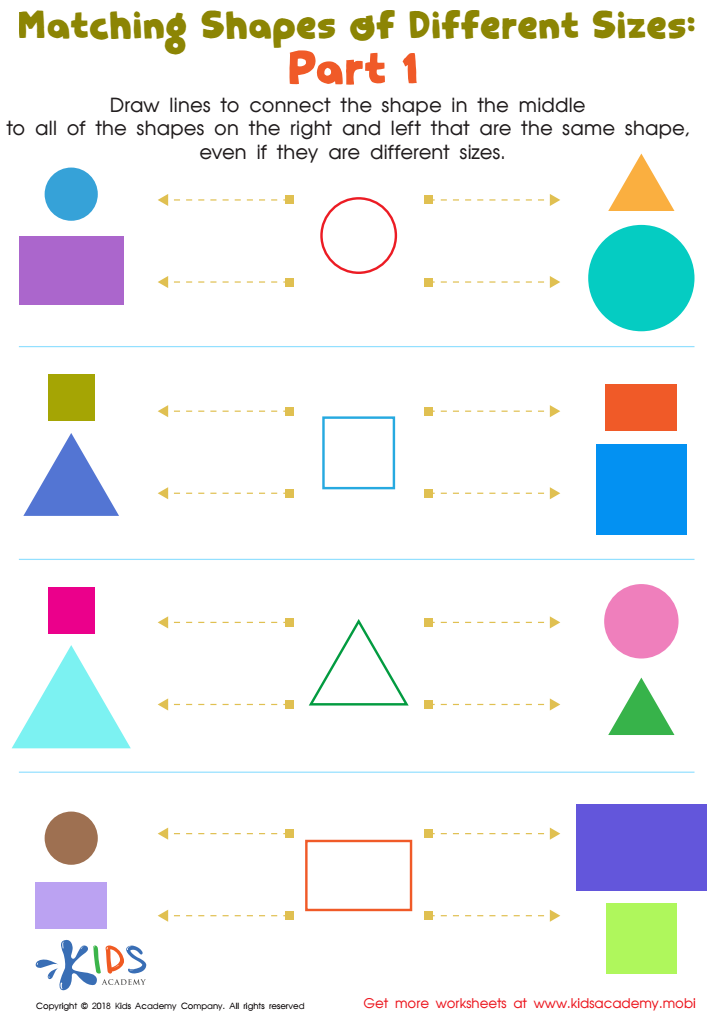
Geometry: part 1 Worksheet
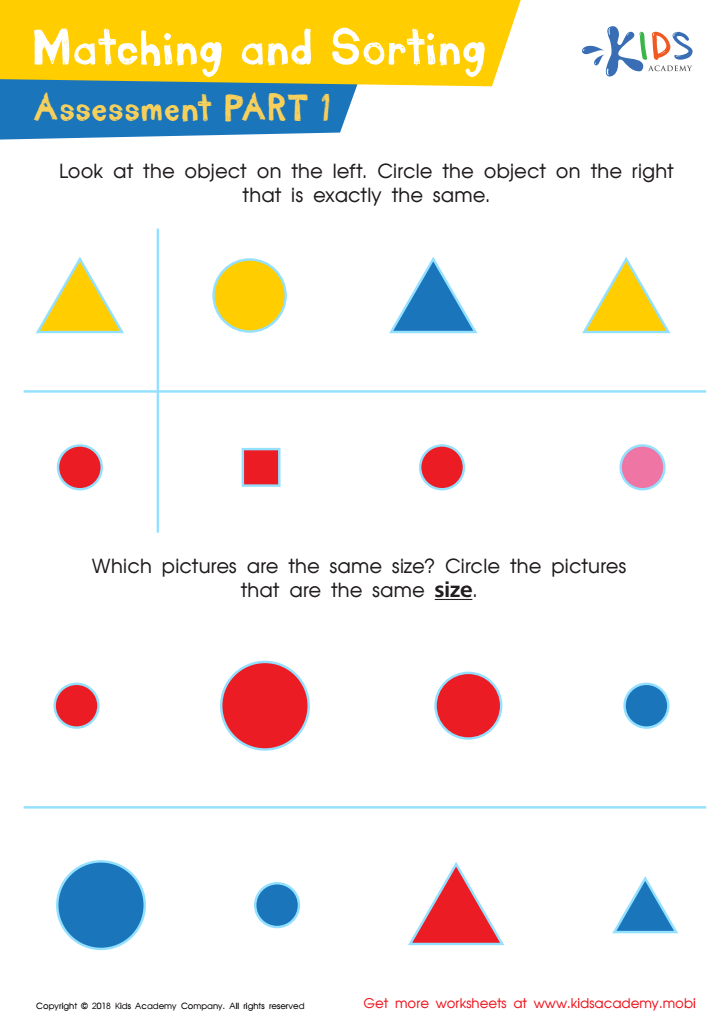
Matching and Sorting for Kindergarten: Assessment 1 Worksheet








Reading comprehension and understanding 2D shapes are foundational skills for children ages 3-4 that significantly impact their future learning. Firstly, reading comprehension is critical for developing language skills, which allow children to express thoughts, follow instructions, and enjoy storytelling. Engaging in activities that foster reading comprehension enhances vocabulary, listening skills, and cognitive development, setting a strong base for literacy skills that are essential as they progress through school.
Simultaneously, recognizing and understanding 2D shapes is vital for young children as it strengthens their spatial awareness and critical thinking skills. Mastering basic shapes like circles, squares, and triangles helps children in grasping math concepts in later years. Exposure to these shapes in real-world contexts enhances observational skills and encourages them to identify and categorize their environment effectively.
Both reading comprehension and 2D shape recognition support holistic development—encouraging creative thinking and boosting confidence as they navigate through educational endeavors. By emphasizing these skills at a young age, parents and teachers equip children with essential tools for academic success and everyday problem-solving, paving the way for lifelong learning and intellectual curiosity. Investing in these areas early empowers children and helps them thrive in various aspects of their growth.