Filters

349 filtered results

Clear all filters
Favorites
With answer key
Interactive

349 filtered results

Difficulty Level

Grade


Check out this FREE Trial Lesson on Adding Up to 5 for age 3-4!

Short and Long Vowel Sort

Favorites
With answer key
Interactive
  • 3-4
  • Number Recognition
  • Adding Up to 5
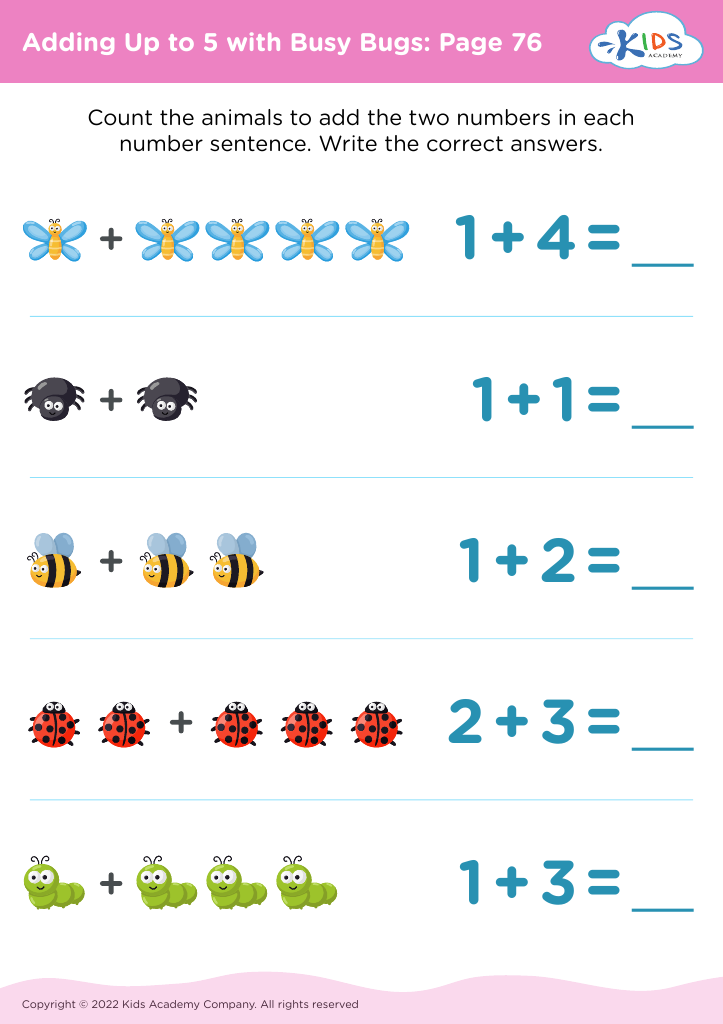
Adding Up to 5 with Busy Bugs: Page 76
Worksheet
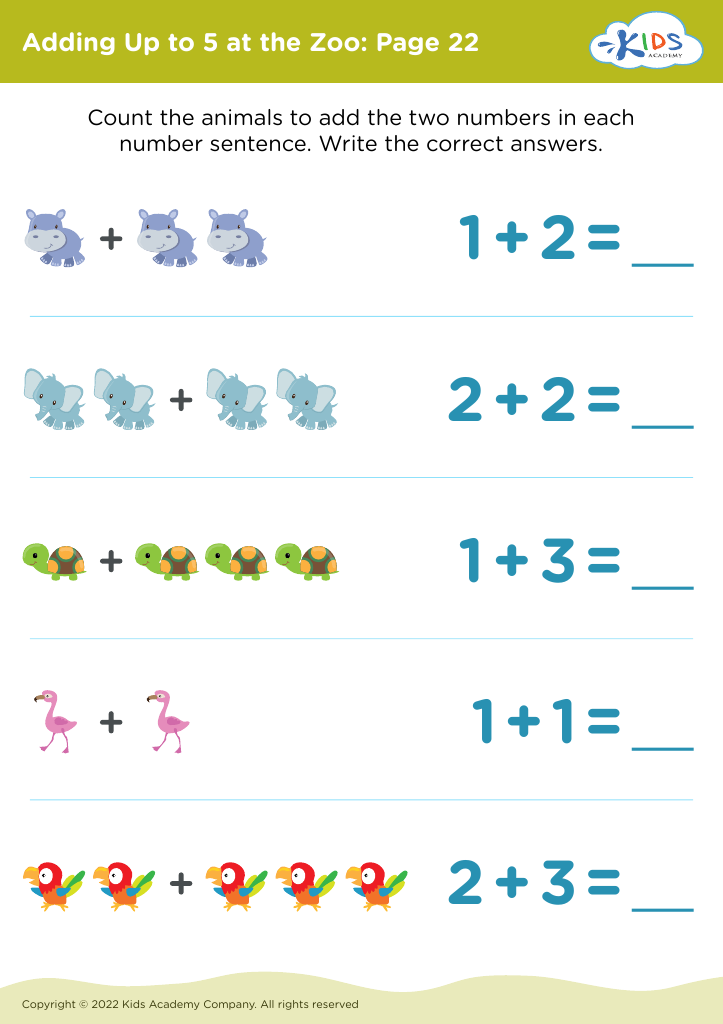
Adding Up to 5 at the Zoo: Page 22
Worksheet
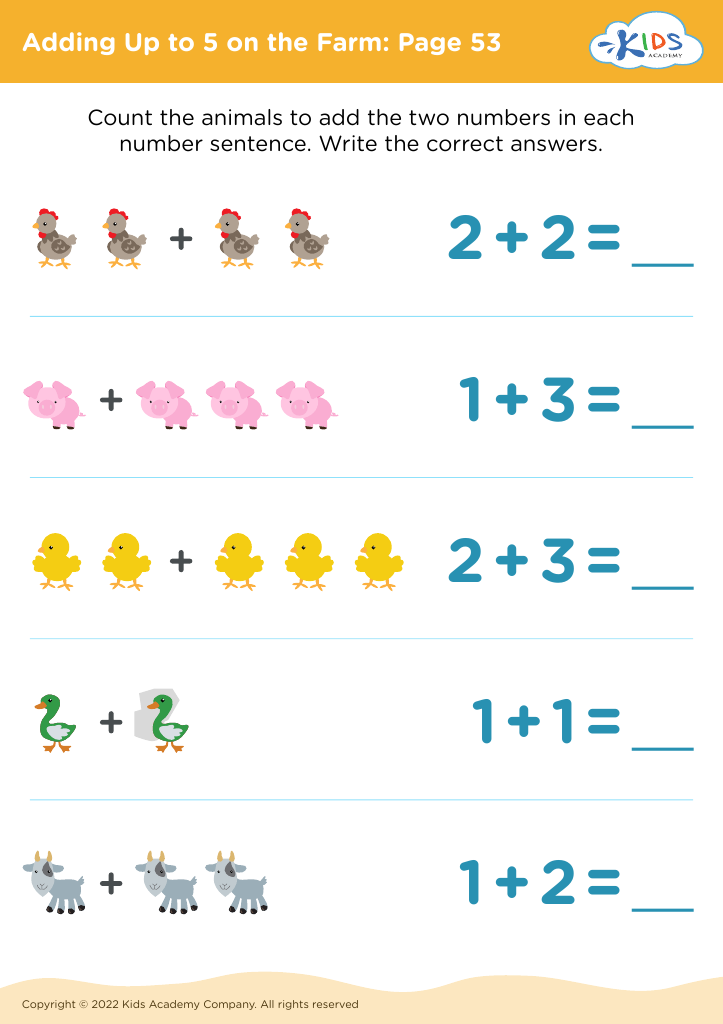
Adding Up to 5 on the Farm: Page 53
Worksheet
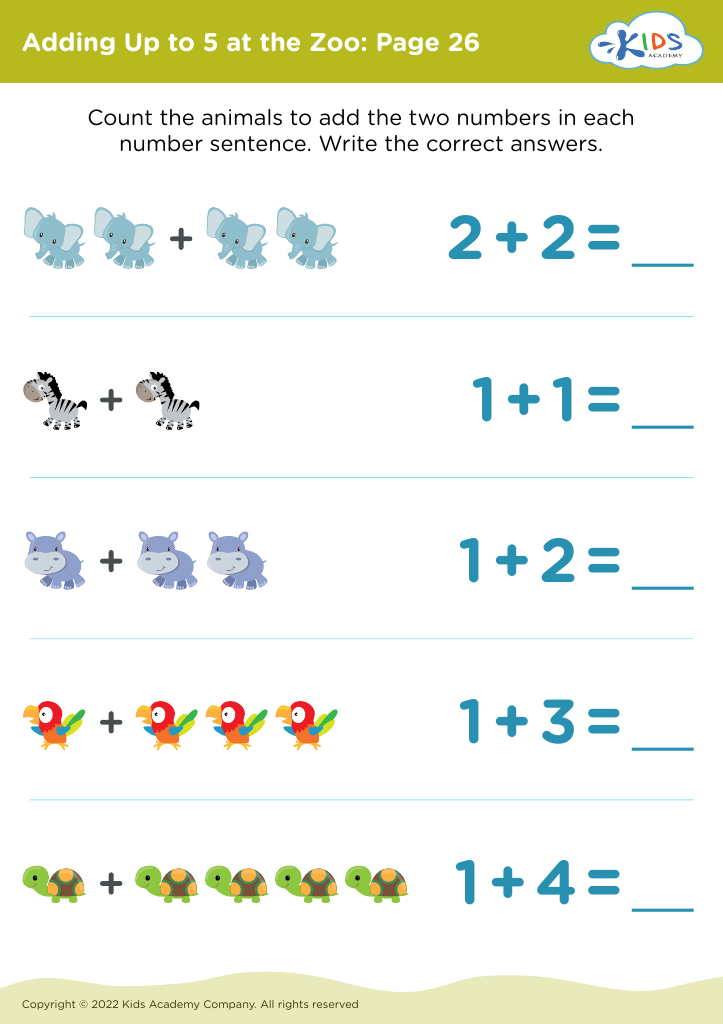
Adding Up to 5 at the Zoo: Page 26
Worksheet
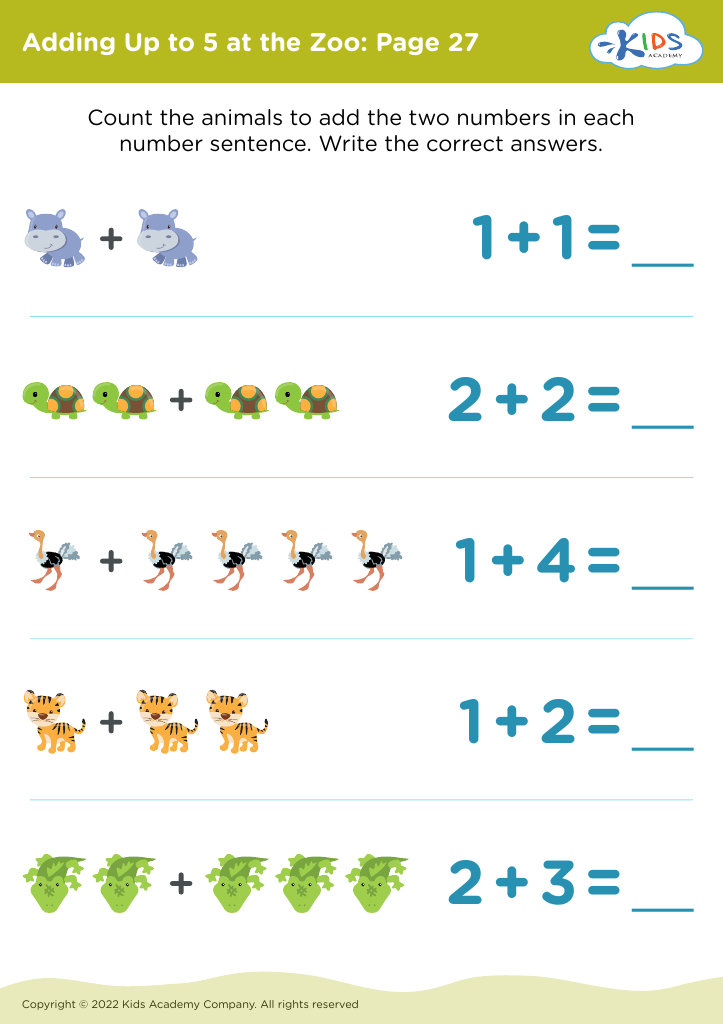
Adding Up to 5 at the Zoo: Page 27
Worksheet
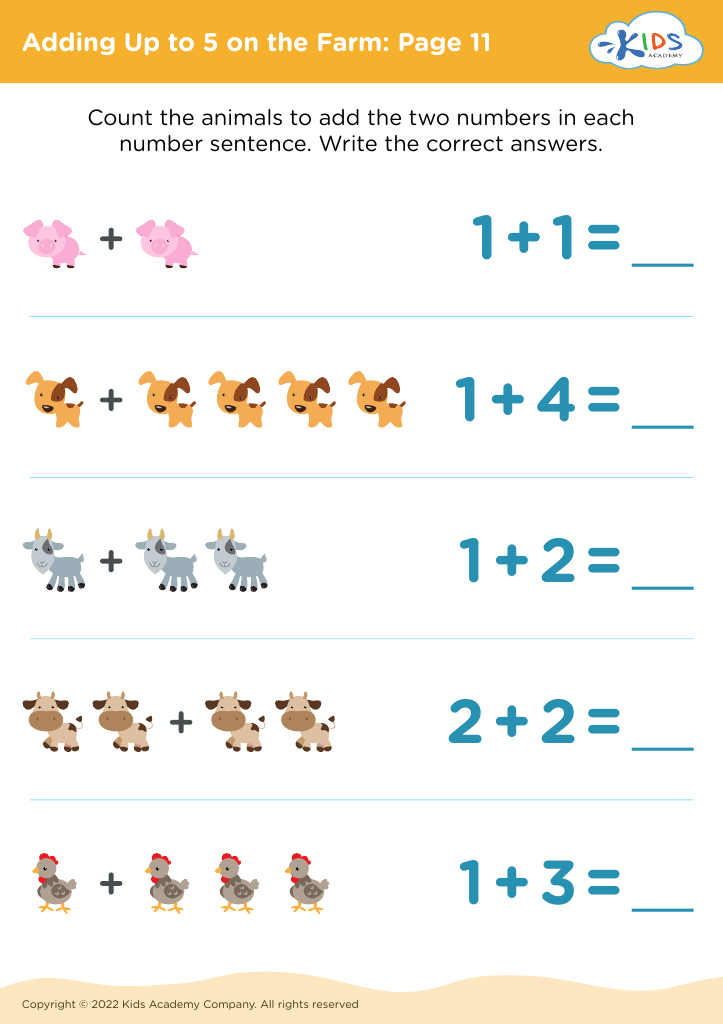
Adding Up to 5 on the Farm: Page 11
Worksheet
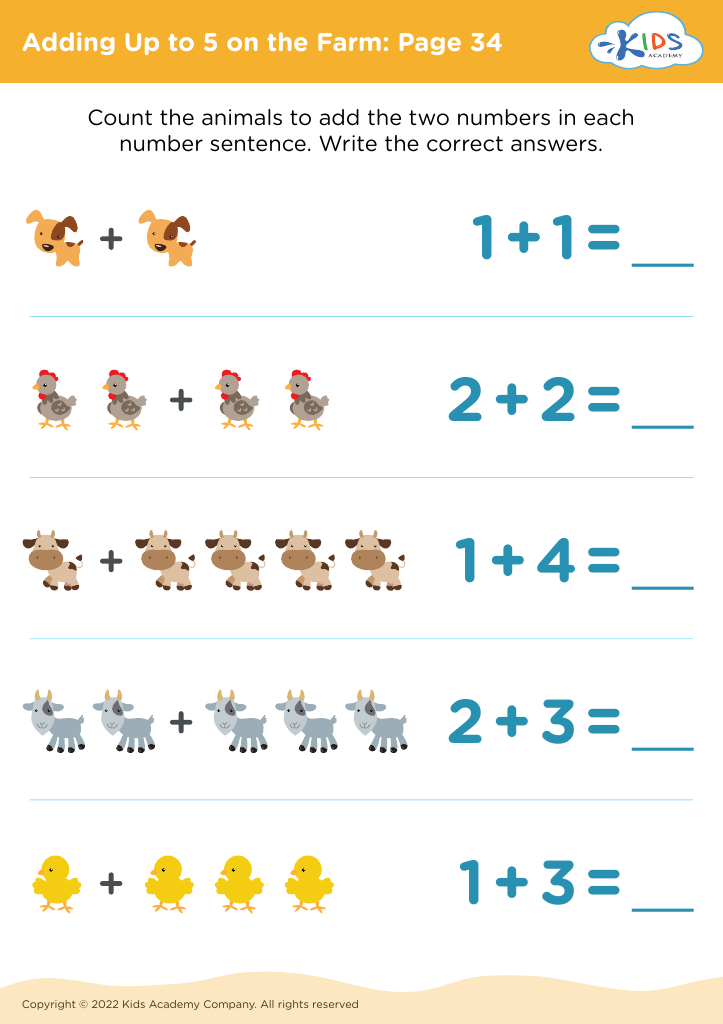
Adding Up to 5 on the Farm: Page 34
Worksheet
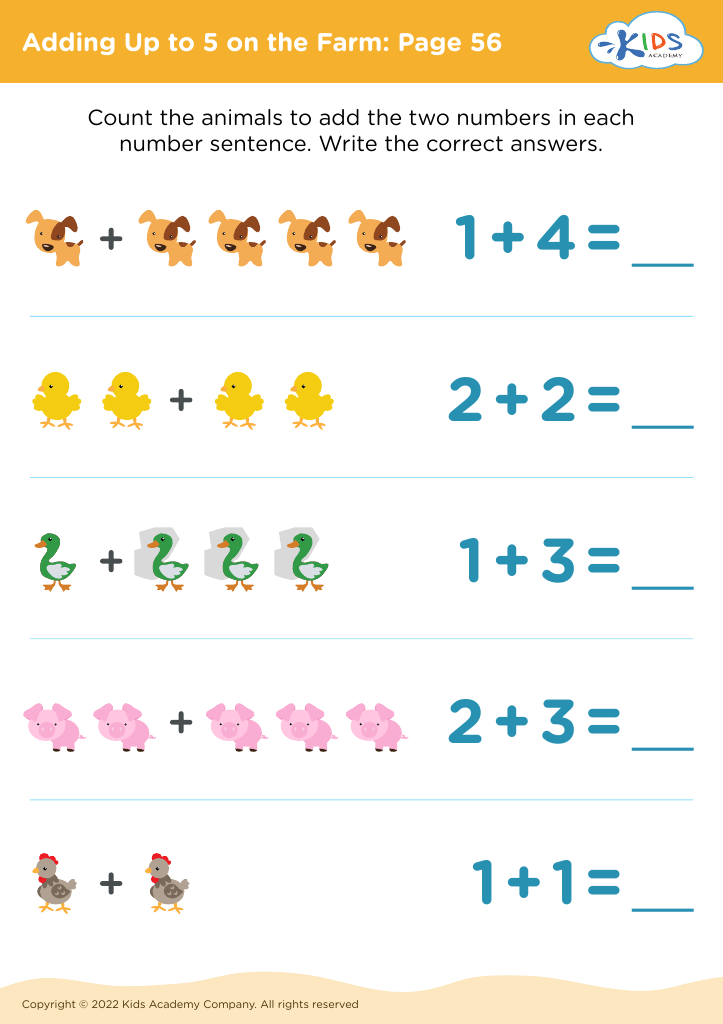
Adding Up to 5 on the Farm: Page 56
Worksheet
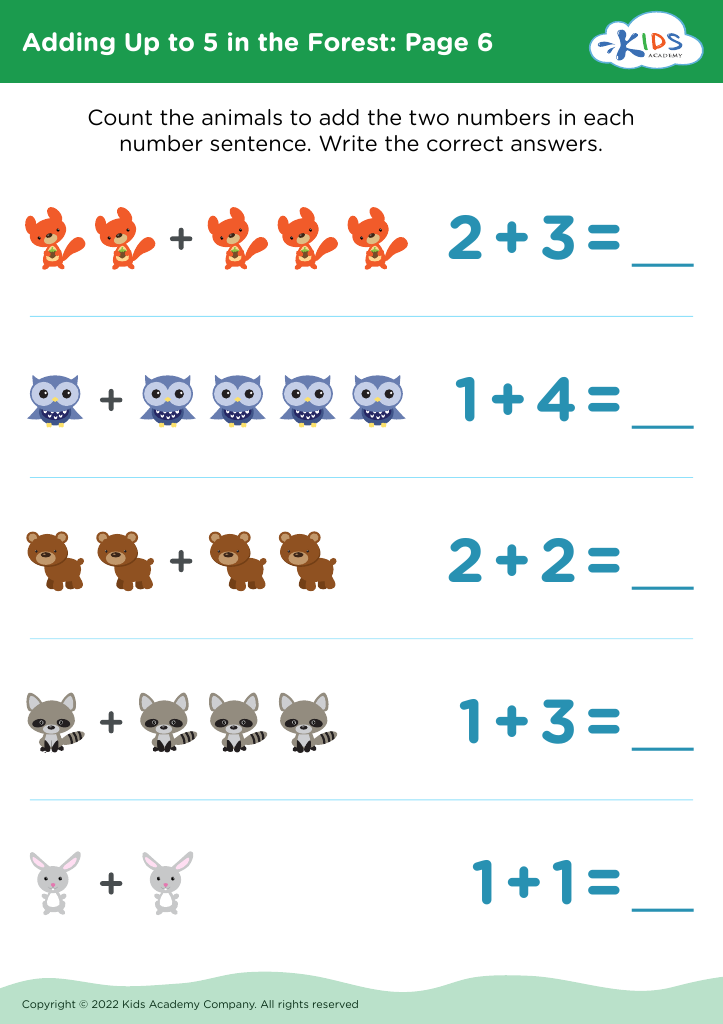
Adding Up to 5 in the Forest: Page 6
Worksheet
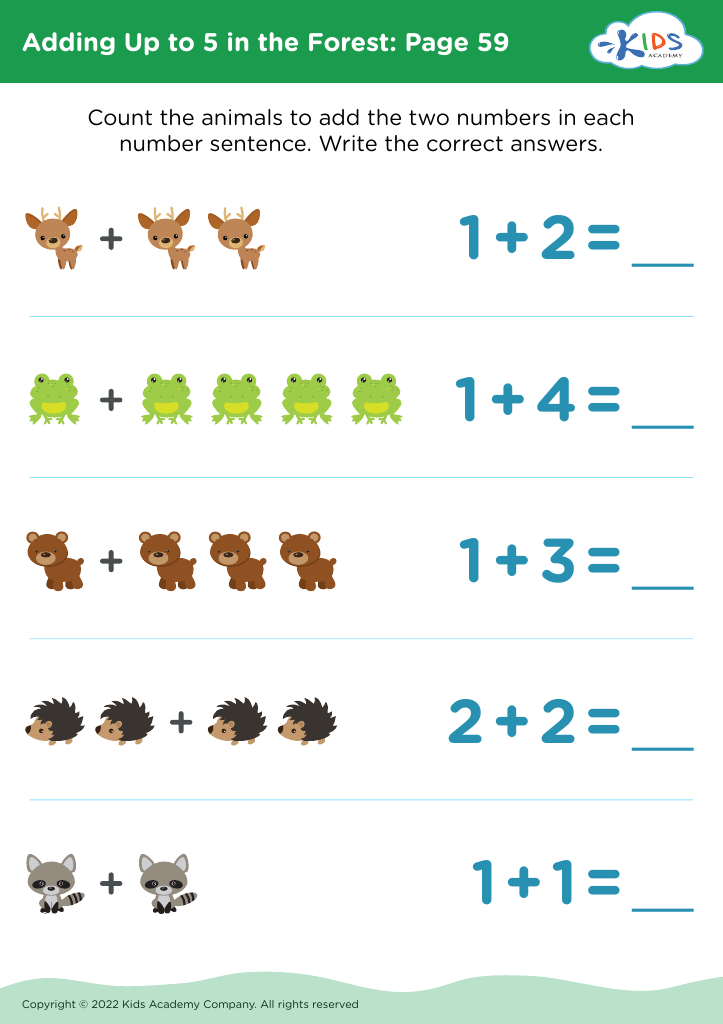
Adding Up to 5 in the Forest: Page 59
Worksheet
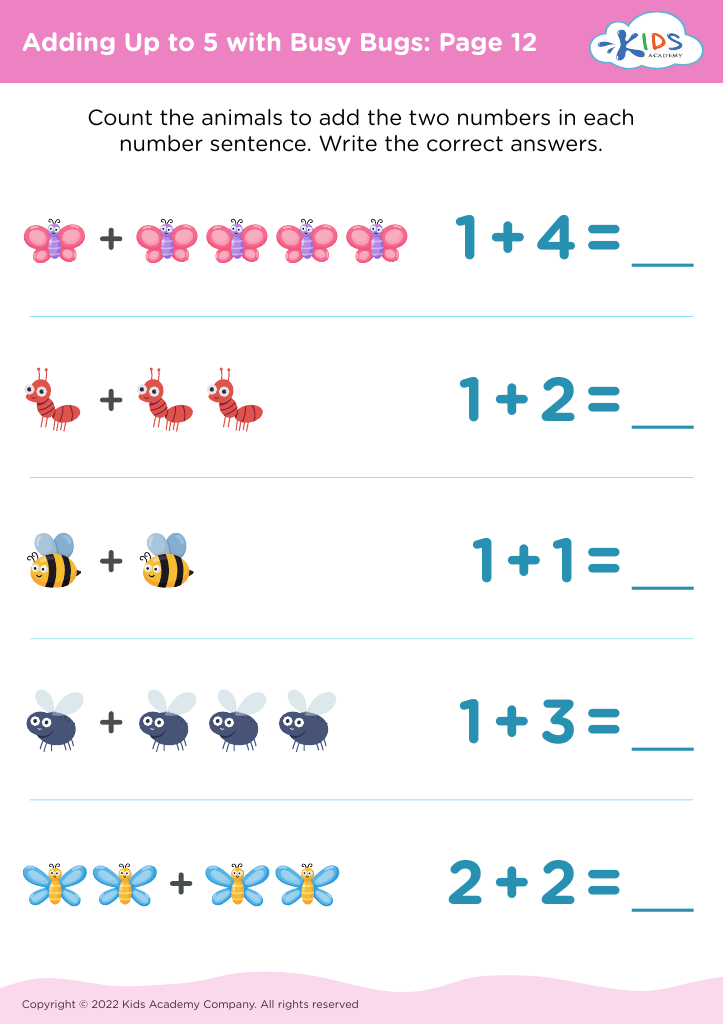
Adding Up to 5 with Busy Bugs: Page 12
Worksheet
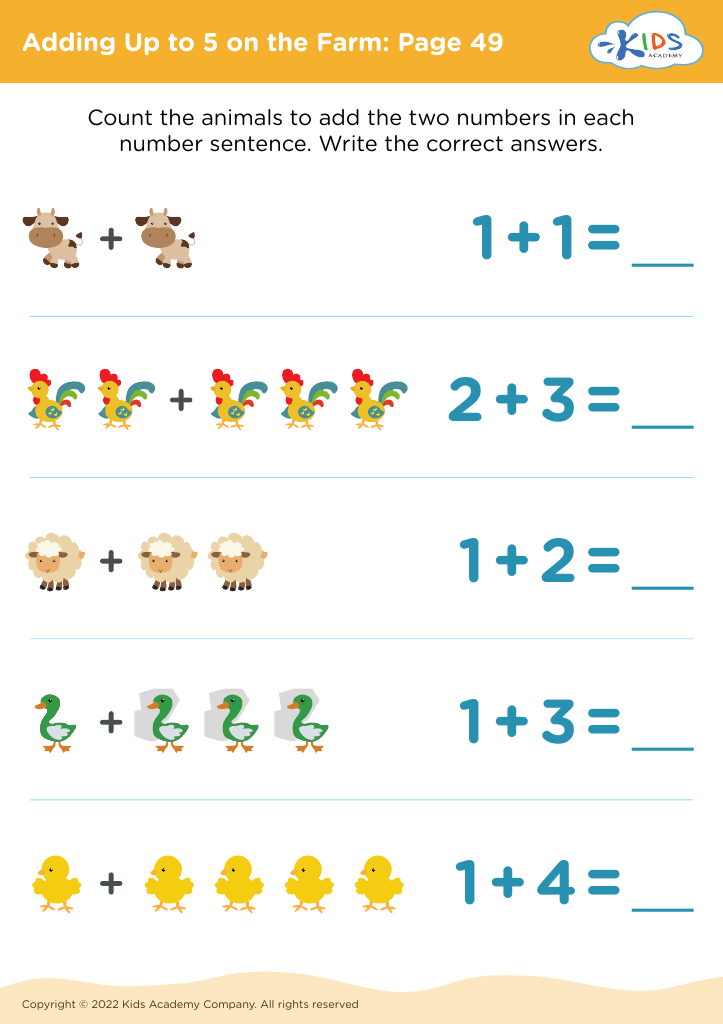
Adding Up to 5 on the Farm: Page 49
Worksheet
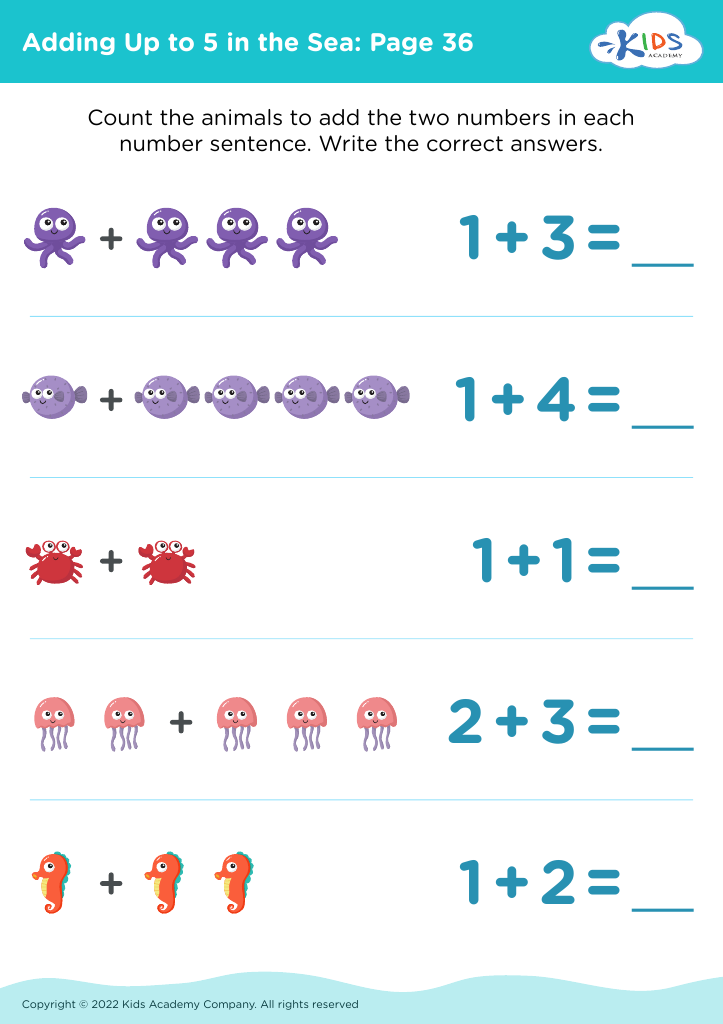
Adding Up to 5 in the Sea: Page 36
Worksheet
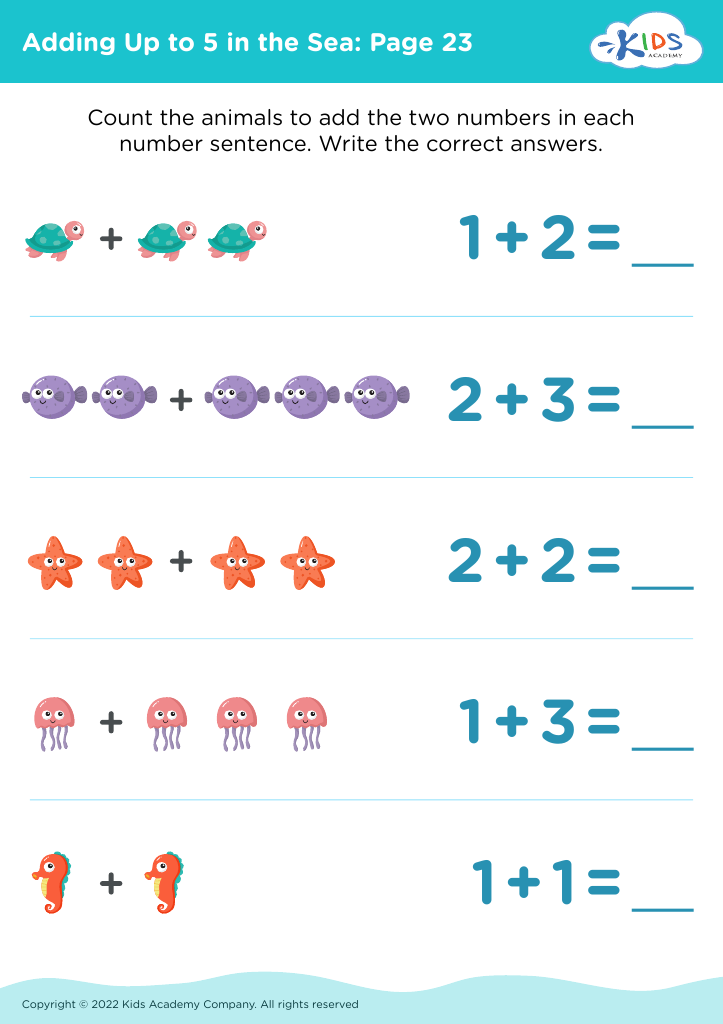
Adding Up to 5 in the Sea: Page 23
Worksheet
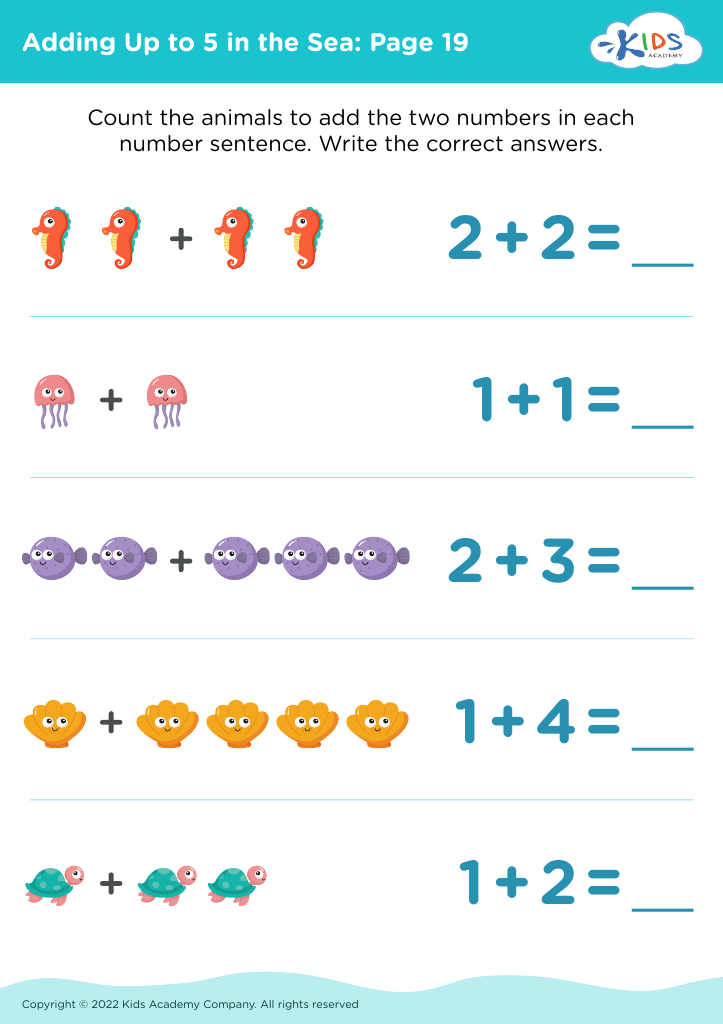
Adding Up to 5 in the Sea: Page 19
Worksheet
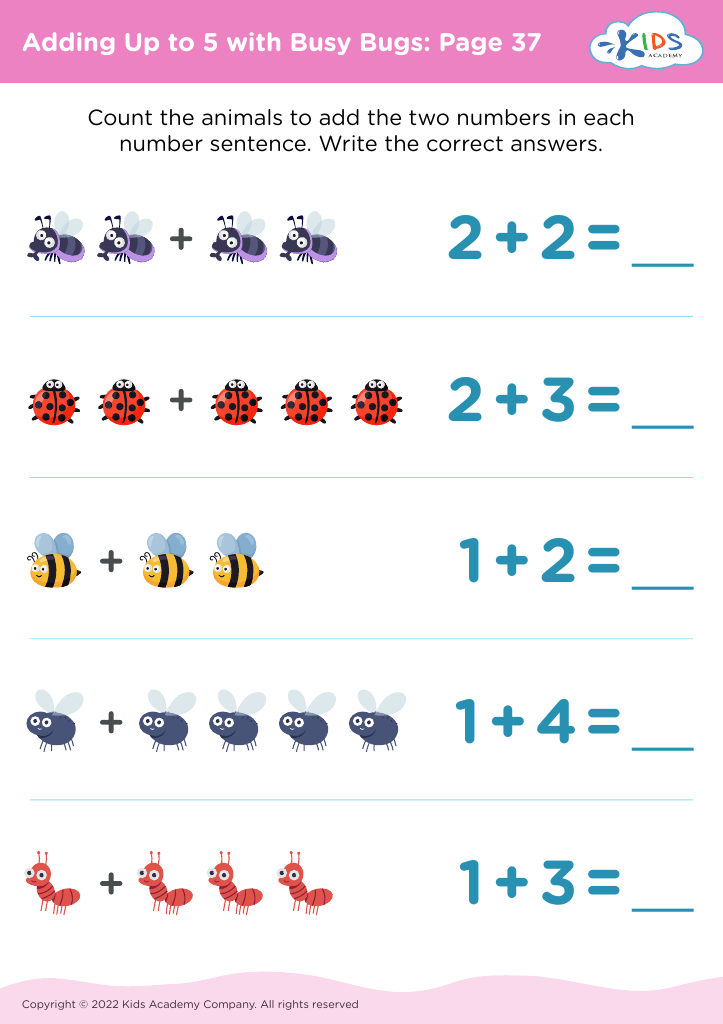
Adding Up to 5 with Busy Bugs: Page 37
Worksheet
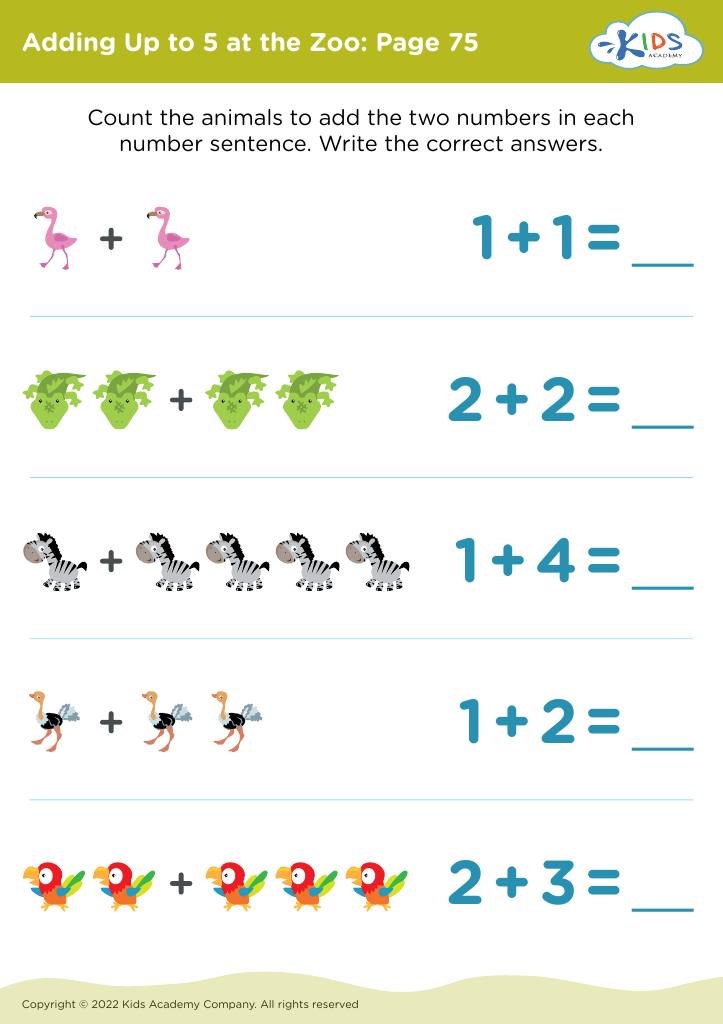
Adding Up to 5 at the Zoo: Page 75
Worksheet
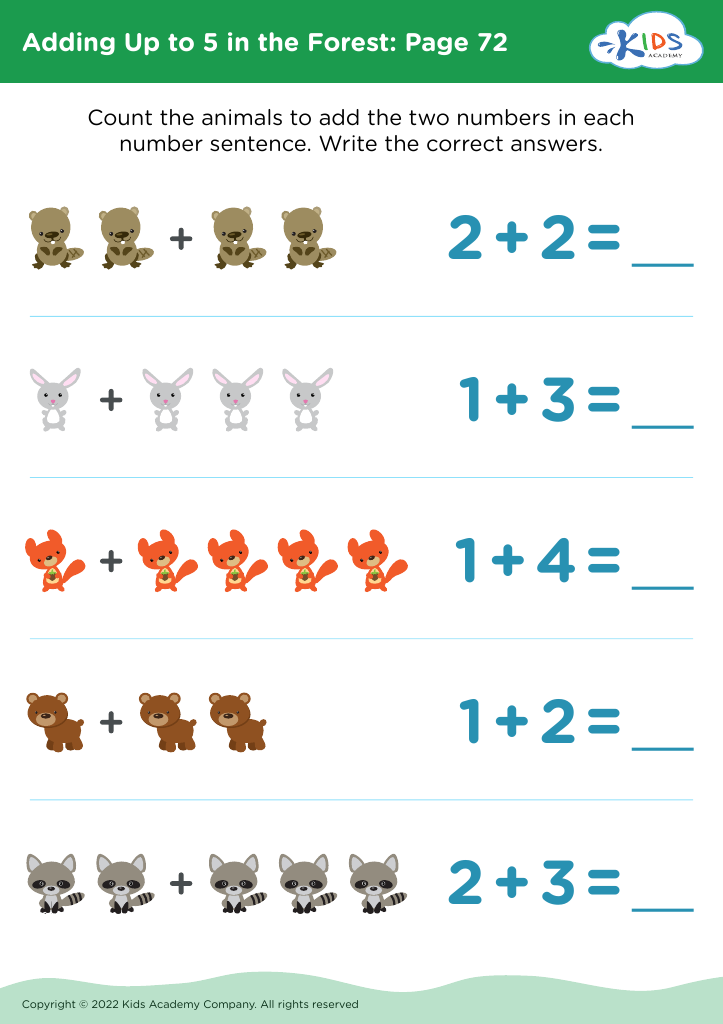
Adding Up to 5 in the Forest: Page 72
Worksheet
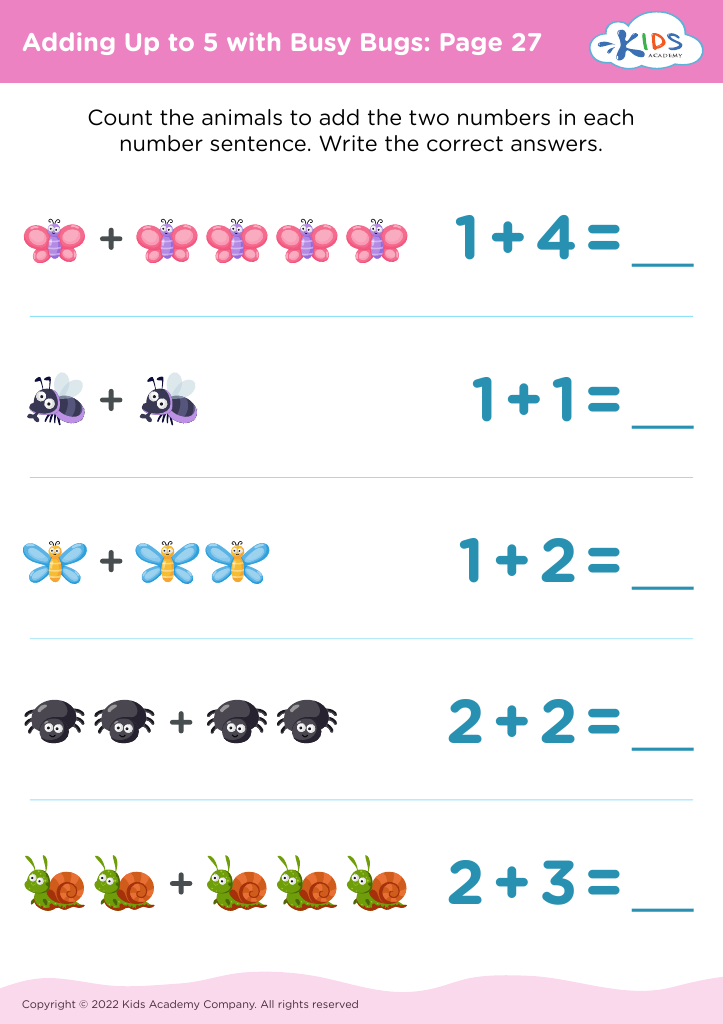
Adding Up to 5 with Busy Bugs: Page 27
Worksheet
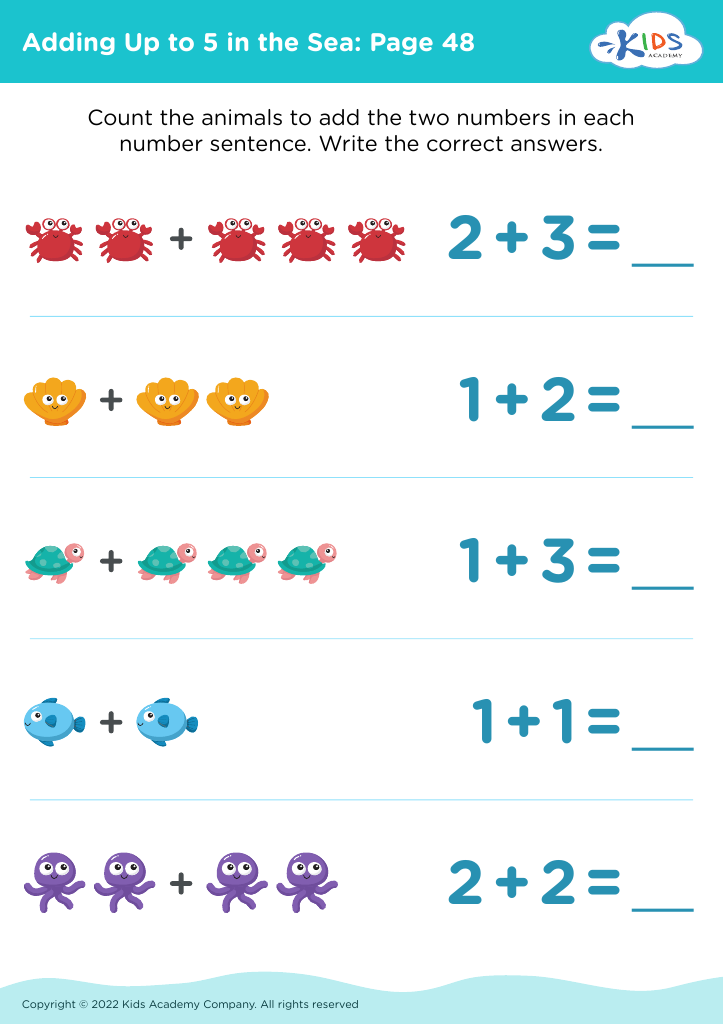
Adding Up to 5 in the Sea: Page 48
Worksheet
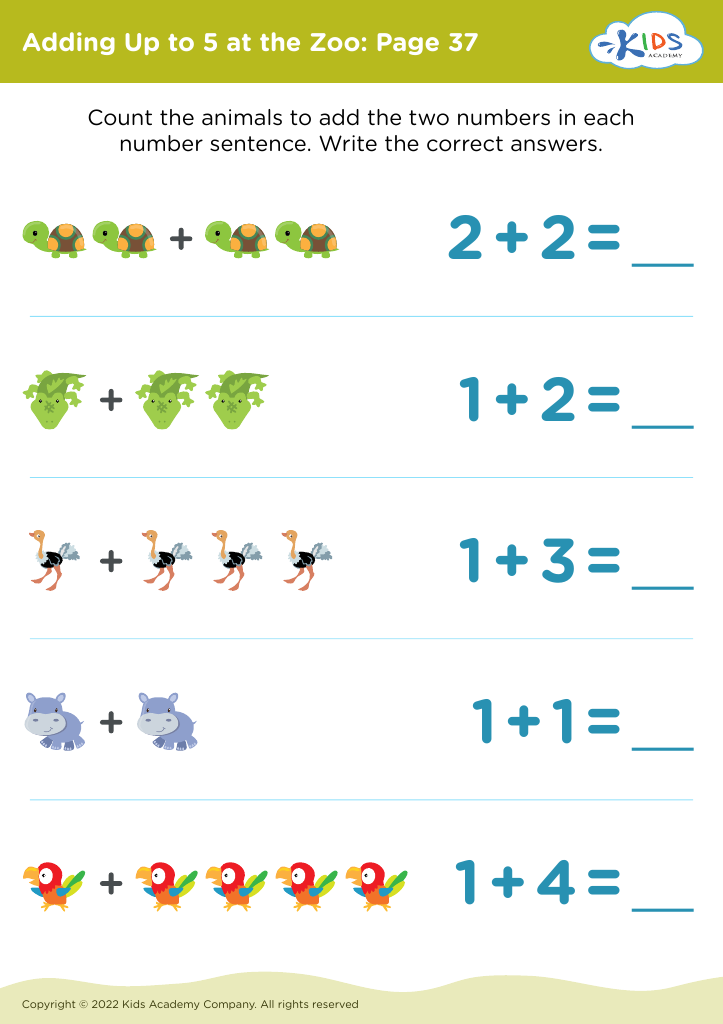
Adding Up to 5 at the Zoo: Page 37
Worksheet
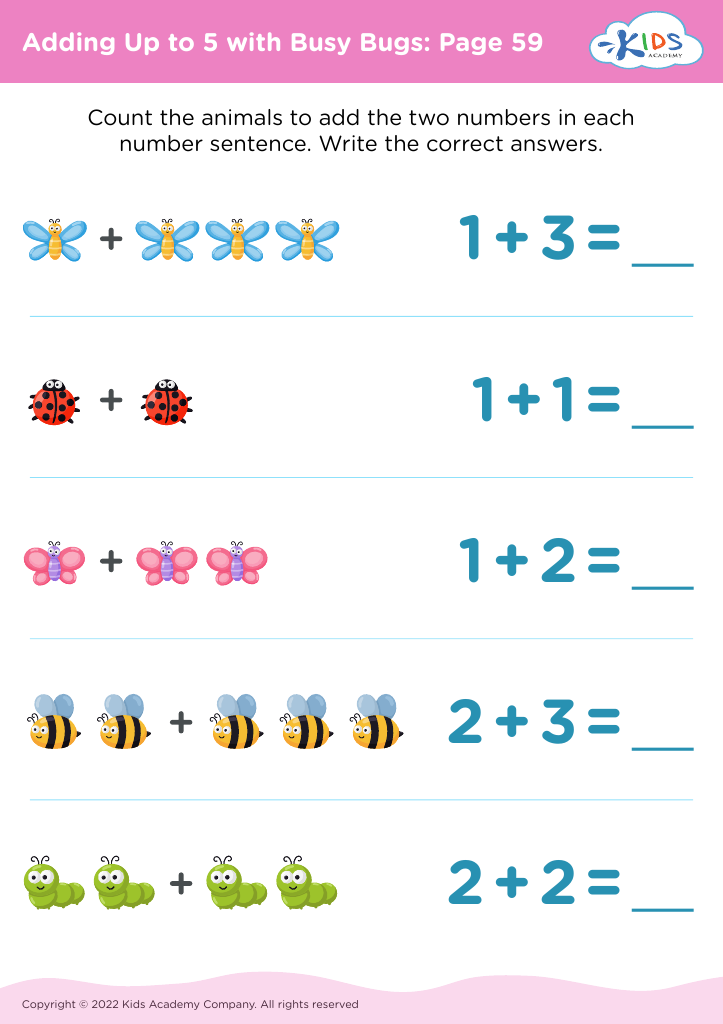
Adding Up to 5 with Busy Bugs: Page 59
Worksheet
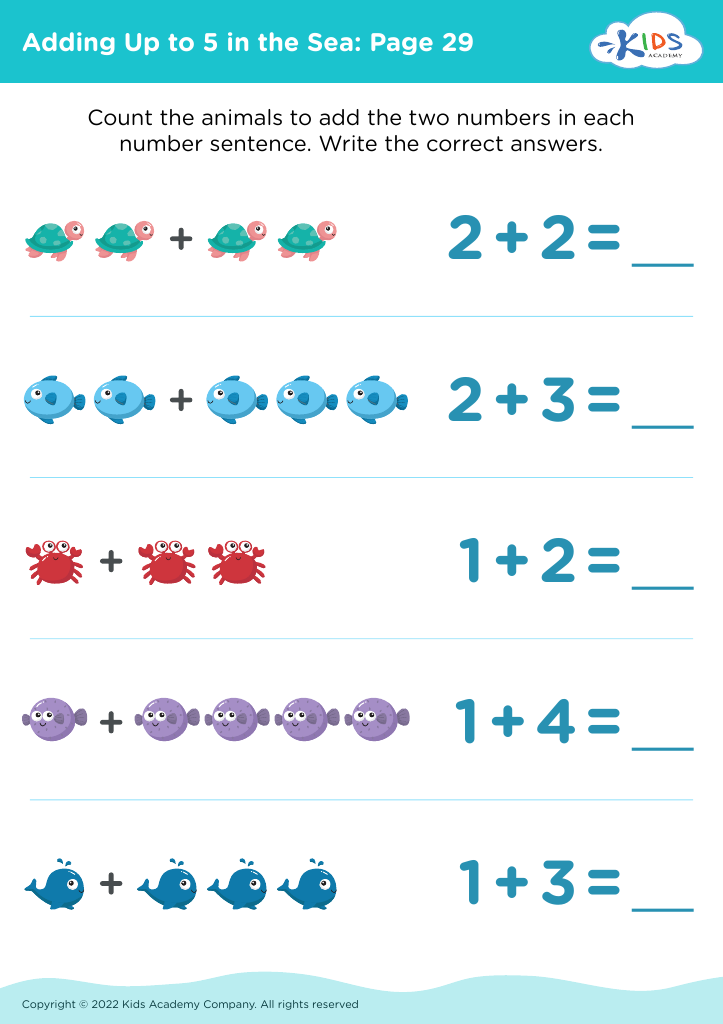
Adding Up to 5 in the Sea: Page 29
Worksheet
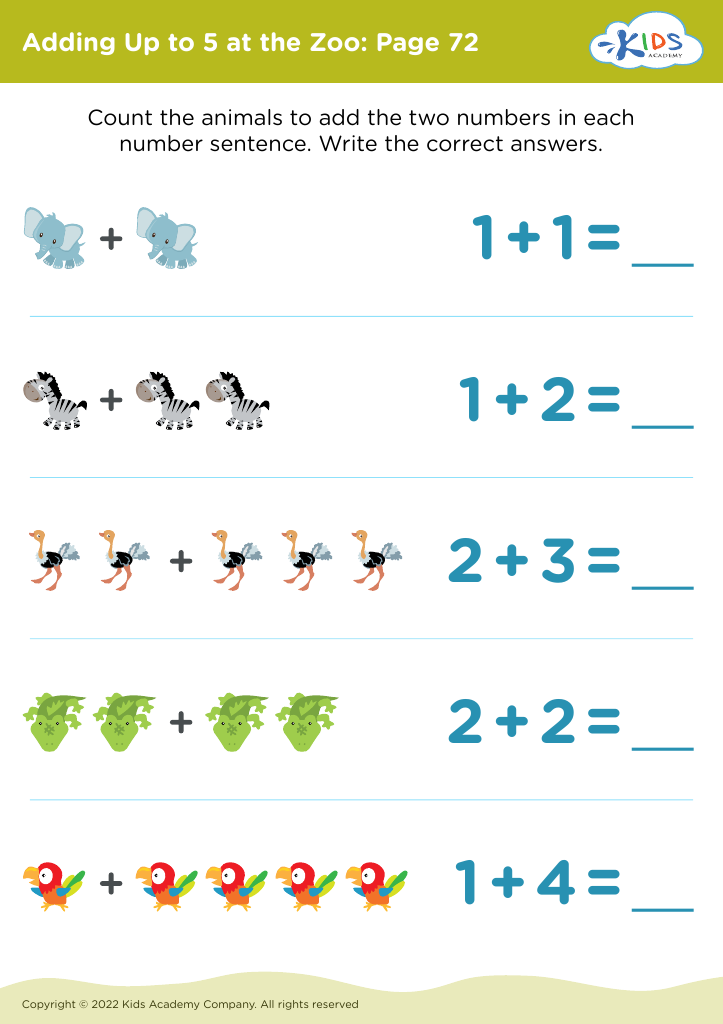
Adding Up to 5 at the Zoo: Page 72
Worksheet


Parents and teachers play a crucial role in early childhood development, and focusing on number recognition and simple addition up to 5 for ages 3-4 is foundational for several reasons. At this age, children's brains are highly adaptable and primed for learning, making it an optimal time to introduce basic numerical concepts. Number recognition and early math skills are critical because they serve as the building blocks for more advanced mathematics and logical thinking in later years.

When youngsters learn to identify numbers and perform simple additions up to 5, they are not just memorizing digits; they are developing a strong number sense. This means they begin to understand that numbers represent specific quantities and can be manipulated through operations like addition.

Early exposure to these concepts fosters cognitive skills such as memory, problem-solving, and critical thinking. Moreover, success in early math can lead to increased confidence and interest in the subject, creating a positive feedback loop that encourages continual learning and curiosity.

Furthermore, integrating number recognition with playful activities and manipulatives can enhance motor skills and hand-eye coordination. Thus, parents and teachers should prioritize these early math skills to lay a robust educational foundation that supports all areas of a child's development.