
Fine Motor Skills (coloring) Addition & Subtraction Worksheets for Ages 3-4
3 filtered results
Difficulty Level
Grade
Age
-
From - To
Subject
Activity
Standards
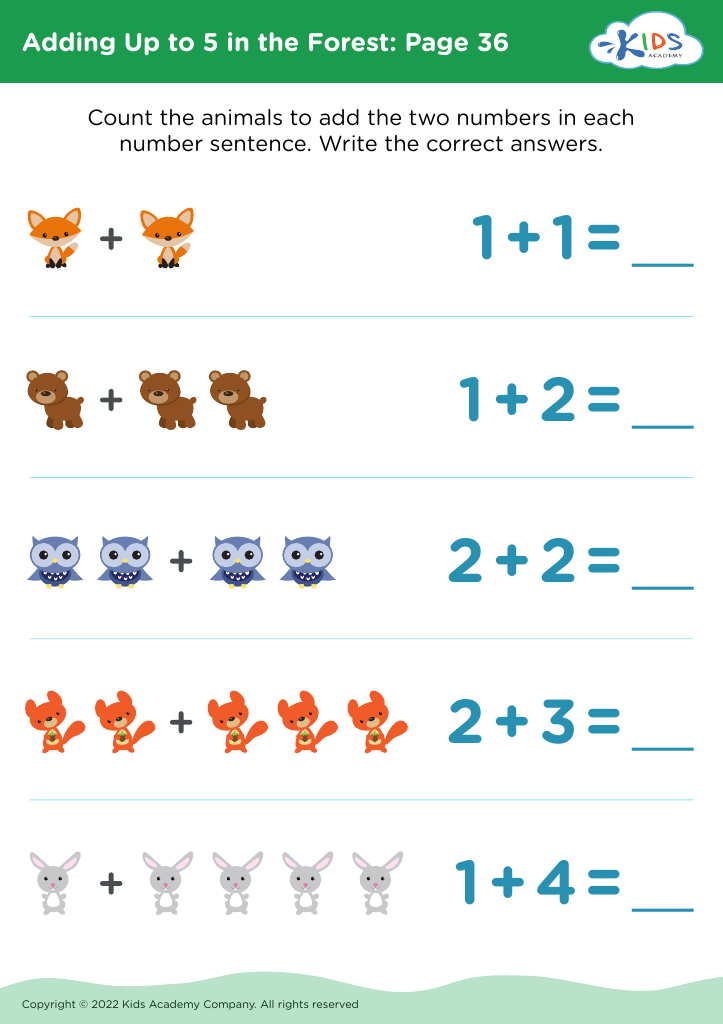
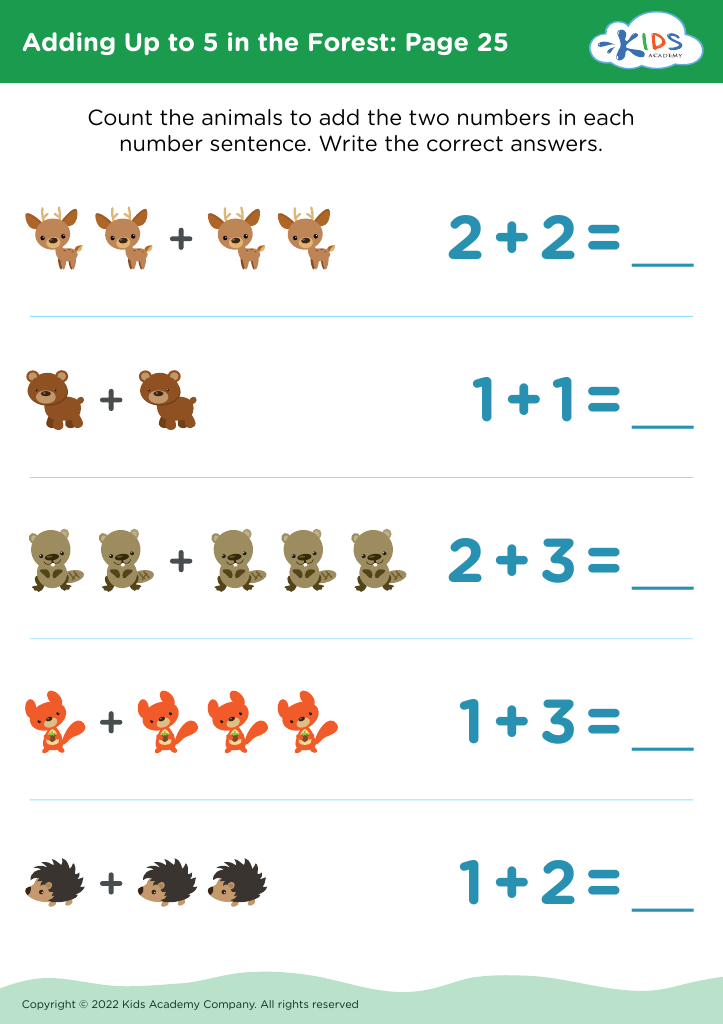
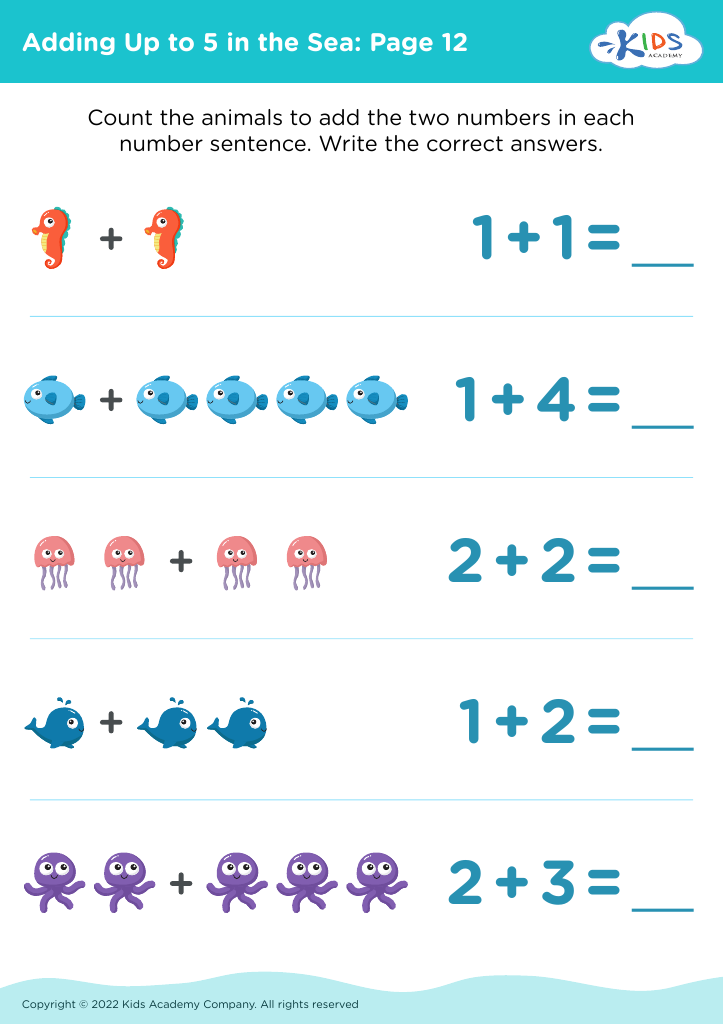
Enhance your child's fine motor skills with our engaging addition and subtraction worksheets designed for ages 3-4. These interactive activities combine fun coloring exercises with basic math concepts to promote early learning. As children color their way through addition and subtraction problems, they improve hand-eye coordination, grip strength, and control. Bright, playful designs keep little learners captivated while reinforcing essential math skills. Our worksheets serve as an excellent resource for parents and educators, providing a hands-on approach to learning. Make math fun and exciting for your preschooler with our fine motor skills coloring worksheets—perfect for playful and educational practice!
Favorites
With answer key
Interactive
Join Kids Academy for Free
Who is primarily going to use this learning content?








Fine motor skills are fundamental to early childhood development, especially for children ages 3-4, as they lay the groundwork for more complex tasks later in life. Engaging in activities like coloring not only enhances these skills but also boosts hand-eye coordination and dexterity. These abilities are crucial when children start to write, grasp objects, and perform self-care tasks, influencing their overall independence and confidence.
Moreover, incorporating simple addition and subtraction during coloring activities can enrich a child's cognitive development. This integration engages young learners in fun, interactive ways to understand numbers and basic math concepts. Through color-based games and activities, children can learn to recognize quantities, develop problem-solving skills, and enhance critical thinking without the pressure of traditional teaching methods.
Parents and teachers should prioritize these skills, as they contribute significantly to a child's readiness for school. Fine motor skills, coupled with early mathematical understanding, support not only academic performance but also foster creativity and expression. Cultivating these skills in a relaxed environment ensures children feel comfortable as they explore their capabilities, making learning a joyful experience that sets the stage for lifelong learning.








