Understanding numbers Addition & Subtraction Worksheets for Ages 3-4
4 filtered results
-
From - To
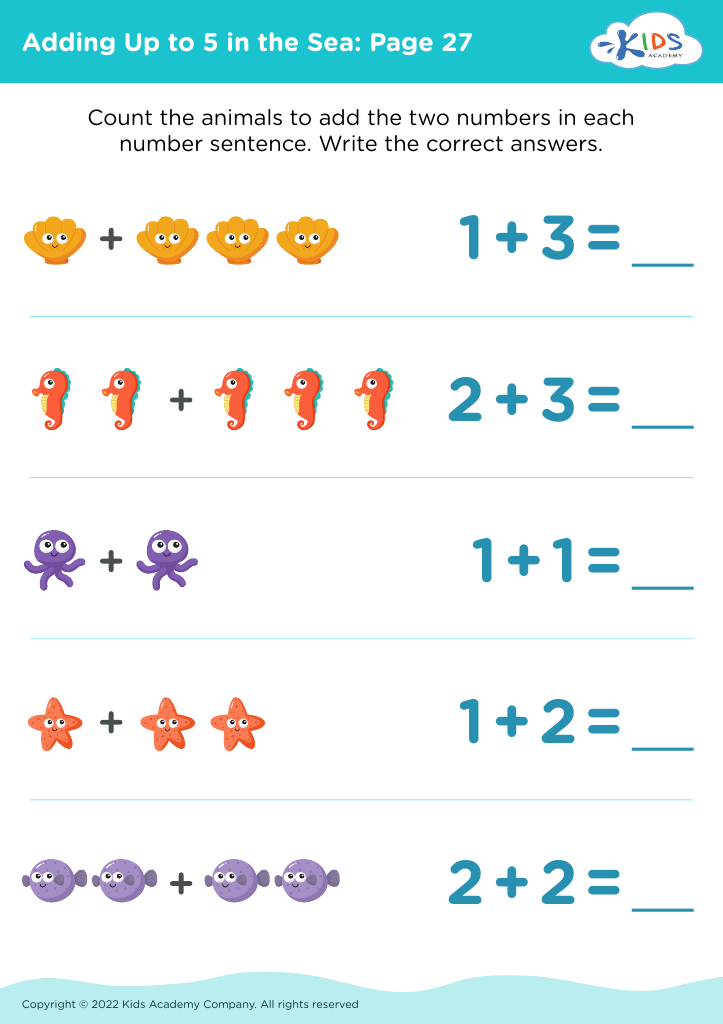
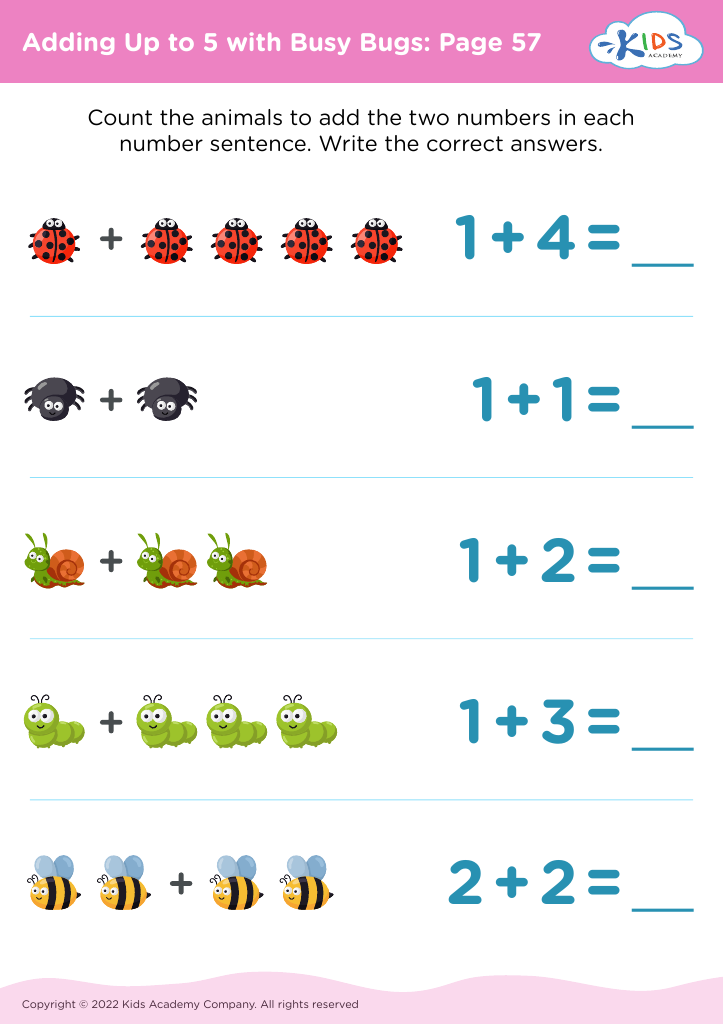
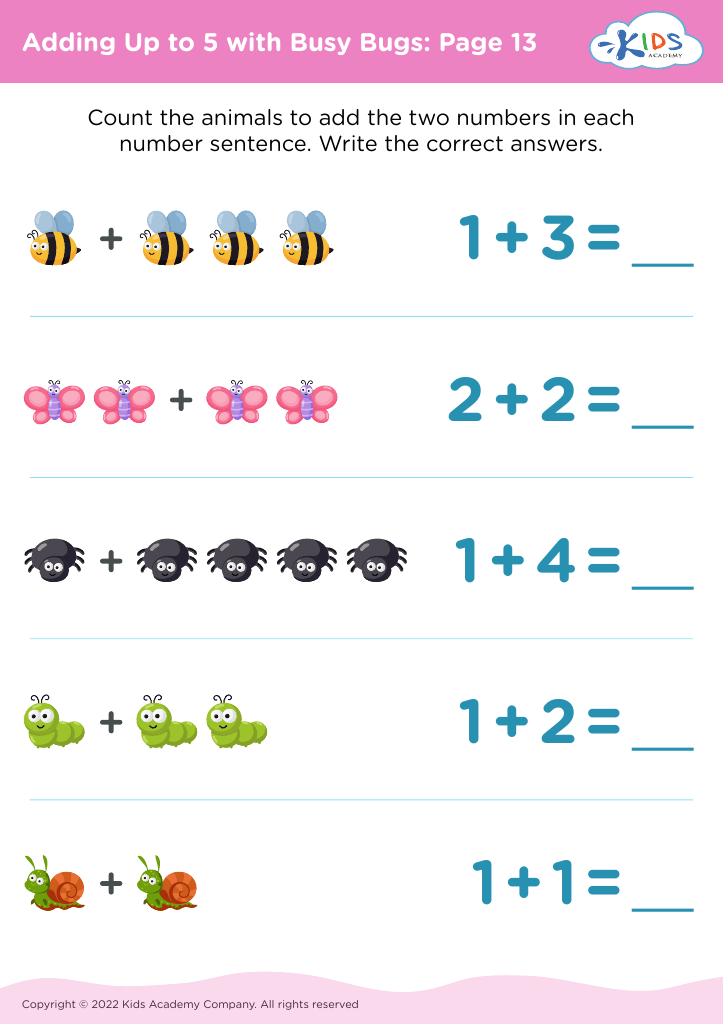
Our "Understanding Numbers: Addition & Subtraction Worksheets for Ages 3-4" are designed to lay a strong foundation in early math skills. These fun and engaging printables focus on helping young learners grasp basic addition and subtraction concepts through interactive activities and playful illustrations. Perfect for both classroom use and at-home practice, each worksheet aims to build confidence and improve number recognition, counting skills, and problem-solving abilities. Make math an enjoyable journey for your little ones and watch them develop a love for learning as they master the essentials of addition and subtraction.
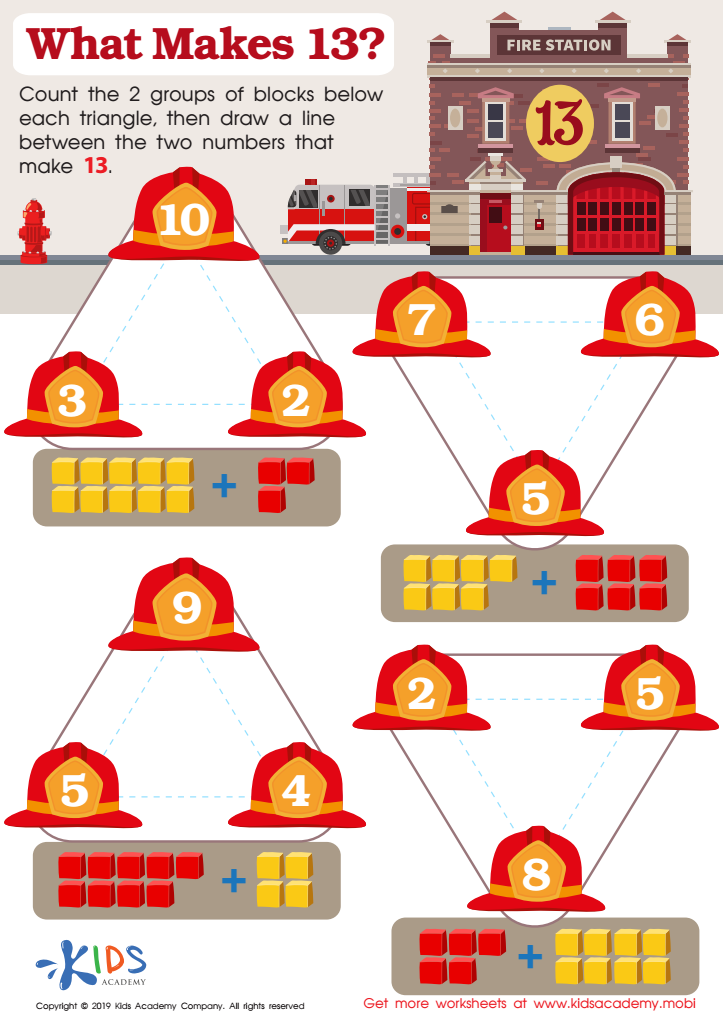
What Makes 13 Worksheet
 Assign to My Students








Understanding numbers and basic arithmetic, such as addition and subtraction, is fundamental to a child's early cognitive development and overall academic success. For children ages 3-4, foundational number skills cultivate critical thinking and problem-solving abilities that extend well beyond mathematics.
At this developmental stage, children are highly receptive to new concepts and experiences, and their brains are rapidly developing neural pathways. Engaging them with numbers, as well as simple addition and subtraction, can build a strong mathematical foundation, fostering ease with numbers as they grow older. This early numeracy is not just about mastering arithmetic, but about developing a sense of order, patterns, and logical thinking.
Furthermore, math-related activities enhance other essential skills such as memory, attention, and even fine motor skills when written numbers or manipulatives are involved. Situational math problems can also boost language skills and social interaction as children articulate their thought processes and collaborate with peers.
By nurturing these skills early on, parents and educators set the stage for future learning success. Children who develop confidence in their mathematical abilities are more likely to engage further and feel competent in school, leading to a positive, lifelong relationship with learning and problem-solving. Therefore, early engagement with numbers and simple math is invaluable in cultivating a successfully rounded learner.








