Basic arithmetic comprehension Addition Worksheets for Ages 3-4
3 filtered results
-
From - To
Introducing our Basic Arithmetic Comprehension Addition Worksheets, specifically crafted for ages 3-4! These engaging sheets lay a thoughtful foundation, making addition fun and easy for young learners. Each worksheet comes with vibrant illustrations that capture kids' imaginations while providing clear, simple problems designed to build confidence and foundational math skills. Aligning with early childhood education standards, our worksheets help develop your child's number sense, critical thinking, and problem-solving abilities. Perfect for parents and teachers looking to supplement learning at home or in the classroom. Foster your child's love for math with our dynamic and effective worksheets!
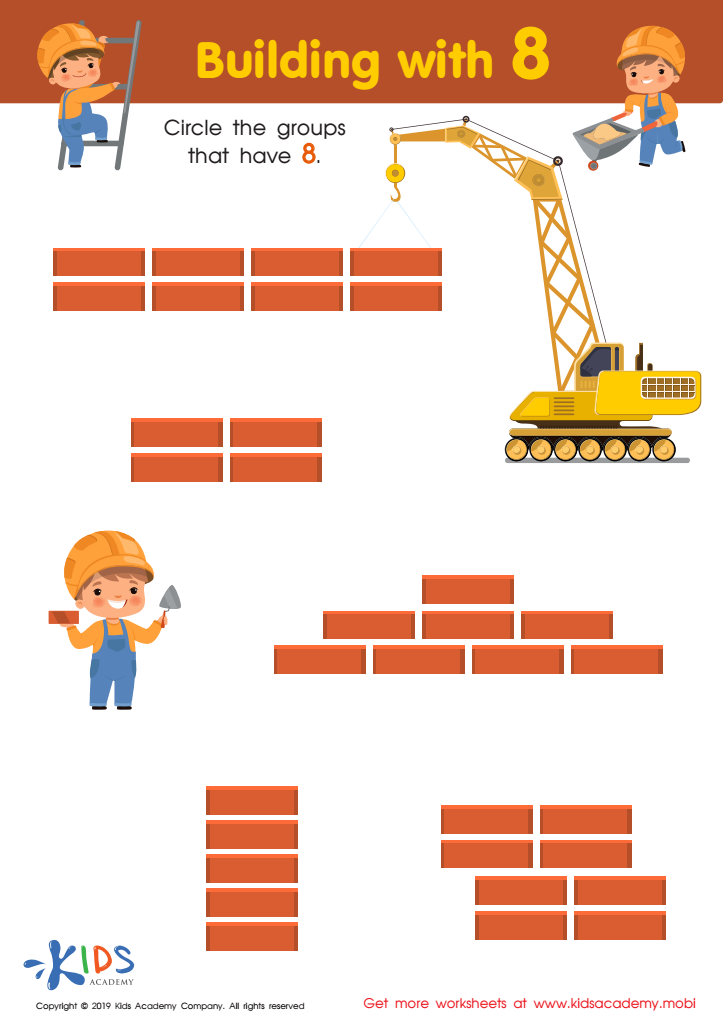
Building with 8 Worksheet
 Assign to My Students
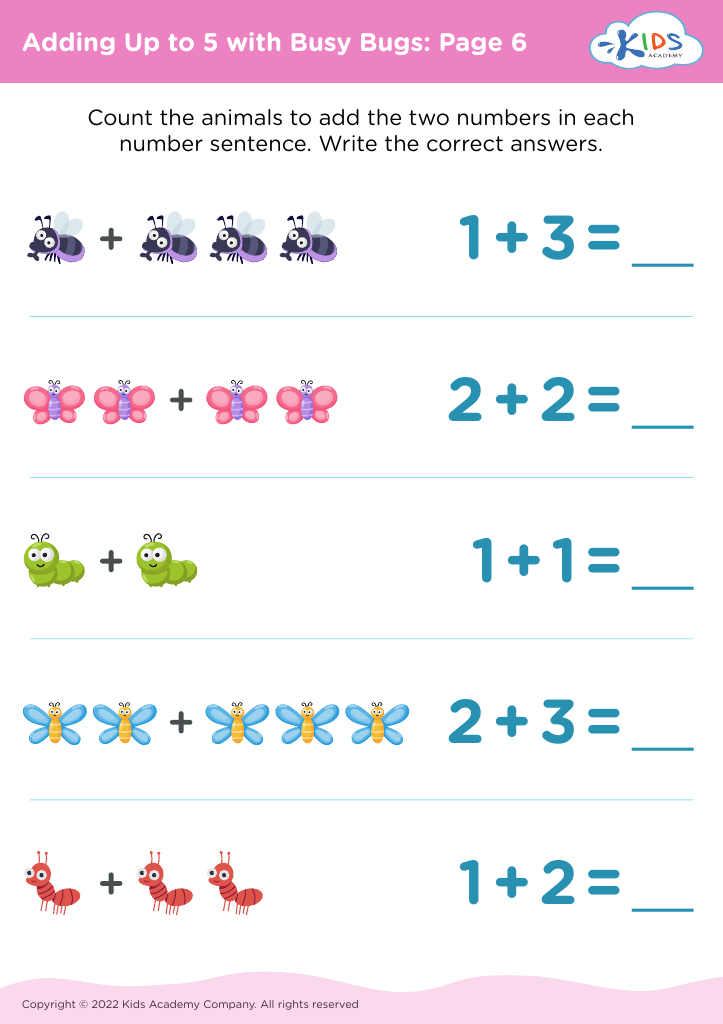
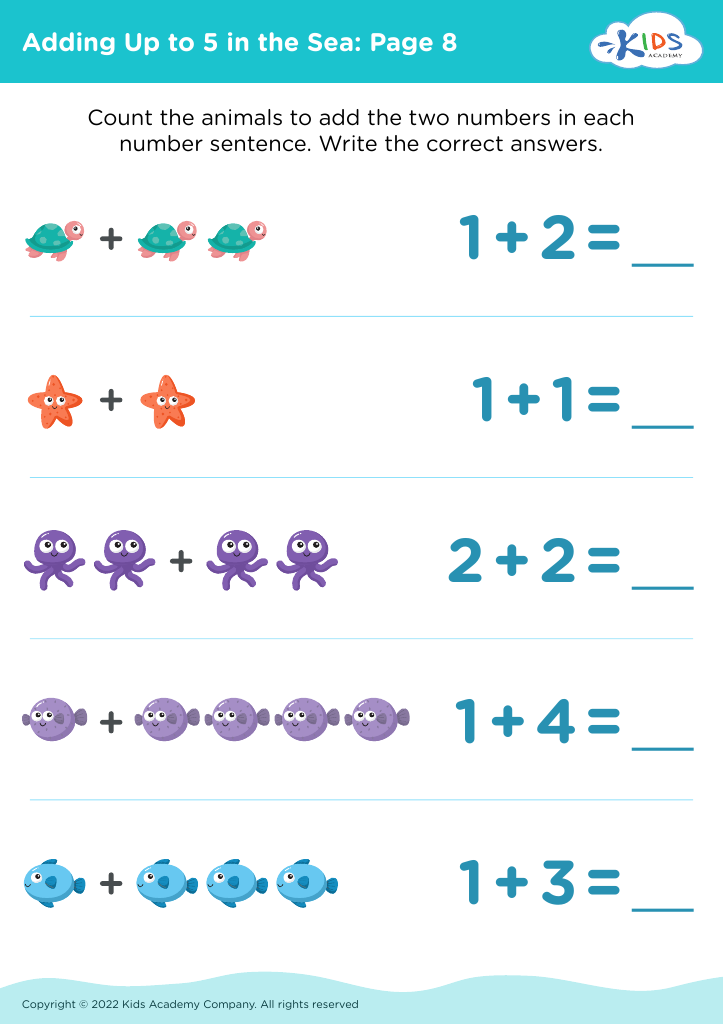








Understanding basic arithmetic, particularly addition, is crucial for children aged 3-4 for several reasons. Firstly, early exposure to addition enhances cognitive development, helping kids develop critical thinking and problem-solving skills. These foundational skills are essential for more complex mathematical concepts they will encounter later in life.
Secondly, grasping basic addition strengthens number sense, enabling children to understand the relationships between numbers. This prepares them for future learning, making the transition to formal schooling smoother. Early mathematical comprehension also promotes a positive attitude toward math, reducing anxiety and fostering a sense of curiosity and confidence.
Additionally, knowing addition helps in everyday life, even at a young age. For instance, children begin to understand how to share equally and anticipate the results of combining objects, which are practical and social skills important in day-to-day interactions.
Educators and parents play vital roles by integrating addition into daily routines through playful and engaging activities. By dedicating time to teach these fundamental skills, they can ensure that children achieve necessary developmental milestones, setting a strong foundation for learning success in more advanced areas. This early intervention can have long-lasting impacts on a child’s academic journey and overall intellectual growth.








