
Developing Concentration Addition Worksheets for Ages 3-4
5 filtered results
Difficulty Level
Grade
Age
-
From - To
Subject
Activity
Standards
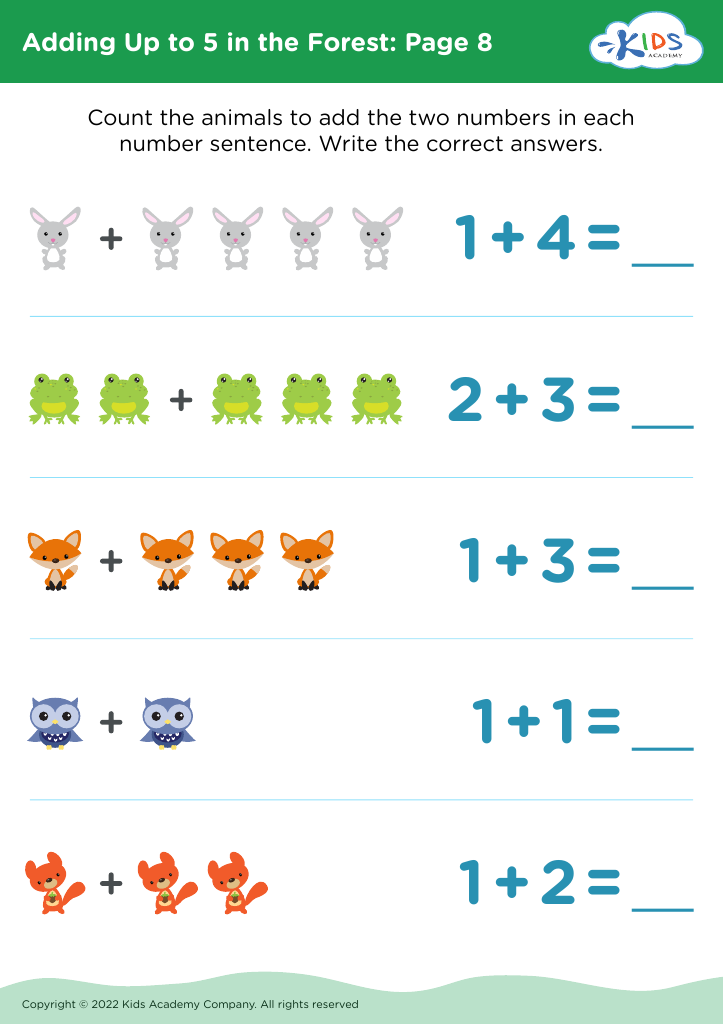
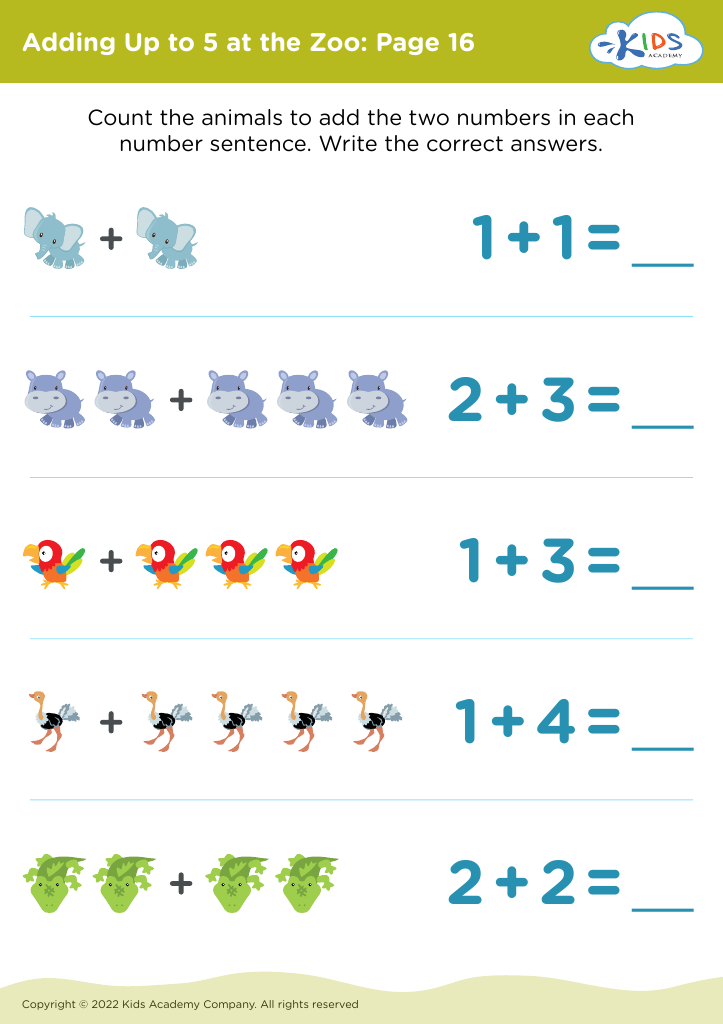
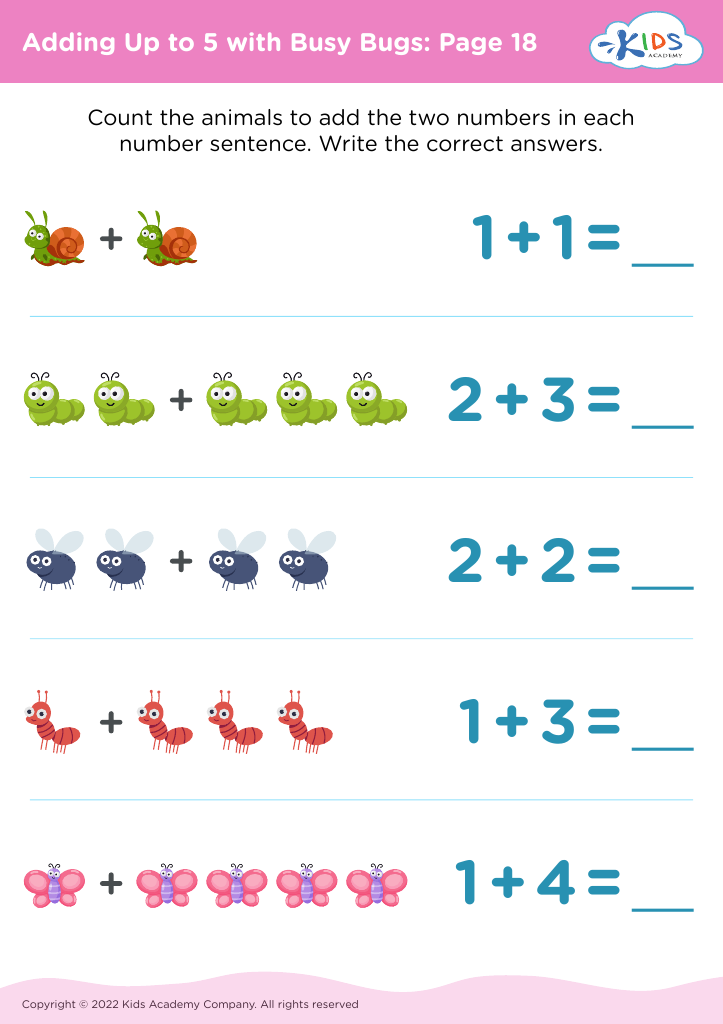
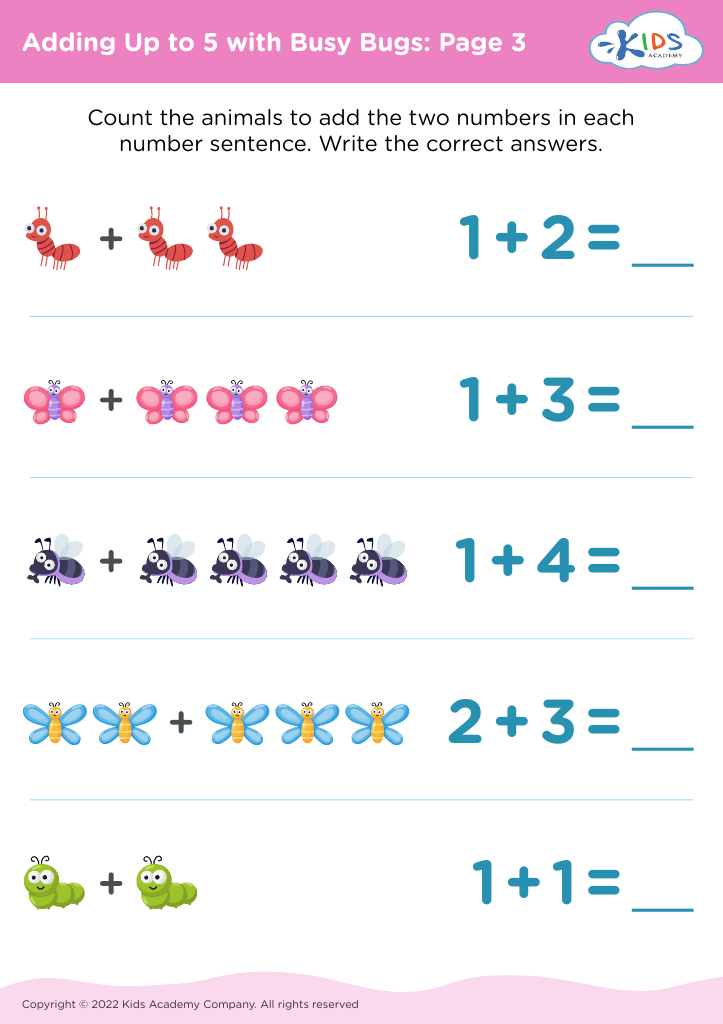
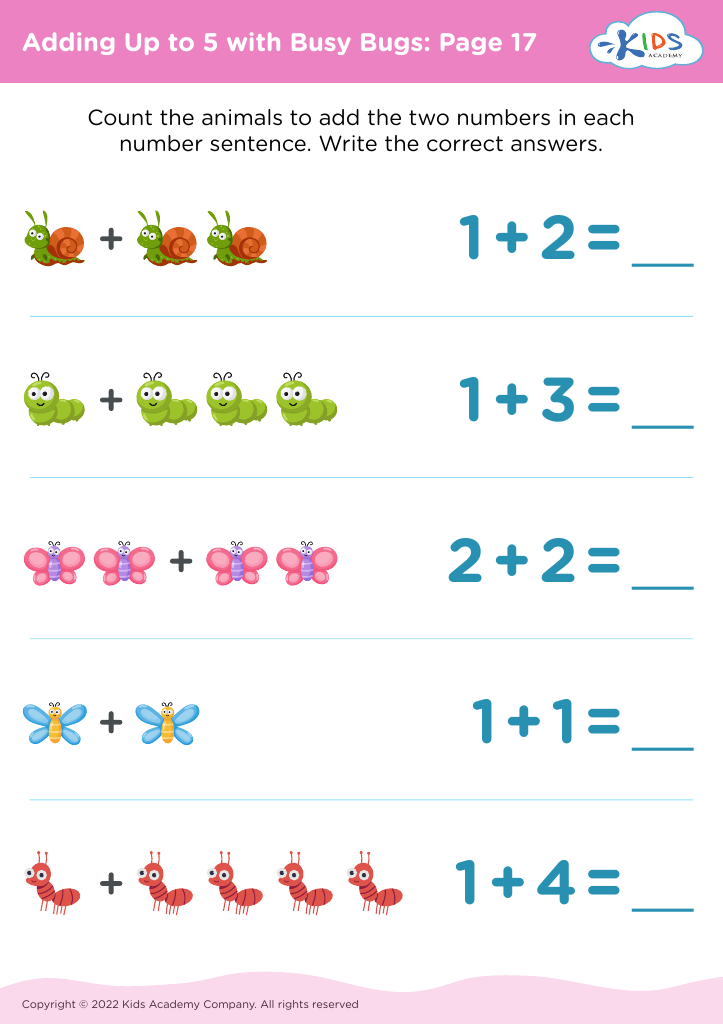
Discover our engaging "Developing Concentration Addition Worksheets," designed specifically for young learners aged 3-4. These meticulously crafted worksheets help children enhance their focus and concentration while introducing basic addition concepts. Through colorful visuals and interactive activities, kids will enjoy practicing their counting skills and learning to solve simple addition problems in a fun and effective manner. Ideal for early childhood education, our worksheets promote cognitive development and improve memory retention, making math enjoyable. Encourage your child's learning journey today with resources that foster attention skills essential for future academic success. Perfect for home or classroom use!
Favorites
With answer key
Interactive
Join Kids Academy for Free
Who is primarily going to use this learning content?


.jpg)





Developing concentration and addition skills in children aged 3-4 is crucial for their cognitive and emotional growth. During these formative years, children's brains are highly adaptable and receptive to learning. Concentration is a foundational skill that enhances a child's ability to focus, listen, and engage in various activities. Building concentration early can lead to improved attention spans and better academic performance in later years.
Adding simple mathematical concepts at this age introduces numerical literacy, encouraging analytical thinking. Engaging in playful activities like counting games, sorting toys, or using everyday items for simple addition not only makes learning fun but also reinforces memory and problem-solving skills.
Furthermore, early exposure to math fosters a growth mindset, preparing children to take on challenges without fear of failure. Collaborating with teachers and parents in these activities encourages a supportive learning environment, cultivates a love for mathematics, and reinforces parental involvement in education, which is key to a child's overall success.
Ultimately, nurturing concentration and addition skills at this young age sets a strong foundation for lifelong learning, boosts self-esteem, and equips children with essential tools they will carry into their future academic careers.








