
Fine motor skills (drawing lines) Addition Worksheets for Ages 3-4
3 filtered results
Difficulty Level
Grade
Age
-
From - To
Subject
Activity
Standards
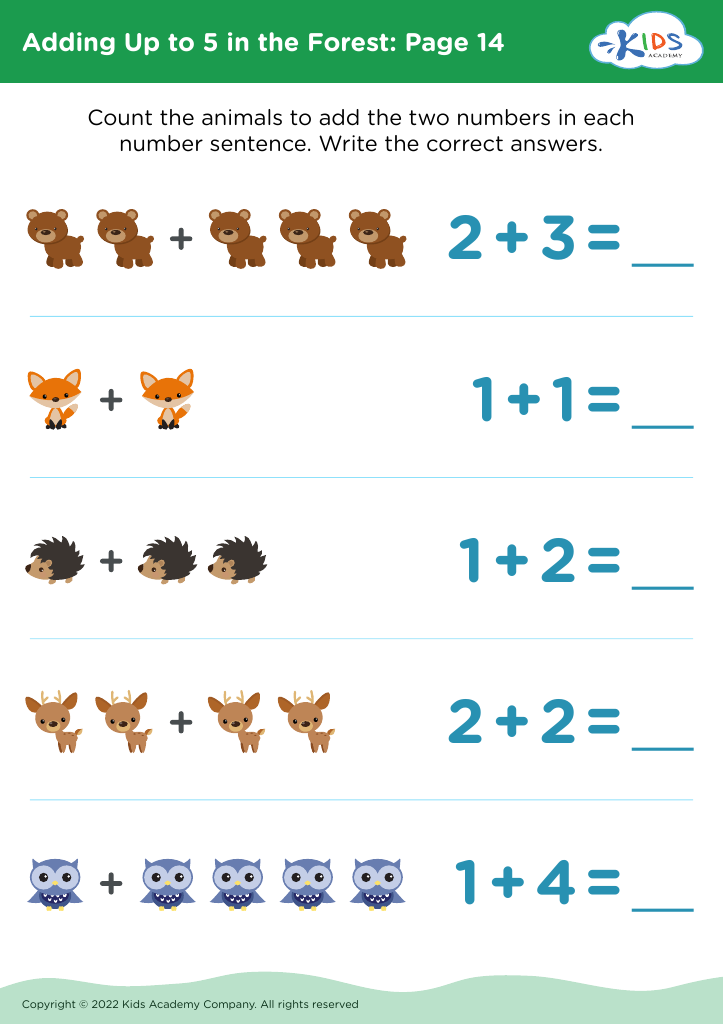
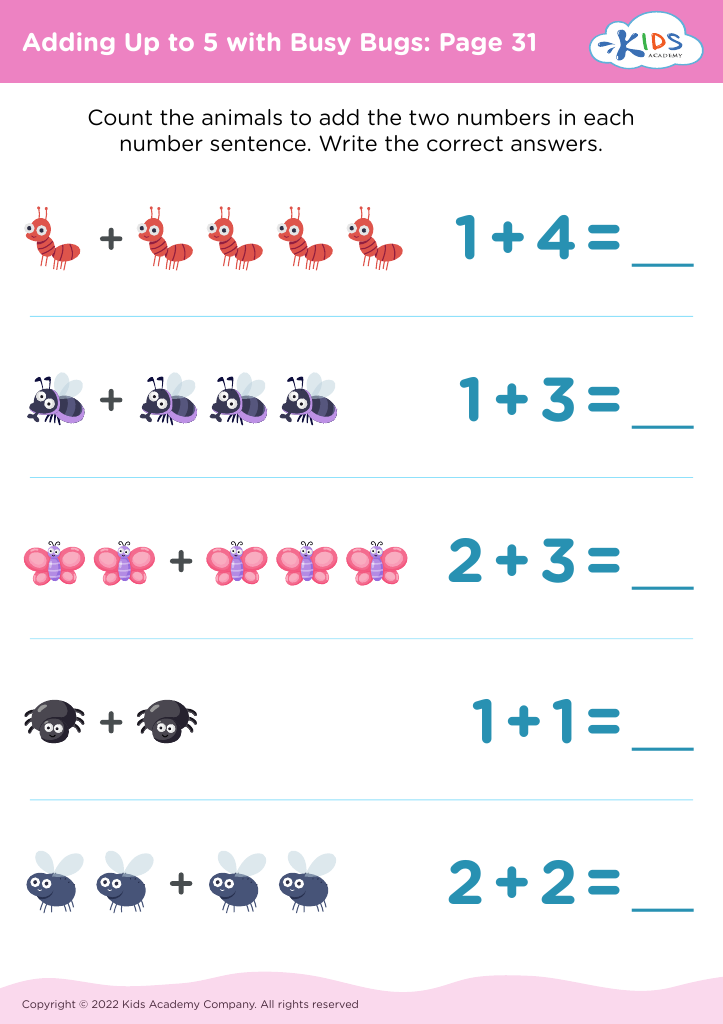
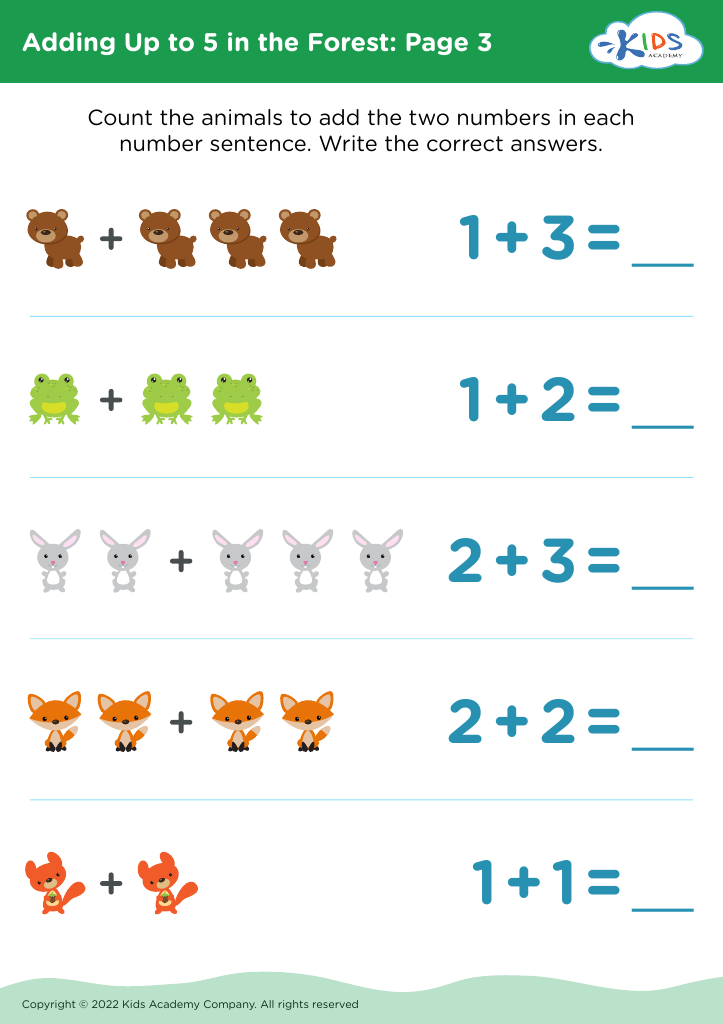
Elevate your child's learning experience with our Fine Motor Skills (Drawing Lines) Addition Worksheets designed specifically for ages 3-4. These engaging, interactive worksheets not only promote early math skills through fun addition exercises but also enhance fine motor development by encouraging your little ones to draw lines, shapes, and numbers with precision. Each activity fosters hand-eye coordination and provides a playful approach to learning. Suitable for home learning or preschool activities, our worksheets are perfect for encouraging creativity while building foundational math skills. Unlock your child's potential and watch them thrive with these stimulating and educational resources!
Favorites
With answer key
Interactive
Join Kids Academy for Free
Who is primarily going to use this learning content?








Fine motor skills are essential for early childhood development, particularly for children aged 3-4. At this stage, activities such as drawing lines and engaging in simple addition tasks help enhance dexterity, hand-eye coordination, and cognitive abilities. Parents and teachers should care about these skills because they form the foundation for later academic success and everyday independence.
Drawing lines encourages children to practice control over their hand movements, which is crucial for tasks like writing and using scissors. Improved fine motor skills contribute to greater confidence in self-expression and creativity. Additionally, when children engage in simple addition using objects or drawings, they begin to understand the basics of numeracy and develop problem-solving skills.
Moreover, these early experiences promote concentration, patience, and an understanding of spatial relationships, which are vital for future learning. Cultivating fine motor skills through fun, engaging activities also fosters a child’s social skills as they often collaborate with peers. Overall, parents and teachers play a pivotal role in nurturing these skills to help pave the way for children's growth, learning, and lifelong success. By prioritizing fine motor development, they empower children to explore the world around them confidently.








