Understanding Sequences Addition Worksheets for Ages 3-4
3 filtered results
-
From - To
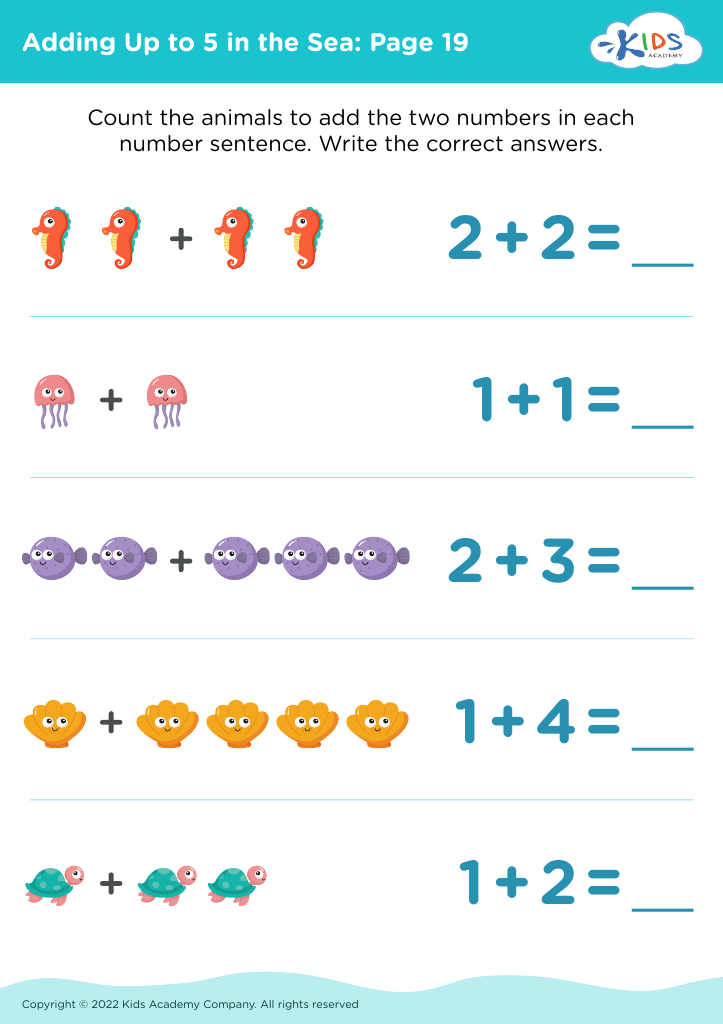
Welcome to our "Understanding Sequences Addition Worksheets" designed specifically for preschoolers aged 3-4! These engaging worksheets help young learners develop a foundational understanding of addition through sequential activities. Children will explore the concept of adding numbers in order, enhancing their critical thinking and problem-solving skills. Our colorful, interactive exercises encourage hands-on learning as kids use visuals to represent quantities and practice simple addition. With a focus on fun and play, these worksheets foster a love for math and give your child the confidence to progress in their mathematical journey. Dive in today and watch them bloom in their numeral understanding!
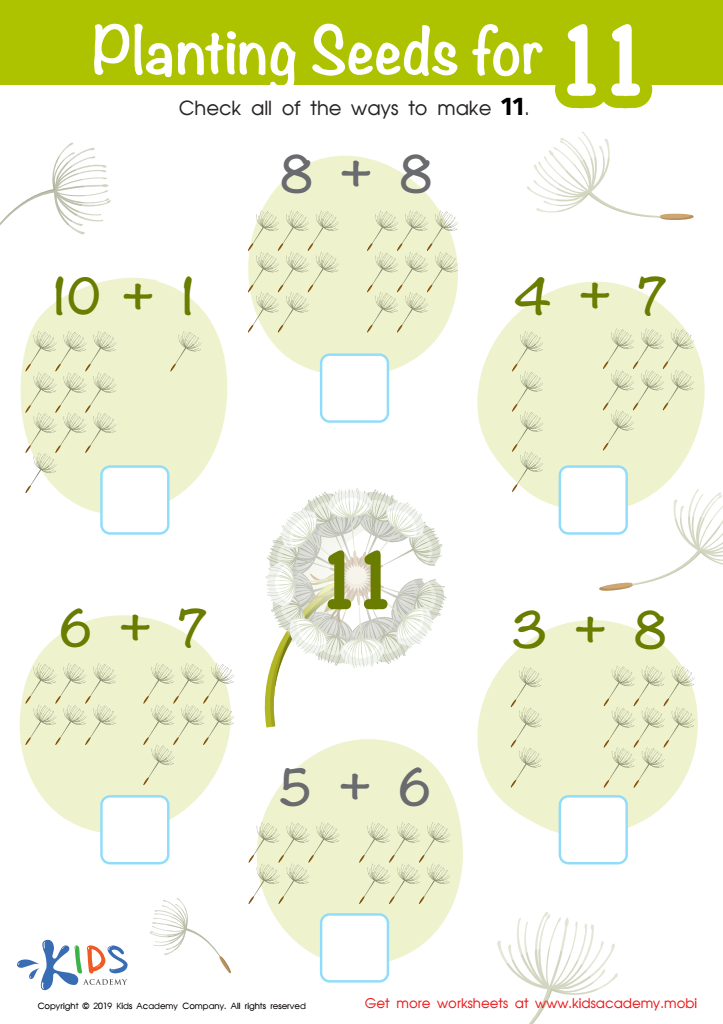
Planting Seeds for 11 Worksheet
 Assign to My Students
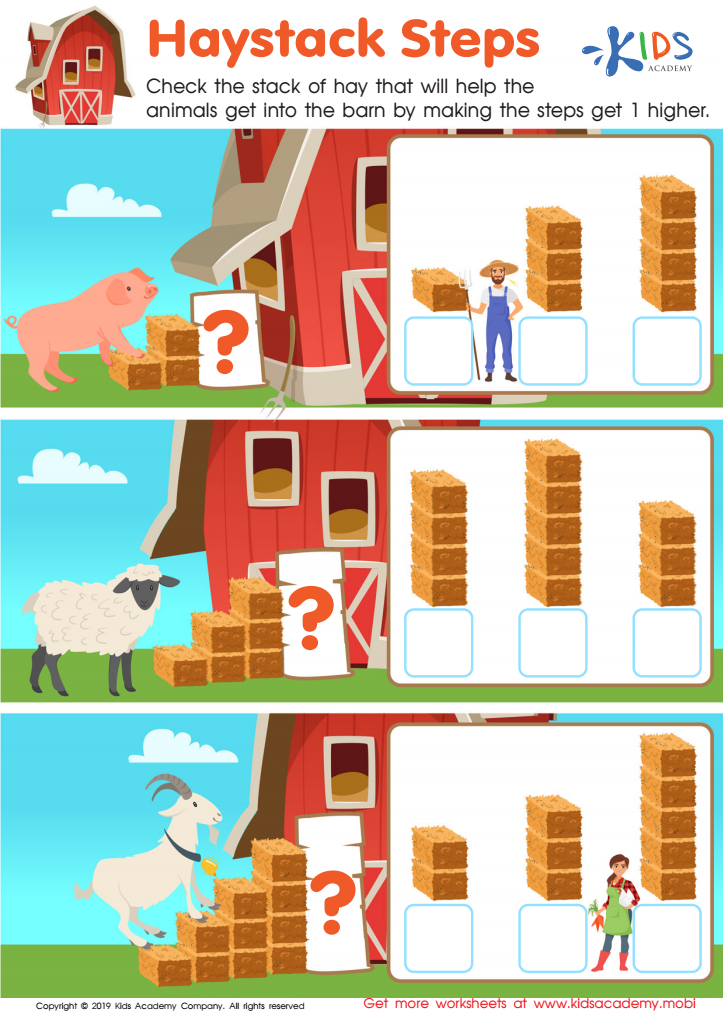
Haystack Steps Worksheet





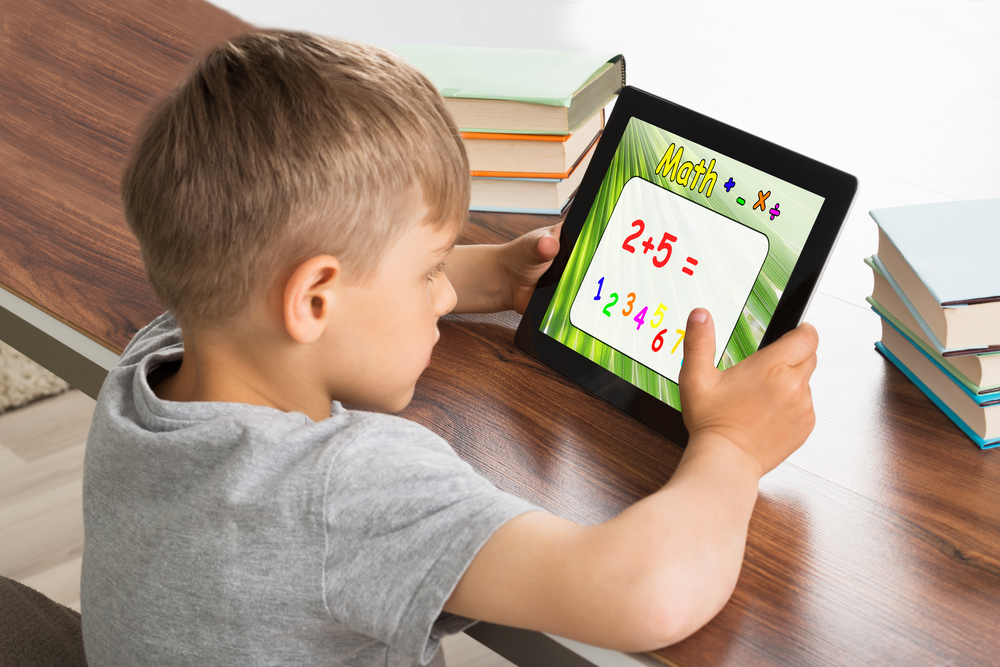

Understanding sequences in addition is crucial for children aged 3-4, as it lays the foundation for their mathematical abilities. At this age, children are naturally curious and eager to learn, making it an ideal time to introduce basic concepts of addition through sequences. When parents and teachers help children grasp the idea of sequences, they begin to understand the order and relationships between numbers, which are essential skills in early numeracy.
Learning about sequences fosters cognitive development, as it encourages logical thinking and problem-solving. Children can engage in activities like counting objects, singing number songs, or using physical manipulatives to visualize the process of adding numbers. This hands-on approach not only makes learning enjoyable but also reinforces their understanding of addition in a practical context.
Moreover, developing a strong grasp of sequences enhances children's confidence in their mathematical abilities, which can positively impact their future academic experiences. By caring about this foundational concept, parents and teachers can help children build a robust mathematical groundwork that supports their lifelong learning in mathematics and other related fields. Engaging in these early learning experiences paves the way for success as children transition into more complex mathematical concepts in their educational journey.








