
Visual perception improvement Addition Worksheets for Ages 3-4
5 filtered results
Difficulty Level
Grade
Age
-
From - To
Subject
Activity
Standards
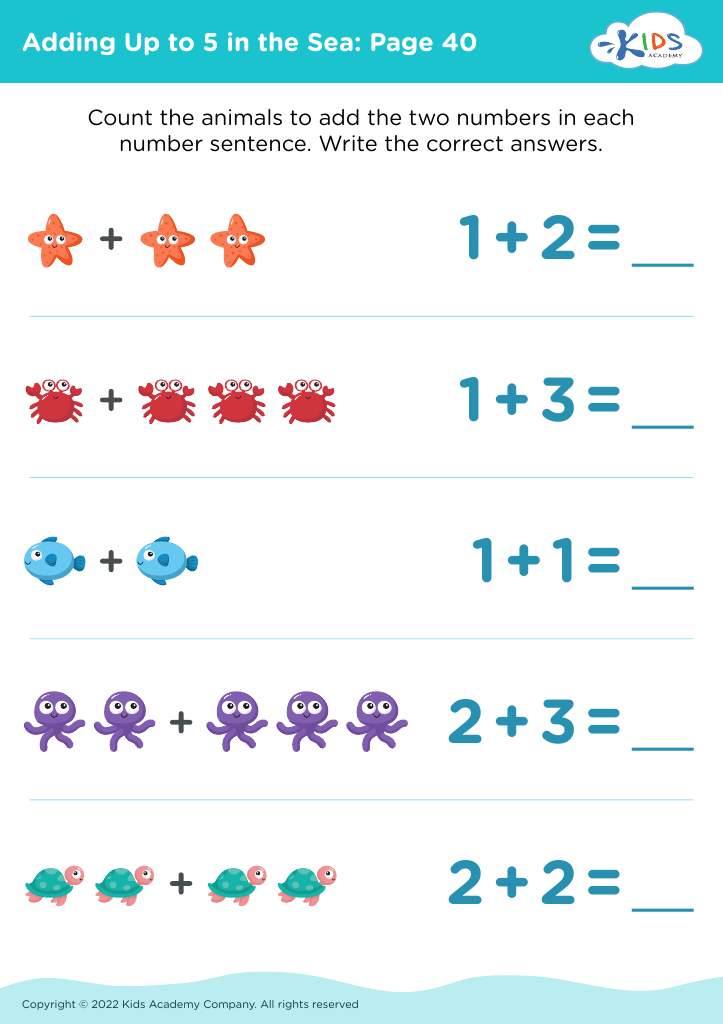
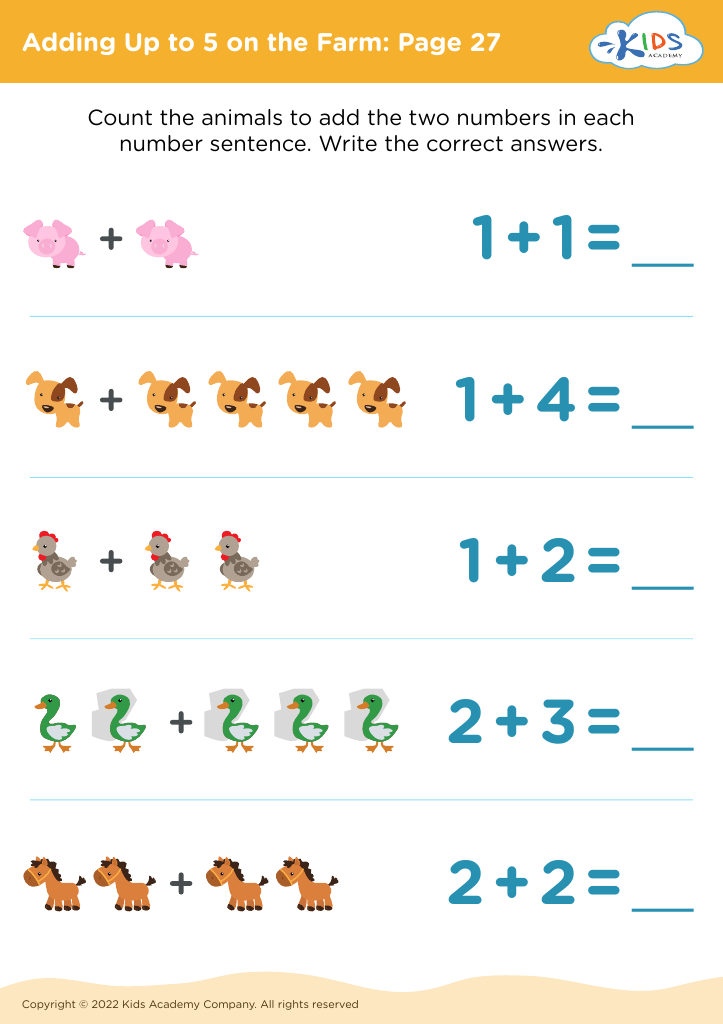
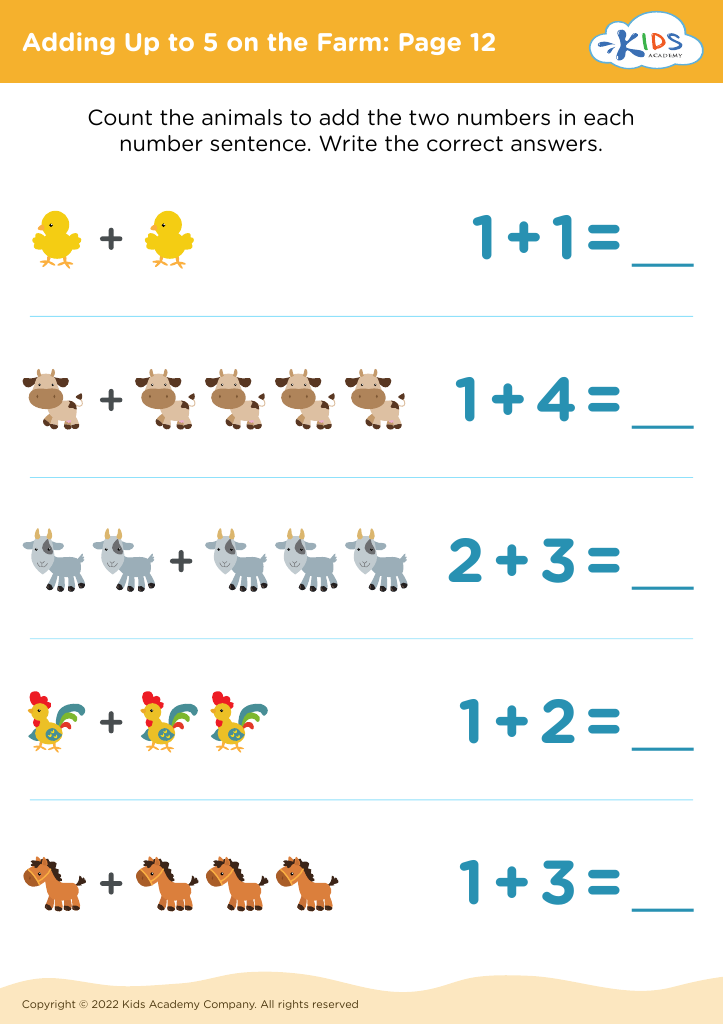
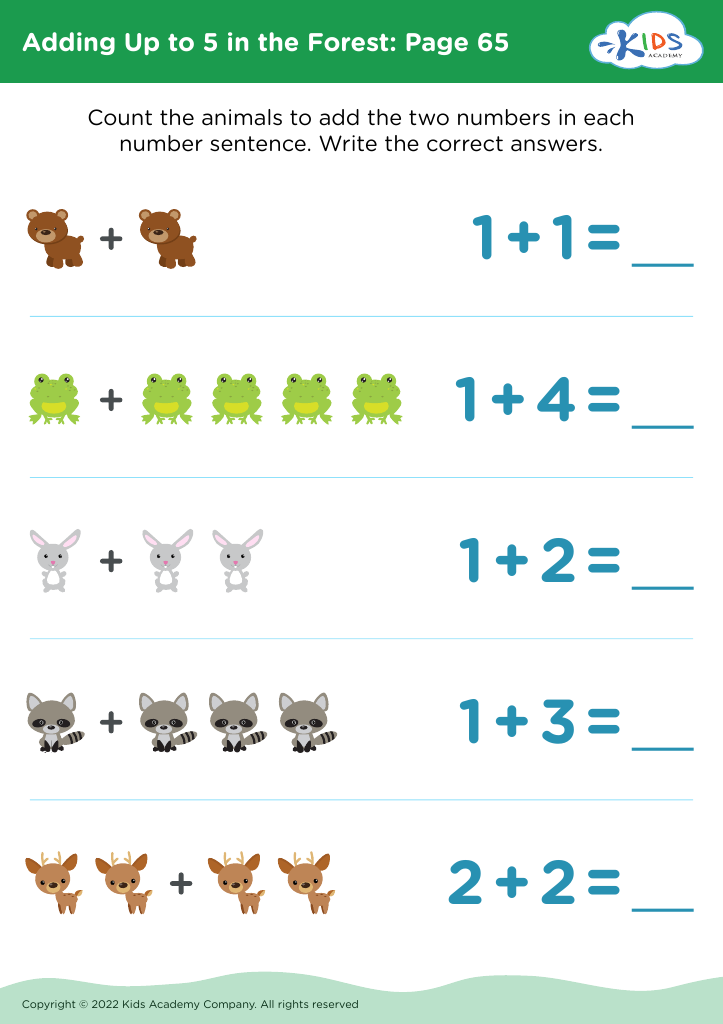
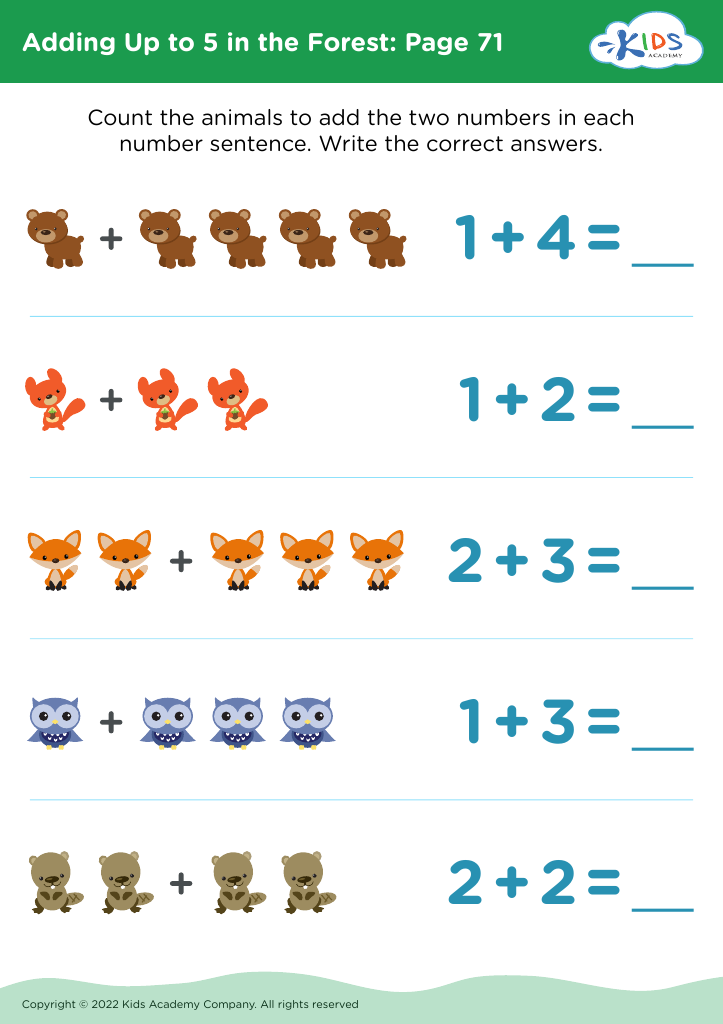
Enhance your child's learning journey with our Visual Perception Improvement Addition Worksheets designed specifically for ages 3-4. These engaging resources encourage young learners to develop essential cognitive skills while mastering basic addition concepts. Through vibrant visuals and interactive exercises, children will sharpen their ability to recognize shapes, patterns, and spatial relationships, laying a solid foundation for future math success. Each worksheet is carefully crafted to promote visual discrimination and problem-solving abilities, making learning fun and effective. Perfect for parents and educators, our worksheets foster a love for learning while ensuring your little ones are well-prepared for the next steps in their educational journey!
Favorites
With answer key
Interactive
Join Kids Academy for Free
Who is primarily going to use this learning content?








Visual perception is a crucial skill that forms the foundation for many learning experiences. For parents and teachers of children aged 3-4, focusing on improving visual perception is essential as it directly impacts a child’s ability to understand and interpret the visual world around them.
At this age, children are learning to recognize shapes, colors, and sizes, which are foundational skills for later stages of development, including literacy and math. Enhanced visual perception helps children with tasks such as spatial awareness, recognizing letters and numbers, and understanding the relationship between objects. This skill is vital for kindergarten readiness, as it influences how children approach reading activities and problem-solving tasks that involve visual input.
Improving visual perception can also boost a child's confidence and independence. Engaging in fun activities such as puzzles, matching games, and art can help connect these skills to enjoyable learning experiences. Moreover, nurturing visual perception can alleviate challenges faced by children who may struggle with visual processing, ensuring they are equipped to thrive in their educational journey.
In conclusion, investing time and effort in enhancing visual perception for children aged 3-4 has profound implications, paving the way for academic success and personal growth.








