Number Recognition Comparing Numbers Worksheets for Ages 3-4
3 filtered results
-
From - To
Introduce your little ones to the exciting world of numbers with our "Number Recognition Comparing Numbers Worksheets" designed specifically for ages 3-4! These engaging worksheets help young learners enhance their number recognition skills while comparing quantities in a fun and interactive way. Through colorful illustrations and age-appropriate exercises, children will develop essential math skills, boost their confidence, and strengthen their ability to identify and compare numbers. Perfect for homeschooling, preschool activities, or supplementary learning, these worksheets make math enjoyable and accessible! Explore a variety of activities that cultivate early numeracy and prepare your child for future success in mathematics. Start the learning adventure today!
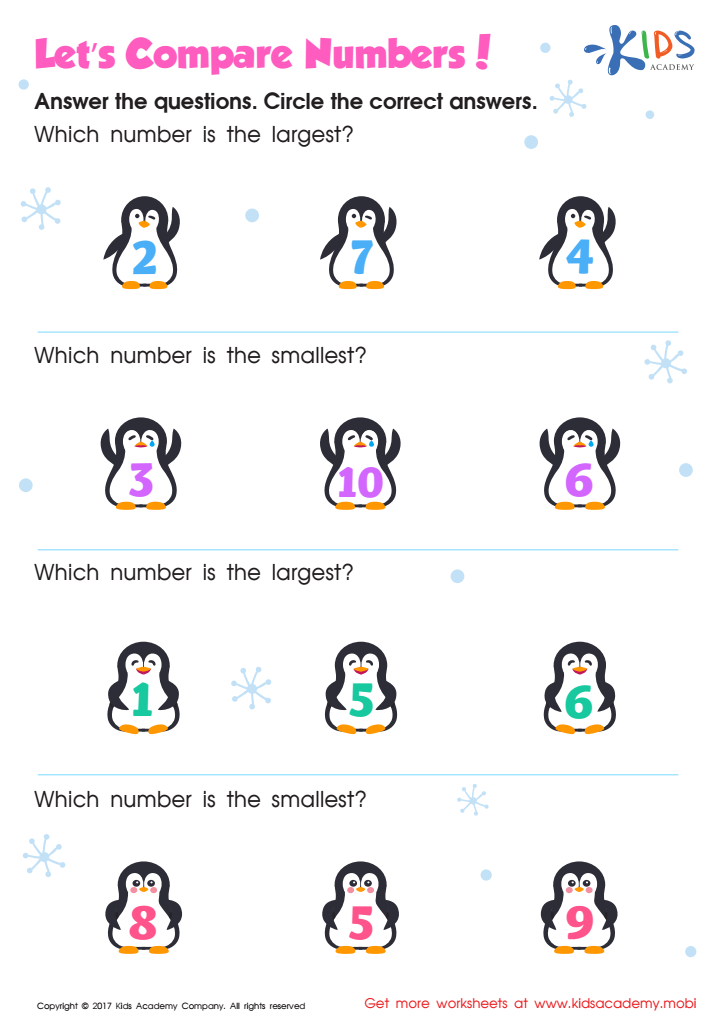
Comparing Numbers 1–10 Worksheet Kindergarten
 Assign to My Students

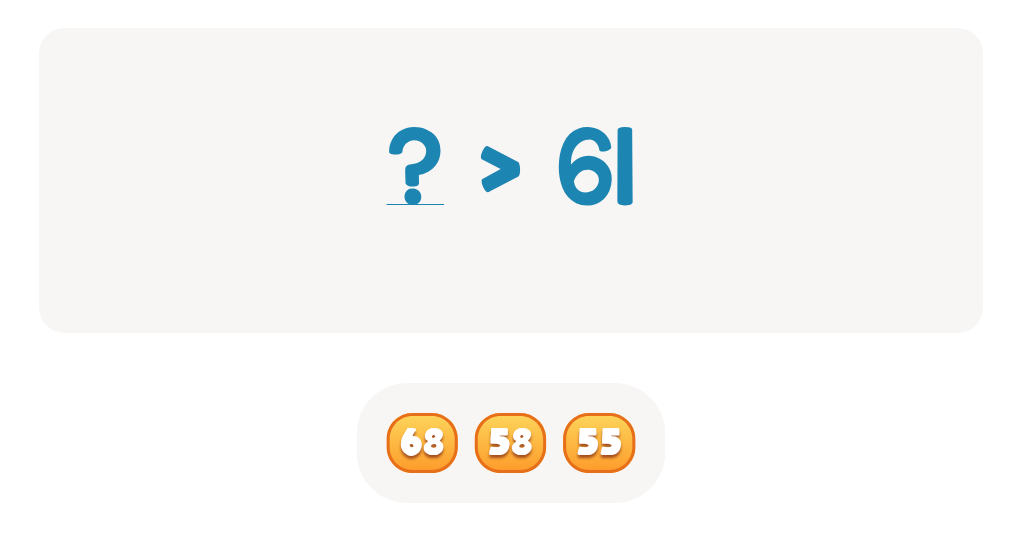
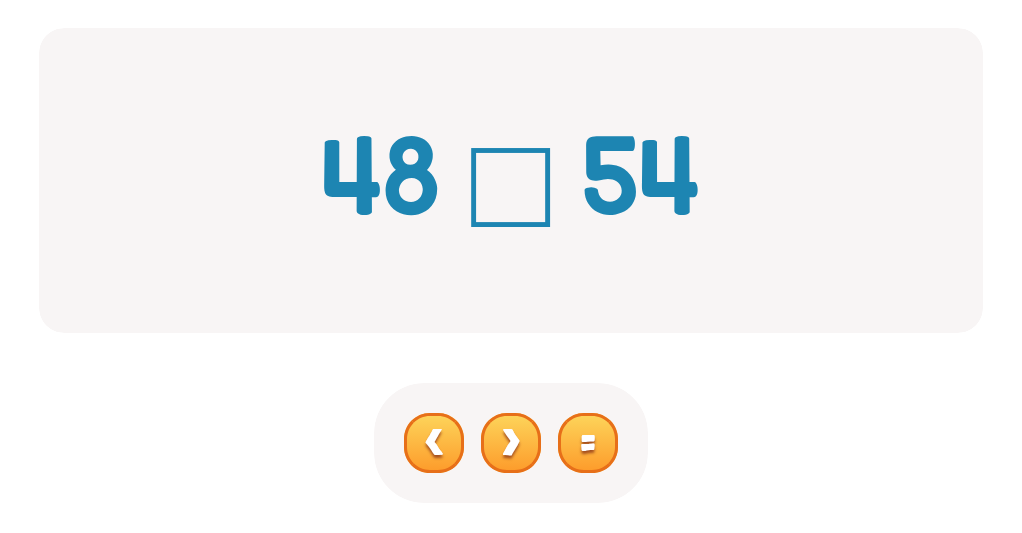
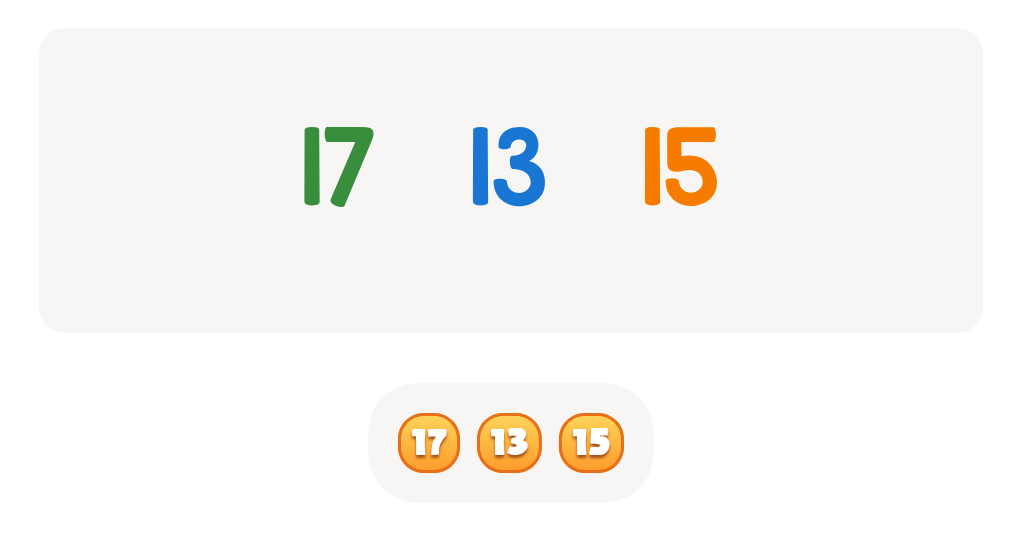
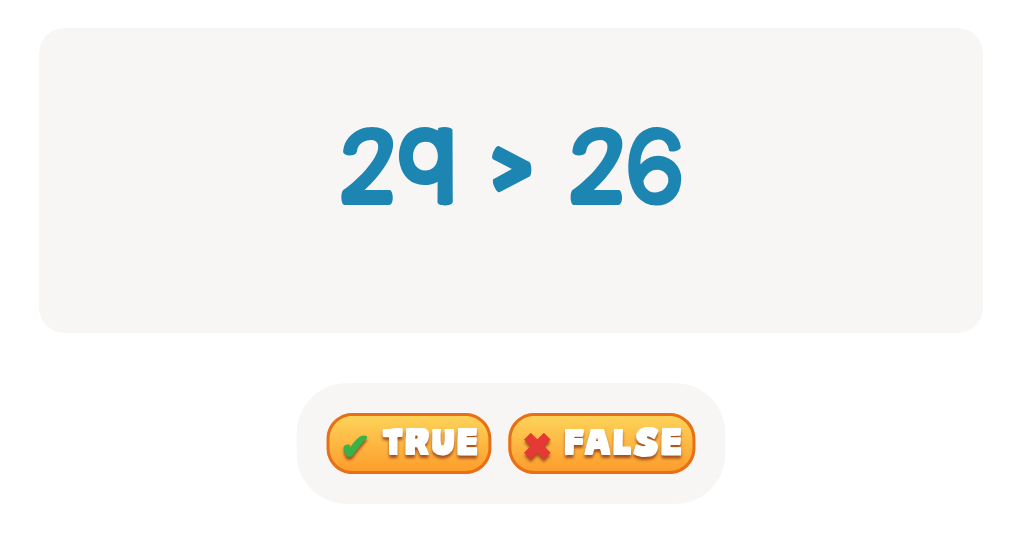
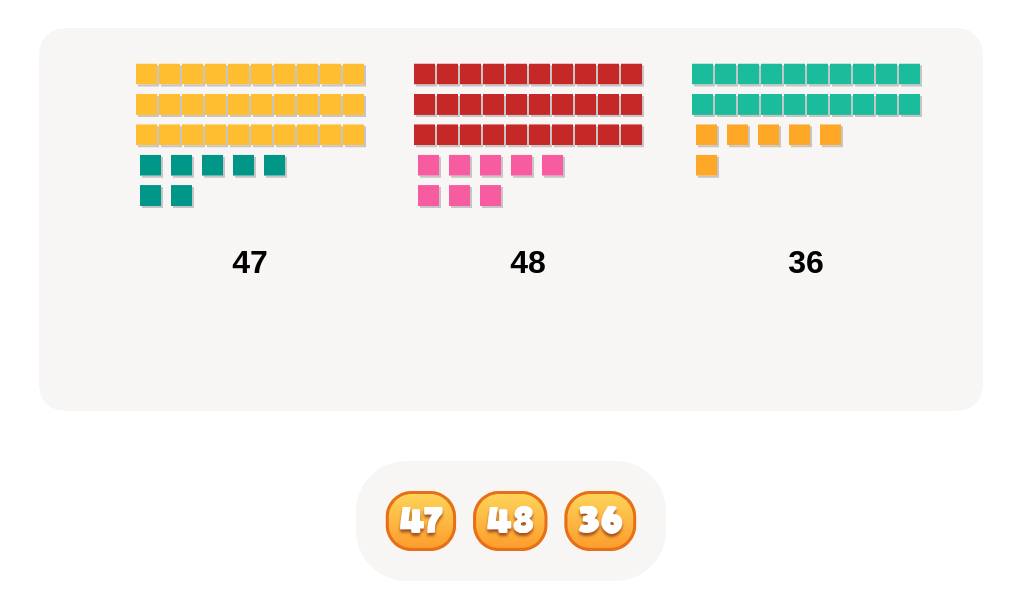
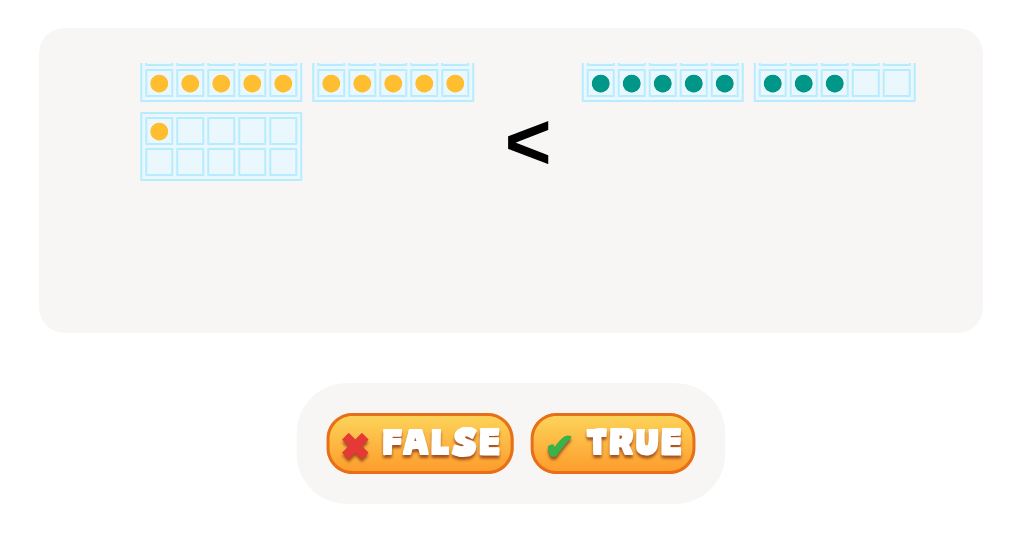
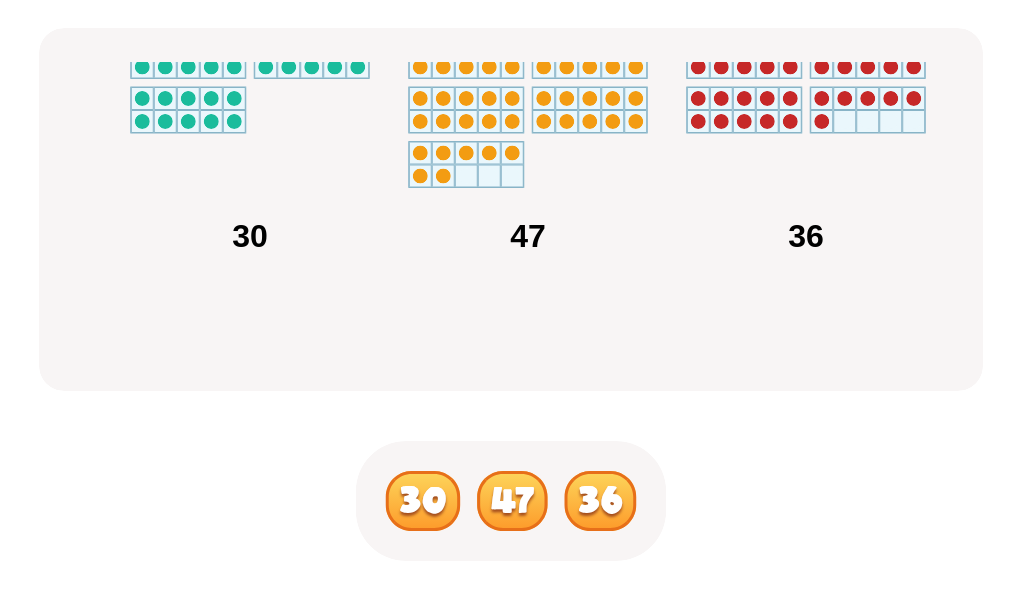
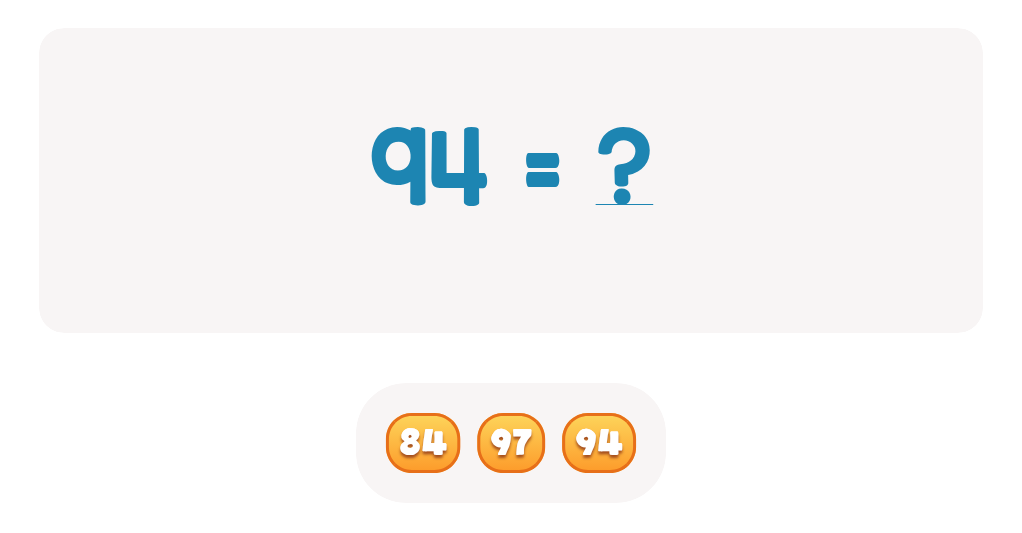
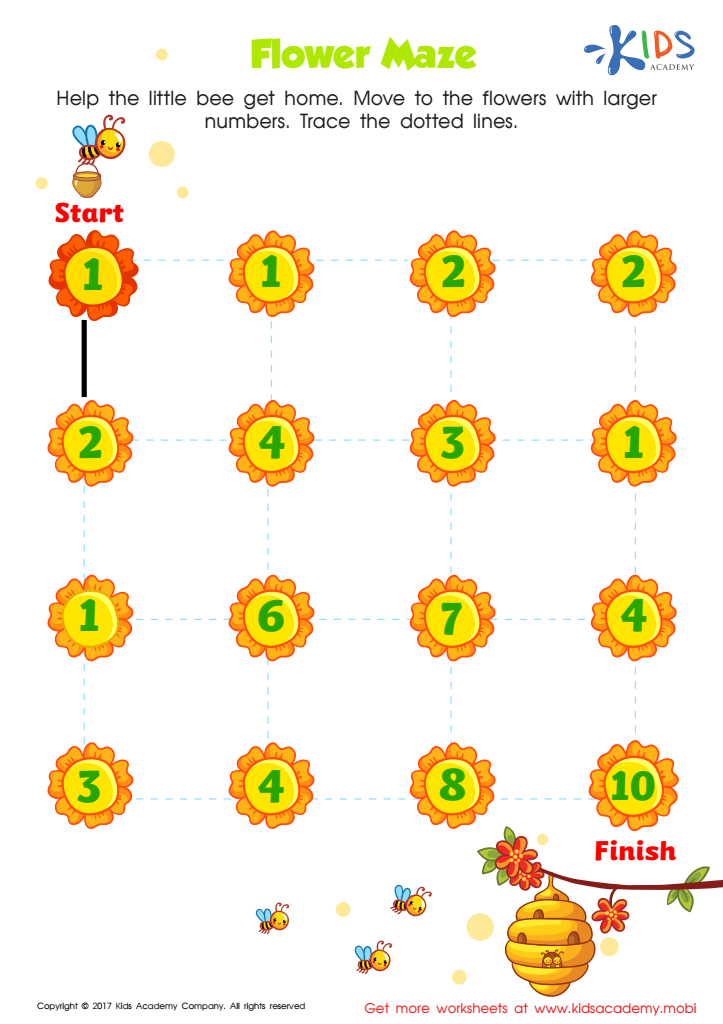
Number Maze For Kindergarten Printable
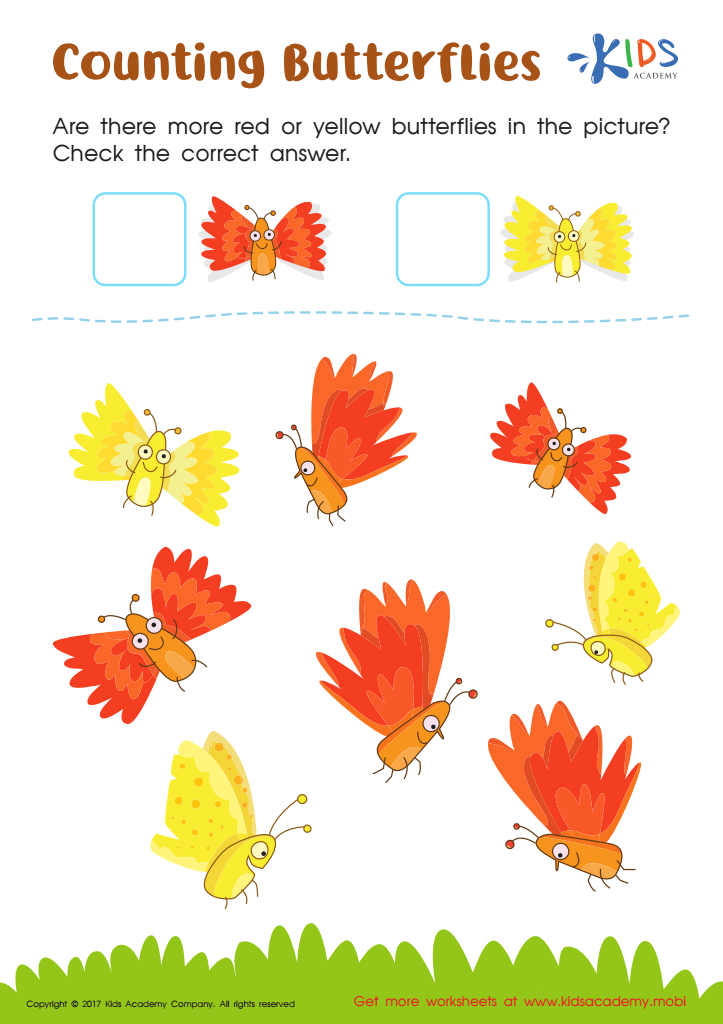
Counting Butterflies Worksheet








Number recognition and comparing numbers are fundamental skills for children ages 3-4 that lay the groundwork for later mathematical understanding. Engaging young learners in these concepts fosters critical cognitive development, as they start to make sense of the world around them through numbers. Recognizing numbers allows children to identify quantities, which is essential for everyday tasks like counting objects, understanding age, or even basic time concepts.
Furthermore, comparing numbers—which involves determining which number is larger or smaller—enhances logical thinking and reasoning abilities. When children learn to compare quantities, they develop an understanding of size, order, and relationships, all vital components of mathematical literacy. Teachers and parents can, therefore, help children form a solid foundation in numerical concepts through playful activities that promote interaction with numbers in their everyday environment.
Additionally, fostering these skills at an early age can build confidence in children, reducing anxiety when they encounter math later in school. Early exposure promotes not only academic success but also a positive attitude towards learning and problem-solving, encouraging lifelong mathematical curiosity. By participating in this learning process, parents and teachers nurture foundational skills that will serve children as they advance in their education, making it crucial for them to prioritize number recognition and comparison.