Categorization skills Numbers Worksheets for Ages 3-4
4 filtered results
-
From - To
Enhance your child's learning experience with our Categorization Skills Numbers Worksheets designed for ages 3-4. These engaging and interactive worksheets foster essential skills as children explore numbers through fun activities. By categorizing items based on quantity and numerical values, young learners develop critical thinking and problem-solving abilities, laying a strong foundation for future math concepts. Our user-friendly worksheets captivate children's attention, making learning both effective and enjoyable. Perfect for parents and educators, these resources offer a delightful blend of education and play, ensuring your little ones thrive in their early mathematical journey. Explore the joy of learning through numbers today!
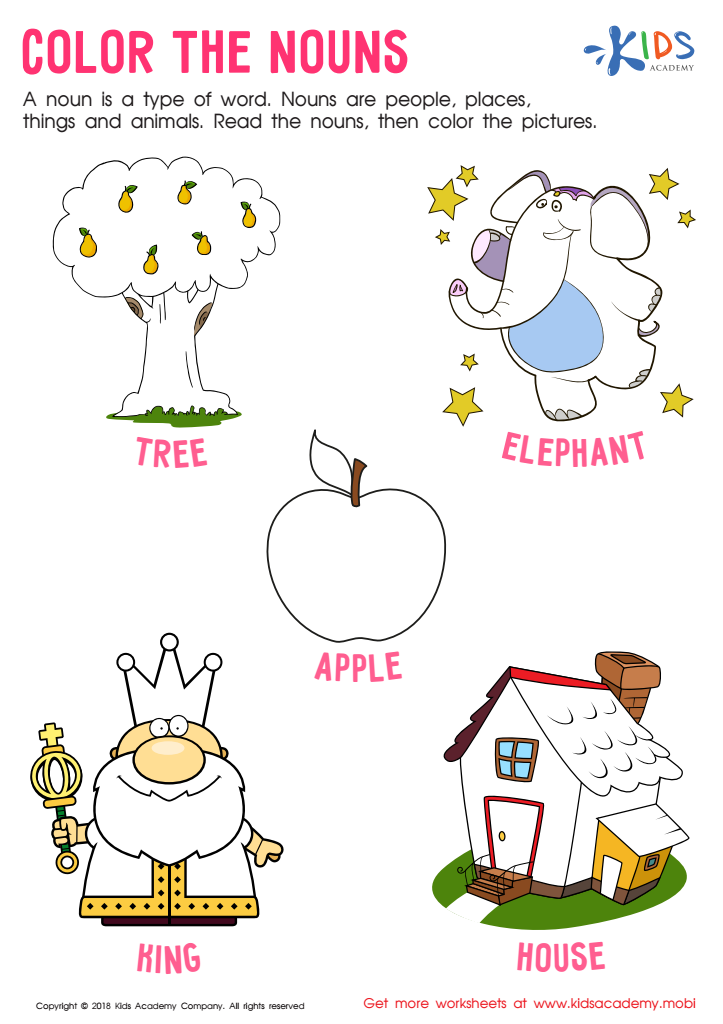
Color the Nouns Worksheet
 Assign to My Students
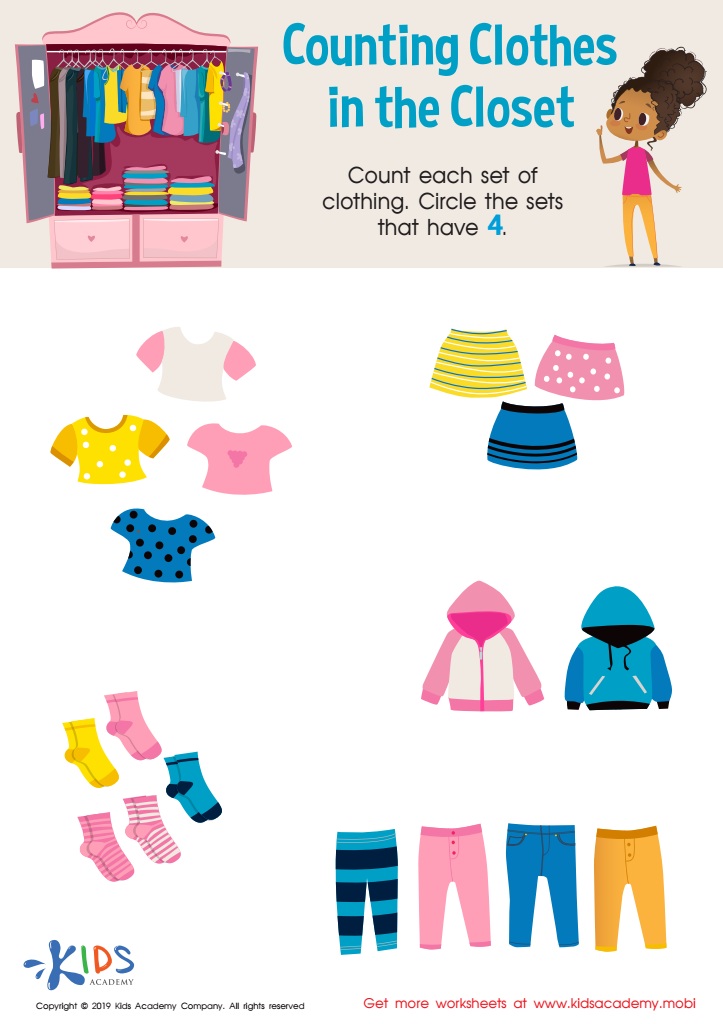
Counting Clothes Worksheet
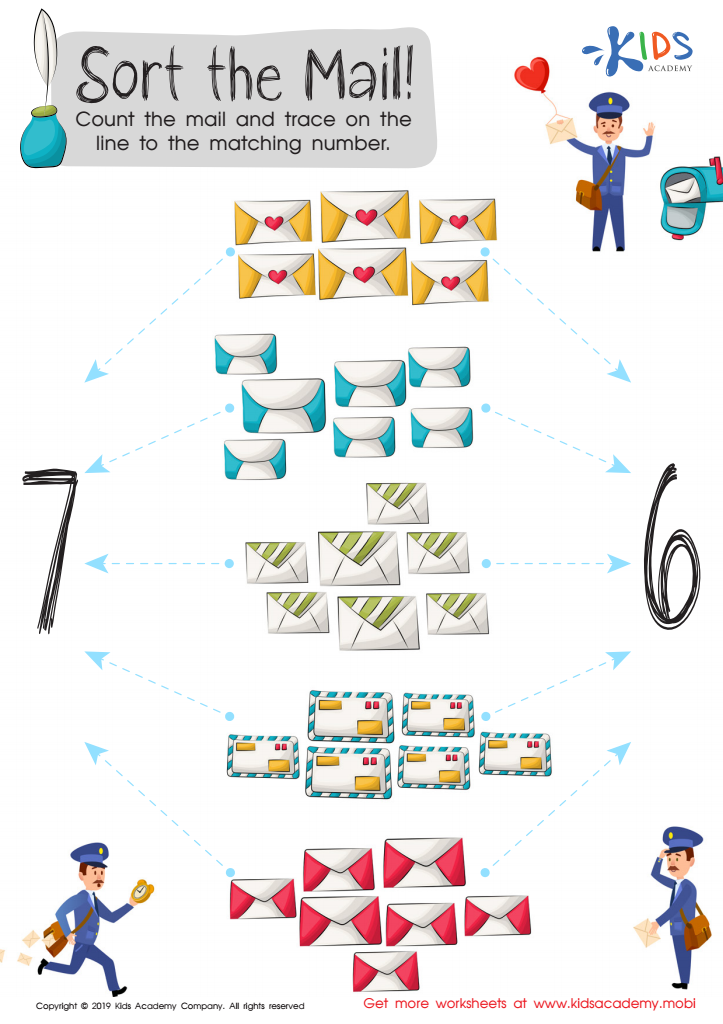
Sort the Mail Worksheet
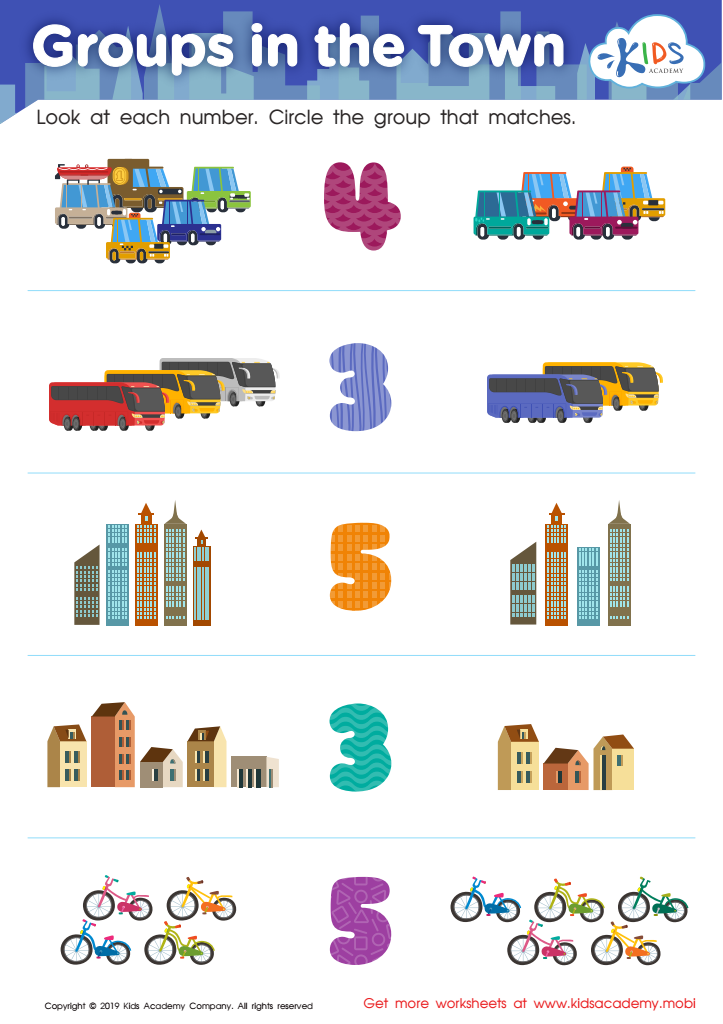
Groups in the Town Worksheet





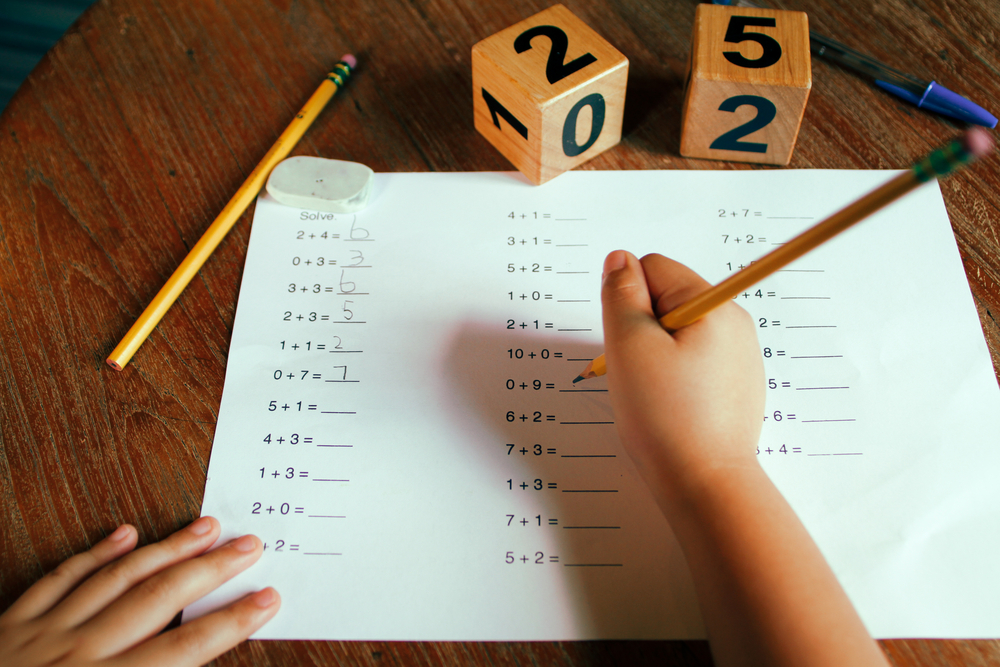


Categorization skills are critical for children aged 3 to 4 as they lay the foundation for essential cognitive development. At this age, children are beginning to understand how to group objects based on shared characteristics, such as color, shape, or size, which actively engages their critical thinking and problem-solving abilities. By categorizing, kids learn to make connections between different items and understand the world around them more effectively.
Parents and teachers should care about developing these skills because they are fundamental to future learning. For instance, categorization is closely tied to later skills in math and literacy. By recognizing differences and similarities, children enhance their abilities to sort and classify, a precursor to understanding numbers, counting, and basic arithmetic. Moreover, these skills foster language development, as children learn to articulate their reasoning and describe the relationships between items.
Additionally, strong categorization skills contribute to a child’s social development, aiding them in understanding group dynamics and relationships. When parents and teachers actively promote these abilities through engaging activities, they not only support a child's intellectual growth but also boost their confidence and independence, ensuring a well-rounded foundation for lifelong learning.








