Counting practice Numbers Worksheets for Ages 3-4 - Page 2
28 filtered results
-
From - To
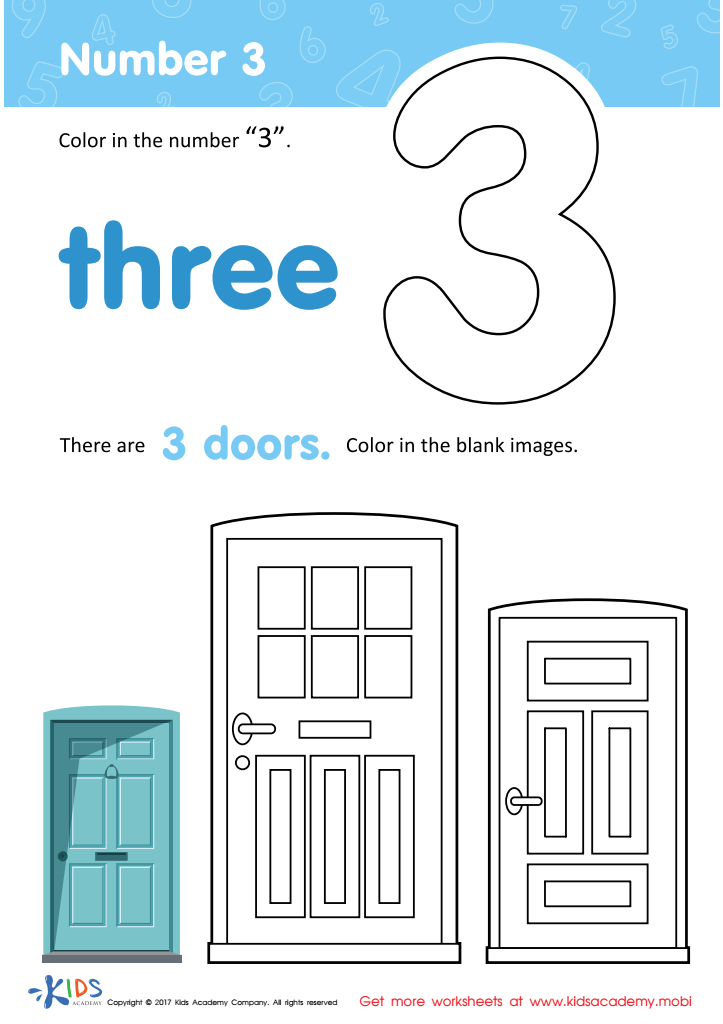
Number 3 Worksheet
 Assign to My Students
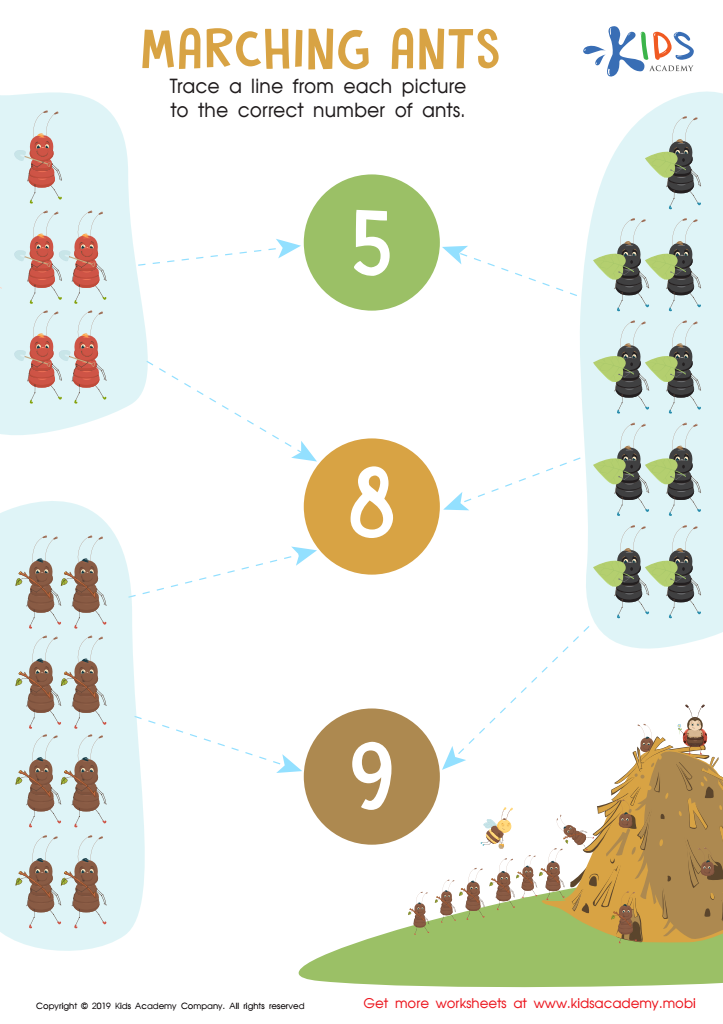
Marching Ants Worksheet

Counting on the City Skyline: Dot-to-Dot Worksheet
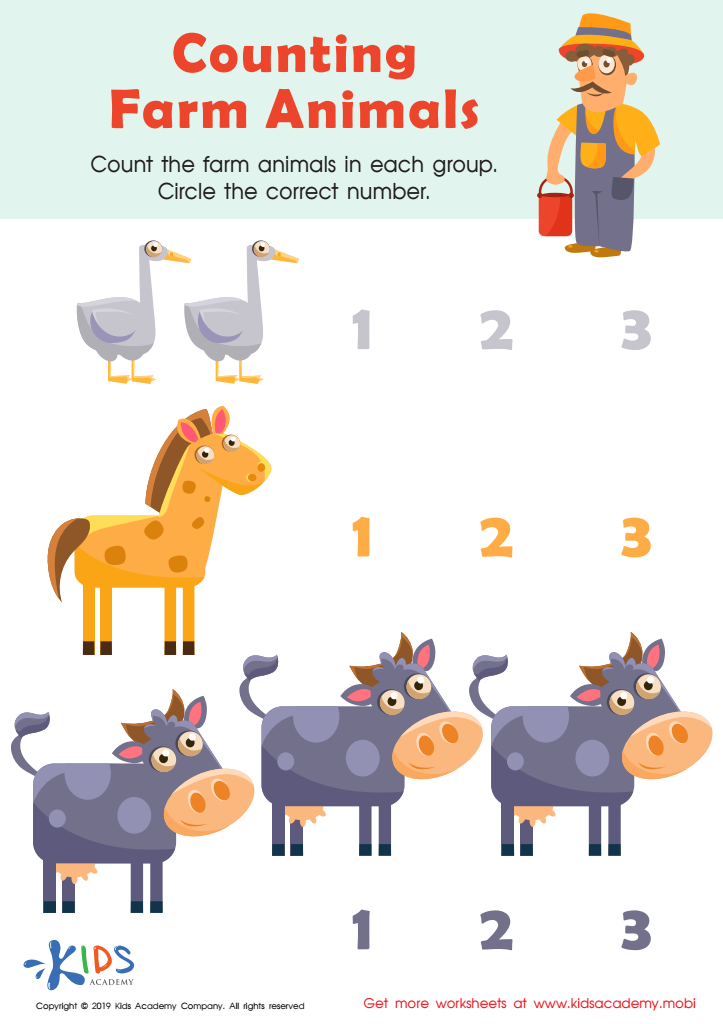
Counting Farm Animals Worksheet


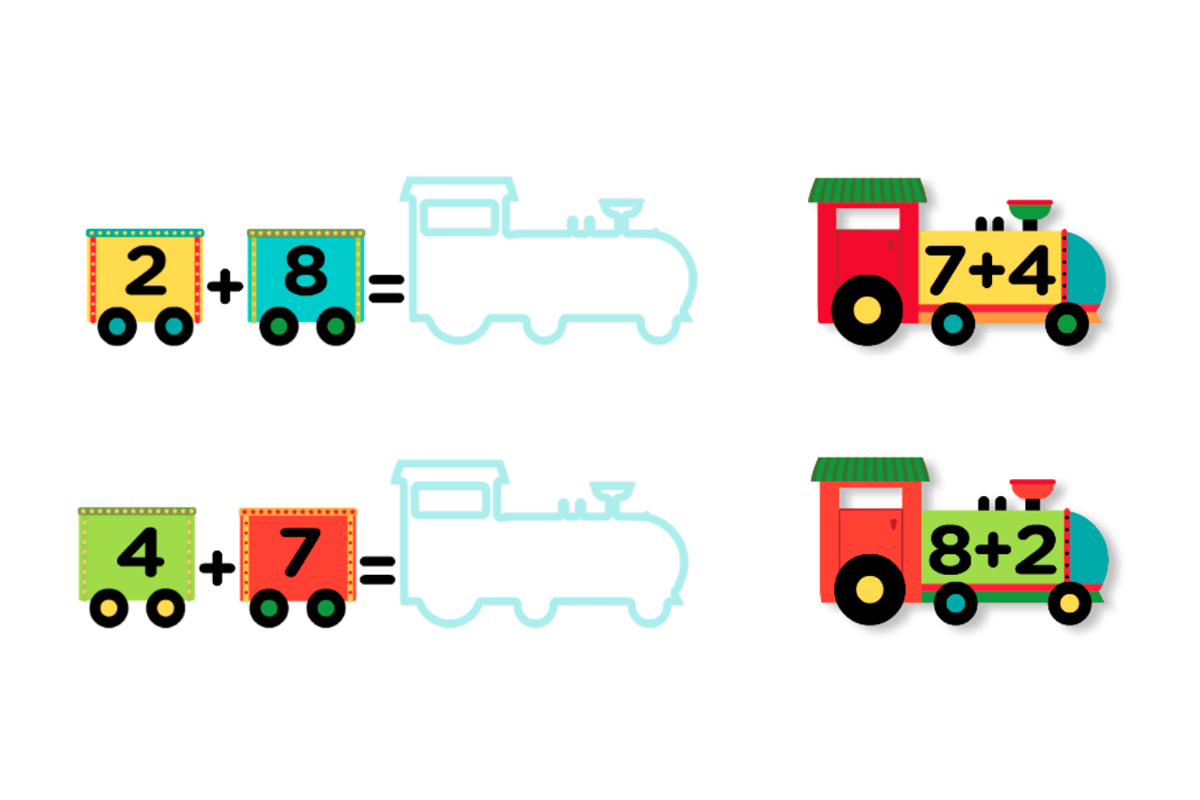





Counting practice is fundamental for 3 to 4-year-olds as it lays the groundwork for their future academic success and everyday functioning. Early exposure to numbers aids cognitive development and builds a child's understanding of quantity and order. Engaging in counting activities enhances their ability to recognize patterns, a key skill in both math and literacy.
For parents and teachers, fostering an environment where counting is a daily activity can significantly boost a child’s confidence and curiosity towards learning. At this age, children are particularly receptive to new information. Through playful, consistent counting exercises such as counting toys, steps, or snacks, they develop critical thinking and problem-solving skills in a context they find enjoyable and natural.
Moreover, counting practice supports fine motor skills development when combined with physical activities like counting blocks or beads. It also aids language development as children learn number names and sequencing vocabulary. Understanding numbers early on also helps children grasp the concept of time, money, and measurement later in life.
In sum, caring about counting practice encourages a foundation of numeracy that is as important as early literacy. It's an investment in a child’s math skills and overall cognitive development that sets them on a successful educational trajectory.








