Logical Reasoning Numbers Worksheets for Ages 3-4
3 filtered results
-
From - To
Discover our engaging Logical Reasoning Numbers Worksheets designed specifically for children aged 3-4! These interactive resources help young learners develop essential math skills through fun and stimulating activities. Our worksheets incorporate playful exercises that encourage critical thinking, pattern recognition, and problem-solving abilities while reinforcing number awareness. With vibrant illustrations and age-appropriate challenges, children will be excited to explore concepts such as counting, sequencing, and sorting. Each worksheet aims to foster a love for learning while building a strong foundation for future mathematics success. Perfect for homeschoolers, preschool teachers, or parents seeking creative educational tools, our worksheets make learning enjoyable and effective!
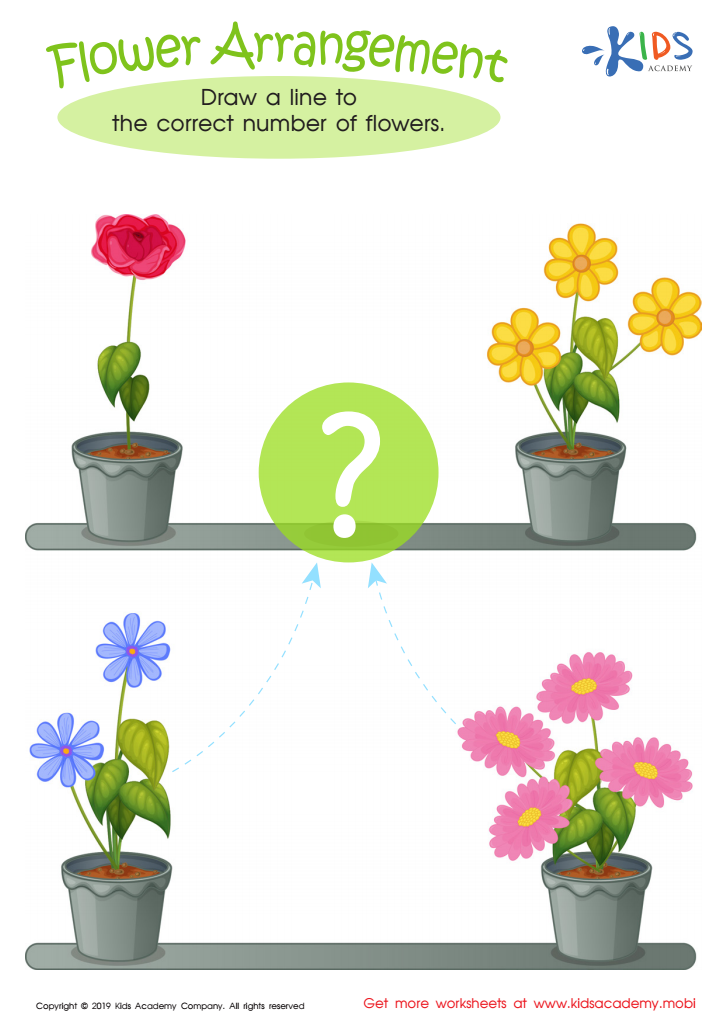
Flower Arrangement Worksheet
 Assign to My Students
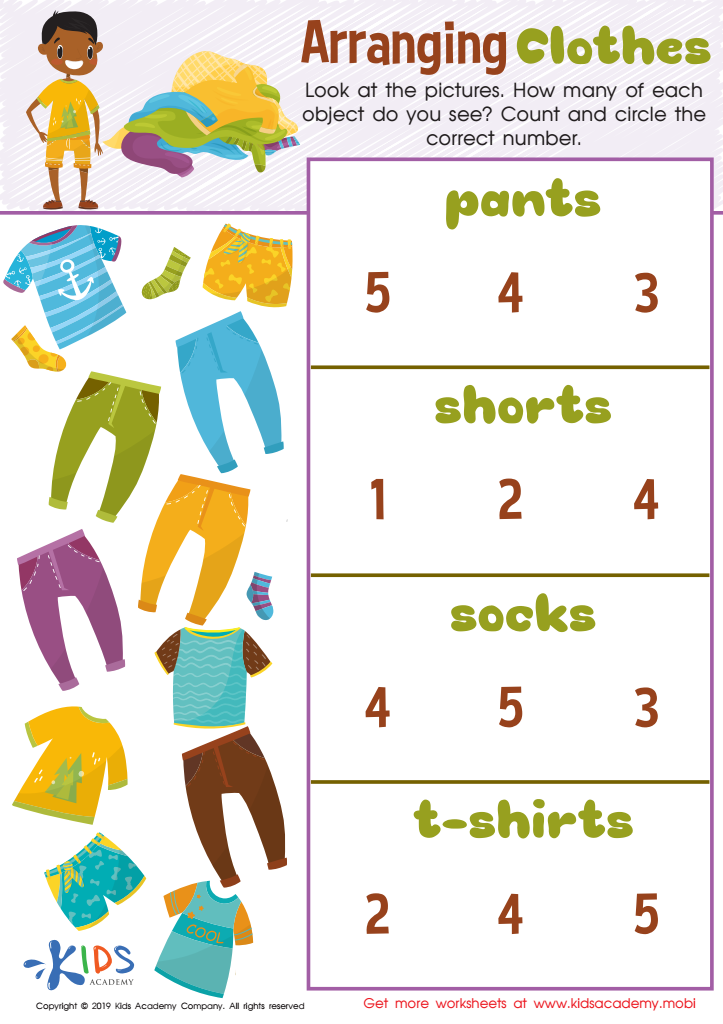
Arranging Clothes Worksheet
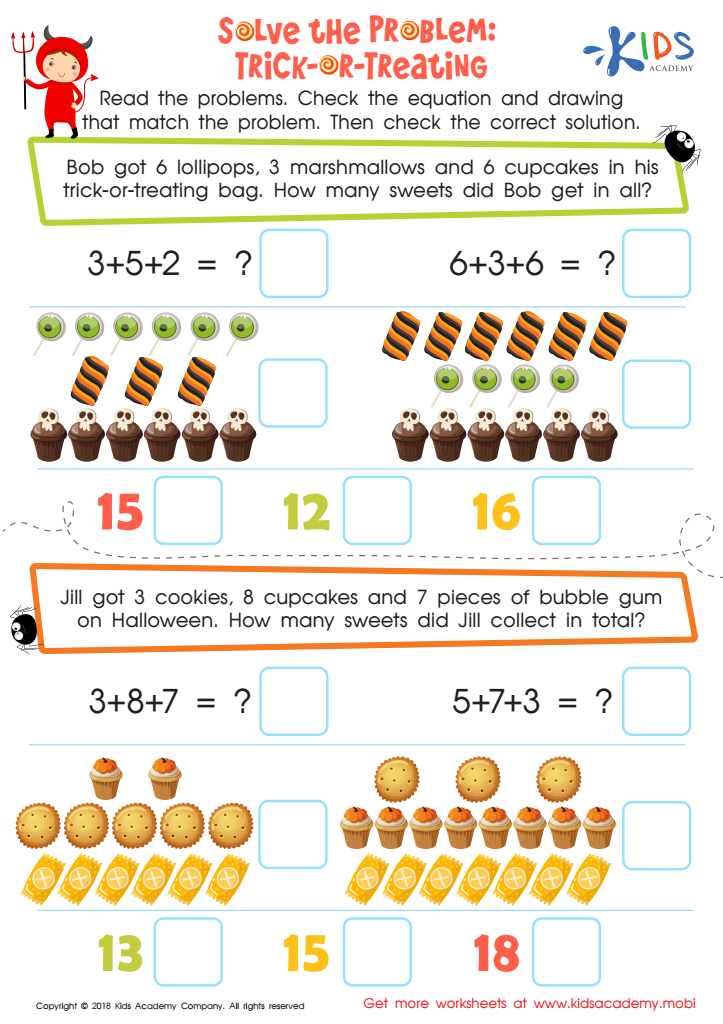
Solve the Problem: Trick–or–treating Worksheet








Logical reasoning numbers are fundamental for children aged 3-4 as they lay the crucial groundwork for cognitive development and problem-solving skills. During this formative age, children are naturally curious and their brains are like sponges, absorbing information at an incredible rate. Engaging them in activities that promote logical reasoning not only enhances their numerical understanding but also boosts their critical thinking capabilities.
For parents and teachers, introducing logical reasoning through numbers encourages children to explore patterns, sequences, and relationships. This engagement can be implemented through playful activities, such as counting games and simple puzzles, which make learning enjoyable. Recognizing numbers and developing early mathematical skills not only builds a sense of accomplishment but also instills the belief that they can tackle challenges independently.
Moreover, logical reasoning fosters communication skills, as children describe their thought processes and work collaboratively with peers or adults. Such interactions not only enhance their understanding of numbers but also promote social skills and emotional intelligence. Ultimately, investing time in fostering logical reasoning numbers will ensure children a solid foundation for higher learning, combating potential educational gaps as they progress through their academic journeys. Therefore, prioritizing these skills helps guide young learners towards successful futures.








