Understanding patterns Numbers Worksheets for Ages 3-4
3 filtered results
-
From - To
Develop foundational math skills with our "Understanding Patterns Numbers Worksheets for Ages 3-4." These engaging worksheets from Kids Academy introduce young learners to the concept of patterns through fun and educational activities. Each printable is designed to promote critical thinking, enhance number recognition, and foster a love for learning in preschoolers. From identifying sequences to completing patterns, your child will develop essential problem-solving skills. Perfect for both home and classroom use, these worksheets provide a captivating way to prepare kids for more advanced math lessons. Help your child explore and enjoy the world of numbers and patterns today!
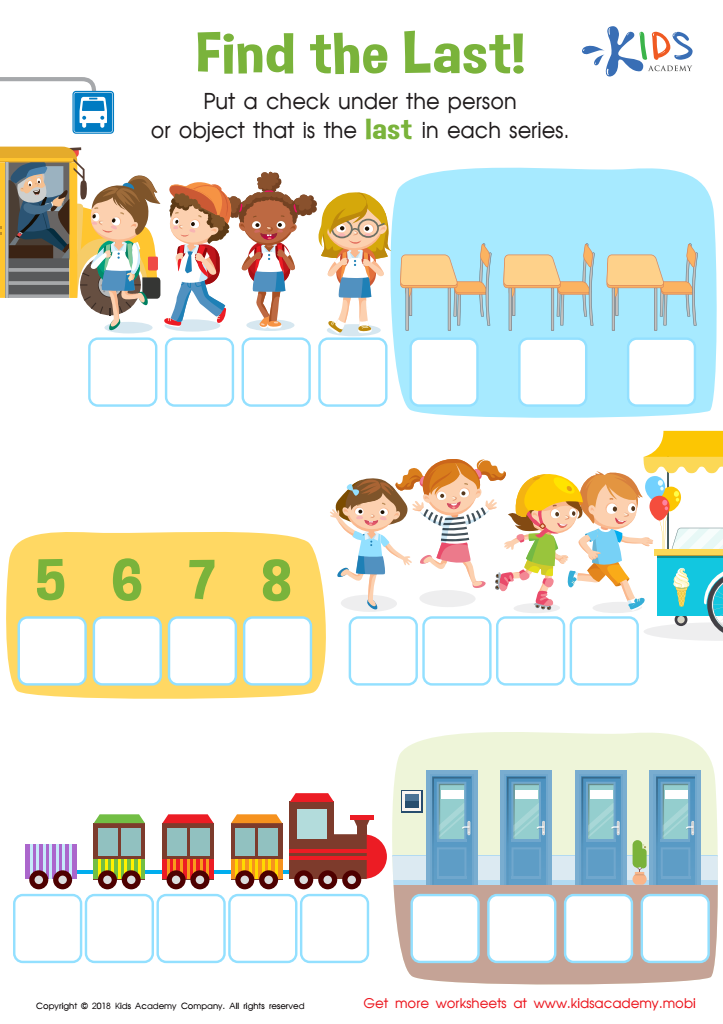
Find the Last! Worksheet
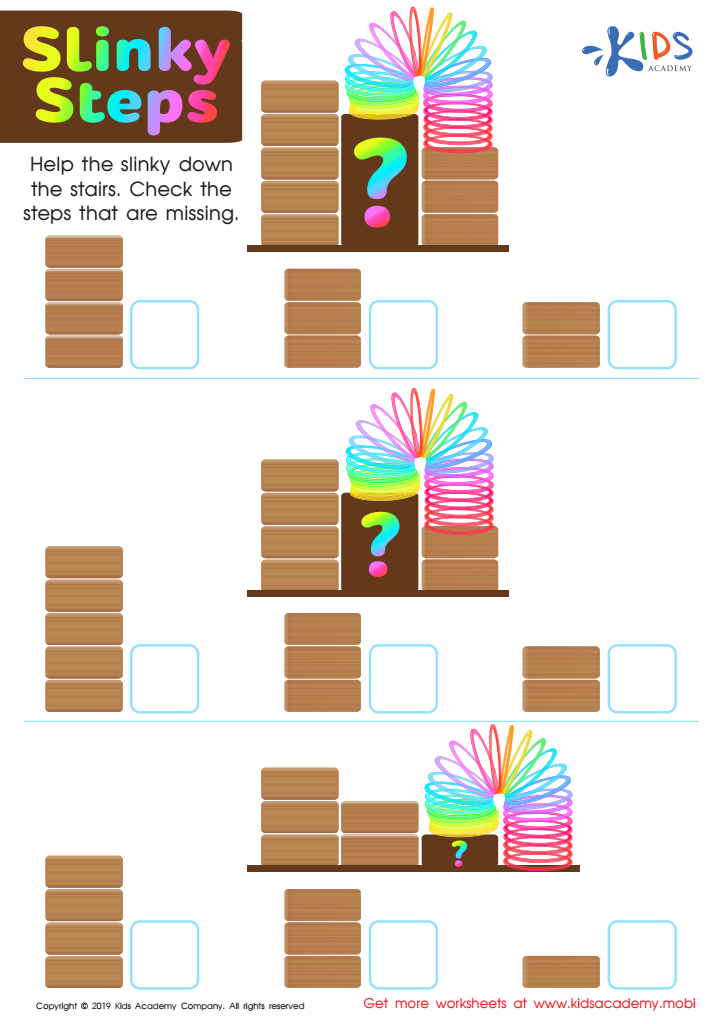
Slinky Steps Worksheet
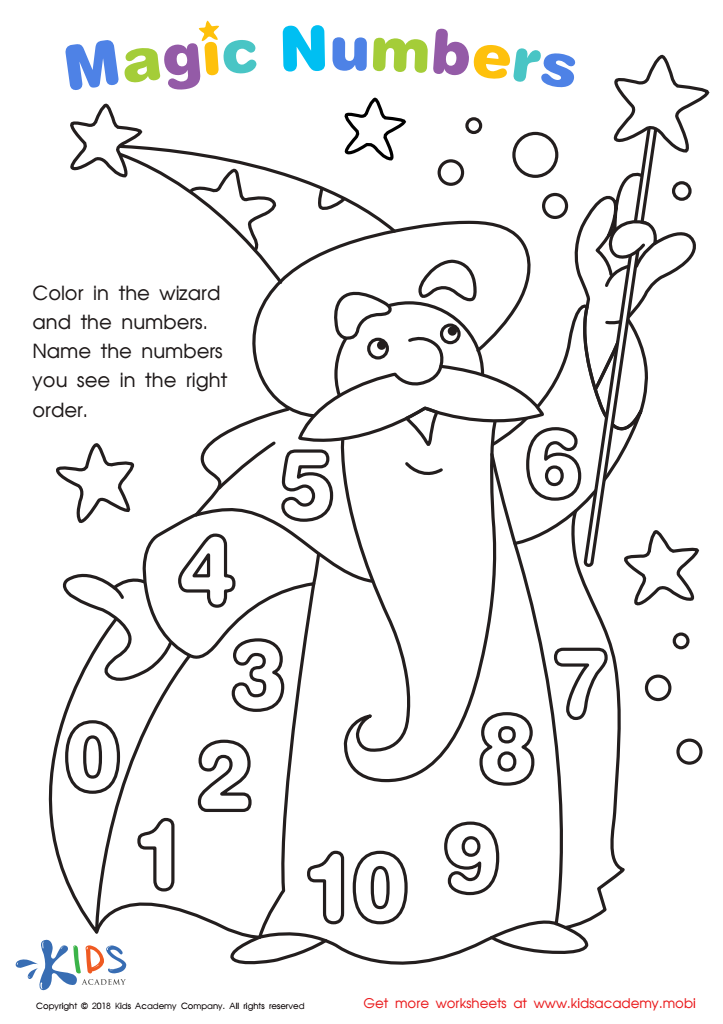
Magic Numbers Worksheet
 Assign to My Students







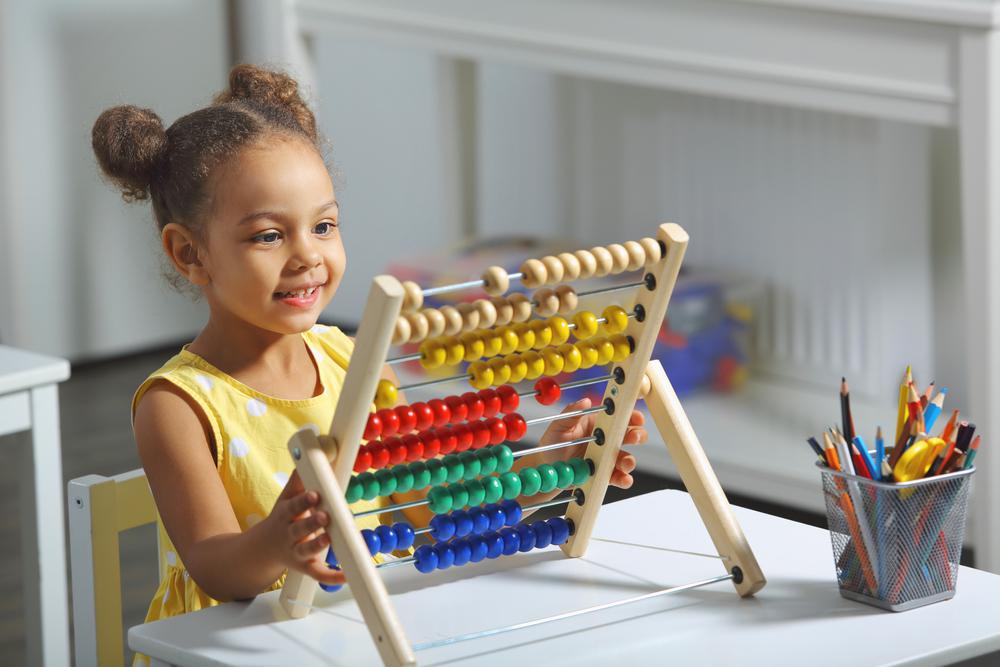
Understanding patterns in numbers from a young age is crucial for several reasons:
-
Foundation for Math Skills: Recognizing and predicting patterns lays the groundwork for mathematical understanding. It helps children grasp concepts such as sequencing, counting, and eventually more complex operations like addition and subtraction.
-
Cognitive Development: Engaging with number patterns enhances problem-solving skills and logical thinking. It stimulates cognitive development by encouraging children to observe, predict, and reason, which are vital skills across all areas of learning.
-
Language Development: Describing patterns and sequences fosters vocabulary and communication skills. Phrases like "next," "before," and "after" become part of their linguistic repertoire, aiding in overall language acquisition.
-
Attention to Detail: Identifying patterns requires careful observation and concentration. These tasks develop a child's attention to detail and ability to focus, which are important traits for future learning scenarios.
-
Confidence Building: Mastering patterns and seeing them repeat provides a sense of predictability and order. Success in recognizing patterns bolsters confidence and enthusiasm for learning, encouraging a positive attitude towards future mathematical concepts.
Hence, educators and parents should emphasize patterns in numbers to equip young children with essential skills for both academic success and everyday problem-solving.








