Analytical thinking Math Worksheets for Ages 3-4
3 filtered results
-
From - To
Introducing our engaging Analytical Thinking Math Worksheets for ages 3-4! Designed to foster critical thinking skills and early mathematical understanding, these worksheets offer fun, age-appropriate activities that help young learners explore concepts such as patterns, sorting, and basic problem-solving. Through colorful illustrations and interactive challenges, children develop essential cognitive skills that lay the foundation for future math success. Perfect for homeschooling or classroom use, our worksheets encourage hands-on learning and help children build confidence in their analytical abilities. Jumpstart your child's journey to mathematical proficiency today with our expertly crafted resources! Visit us now to explore our exciting collection!
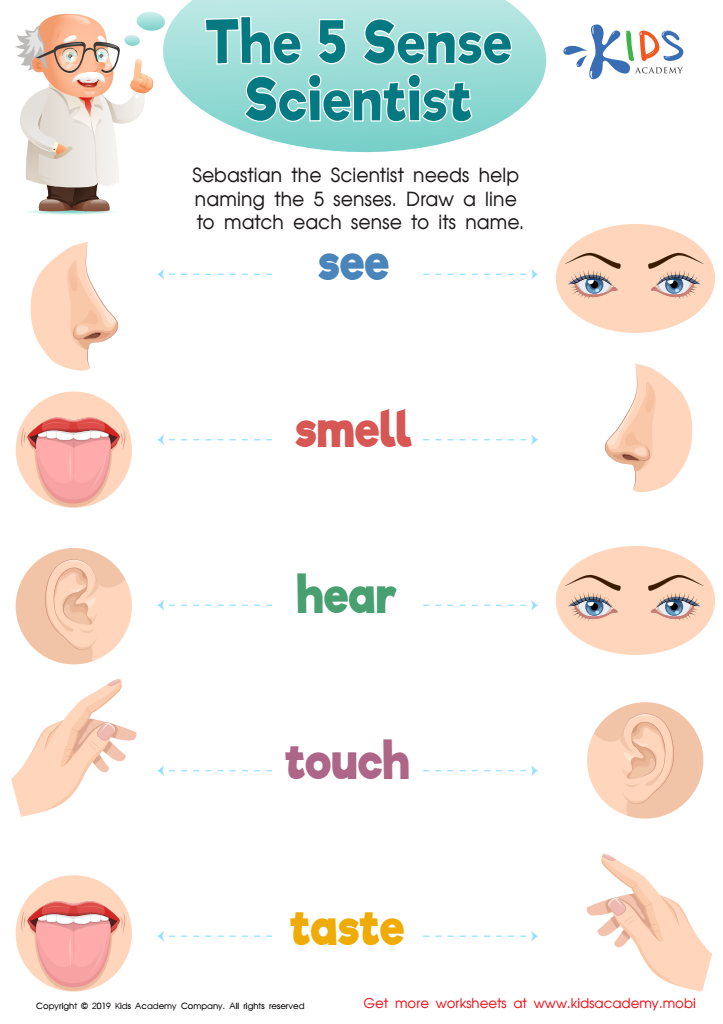
The 5 Sense Scientist Worksheet
 Assign to My Students

Logic Game Sorting Worksheet
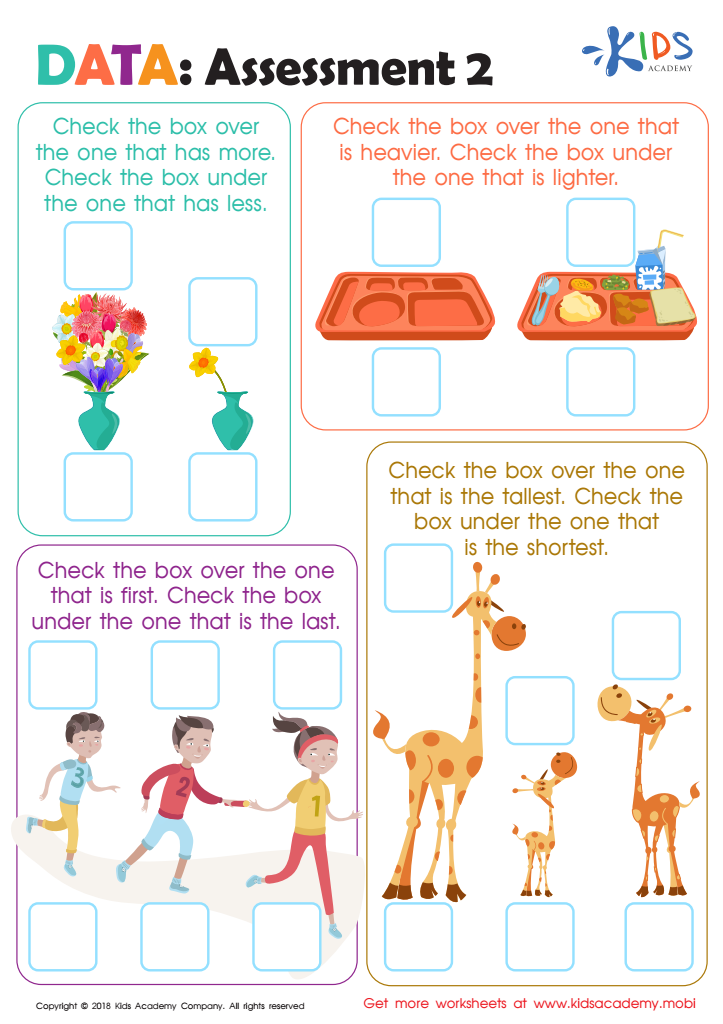
Data: Assessment 2 Worksheet






Analytical thinking in math for ages 3-4 is crucial, as it lays the foundation for critical problem-solving skills and cognitive development. During these formative years, children are naturally curious and eager to explore concepts related to numbers and patterns. By nurturing analytical thinking, parents and teachers can help young learners develop the ability to observe, classify, and make connections—skills that are essential for future academic success and everyday decision-making.
Engaging in activities that promote analytical thinking, such as sorting objects, recognizing patterns, and basic counting, helps children enhance their reasoning abilities. These skills encourage perseverance in solving tasks, improving their resilience when faced with challenges. Furthermore, early exposure to analytical math creates a stronger numerical understanding, making later, more complex math concepts easier to grasp.
Additionally, fostering analytical thinking in preschoolers contributes to their overall cognitive development, aiding in language skills and memory retention. As students learn to think critically, they become more independent learners, creating a solid groundwork for their future education. Ultimately, investing time in enhancing analytical thinking through math not only gives children a head start academically but also equips them with life skills that will benefit them beyond the classroom.








