
Basic arithmetic understanding Math Worksheets for Ages 3-4
4 filtered results
Difficulty Level
Grade
Age
-
From - To
Subject
Activity
Standards
Help your little ones develop essential math skills with our engaging Basic Arithmetic understanding worksheets designed specifically for ages 3-4. These worksheets introduce foundational concepts such as counting, number recognition, and simple addition and subtraction through fun, interactive activities. They encourage early learners to grasp essential math concepts in a playful way, fostering a love for numbers from a young age. Each worksheet is crafted to cater to varying skill levels, ensuring every child can progress at their own pace. Support your child's mathematical journey and boost their confidence with our engaging and educational resources that make learning arithmetic enjoyable!
Favorites
With answer key
Interactive
 Assign to My Students
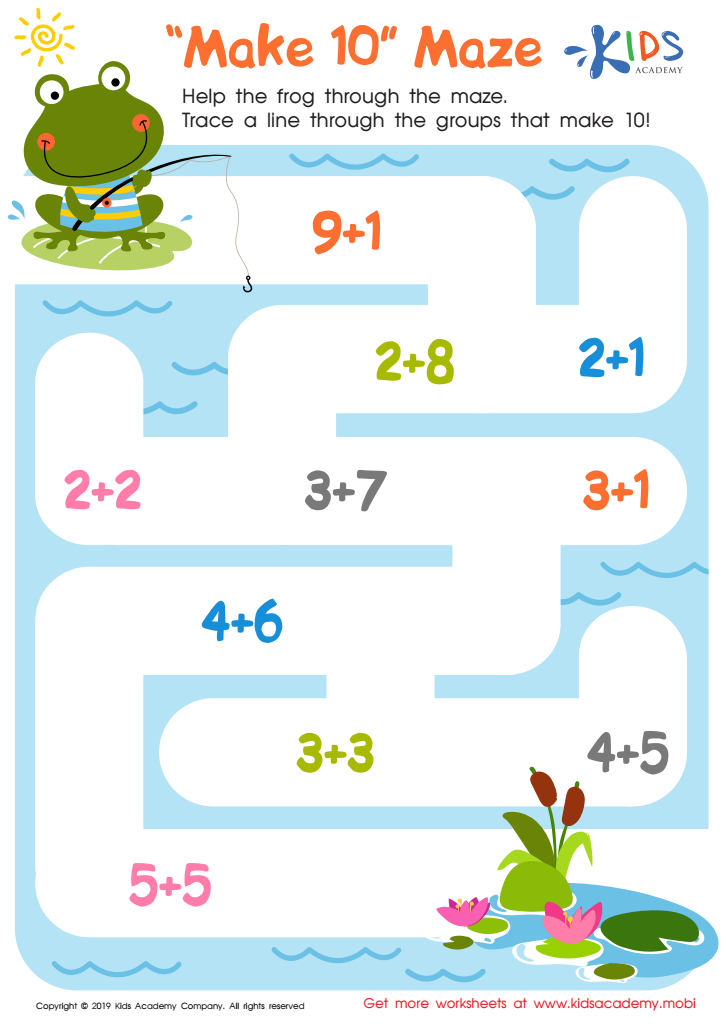
Make 10 Maze Worksheet
Help your child's frog friend make its way out of the maze! Mazes are an enjoyable way to get your kids to learn and can be a challenge. Have your kids take a look at this tracing sheet and help the frog make its way through the maze by tracing a line through the groups of equations that make 10. It’ll be a fun time for everyone!
Make 10 Maze Worksheet
Worksheet
Join Kids Academy for Free
Who is primarily going to use this learning content?






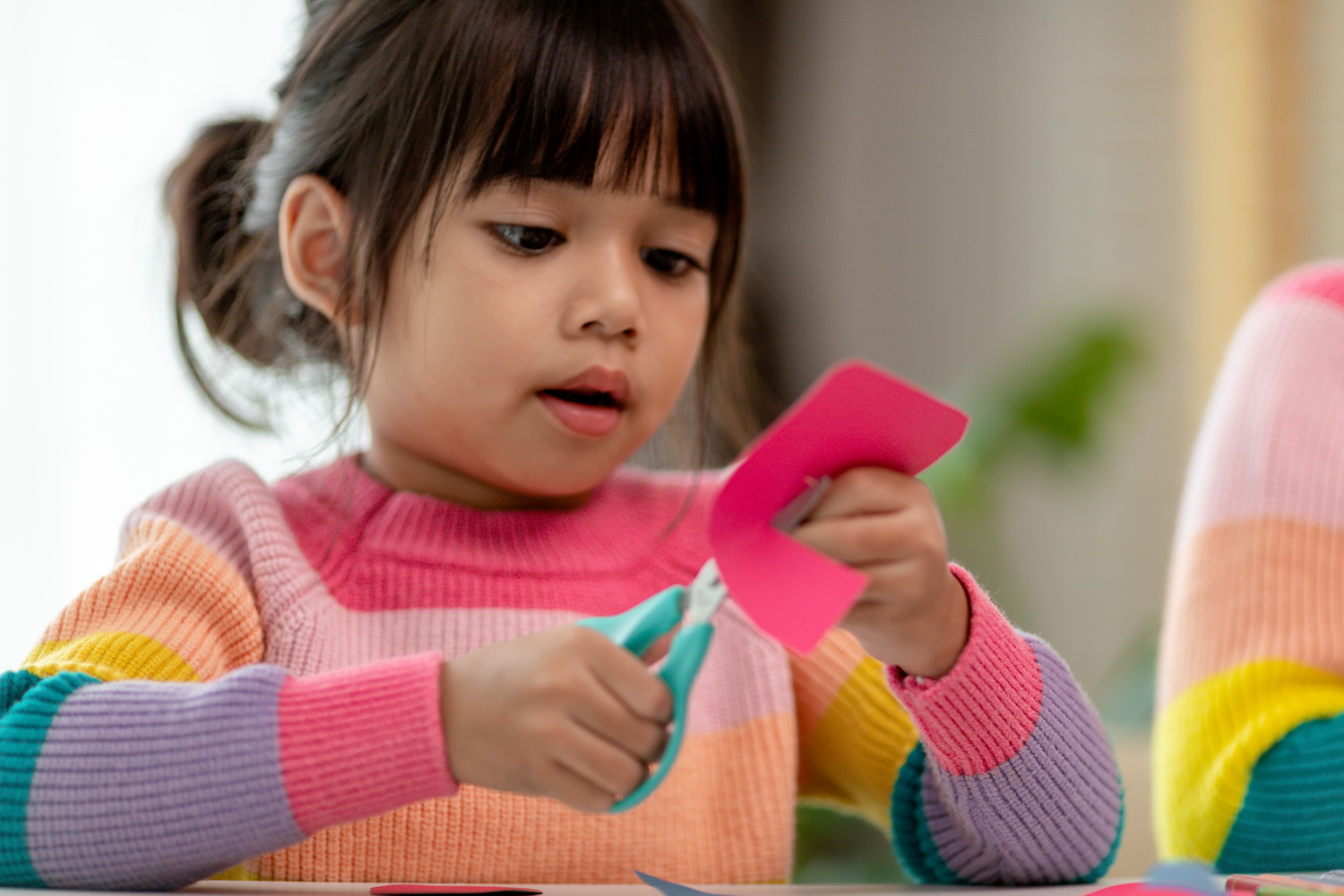

Basic arithmetic understanding for ages 3-4 is crucial for early development, setting the foundation for future math skills. At this age, children begin to explore concepts such as counting, addition, and subtraction in a playful manner. Engaging in early math experiences enhances cognitive abilities, language skills, and problem-solving strategies.
Parents and teachers should care because early math skills are strongly linked to later academic success. Introducing children to numbers through songs, games, and everyday situations fosters a positive association with math, making it less intimidating as they grow older. Furthermore, these early experiences promote critical thinking and reasoning—skills essential across all subjects.
Moreover, understanding basic arithmetic encourages children to make sense of the world around them. It aids in developing spatial awareness and measurement concepts that underpin future learning in science, art, and technology. Involving children in math activities can help nurture their curiosity and creativity while reinforcing family bonds, as parents and children often share learning moments through math-related play. Ultimately, supporting early arithmetic skills equips children with the necessary tools for lifelong learning and instills confidence as they face more complex mathematical challenges in their educational journey.








