Basic Arithmetic Math Worksheets for Ages 3-4 - Page 3
50 filtered results
-
From - To






%20(1).jpg)

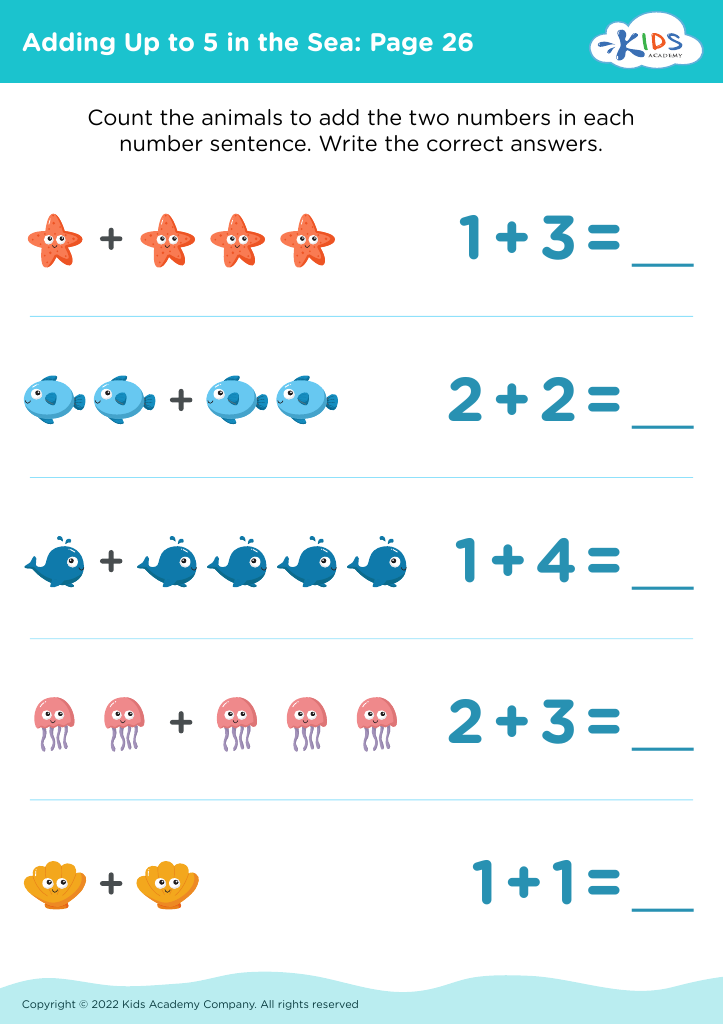
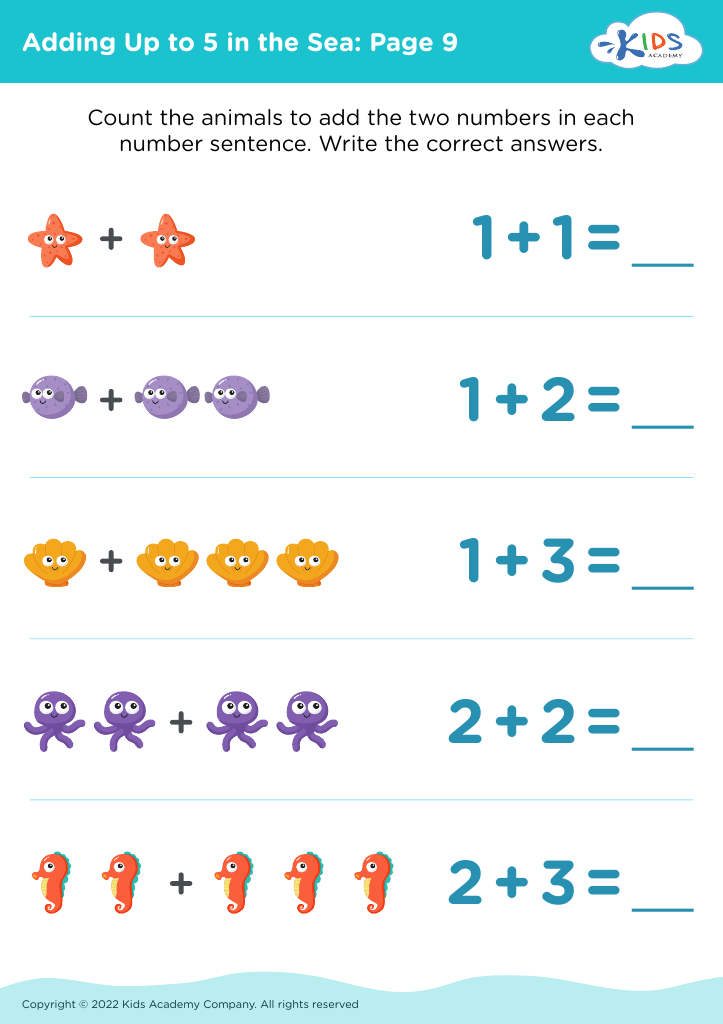
Parents and teachers should prioritize basic arithmetic for ages 3-4 because early math skills are foundational to a child's cognitive development and educational journey. Engaging children in basic concepts such as counting, number recognition, and simple addition/subtraction lays the groundwork for future learning in mathematics and other related fields.
At this tender age, children are naturally curious and eager to explore, making it an ideal time to introduce math through playful activities and storytelling. By integrating basic arithmetic into daily routines, such as counting toys or snacks, adults can make learning relevant and enjoyable. This playful approach not only fosters a positive attitude toward math but also enhances critical thinking and problem-solving skills.
Moreover, early exposure to mathematical concepts can help reduce anxiety about math as children grow older, promoting confidence in their abilities. Research shows that a solid foundation in math correlates with better academic performance in later years.
Lastly, early math skills are essential for everyday life, enabling children to develop reasoning skills that they will use throughout their lives. By embracing basic arithmetic at this age, parents and teachers set the stage for lifelong learning and confidence in navigating the world around them.








