Basic Math understanding Math Worksheets for Ages 3-4
10 filtered results
-
From - To
Explore our engaging Basic Math Understanding worksheets designed specifically for children aged 3-4! These interactive resources help early learners develop essential math skills through fun and playful activities. From counting and number recognition to basic addition and subtraction, our worksheets are tailored to foster a love for math while enhancing critical thinking and problem-solving abilities. Each worksheet encourages hands-on learning and cognitive development, making math an enjoyable experience. Perfect for both home and classroom settings, our printable worksheets provide a valuable tool for parents and educators to support young learners on their mathematical journey. Start building a strong foundation in math today!
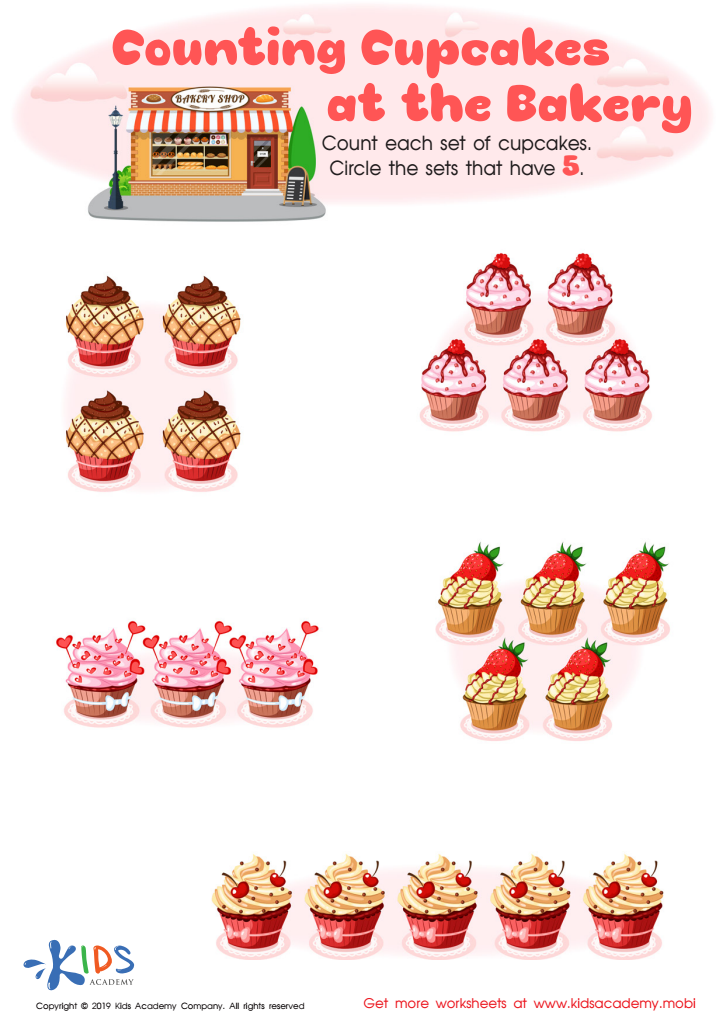
Counting Cupcakes Worksheet
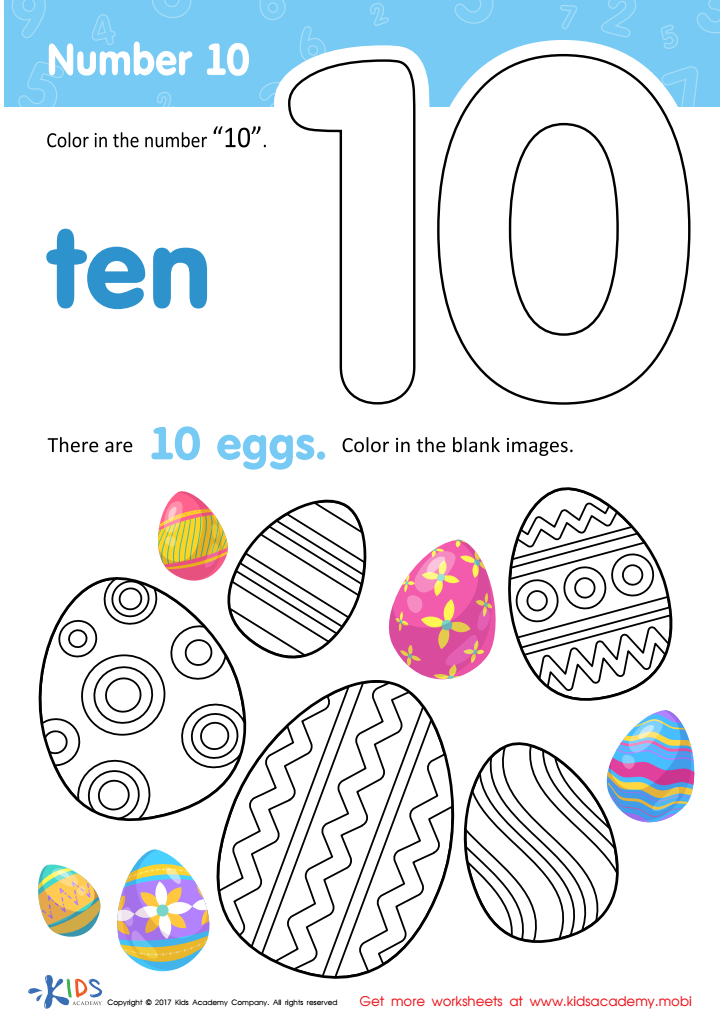
Number 10 Printable
 Assign to My Students
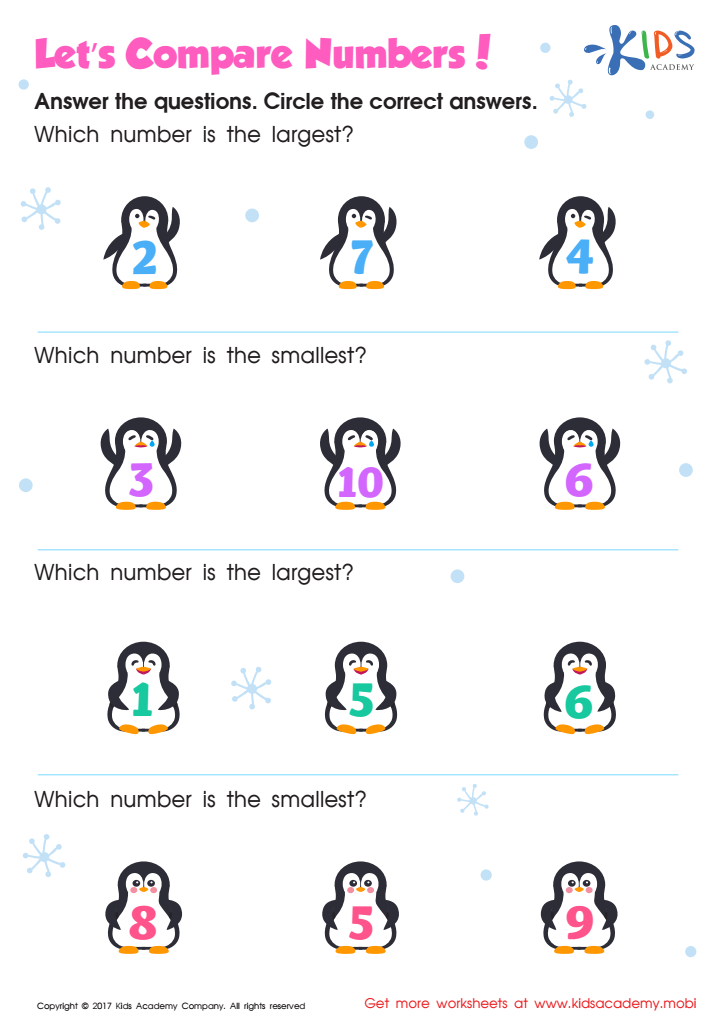
Comparing Numbers 1–10 Worksheet Kindergarten
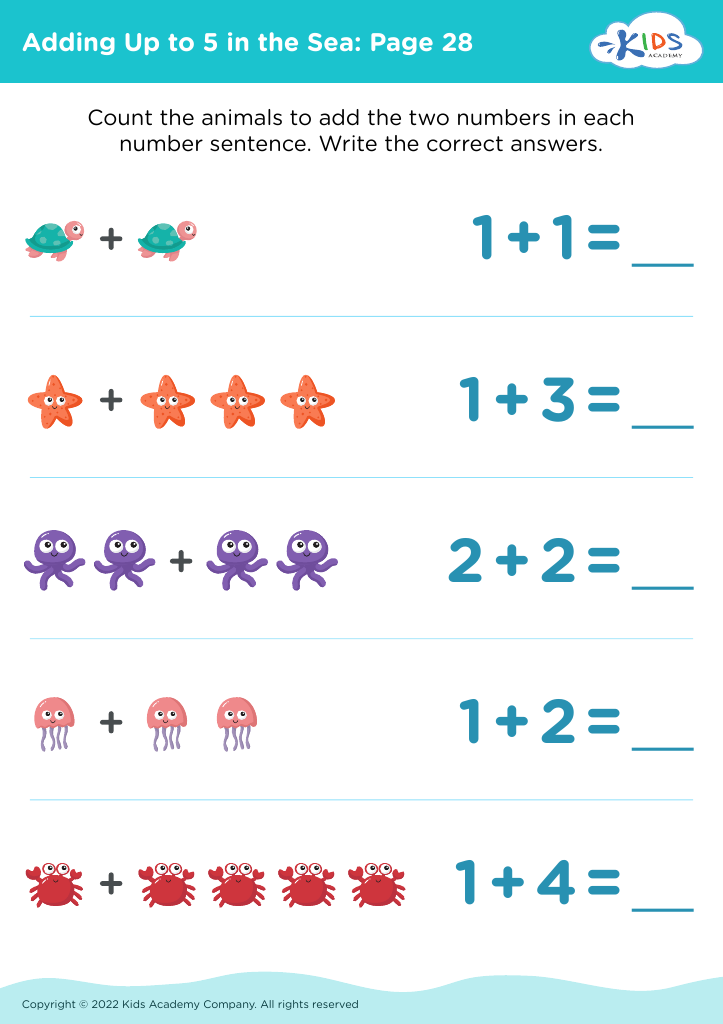
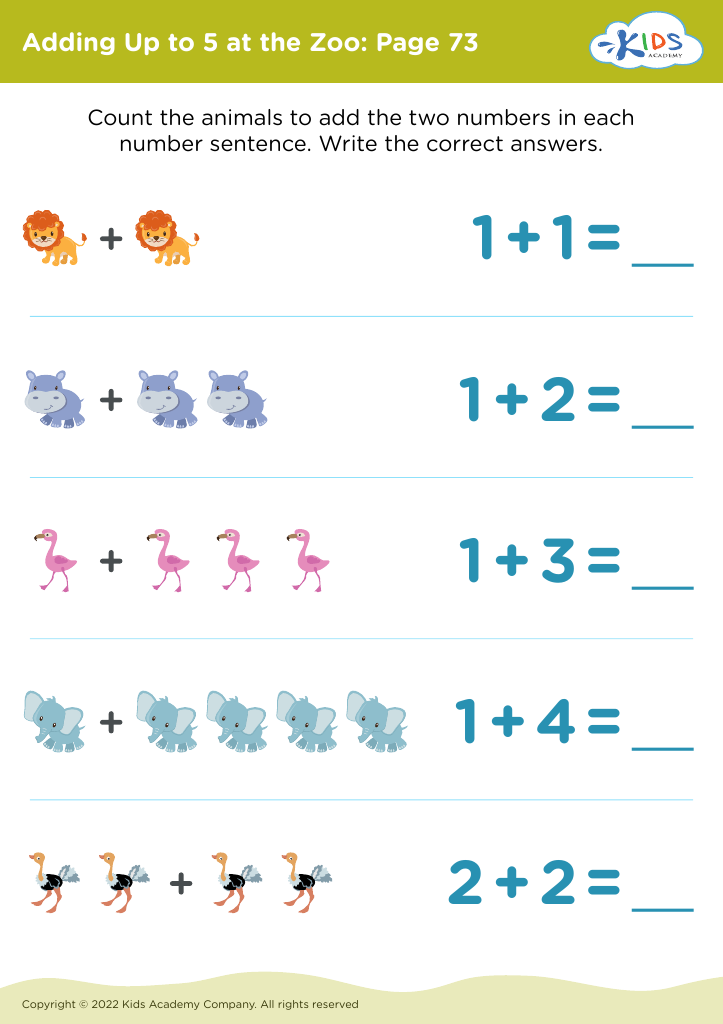
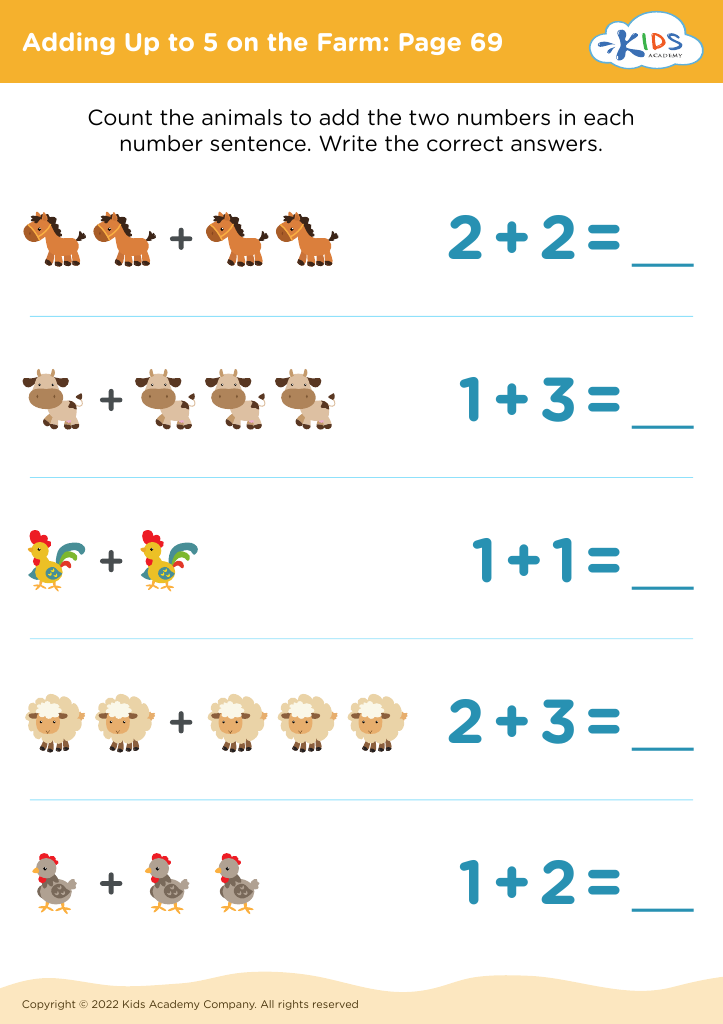
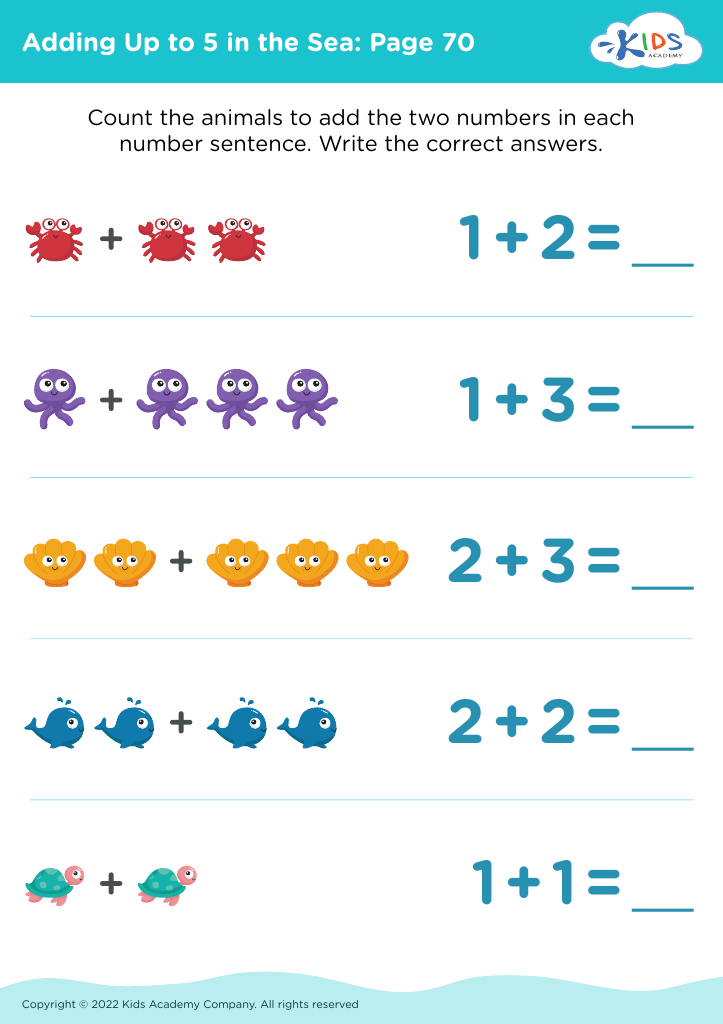
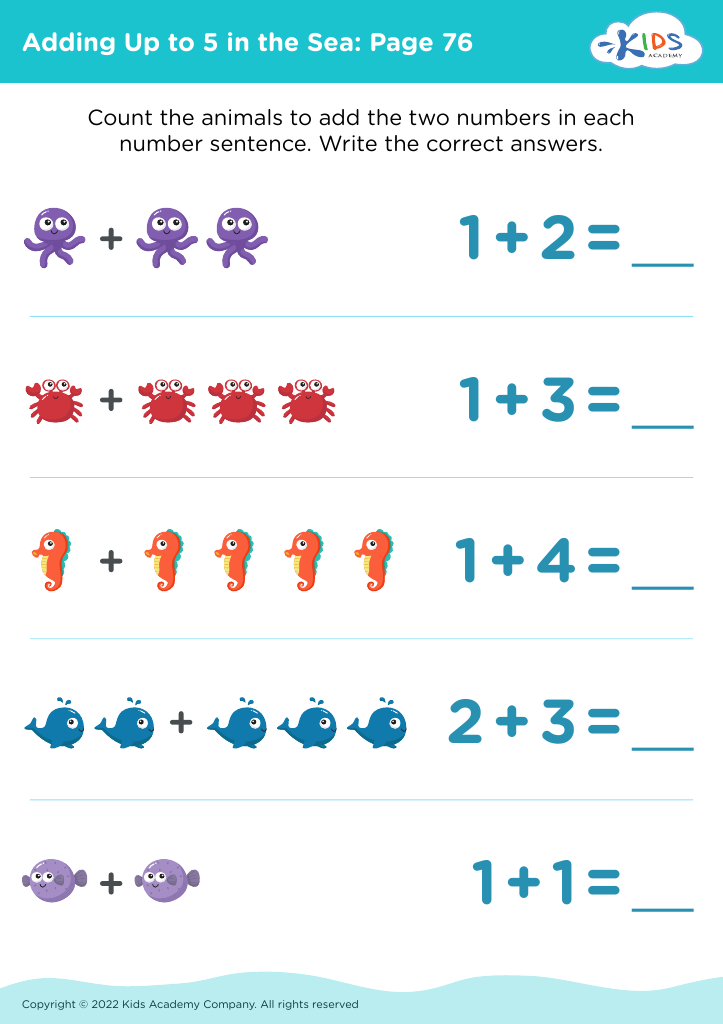
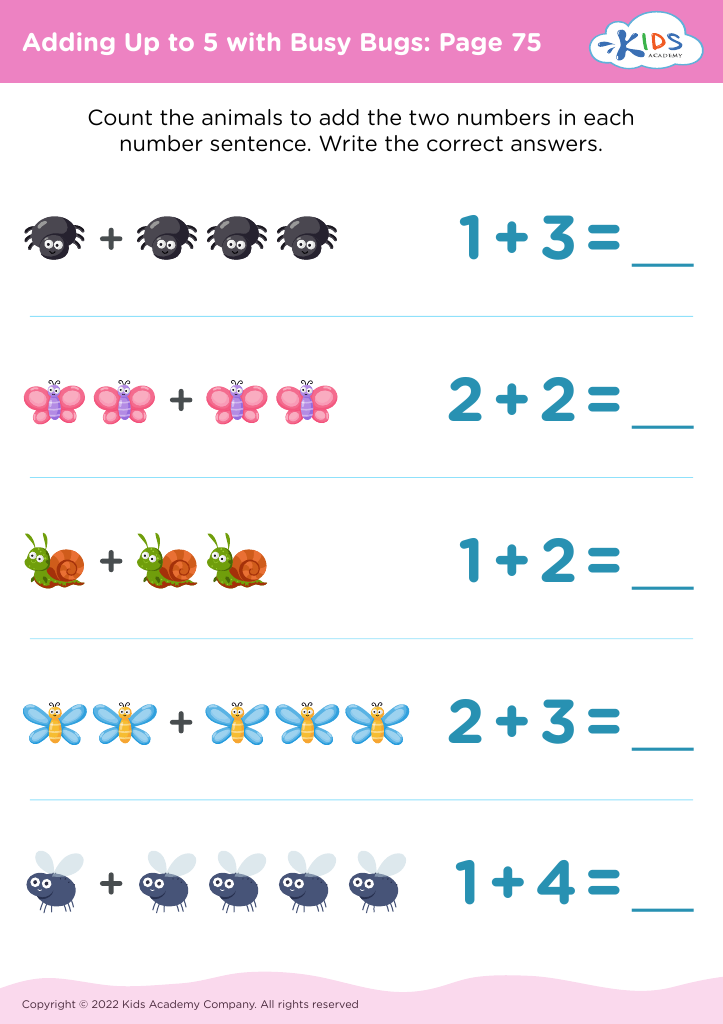
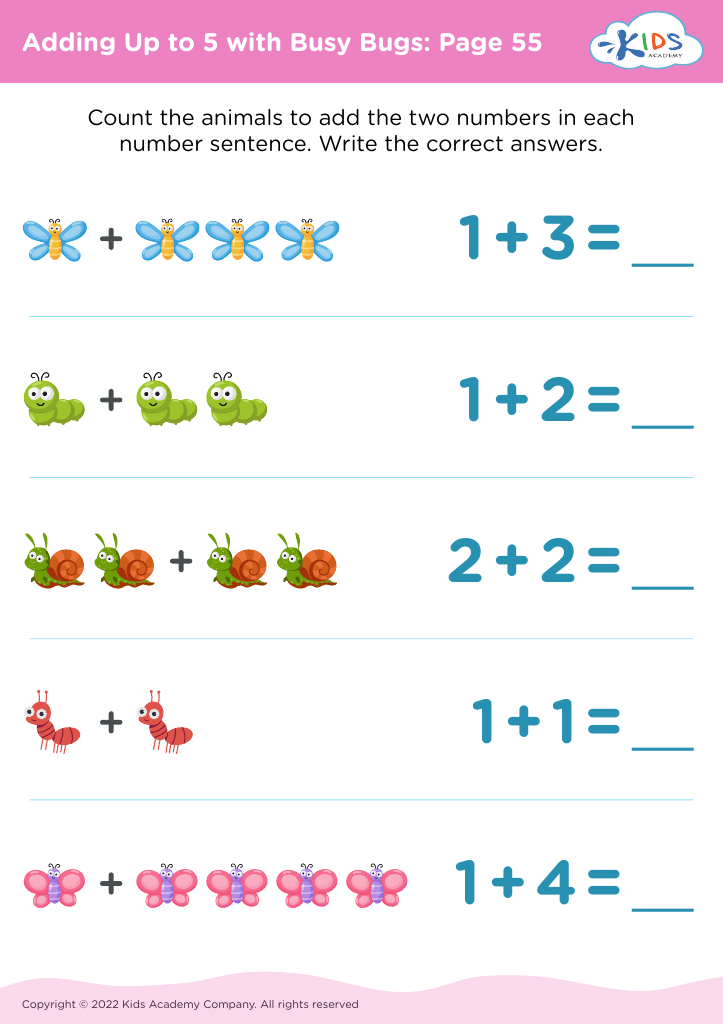








Understanding basic math concepts at ages 3-4 is crucial for young children's cognitive development and future academic success. This foundational stage lays the groundwork for essential skills such as counting, number recognition, and simple problem-solving, which are fundamental for more complex mathematical concepts learned later on.
Fostering a positive attitude towards math during these formative years helps to eliminate math anxiety that can develop later in life. Engaging children with interactive math activities—like counting objects during play, sorting shapes, or singing number songs—can build confidence and make learning enjoyable. Additionally, these early experiences promote critical thinking and reasoning skills, which are vital not just in math, but in everyday life.
Parents and teachers should also recognize that basic math understanding supports language development and enhances social skills, as children learn to collaborate and communicate during group activities. Building math skills at a young age prepares children for school readiness, setting them on a trajectory for lifelong learning. Thus, promoting basic math understanding at this age is not just about numbers; it’s about nurturing well-rounded, inquisitive, and capable learners.








