Color differentiation Math Worksheets for Ages 3-4
3 filtered results
-
From - To
Unlock your child's creativity and cognitive skills with our Color Differentiation Math Worksheets designed for ages 3-4. These engaging printable activities help young learners identify and differentiate colors while fostering foundational math skills. As children sort, match, and organize colorful objects, they not only enhance their color recognition but also improve their ability to categorize and count. Our worksheets are tailored to encourage exploration, making learning fun and interactive. With vibrant visuals and age-appropriate challenges, your little ones will build essential skills for their educational journey. Dive into the colorful world of learning today and spark your child's interest in math!
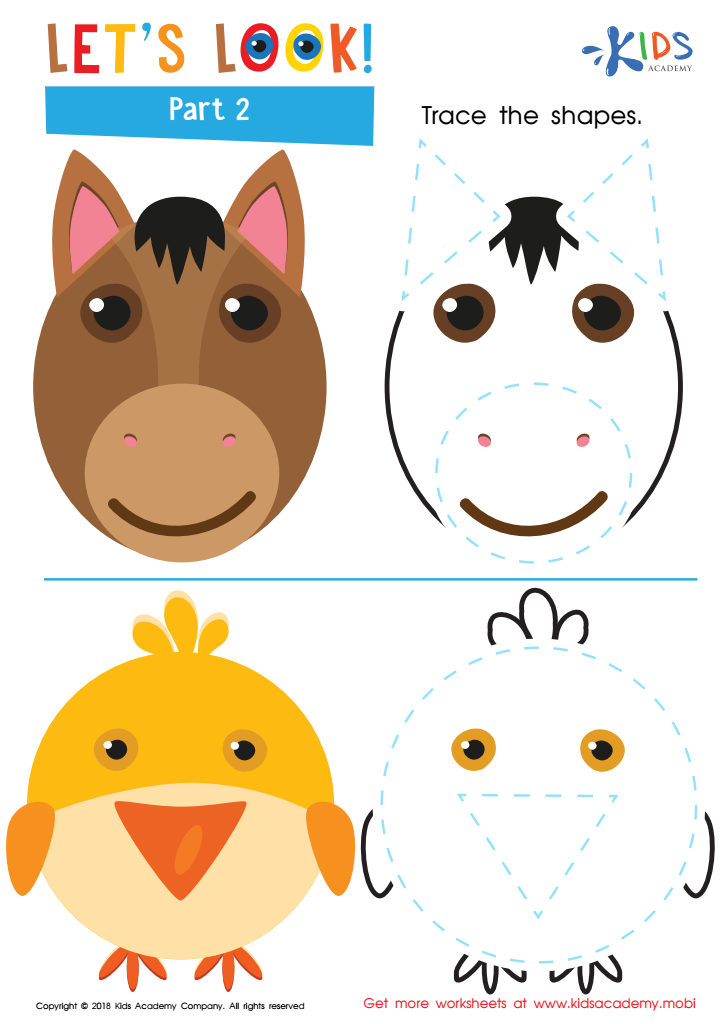
Let's Look! Part 2 Worksheet
 Assign to My Students
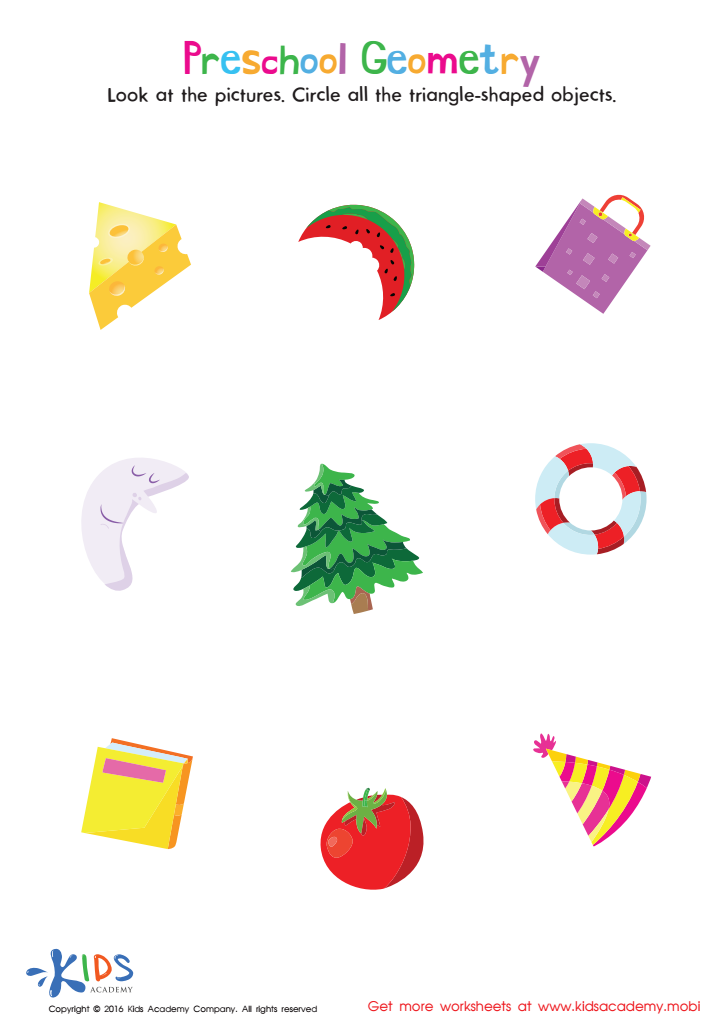
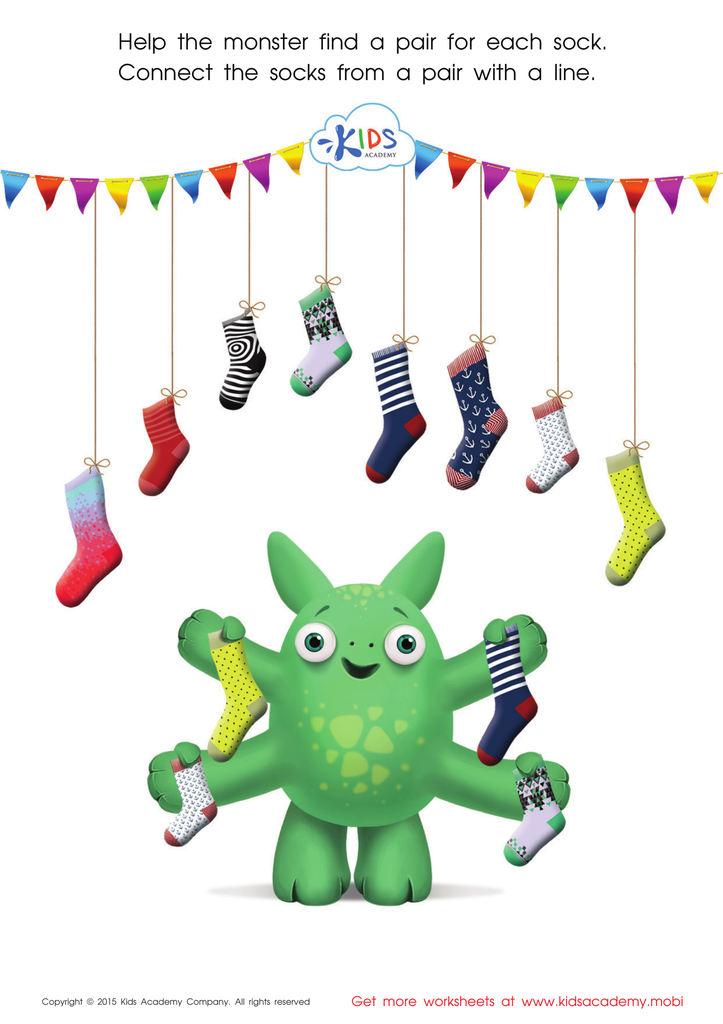
Math Matching Pairs Game: Monsterв's Socks Worksheet








Color differentiation in math for ages 3-4 is essential for several reasons, particularly in laying the foundation for early mathematical concepts and cognitive development. At this stage, children are naturally curious and eager to explore their environment. Introducing colors into mathematical activities can make learning engaging and relatable. By associating colors with numbers or basic shapes, children can develop critical thinking skills and the ability to categorize and differentiate.
Furthermore, color differentiation enhances a child's understanding of patterns and sequences, which are key concepts in math. When kids sort objects by color or count colored items, they foster essential skills such as one-to-one correspondence and number recognition. This not only aids in developing mathematical reasoning but also promotes fine motor skills through activities like sorting and matching.
Additionally, involving parents in colored math activities promotes bonding and collaborative learning, creating a positive atmosphere for education. Teachers can also integrate color differentiation into classroom activities to meet diverse learning styles, making math inclusive and accessible.
Ultimately, focusing on color differentiation in early math cultivates curiosity, foundational skills, and a love for learning, which are vital as children progress in their educational journeys.








