Developing fine motor skills Math Worksheets for Ages 3-4
3 filtered results
-
From - To
Enhance your child's fine motor skills with our engaging math worksheets designed specifically for ages 3-4. These printable activities combine learning and play, allowing young learners to develop essential coordination through fun exercises. Our worksheets incorporate colorful graphics and interactive tasks that make practicing fine motor skills enjoyable. Children will improve their hand strength and dexterity while exploring foundational math concepts such as counting, shapes, and patterns. Ideal for home or classroom environments, these worksheets will captivate your little one's attention while fostering essential skills for academic success. Unlock your child's potential with our thoughtfully crafted fine motor skills math worksheets today!
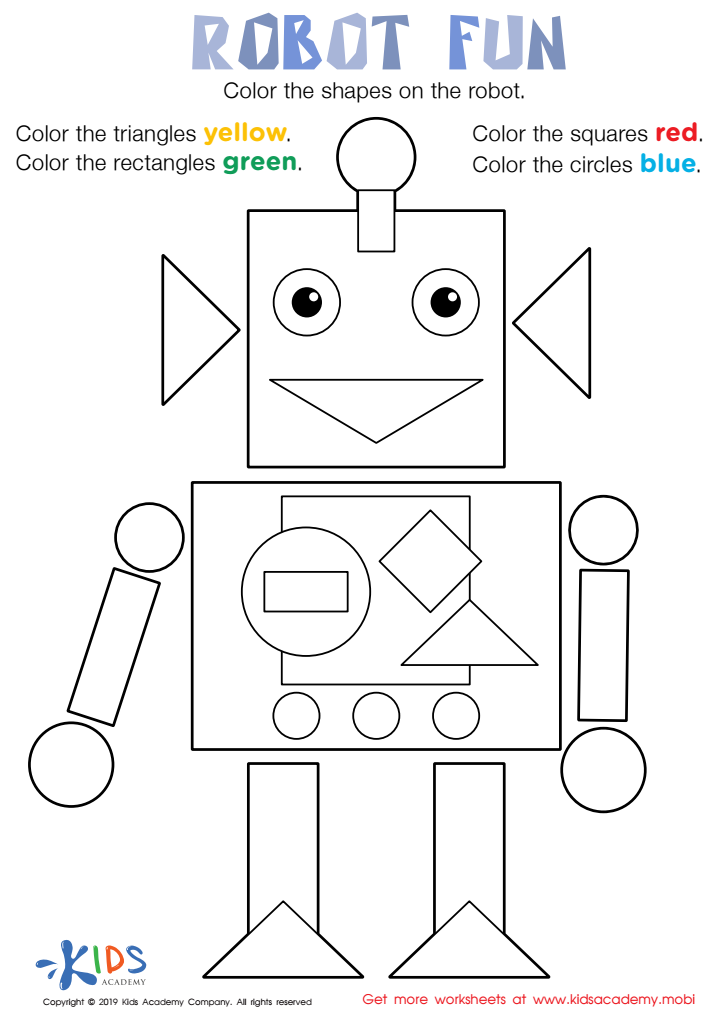
Robot Fun Worksheet
 Assign to My Students


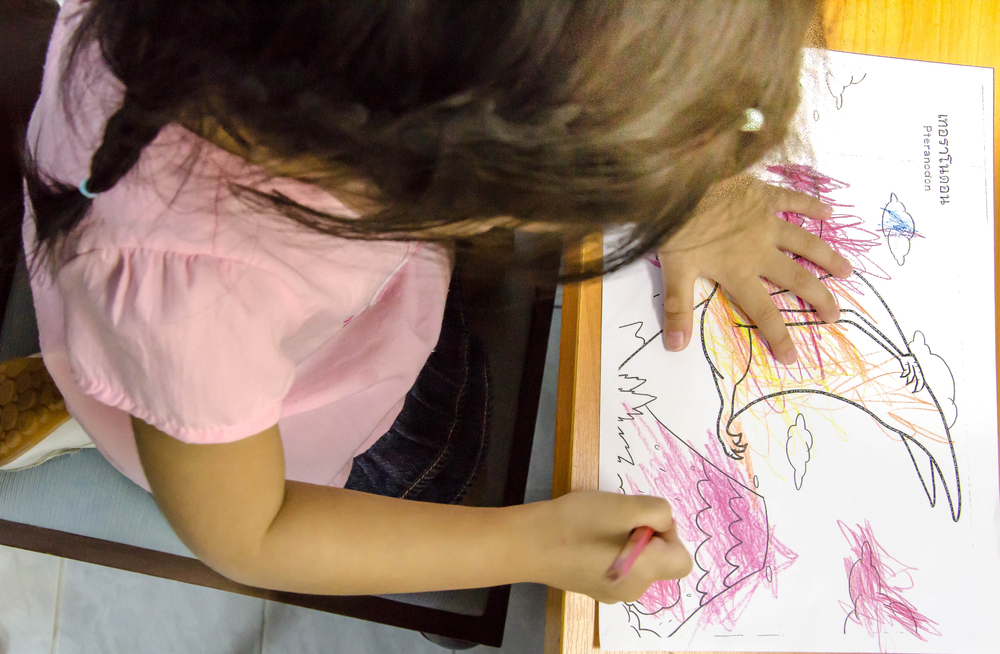





Developing fine motor skills in children aged 3-4 is crucial for their overall growth and development, especially regarding their math abilities. Fine motor skills involve the coordination of small muscles in the hands and fingers, essential for tasks such as grasping objects, using scissors, and writing. As children at this age engage in activities that promote fine motor skills, they are also honing their abilities to manipulate objects, which is foundational for understanding mathematical concepts.
When children practice fine motor tasks, they build hand-eye coordination and precision. For instance, activities such as stringing beads or building blocks encourage spatial awareness, problem-solving, and counting—core components of early math. As kids gain control over their hands, they become more adept at exploring shapes, patterns, and basic arithmetic.
Moreover, fine motor development lays the groundwork for later academic skills, including writing numbers and letters, which are vital in a child's educational journey. Providing opportunities for engaging activities that enhance fine motor skills also fosters a child's confidence, curiosity, and love for learning. Therefore, parents and teachers should prioritize these skills in early education to support children's growth in mathematics and overall academic readiness.








