Math fluency Math Worksheets for Ages 3-4
3 filtered results
-
From - To
Develop your child's early math skills with our engaging Math Fluency Worksheets for ages 3-4. Designed to make learning fun, these printable activities help young learners grasp essential math concepts such as number recognition, counting, and basic addition and subtraction. Our carefully crafted worksheets use bright colors, adorable characters, and interactive elements to keep children motivated and eager to practice. Perfect for preschoolers, these exercises build a strong foundation in math fluency, setting the stage for future success in math. Download today and watch your little mathematician flourish!
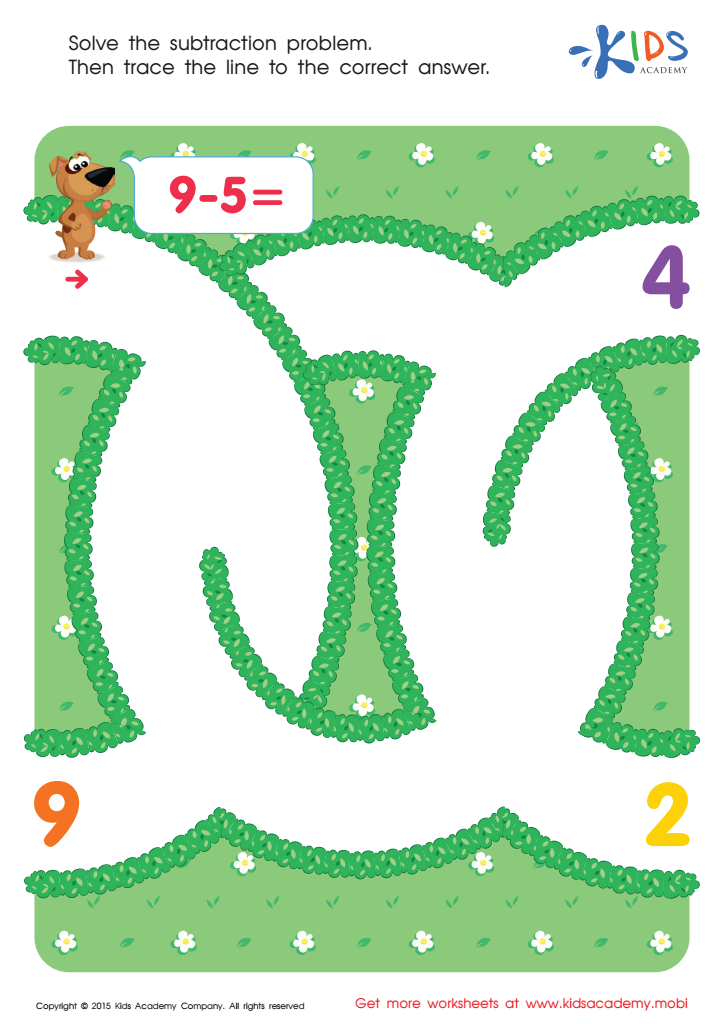
Subtraction Nine And Five Worksheet
 Assign to My Students
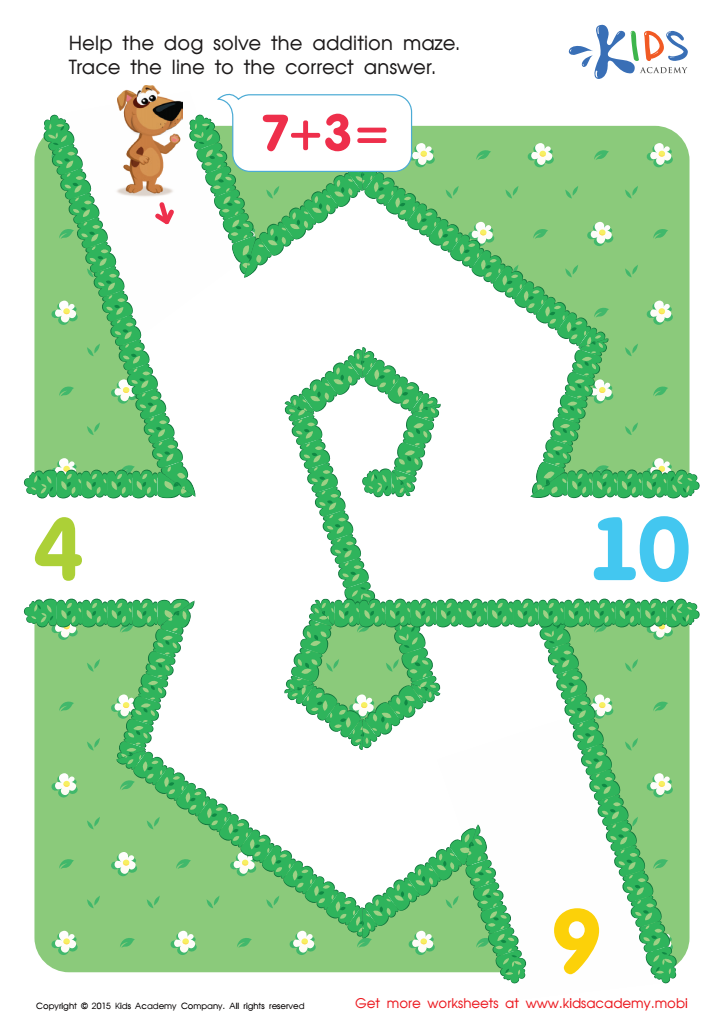
Seven Plus Three Worksheet
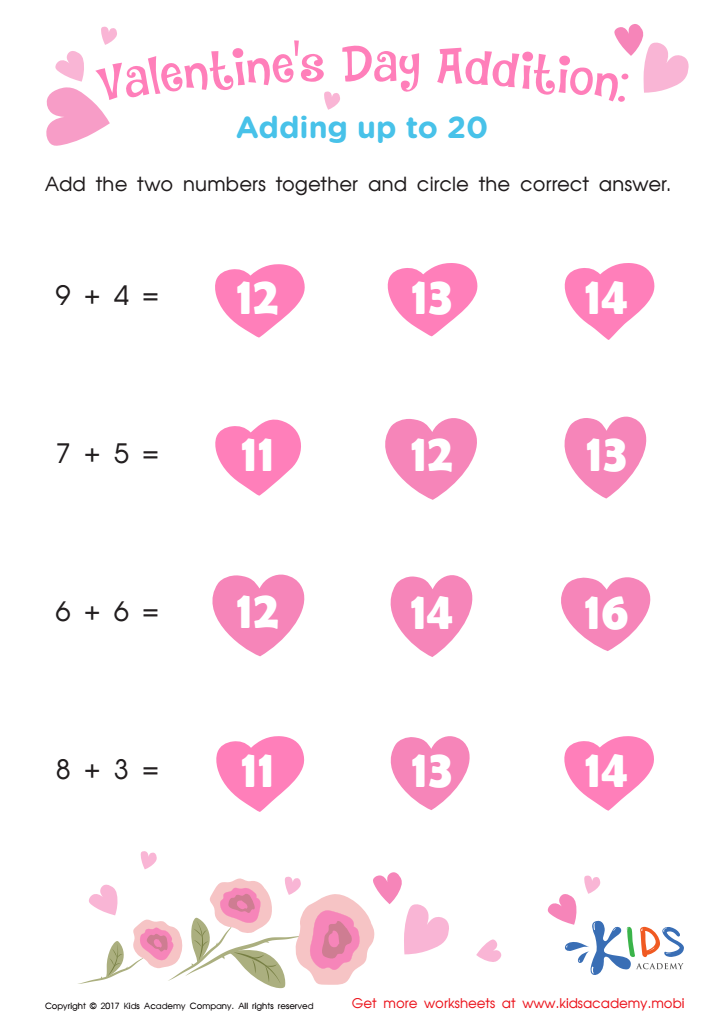
Valentine's Day Addition Worksheet








Math fluency for children aged 3-4 is crucial as it lays the foundational building blocks for future academic success and practical life skills. At this age, children's brains are highly receptive to learning, making it a prime time to introduce basic mathematical concepts like counting, simple addition and subtraction, and number recognition. These early experiences with math not only build a solid groundwork for more complex mathematical thinking later on, but they also enhance cognitive development, including problem-solving and logical reasoning skills.
Parents and teachers should care because developing math fluency early on helps foster a positive attitude towards math, reducing math anxiety that often appears in later years. Engaging children in math-related activities is also an opportunity to improve their fine motor skills, critical thinking, and the ability to follow sequences and patterns. Moreover, having early math fluency supports other areas of learning such as literacy, by promoting attention to detail and precision.
Furthermore, math is a part of daily life; from understanding time to grasping the concept of money, early math skills enable children to navigate their everyday environment more effectively. Therefore, proactively nurturing math fluency in young learners equips them with essential cognitive tools and the confidence they need to succeed academically and in daily activities.








