Number identification Math Worksheets for Ages 3-4
7 filtered results
-
From - To
Discover our engaging "Number Identification Math Worksheets for Ages 3-4," designed to introduce young learners to the world of numbers! These vibrant, interactive worksheets help children recognize, trace, and count numbers in a fun and stimulating way. With a variety of activities tailored for early childhood education, these resources foster essential math skills while keeping little ones entertained. Perfect for home or classroom use, our worksheets encourage cognitive development and support early numeracy through hands-on practice. Give your child the confidence they need in math with our thoughtfully crafted worksheets that ignite a love for learning from the very start!
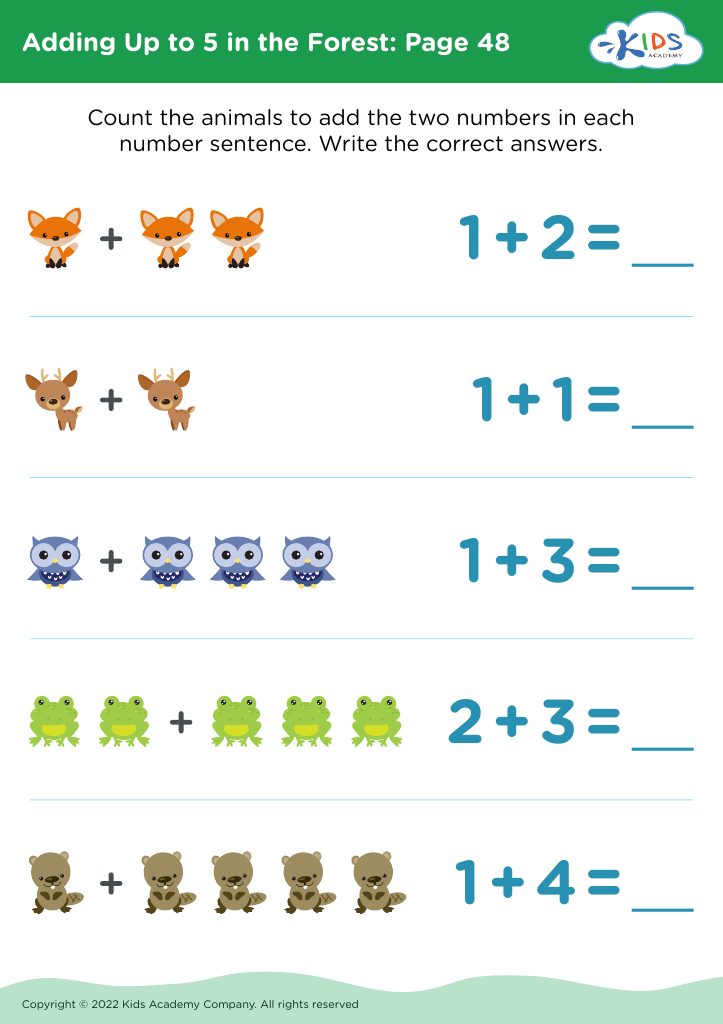
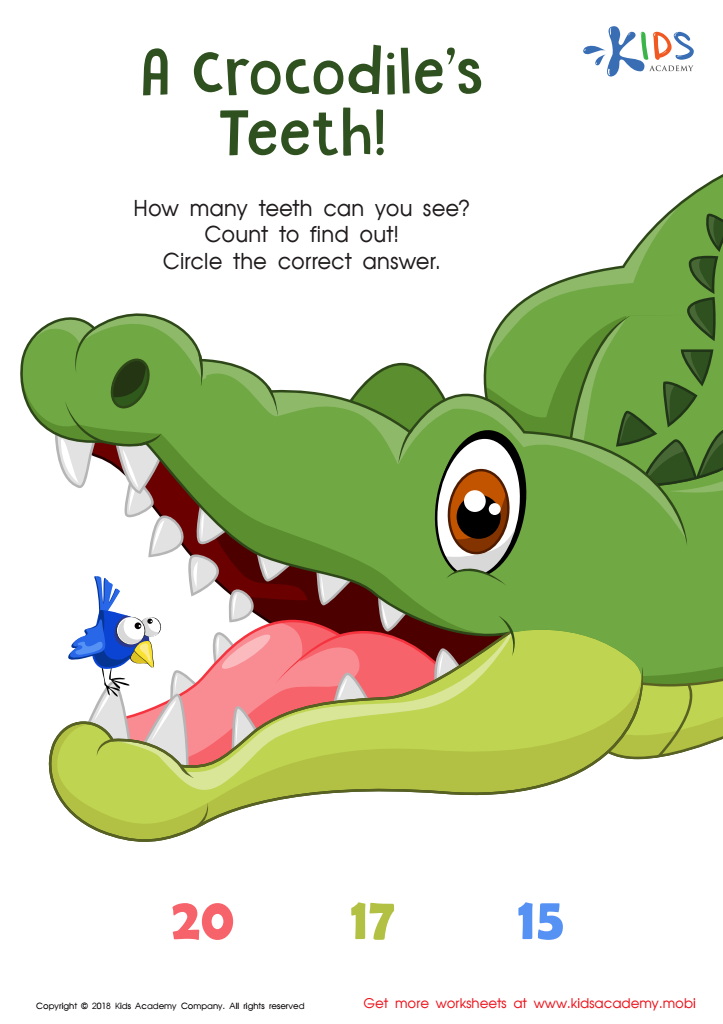
A Crocodile's Teeth Worksheet
 Assign to My Students
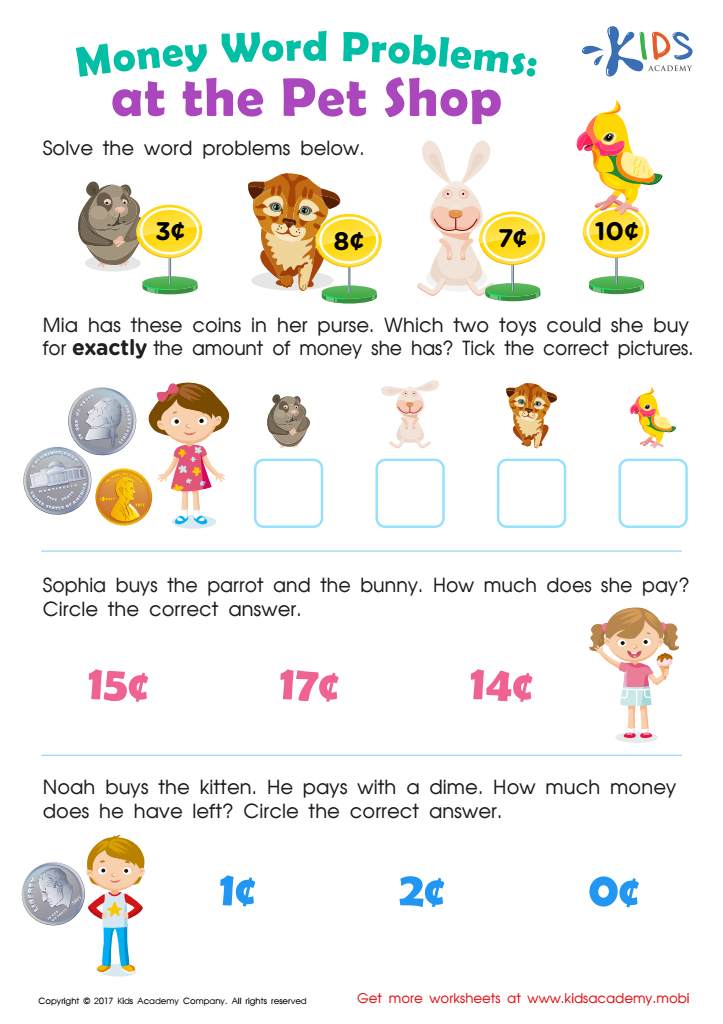
Pet Shop Worksheet
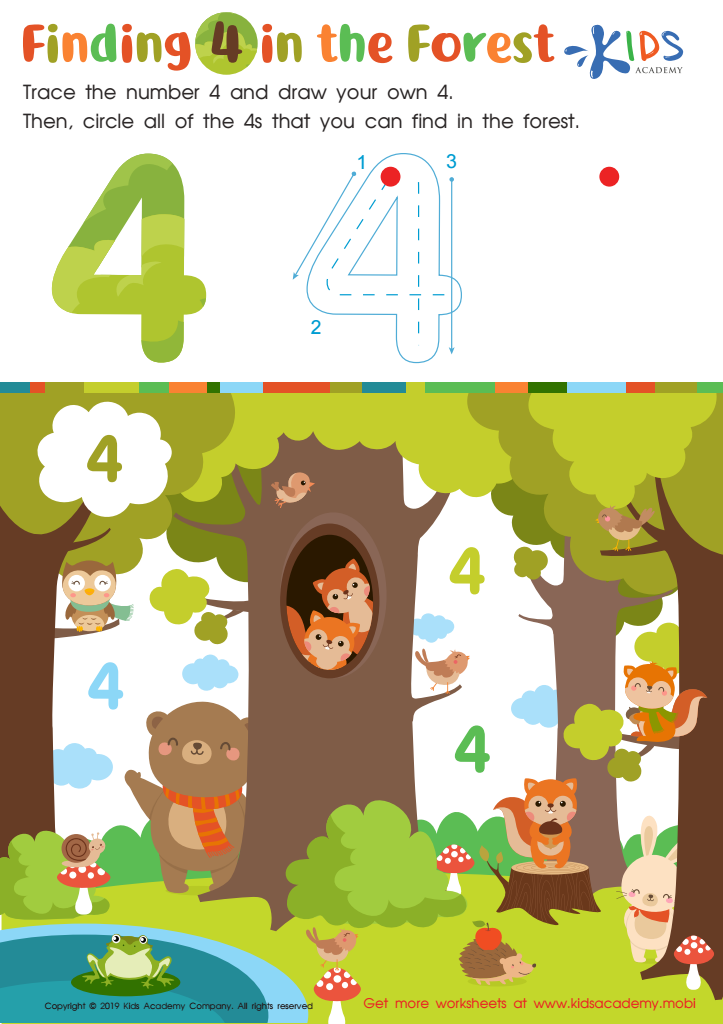
Finding 4 in the Forest Worksheet
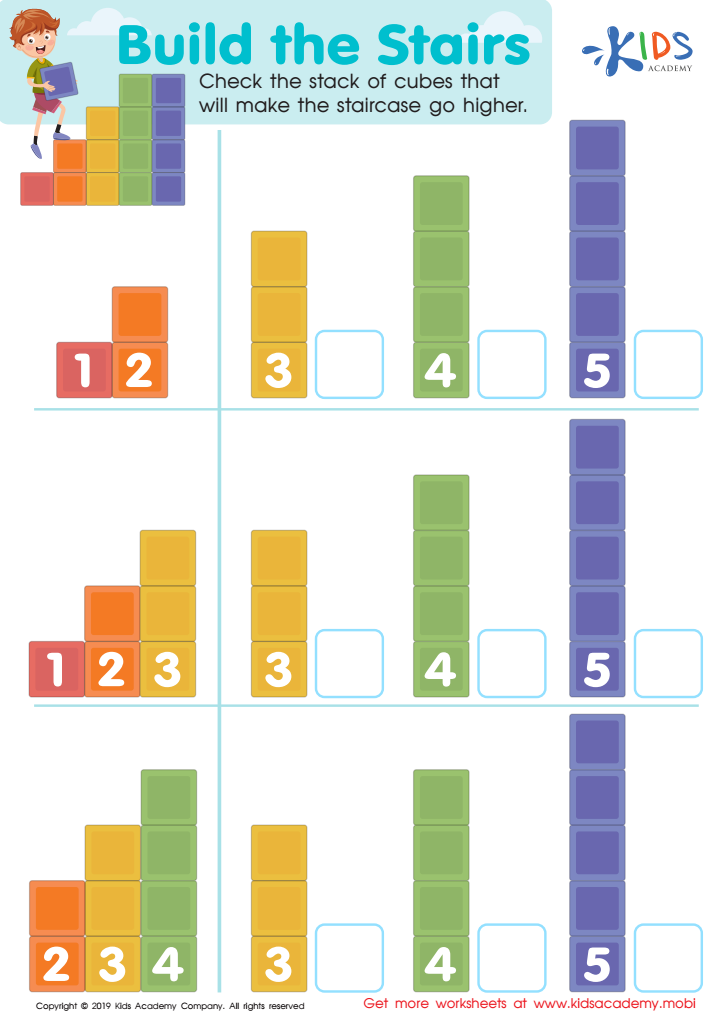
Build the Stairs Worksheet
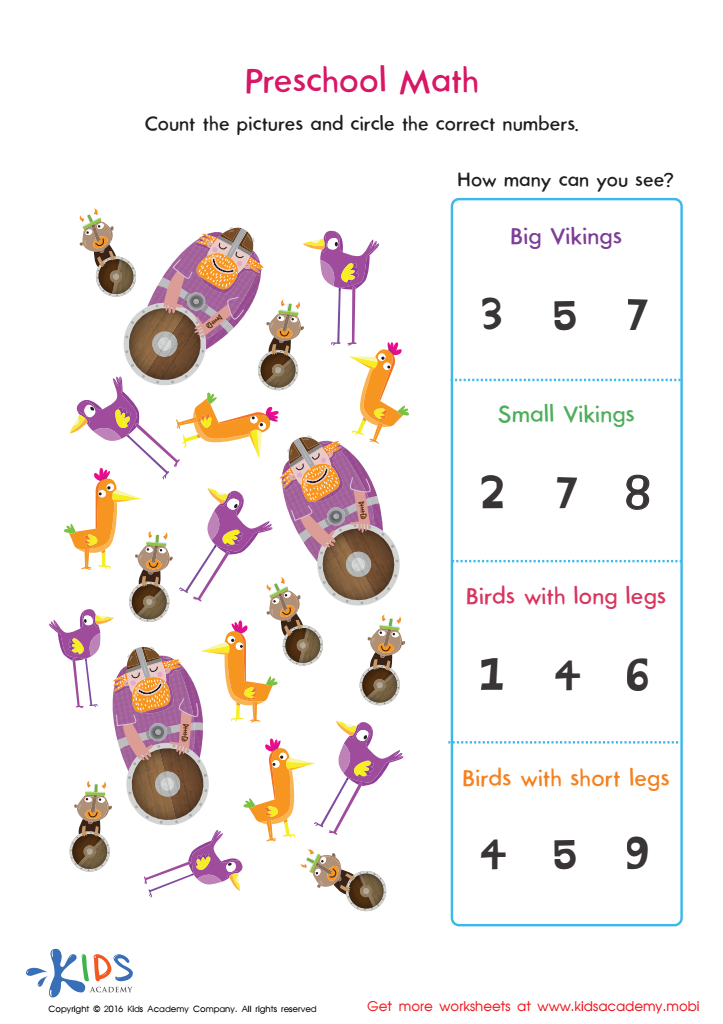
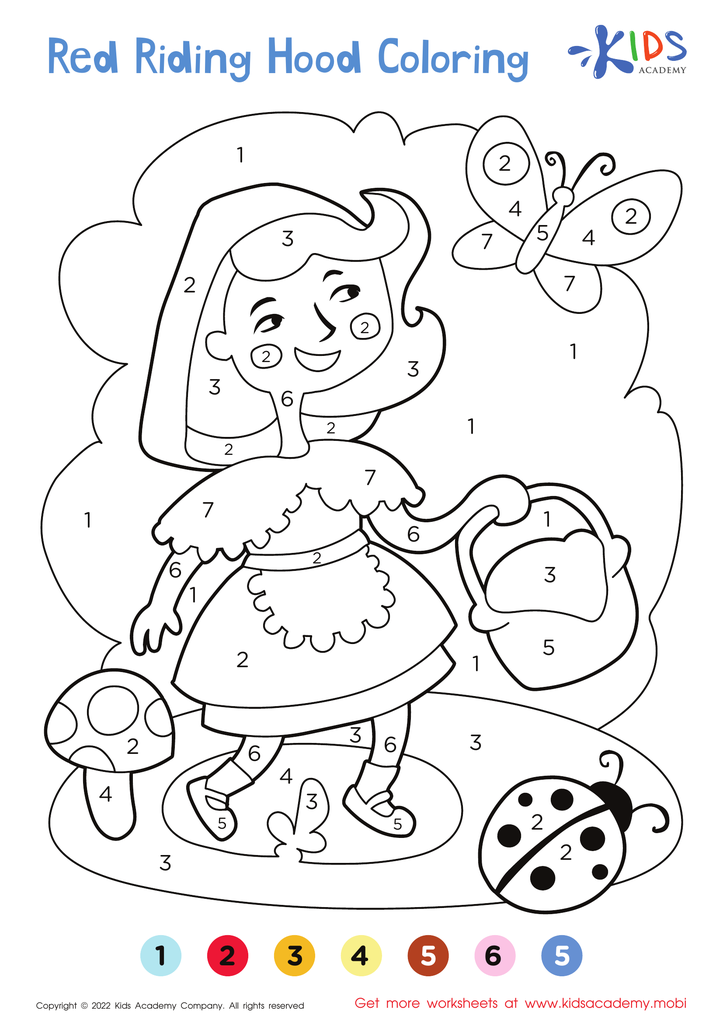
Little Red Riding Hood – Coloring by Numbers




.jpg)



Number identification is a foundational skill in early childhood education, particularly for children aged 3-4. During this stage, young learners are naturally curious and eager to explore numbers, making it a prime time for parents and teachers to foster numerical understanding. Recognizing numbers helps children develop essential cognitive skills that underpin more advanced math concepts.
Understanding numbers enhances children's ability to engage with their environment, aiding in comparisons, counting objects, and fulfilling mathematical problem-solving tasks in everyday situations. Early exposure to number identification comes with numerous long-term benefits, strengthening children's confidence and enthusiasm for math, which is crucial as they progress in their education.
Furthermore, number identification promotes fine motor skills through activities like tracing numbers or using manipulatives. It also enhances communication abilities, allowing children to express mathematical concepts verbally. Monitoring number identification skills supports individualized learning paths, helping educators and parents identify areas where a child may need more support.
Ultimately, fostering number identification in early childhood not only cultivates essential math skills but also prepares children for success in school, ensuring they are confident, capable learners as they transition to more complex mathematical concepts in later grades.








