Sorting skills Math Worksheets for Ages 3-4
14 filtered results
-
From - To
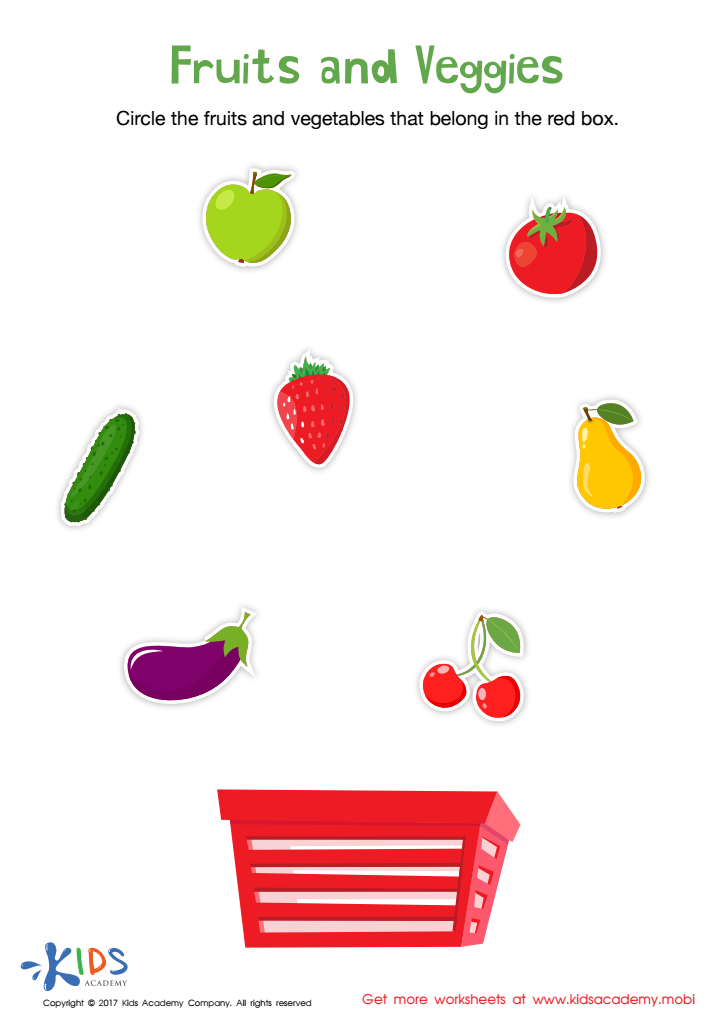
Introduce your little learners to the world of sorting with our engaging Sorting Skills Math Worksheets designed specifically for ages 3-4! These worksheets provide a fun, hands-on approach to help your child develop critical sorting skills through colorful images and interactive activities. By categorizing objects based on attributes such as color, size, and shape, young learners enhance their cognitive abilities while enjoying valuable learning experiences. Perfect for at-home or classroom use, these worksheets foster early math concepts, boost observational skills, and encourage creativity. Get started on your child’s learning journey today and watch them thrive as confident, capable learners!
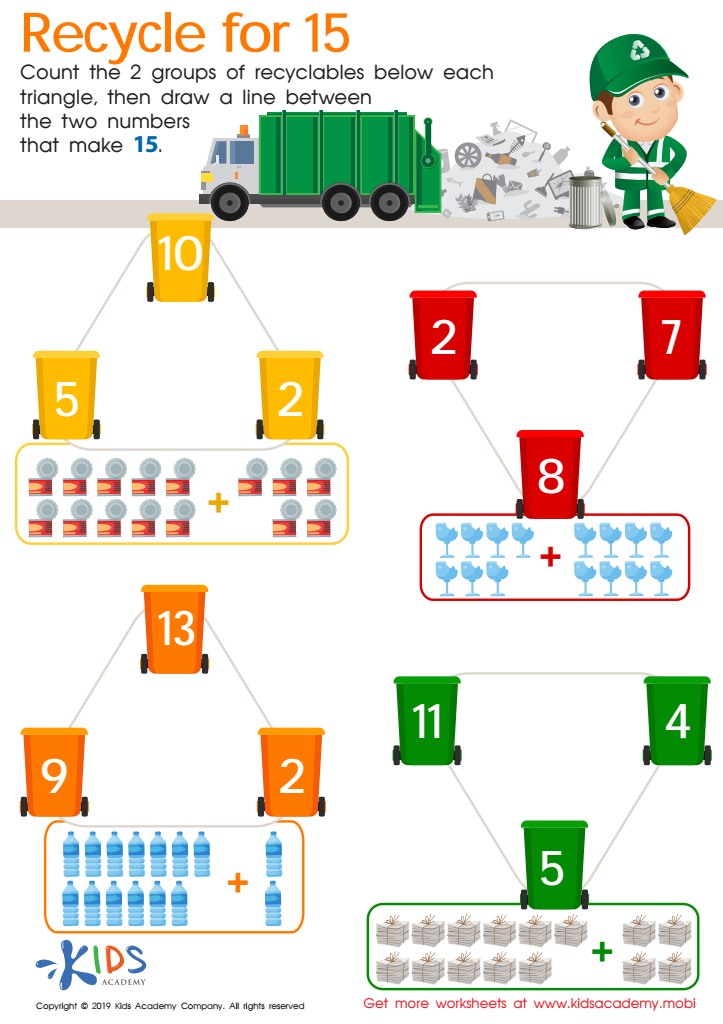
Recycle for 15 Worksheet
 Assign to My Students
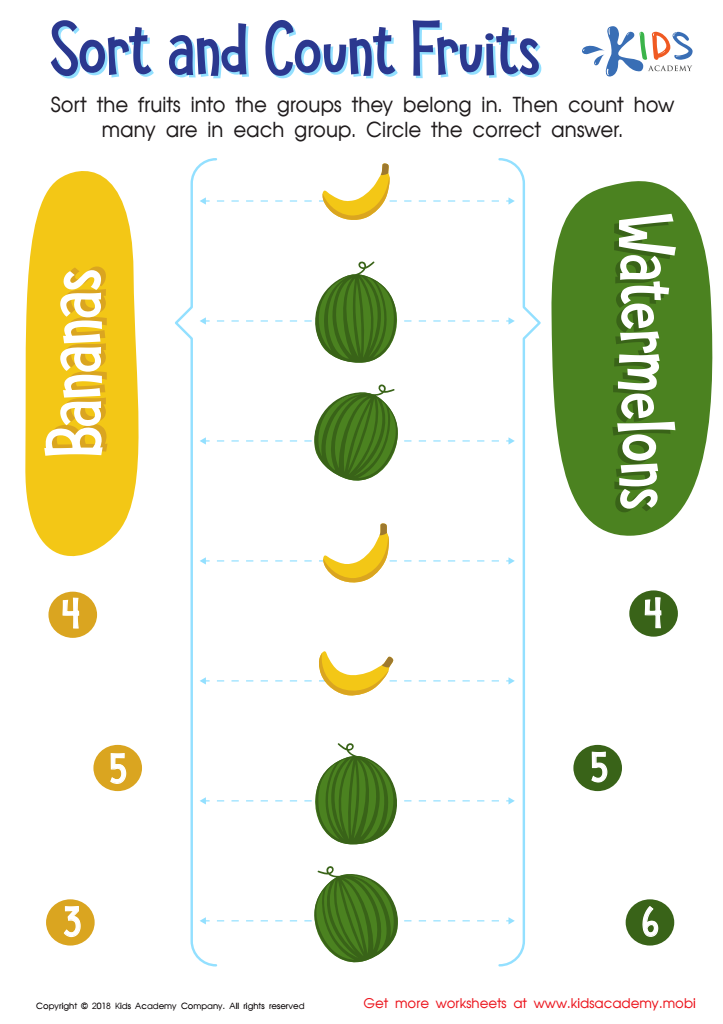
Sort and Count Fruits Worksheet
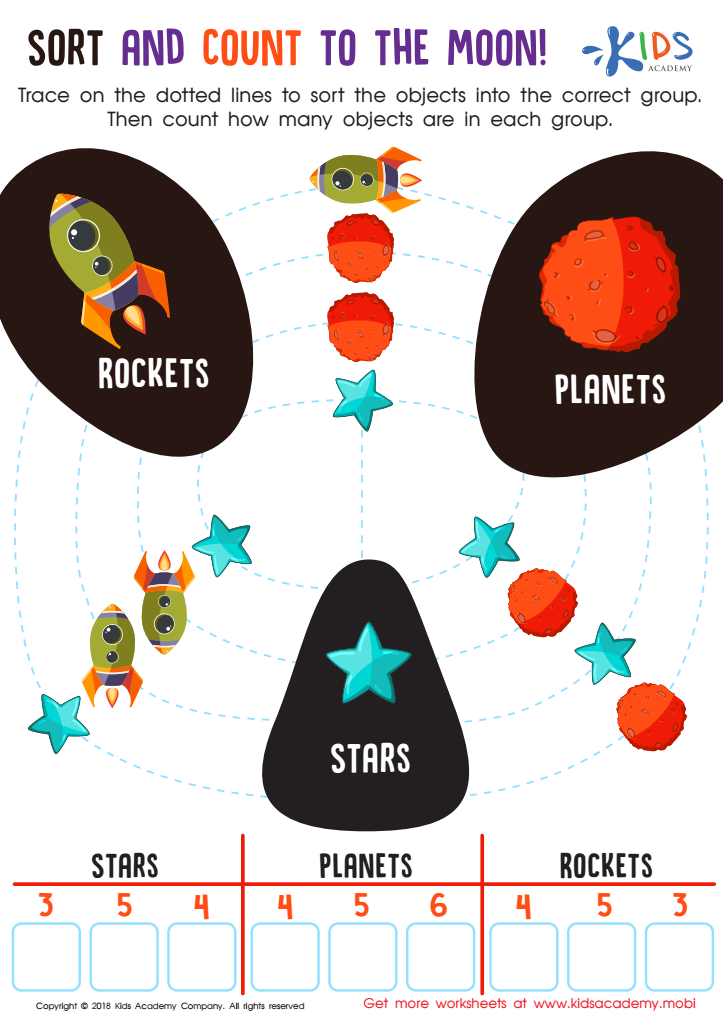
Sort and Count to the Moon Worksheet
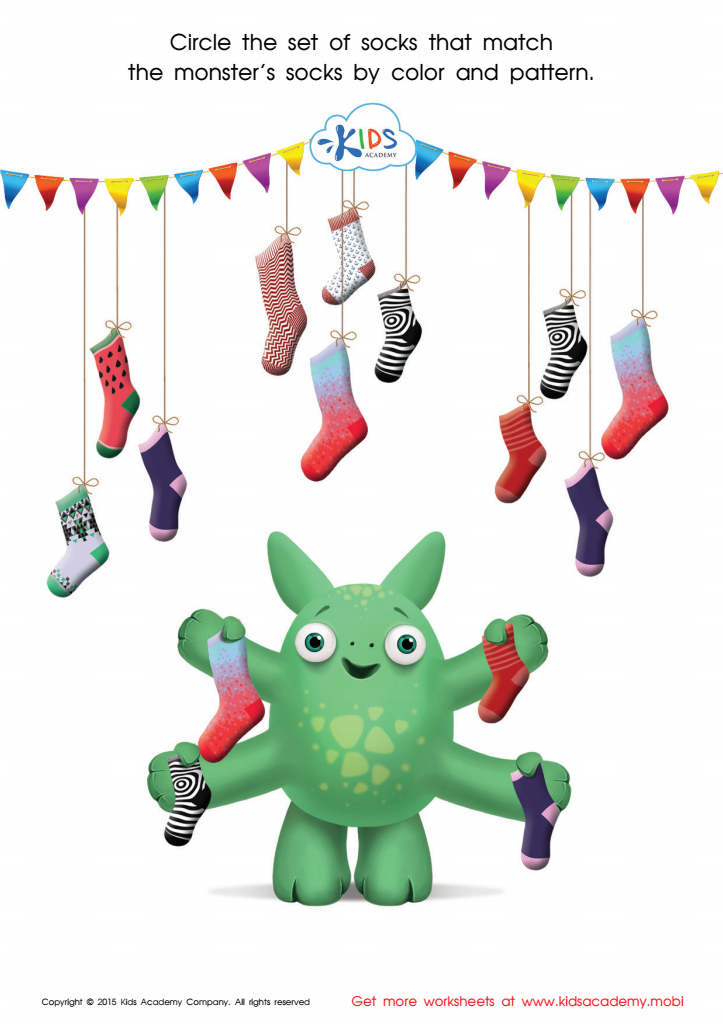
Sort the Monster's Socks Worksheet
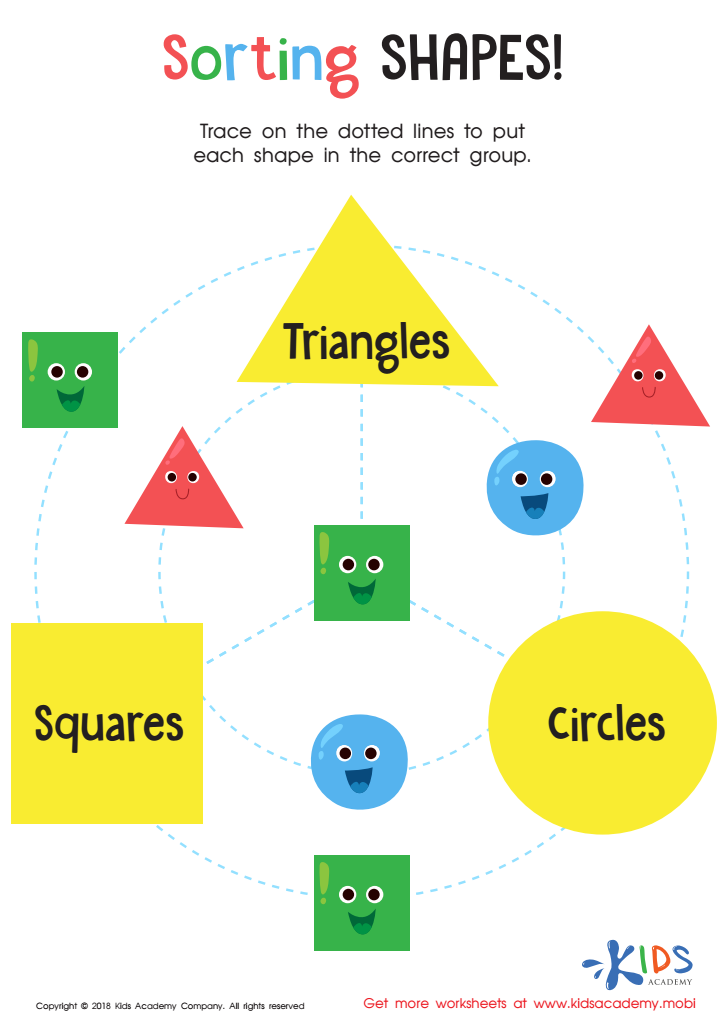
Sorting Shapes - Part 3 Worksheet
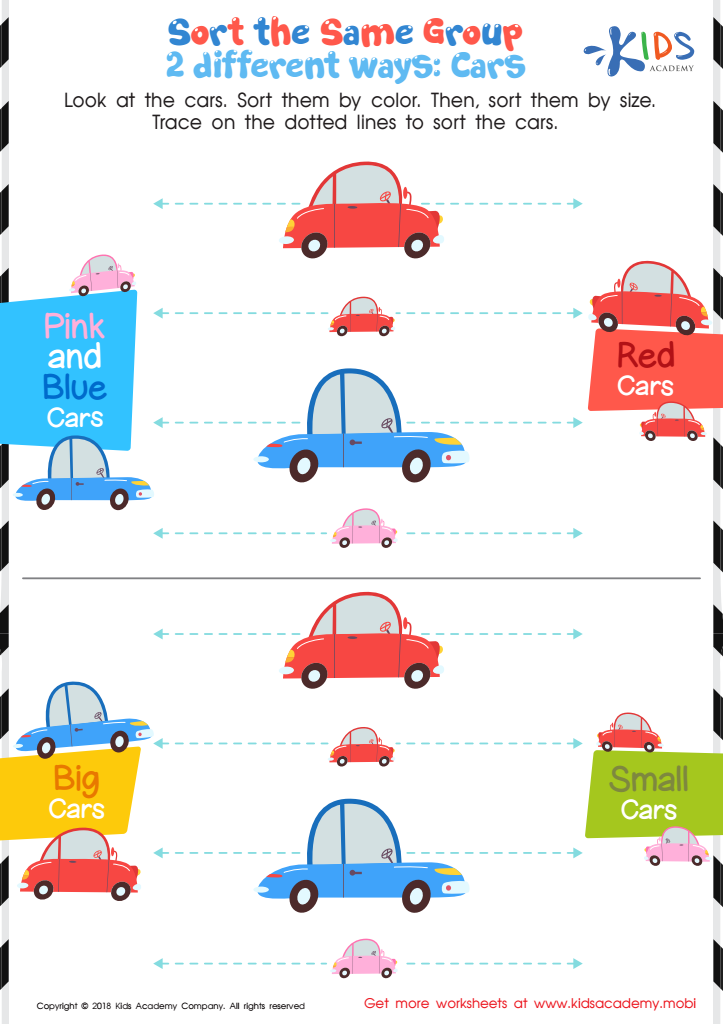
Sort the Same Group 2 Different Ways: Cars Worksheet
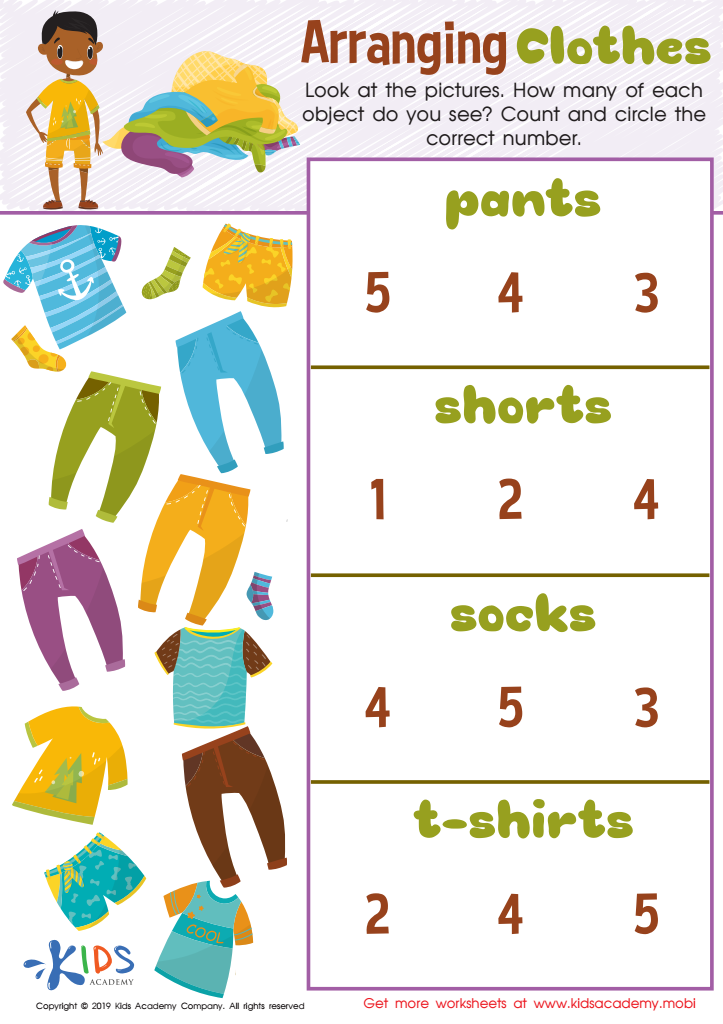
Arranging Clothes Worksheet
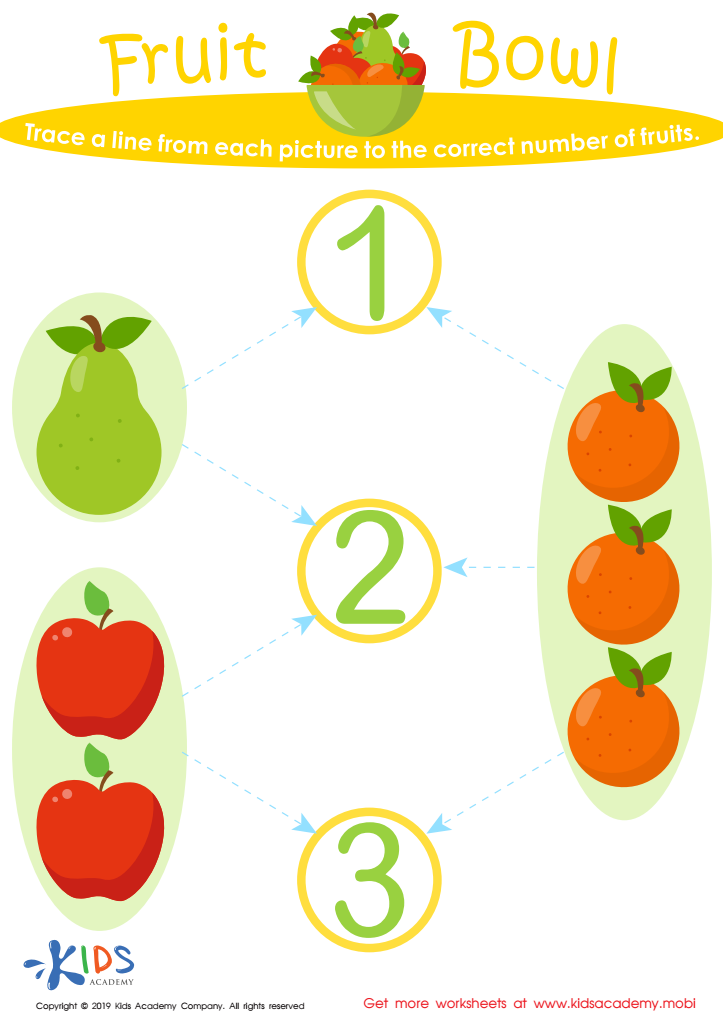
Fruit Bowl Worksheet
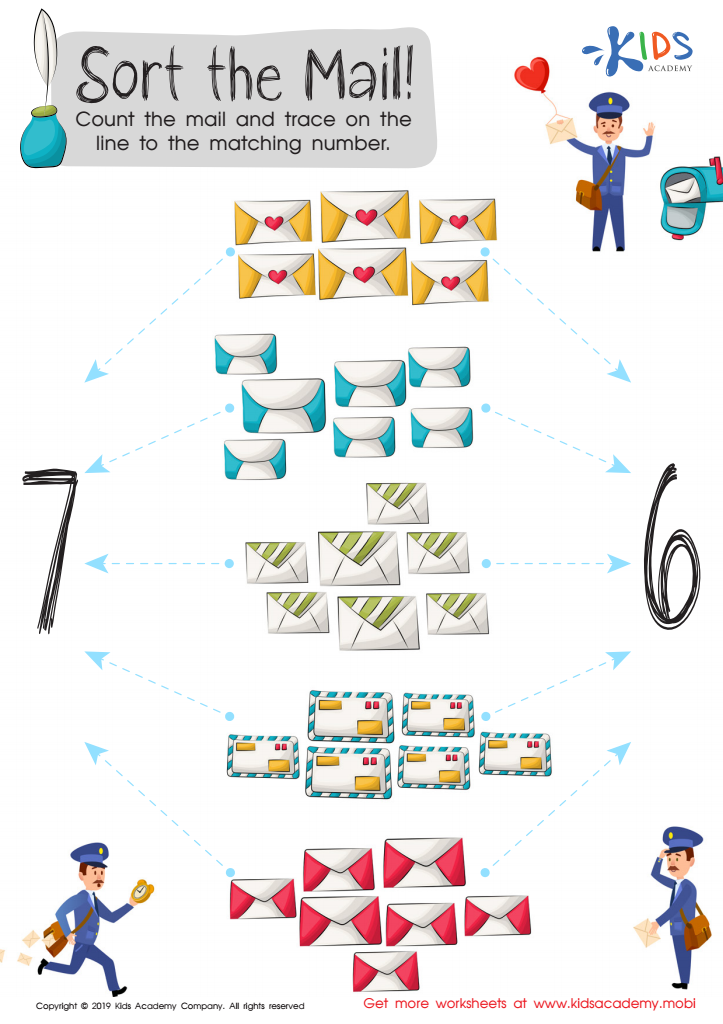
Sort the Mail Worksheet
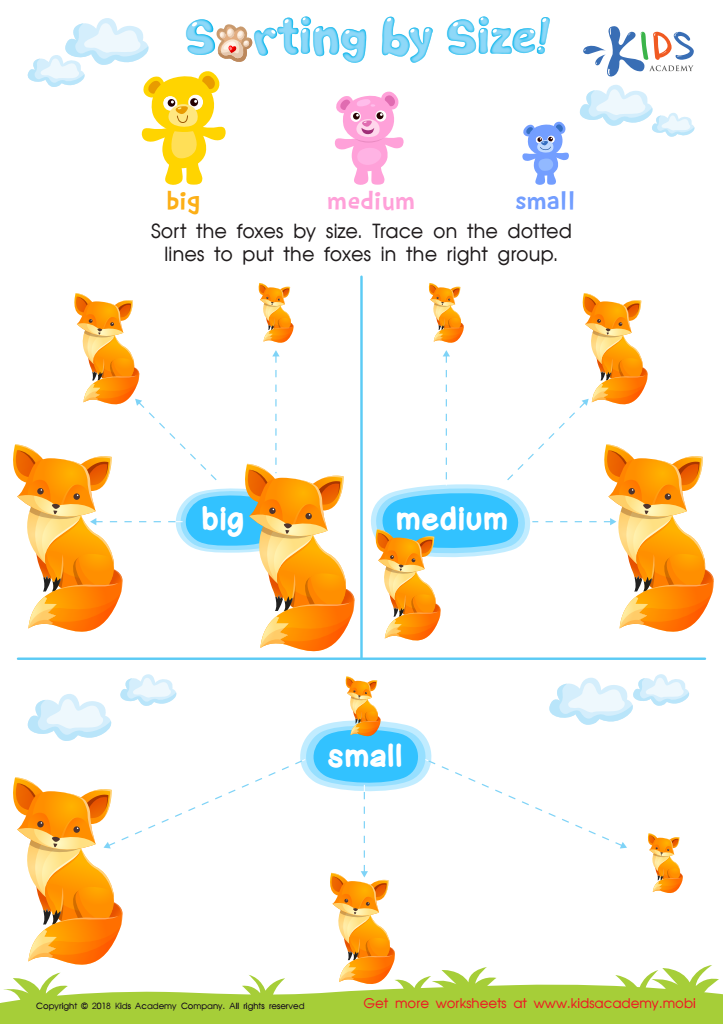
Sorting by Size Worksheet
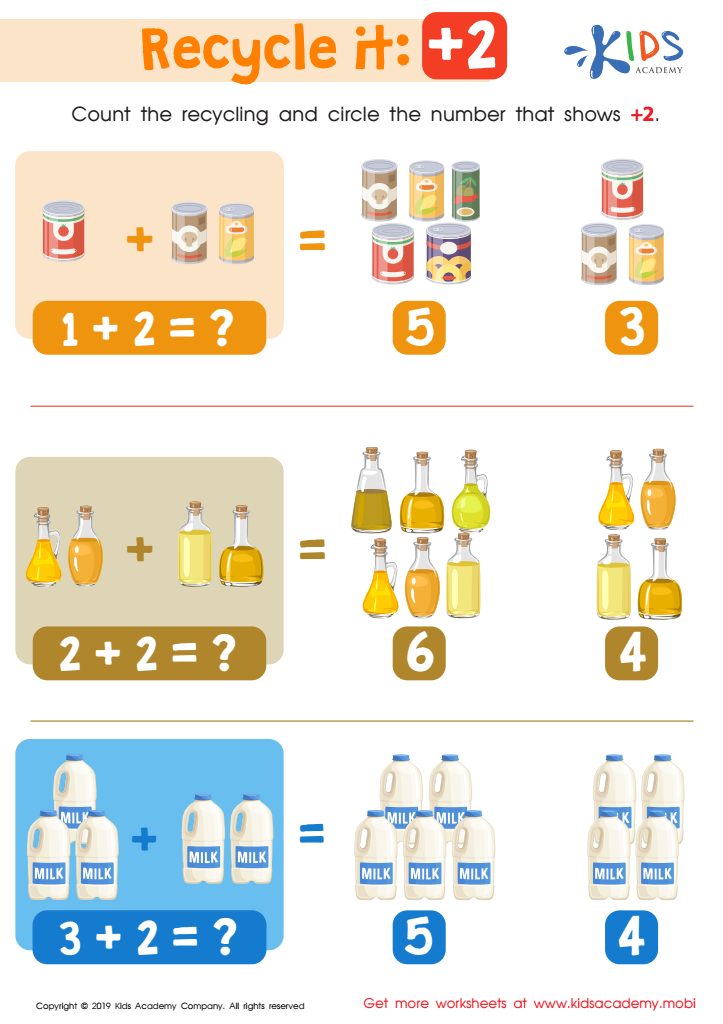
Recycle It: +2 Worksheet
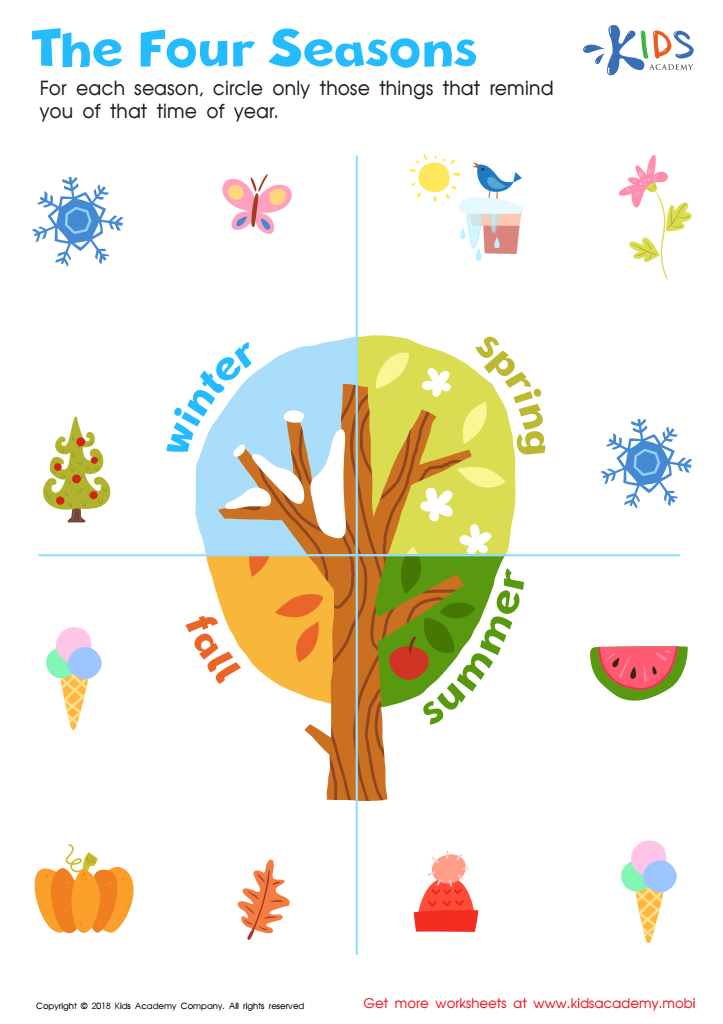
The Four Seasons Worksheet
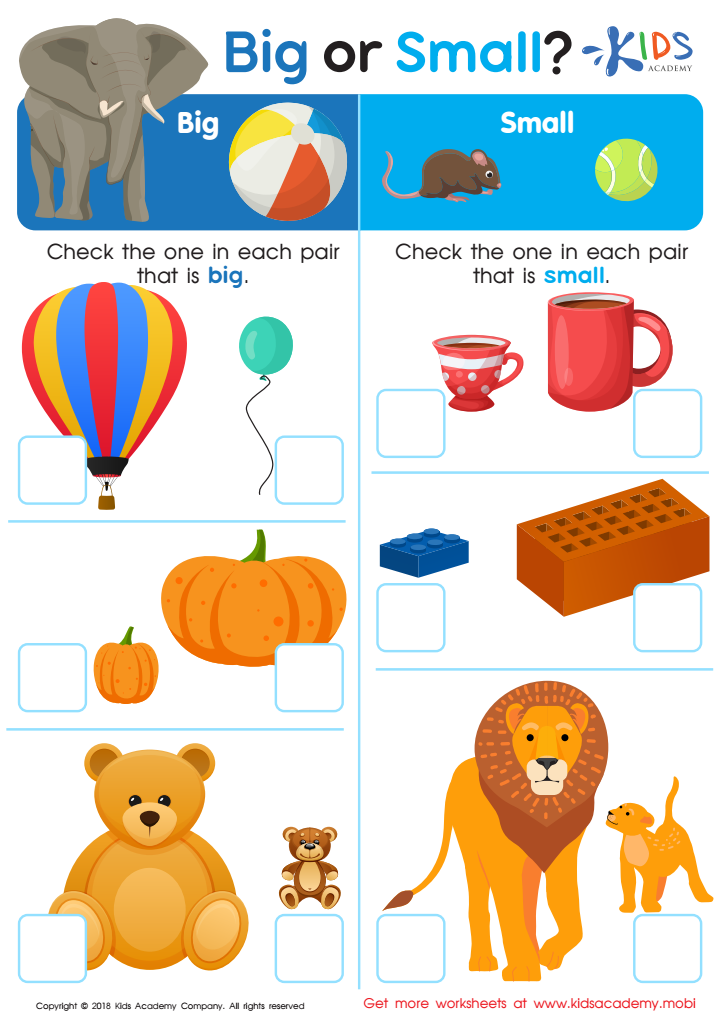
Big or Small? Worksheet








Sorting skills are fundamental for children aged 3-4, and they play a crucial role in early math development. By engaging in sorting activities, children learn to categorize objects based on attributes such as size, shape, color, or type, which fosters logical thinking and helps them understand relationships between objects. This foundational skill is directly linked to more complex mathematical concepts, including classification, pattern recognition, and problem-solving.
Moreover, sorting enhances critical cognitive skills. It encourages observation and discrimination—important components that enable young learners to make sense of the world around them. When parents and teachers prioritize sorting activities, they not only facilitate math readiness but also promote language development as children practice articulating their reasons for sorting choices.
In addition, sorting tasks encourage fine motor skills when children manipulate various objects, making these activities beneficial for physical development as well. By creating engaging, tactile experiences that involve sorting, adults can lay a strong foundation for academic success. Ultimately, nurturing sorting skills in young children empowers them to build confidence in their problem-solving abilities and lays the groundwork for future mathematical learning. Investing time in these activities can have long-lasting positive effects on a child's educational journey.








