Understanding directions Math Worksheets for Ages 3-4
4 filtered results
-
From - To
Explore our "Understanding Directions" math worksheets designed for children ages 3-4, perfect for enhancing early cognitive skills. These interactive worksheets engage young learners in fun activities to help them grasp directional concepts such as up, down, left, and right. With colorful visuals and simple instructions, your child will develop essential spatial awareness and problem-solving skills while fighting boredom. Ideal for preschool and kindergarten settings, these printable resources encourage exploration and playful learning. Start your child’s educational journey with our thoughtfully created worksheets, ensuring they understand the fundamentals of directions while enjoying the learning process! Perfect for parents and educators alike!
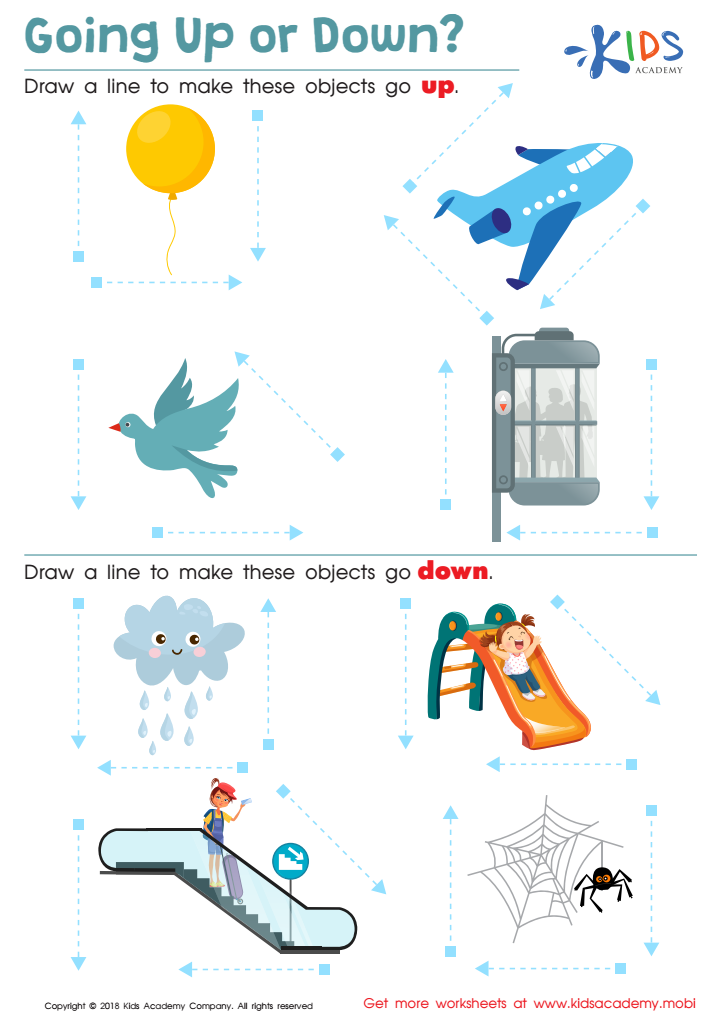
Going up or Down? Worksheet
 Assign to My Students
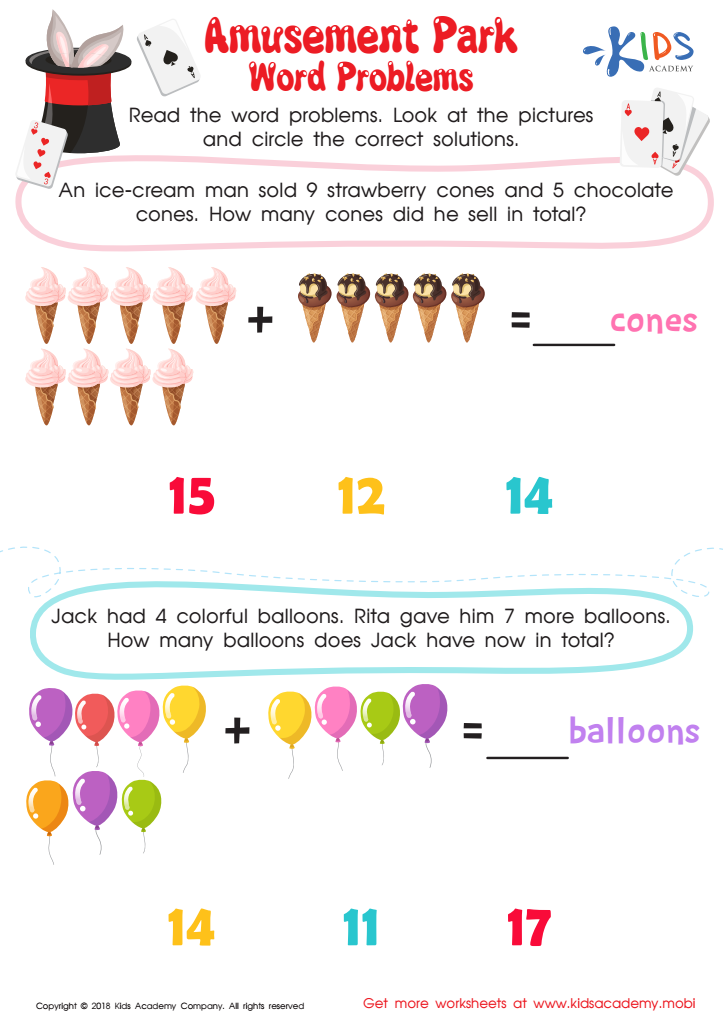
Amusement Park Word Problems Worksheet
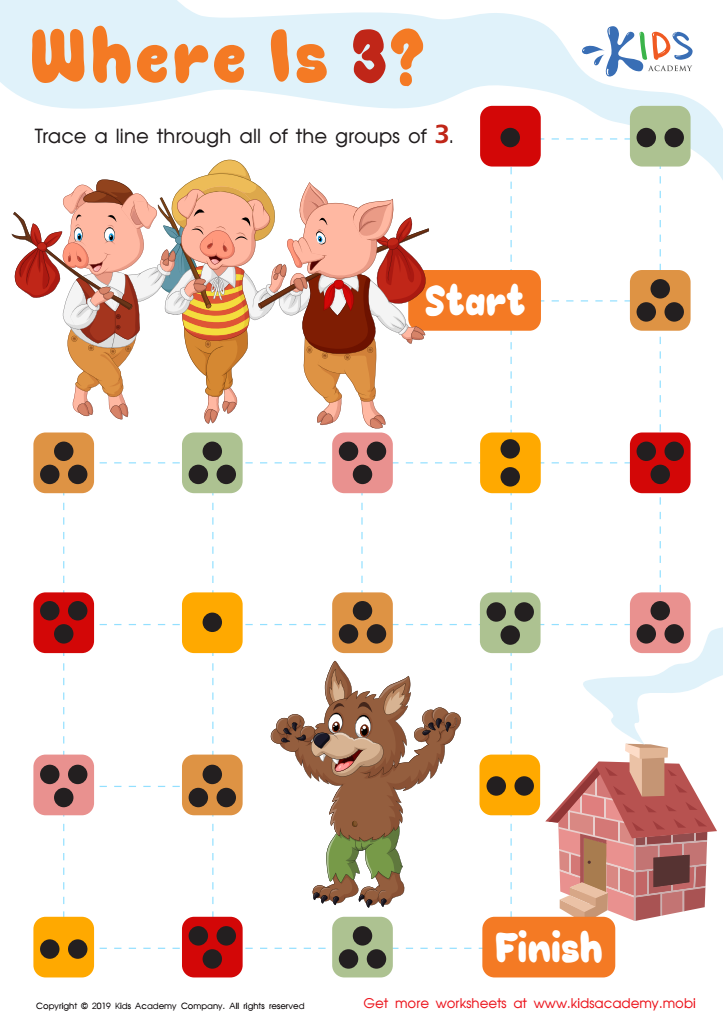
Where Is 3? Worksheet
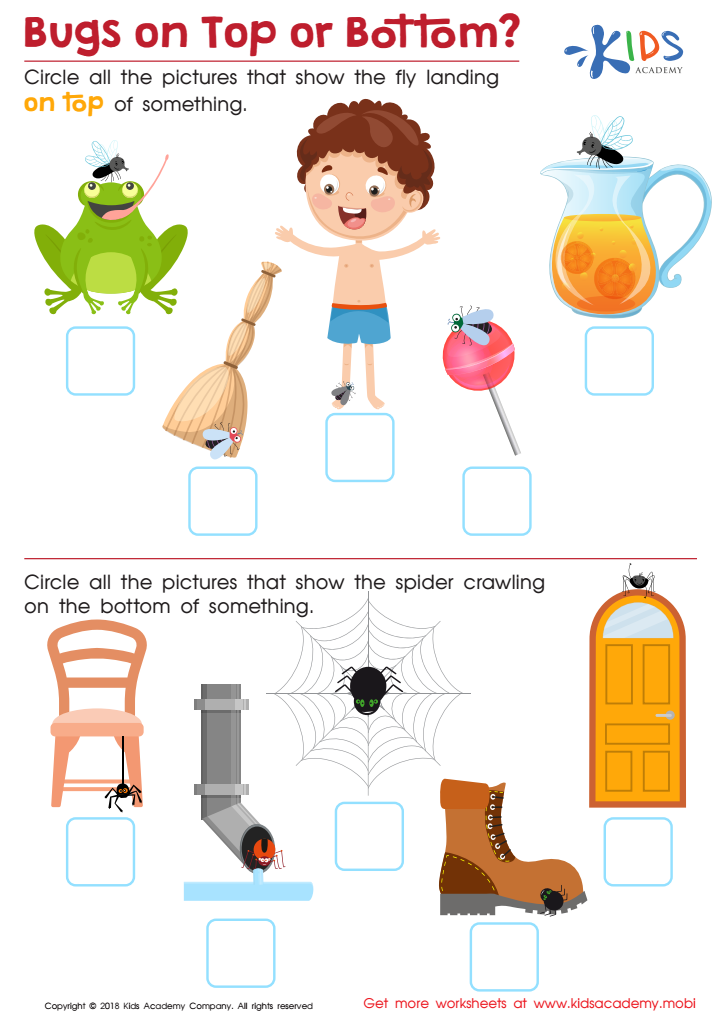
Bugs on Top or Bottom? Worksheet








Understanding directions in math for children aged 3-4 is crucial for their cognitive development and lays the groundwork for future learning. At this age, children are naturally curious and eager to explore their environment, and integrating mathematical concepts within this exploration fosters critical thinking skills. Simple tasks that involve understanding directions—like “add one more,” “take away,” or “sort by color”—help children grasp fundamental math concepts, preparing them for more complex operations in later years.
Moreover, this early exposure to directional language enhances their vocabulary and comprehension skills. Clear visual and verbal directions encourage active participation and engagement, making learning both effective and enjoyable. By nurturing these skills, parents and teachers help children develop problem-solving abilities and build confidence in their math capabilities.
In addition, incorporating math into everyday activities not only strengthens cognitive skills but also enhances a child’s ability to follow directions, which is essential for overall academic success. When parents and teachers prioritize understanding directions in early math, they're not just teaching math; they're instilling a love for learning that can benefit kids throughout their educational journey and beyond. Ultimately, fostering these foundational skills in early childhood is an investment in a child’s future success.








