Understanding symmetry Math Worksheets for Ages 3-4
3 filtered results
-
From - To
Welcome to our "Understanding Symmetry Math Worksheets" designed specifically for ages 3-4! These engaging worksheets introduce young learners to the concept of symmetry through colorful visuals and fun activities. Children will explore symmetry in their environment, identify symmetrical shapes, and enhance their observational skills. Each worksheet encourages critical thinking and fosters early math skills while keeping learning playful and interactive. Perfect for parents and educators alike, our resources aim to cultivate a love for math in young minds. Start your child’s journey to understanding symmetry today and watch as they discover the beauty of balance and proportion in the world around them!
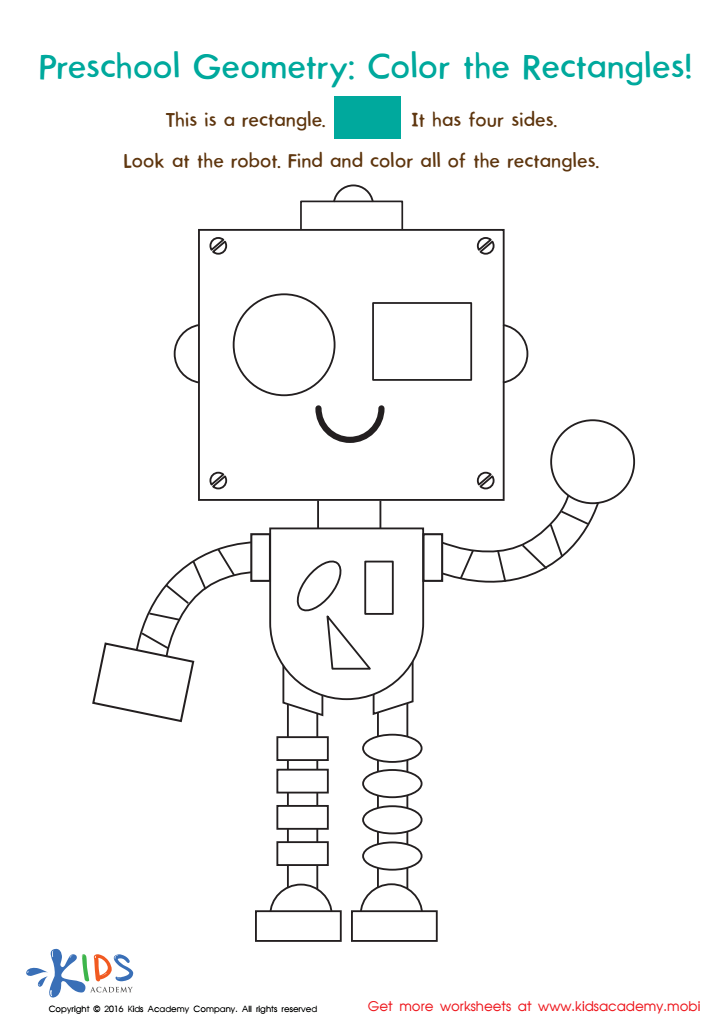
Geometry Worksheet
 Assign to My Students
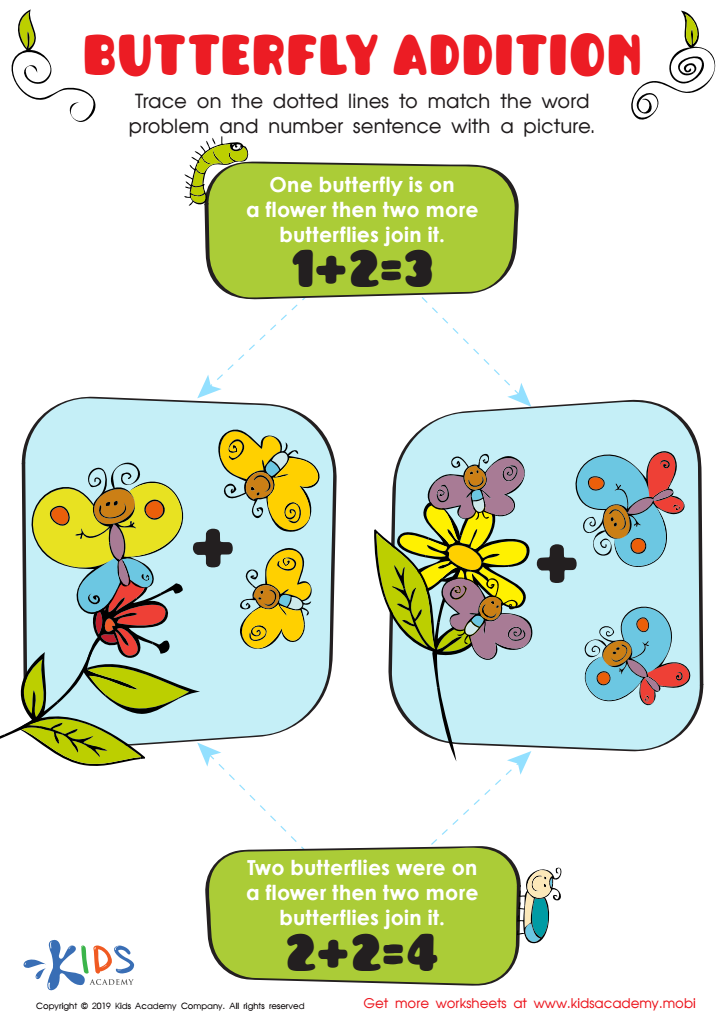
Butterfly Addition Worksheet
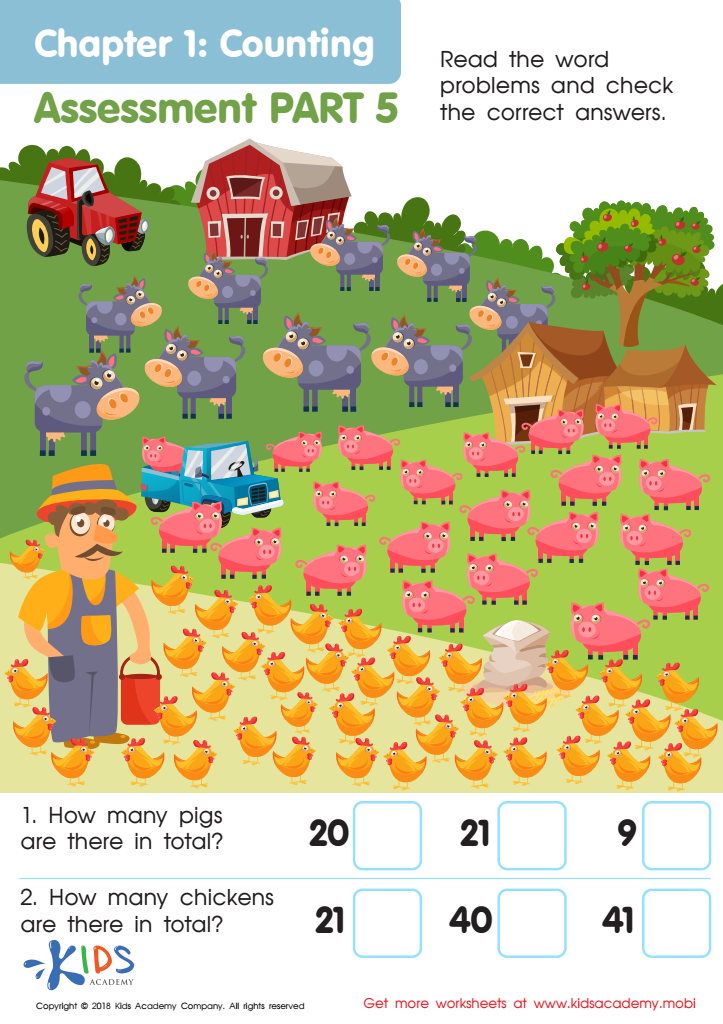
Counting: Assessment 5 Worksheet






Understanding symmetry is a fundamental mathematical concept that has significant benefits for young children aged 3-4. Parents and teachers should prioritize symmetry in early learning for several reasons.
First, it enhances cognitive development. Recognizing and creating symmetrical patterns helps children develop critical thinking and problem-solving skills. As they learn to identify shapes and patterns that are identical on both sides, they become more proficient in visual discrimination and spatial relations.
Second, symmetry is foundational for future math skills. Understanding this concept lays the groundwork for more complex topics like geometry and algebra. Early exposure to symmetry can cultivate a positive attitude toward math, making it more approachable as they advance in their studies.
Furthermore, engaging in symmetry activities, such as drawing, crafting, and games, encourages creativity and fine motor skills. These hands-on experiences foster an understanding of mathematical concepts in a fun and interactive way.
Lastly, exploring symmetry can enhance social skills as children work together in groups, sharing ideas and collaborating. Overall, understanding symmetry is not just about math; it's a holistic approach to fostering critical life skills in young children. Therefore, parents and teachers should incorporate it into early education.








