Counting skills Numbers 0–10 Worksheets for Ages 3-4 - Page 3
81 filtered results
-
From - To
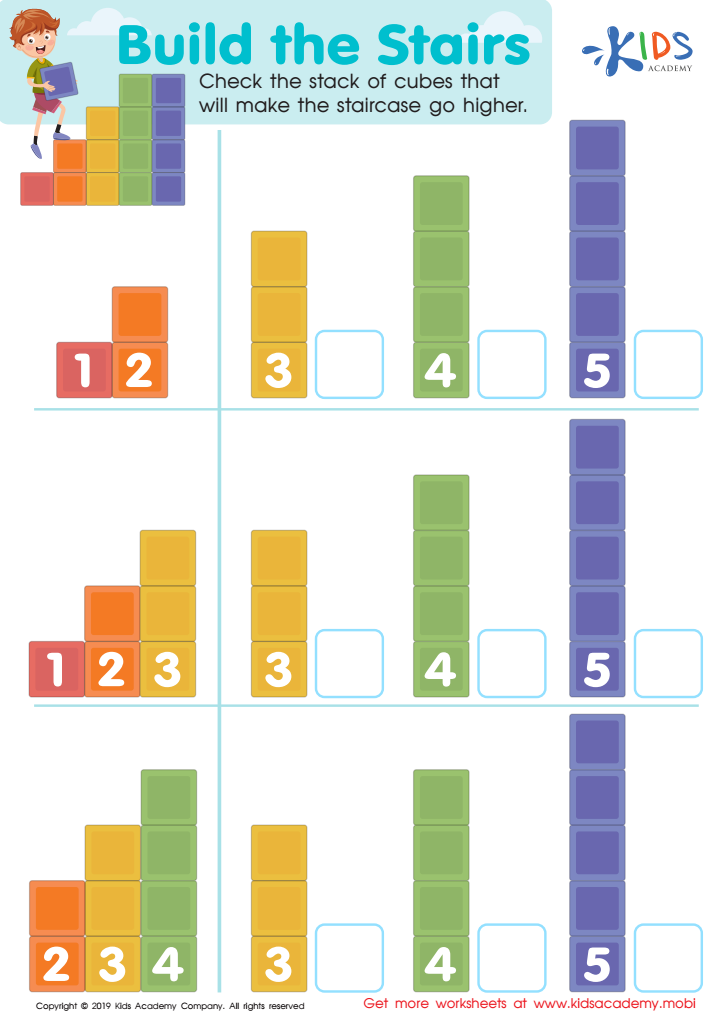
Build the Stairs Worksheet
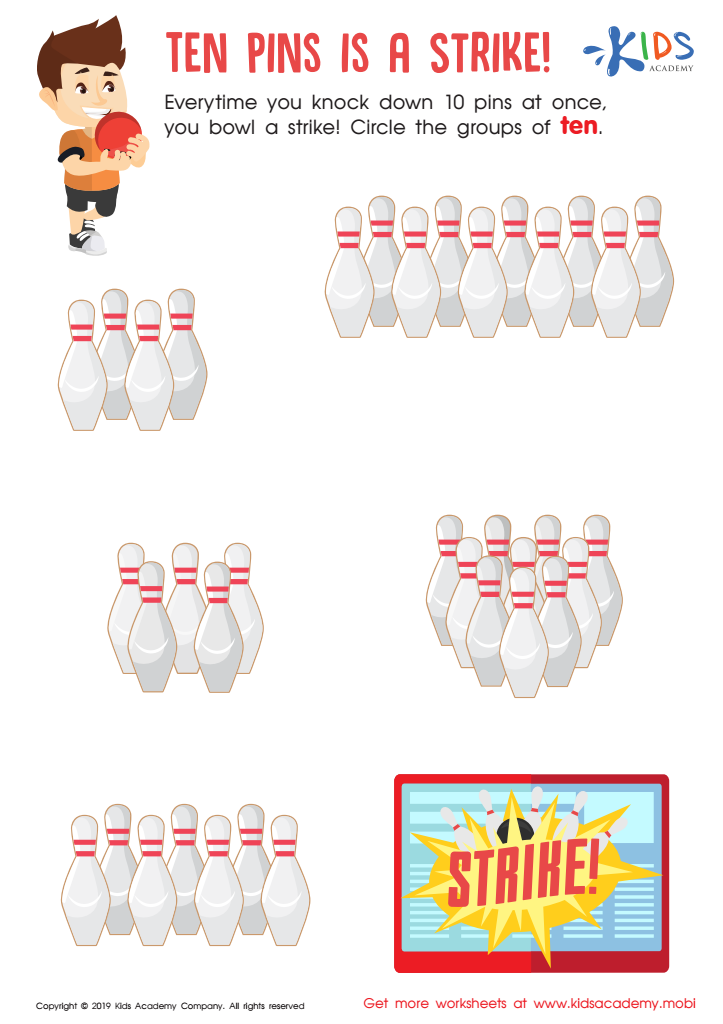
Ten Pins is a Strike Worksheet
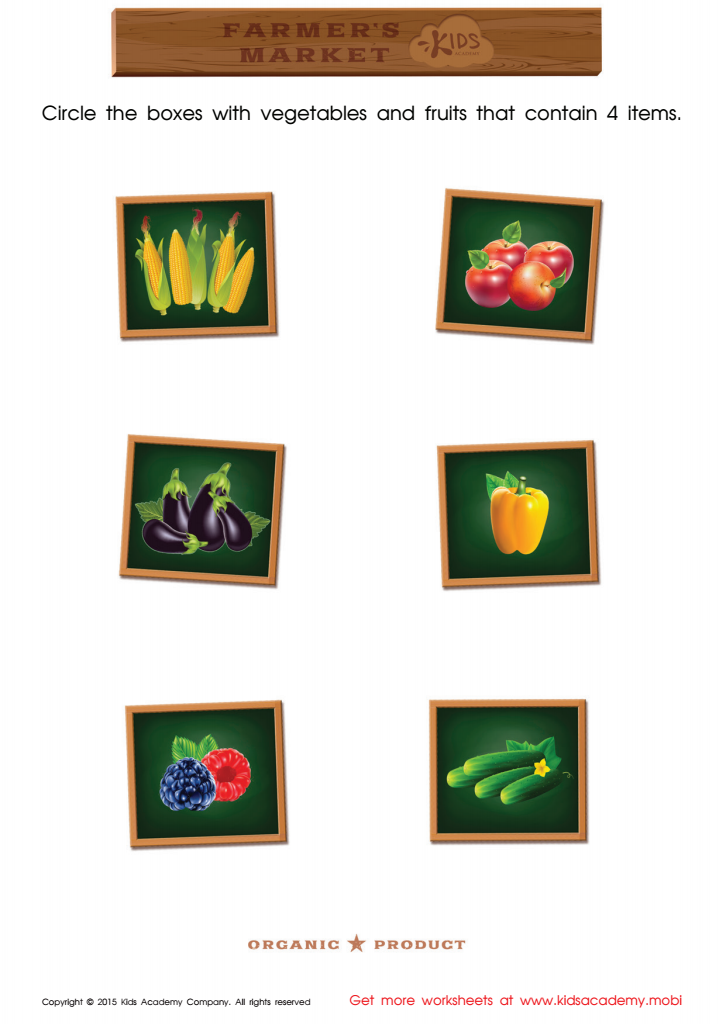
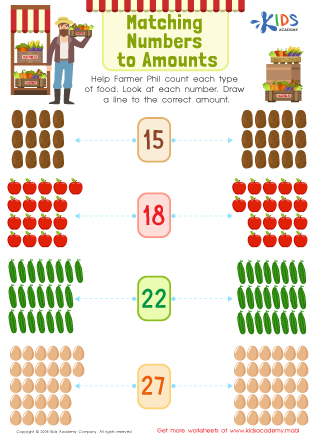
Count and Match Vegetables 2 – 8 Math Worksheet
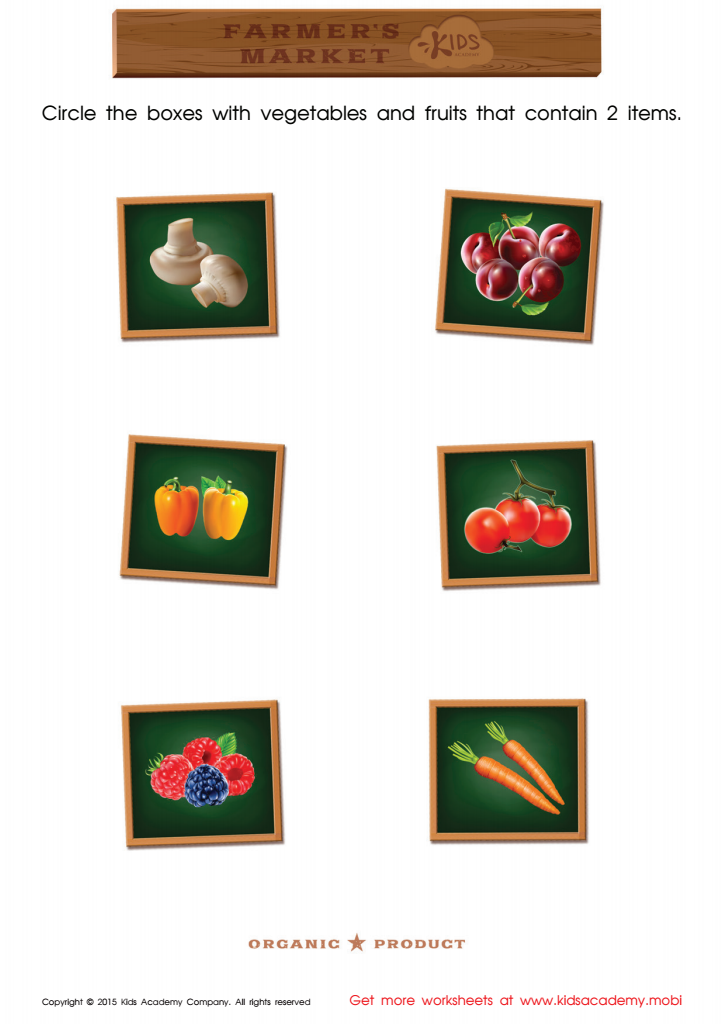
Count and Match Vegetables and Points Math Worksheet
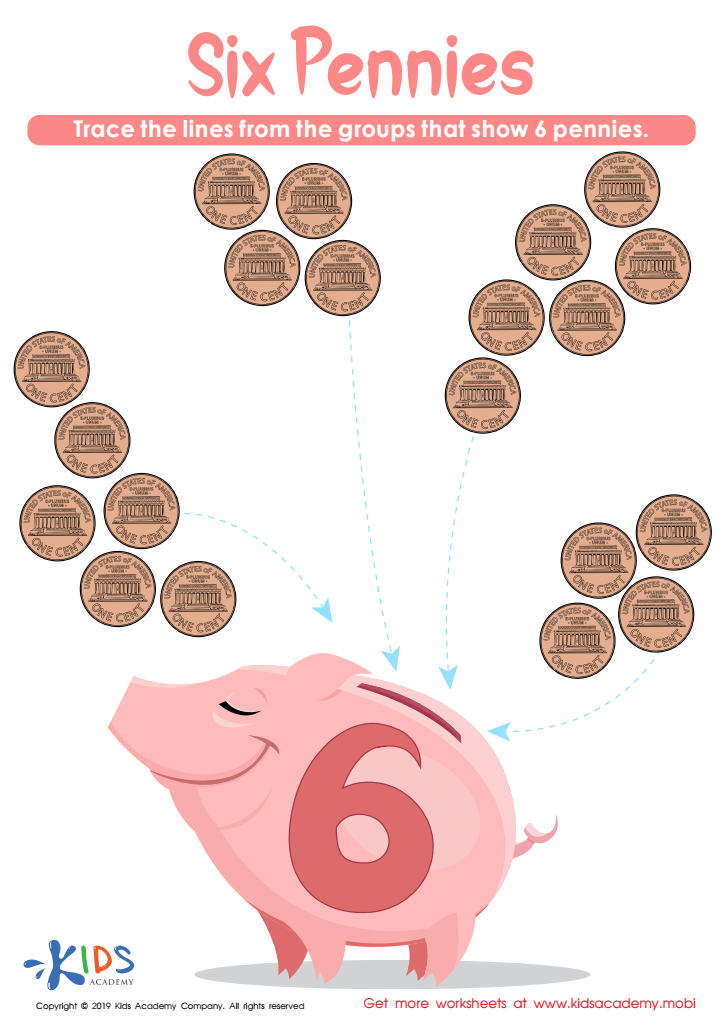
Six Pennies Worksheet
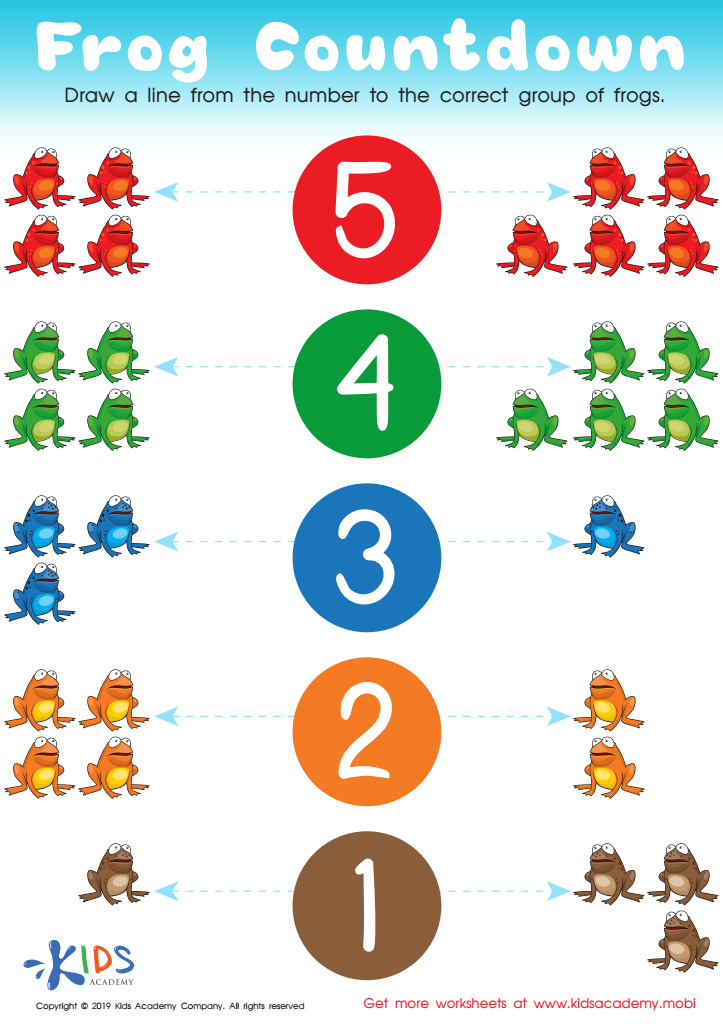
Frog Countdown Worksheet
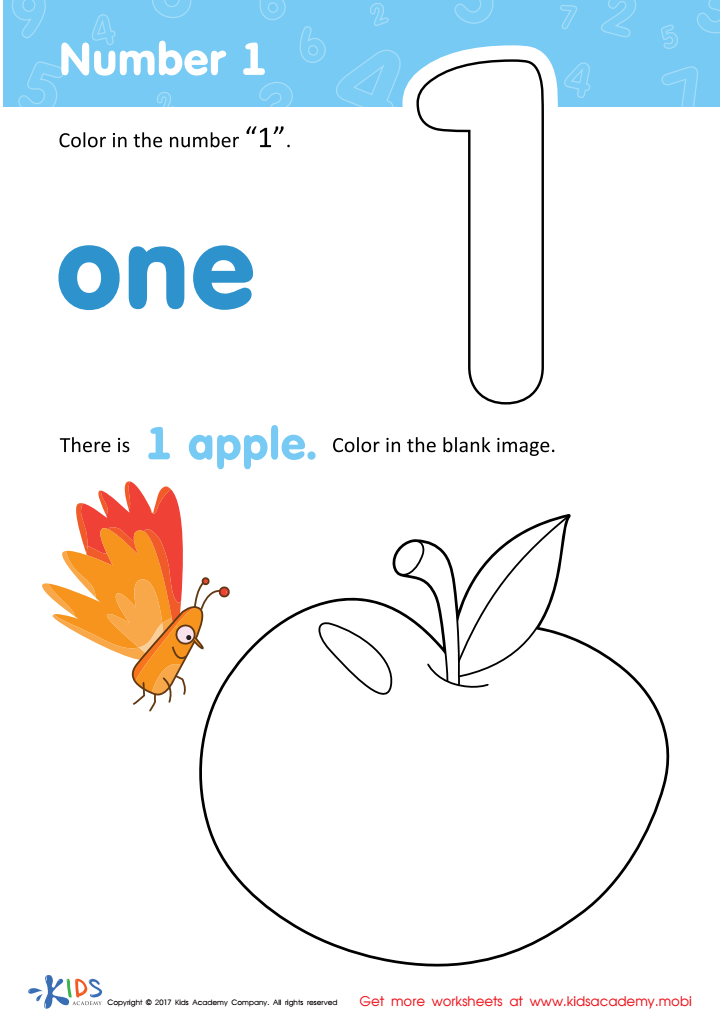
Number 1 Printable
 Assign to My Students
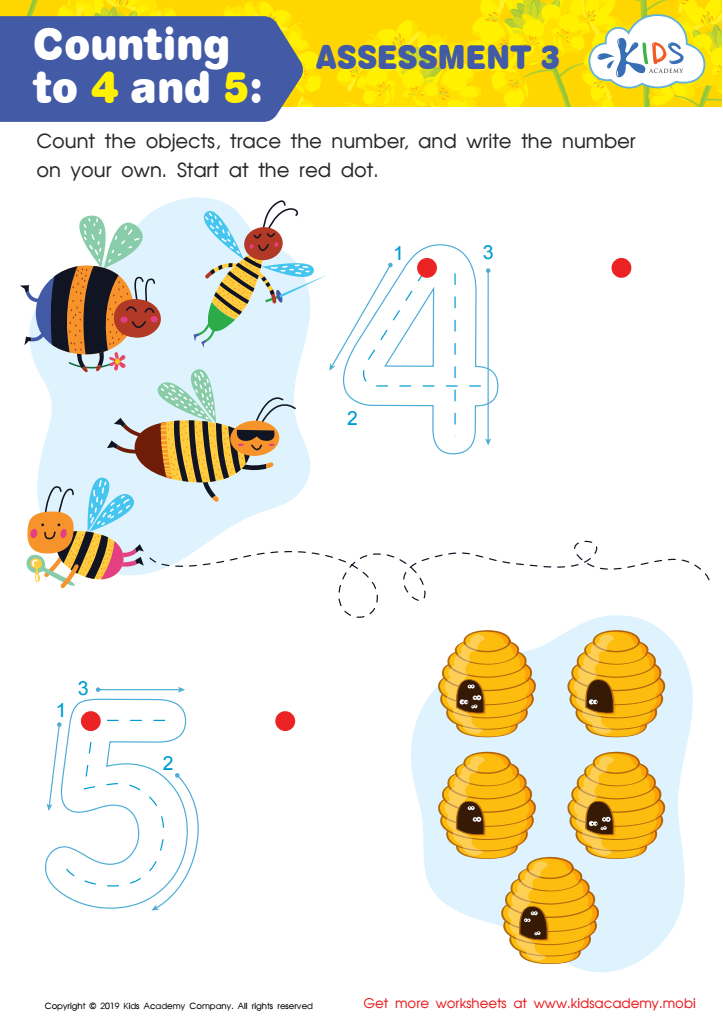
Counting to 4 and 5: Assessment 3 Worksheet
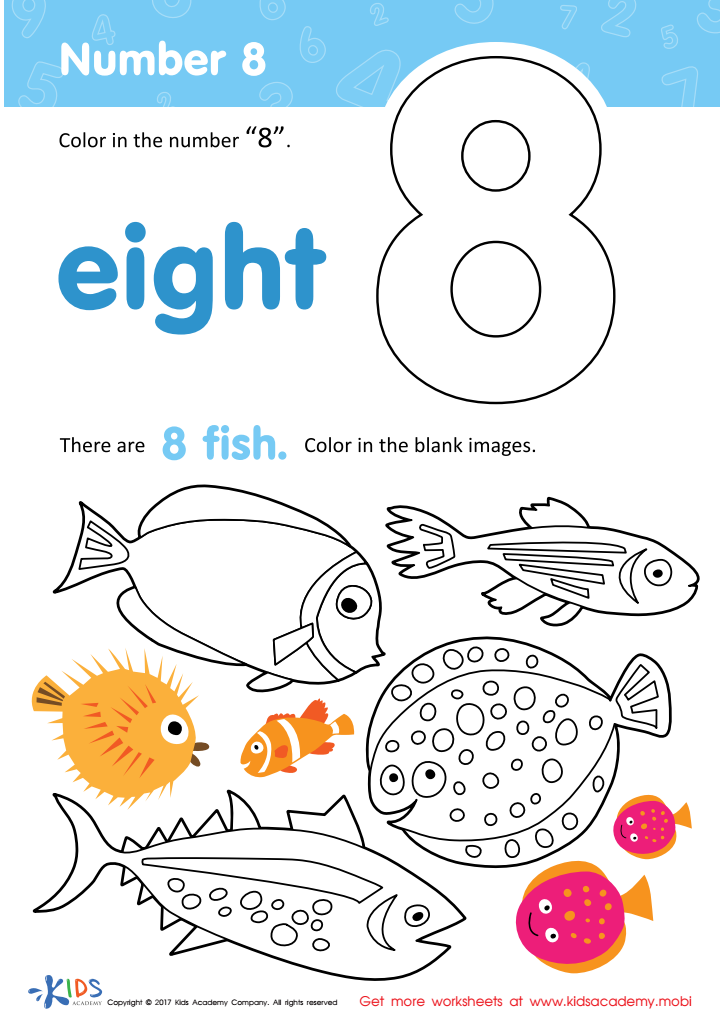
Number 8 Printable
Assign to My Students
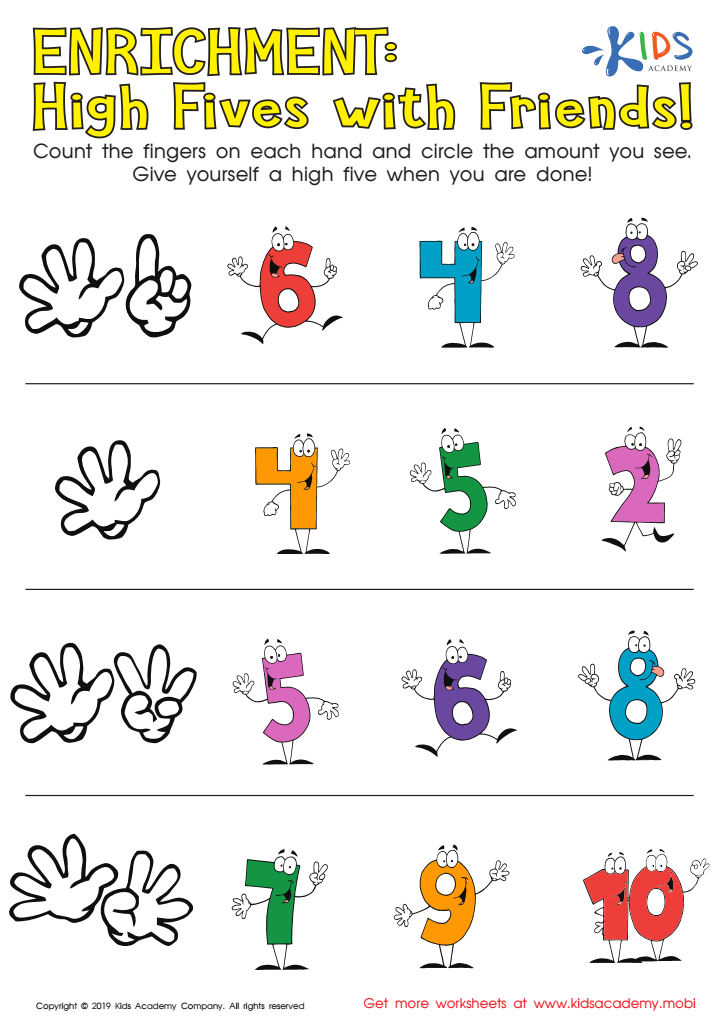
Enrichment: High Fives with Friends! Worksheet
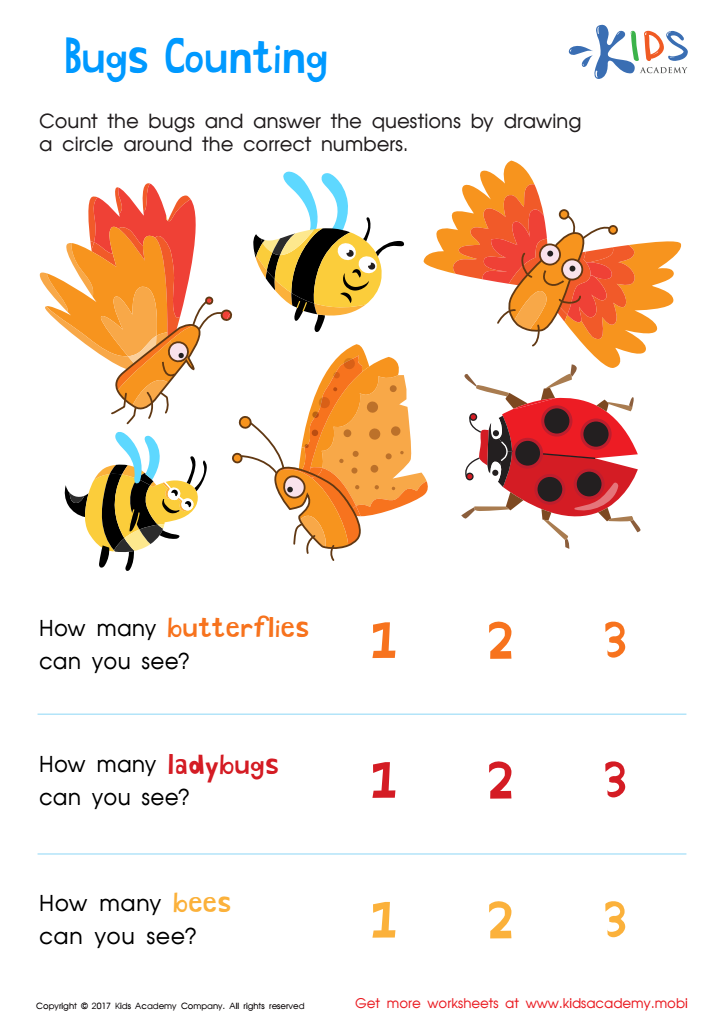
Bugs Counting Worksheet
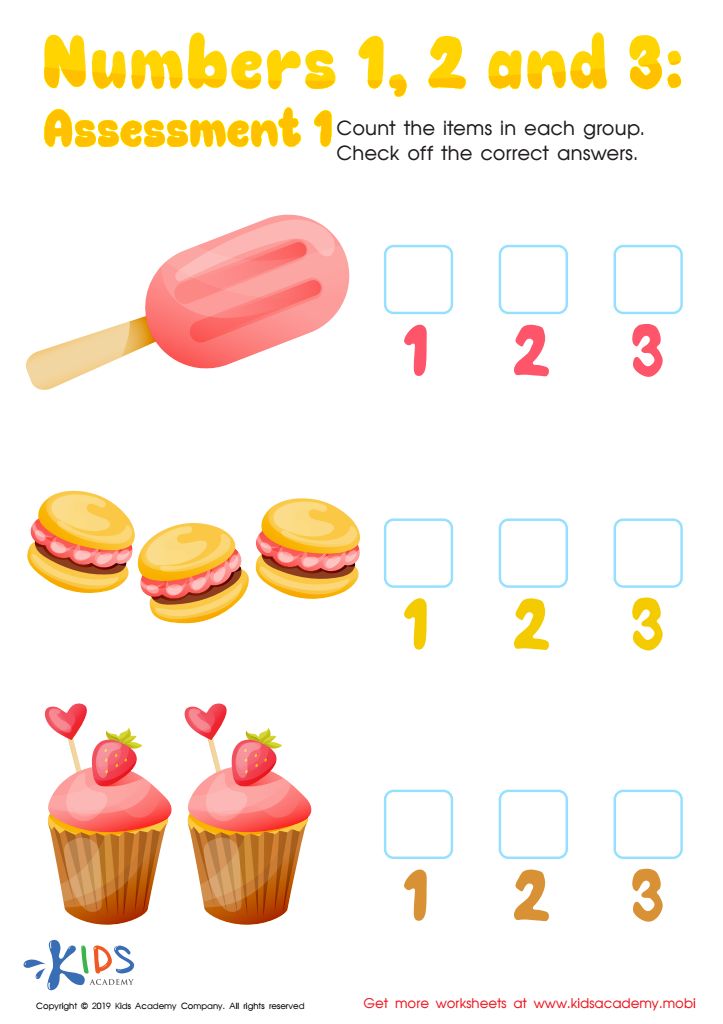
Numbers 1, 2 and 3: Assessment 1 Worksheet
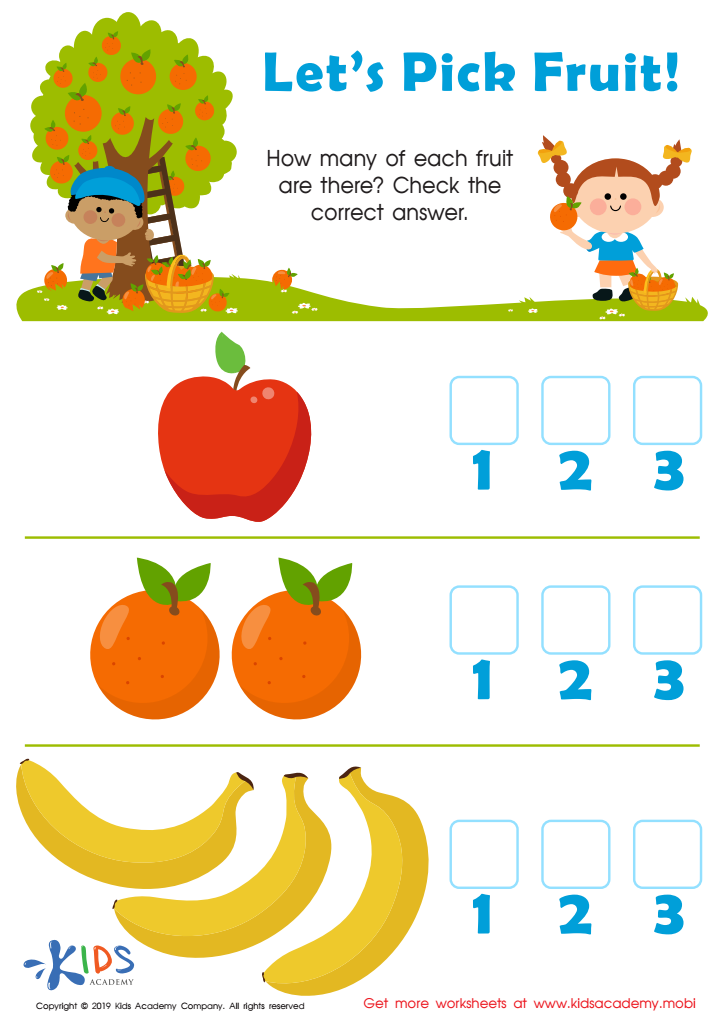
Let's Pick Fruit Worksheet
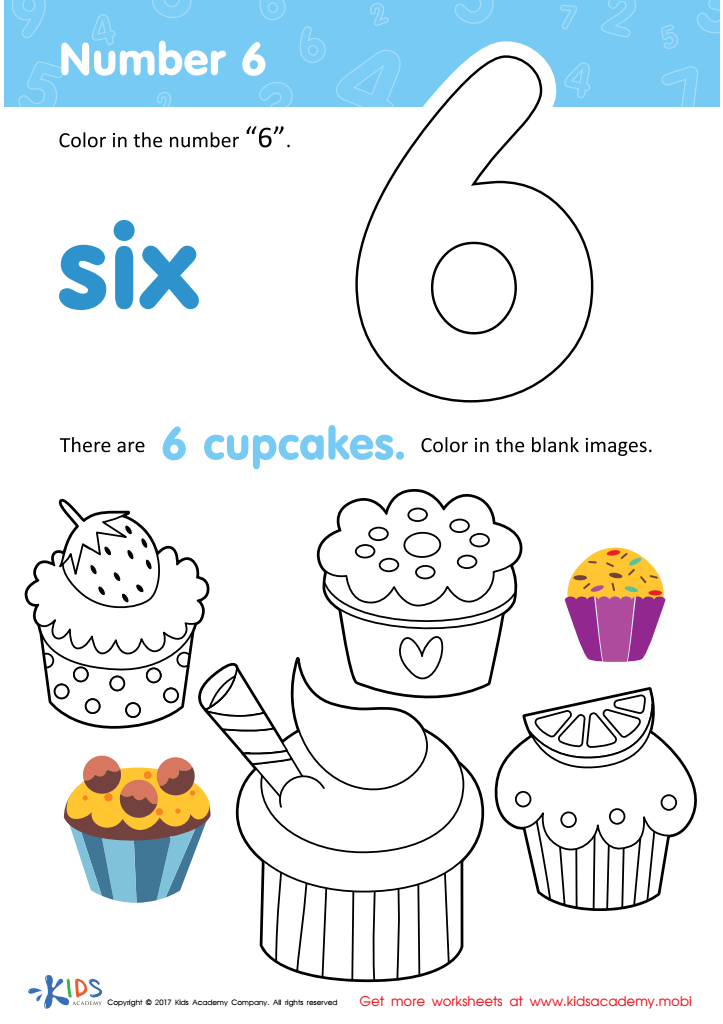
Number 6 Worksheet
Assign to My Students
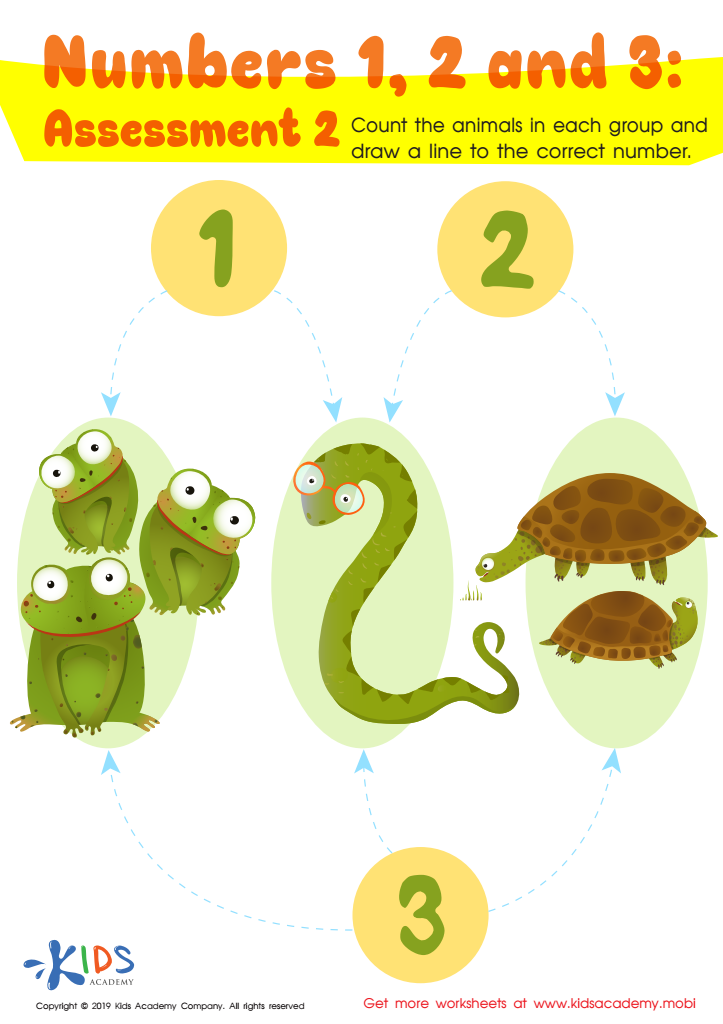
Numbers 1, 2 and 3: Assessment 2 Worksheet
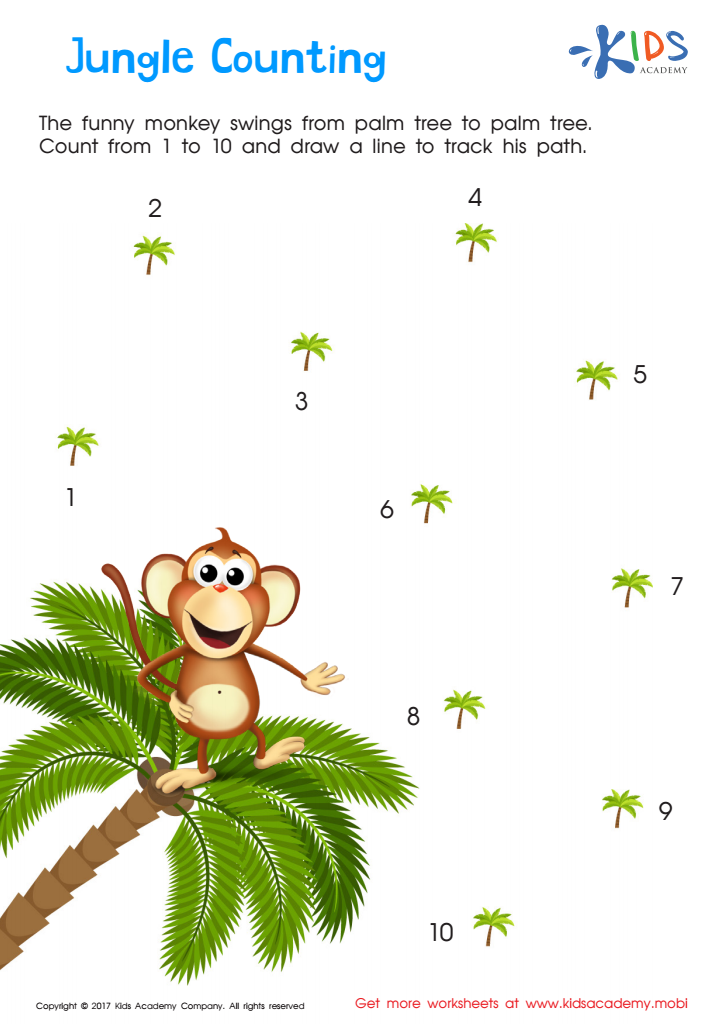
Jungle Counting Connect Dots Worksheet
Build with 9 Worksheet
Night Sky Counting Worksheet
Enrichment: Castle Counting Worksheet
Build with 7 Worksheet
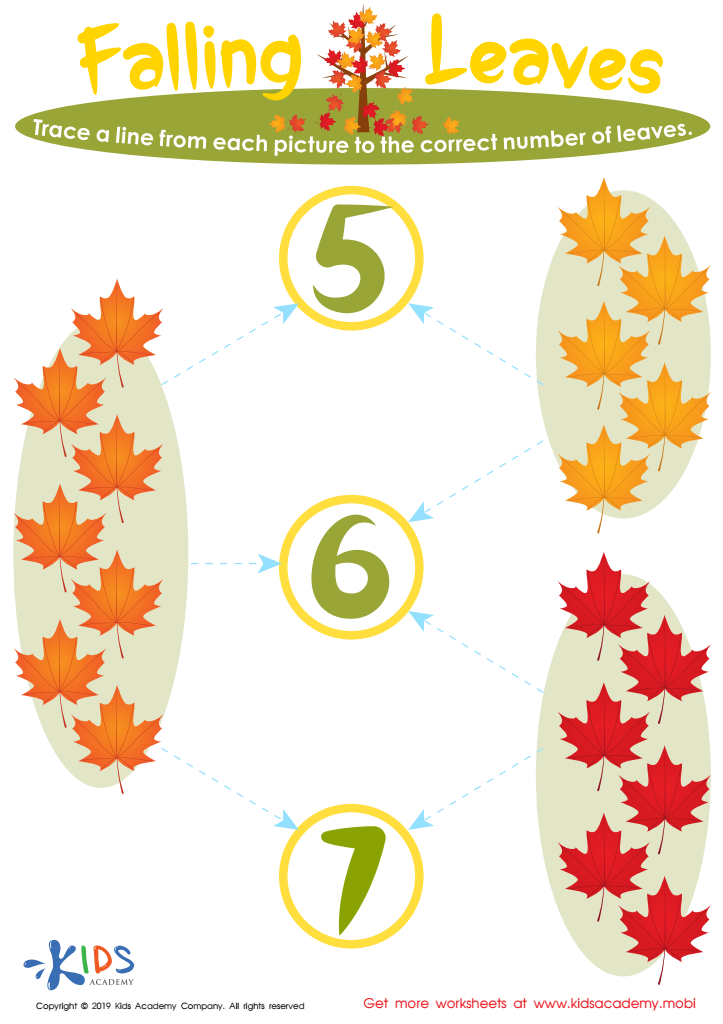
Falling Leaves Worksheet
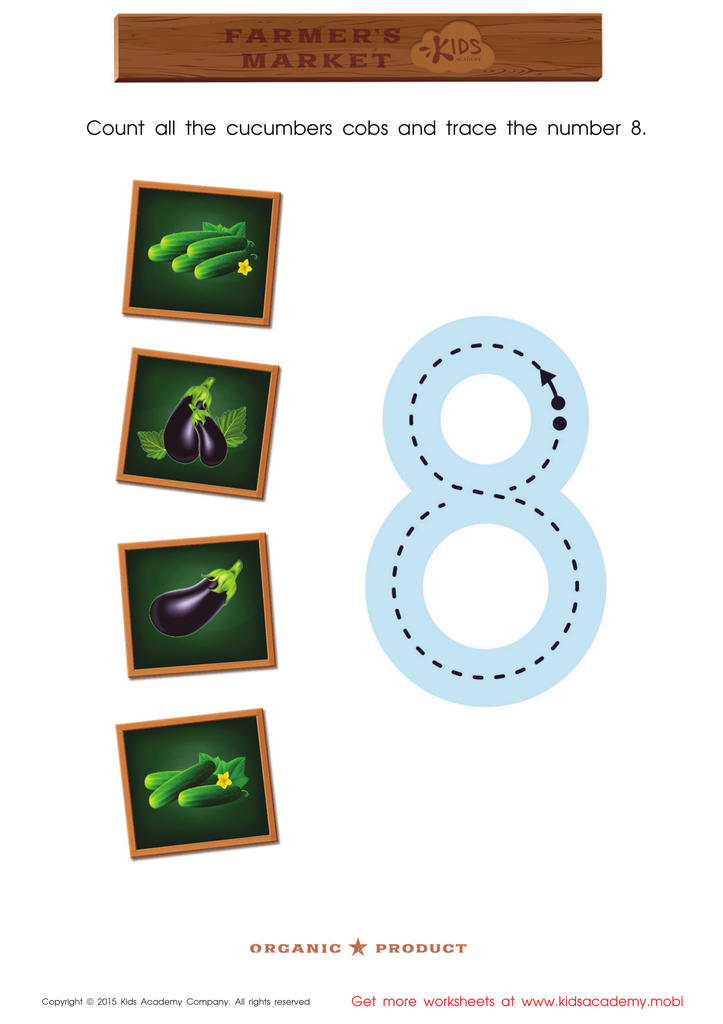
Count the Cucumbers and Trace the Number 8 Printable

Count and Match Vegetables 1 – 5 Math Worksheet
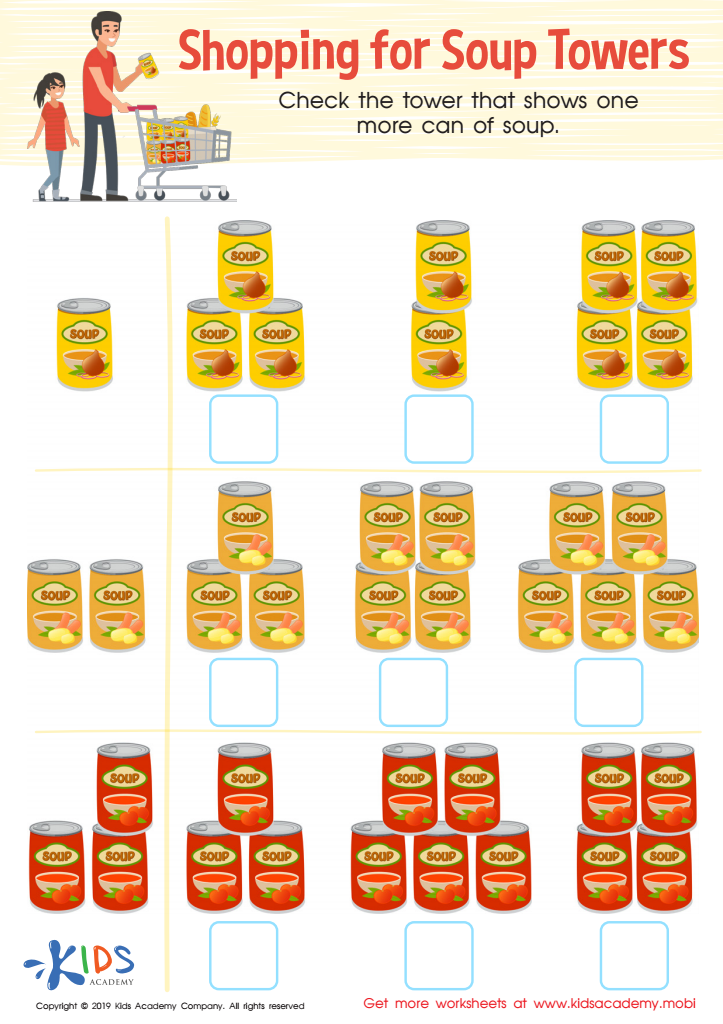
Soup Towers Worksheet








Early counting skills, particularly with numbers 0–10, are crucial for children aged 3-4 as they lay the foundation for future mathematical learning and cognitive development. At this stage, children are in the sensorimotor and preoperational phases of Piaget’s stages of cognitive development, where they begin to understand and interact with their world through symbolic thought.
Focusing on counting from 0-10 helps children grasp the concept of number sense, which includes recognizing numbers, understanding quantity, and learning number sequences. This facilitates their ability to perform simple arithmetic in later years. Additionally, these skills are integral for developing critical thinking and problem-solving abilities, which are transferable to other areas of learning.
Furthermore, counting exercises enhance a child’s fine motor skills and eye-hand coordination when they physically point to objects as they count. It also boosts linguistic development through repetition and auditory learning when counting aloud. Most importantly, strong early counting skills contribute to a positive self-concept related to learning, helping children feel competent in their abilities and fostering a love for education.
In summary, prioritizing counting skills for numbers 0-10 at ages 3-4 ensures a strong mathematical base, sharpens cognitive skills, and nurtures overall academic confidence, making it essential for both parents and teachers to focus on during early childhood education.